Struggling to predict which backpack styles will sell next year? The market is changing fast, and choosing the wrong trend can be a costly mistake for your brand.
In 2025, consumers are buying eco-friendly backpacks1 from recycled materials, tech-integrated bags with charging ports, and sleek minimalist designs. These trends show a clear demand for bags that blend sustainability, function, and modern style, making them essential lifestyle accessories.
It’s one thing to know the top-level trends, but as a brand owner like you, the details are what matter for making smart business decisions. I remember working with a client who almost missed the huge shift towards sustainability. They thought it was just a niche market. We dug into the data, and they quickly changed course.
Let’s break down these 2025 trends so you can confidently lead the market. We will explore what is driving these changes and how you can build them into your next successful collection.
[claim claim=”The global backpack market is expected to reach $31.4 billion by 2030.” istrue=”true” explanation=”Market research firms project significant growth in the backpack market, driven by travel, urbanization, and the adoption of backpacks as daily fashion accessories.”]
[claim claim=”Cotton canvas is the most popular backpack material in 2025.” istrue=”false” explanation=”While durable, cotton canvas is being overtaken by recycled materials like rPET and recycled nylon, which offer sustainability benefits that modern consumers demand.”]
What are the Key Backpack Trends in 2025?
Feeling overwhelmed by all the "hot" new trends? It is hard to know which ones have real staying power. I will pinpoint the five core trends that are defining the 2025 market.
The key backpack trends for 2025 are sustainability, technology integration, minimalism, ergonomic comfort2, and high-fashion influences. These reflect a consumer demand for bags that are practical, eco-conscious, and stylish, moving beyond simple utility to become essential lifestyle accessories.

A Deeper Look at the Core Trends
As a bag designer and manufacturer, I see these trends not just as ideas but as real product requests from brands worldwide. They are a direct response to how we live, work, and travel now. For example, the rise of remote work has made ergonomic features non-negotiable for many.
I once worked with a brand that created an ergonomic backpack from recycled ocean plastic. It was a huge hit because it solved two problems for their customers: back pain from remote work and a desire to shop sustainably. This shows how combining trends can be incredibly powerful.
Understanding the "why" behind each trend is crucial for creating a product that truly connects with your audience.
| Trend | Core Driver | Target Customer |
|---|---|---|
| Eco-Friendly | Environmental Awareness | The conscious consumer |
| Tech-Integrated | Connected Lifestyle | The digital nomad, student |
| Minimalist | "Less is More" Aesthetic | The urban professional, stylist |
| Ergonomic | Health & Wellness | The remote worker, commuter |
| fashion-forward3 | Self-Expression | The trendsetter, luxury buyer |
[claim claim=”A 2021 study found that nearly 60% of consumers are willing to change their shopping habits to reduce environmental impact.” istrue=”true” explanation=”This data from the IBM Institute for Business Value highlights the growing importance of sustainability in purchasing decisions across many product categories, including bags.”]
[claim claim=”Minimalist backpacks lack durability because they use fewer materials.” istrue=”false” explanation=”Minimalism is an aesthetic choice, not a compromise on quality. These bags often use high-tech, durable, and lightweight materials with reinforced construction to ensure longevity.”]
What are the most popular materials for backpacks in 2025?
Choosing the right material can make or break your design. With so many options, how do you pick one that is trendy, durable, and cost-effective? Let’s look at the fabrics customers love.
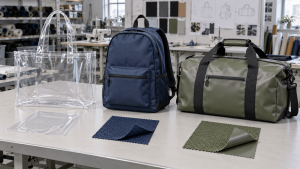
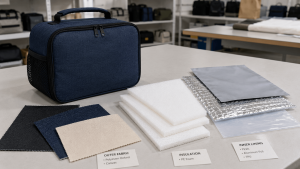
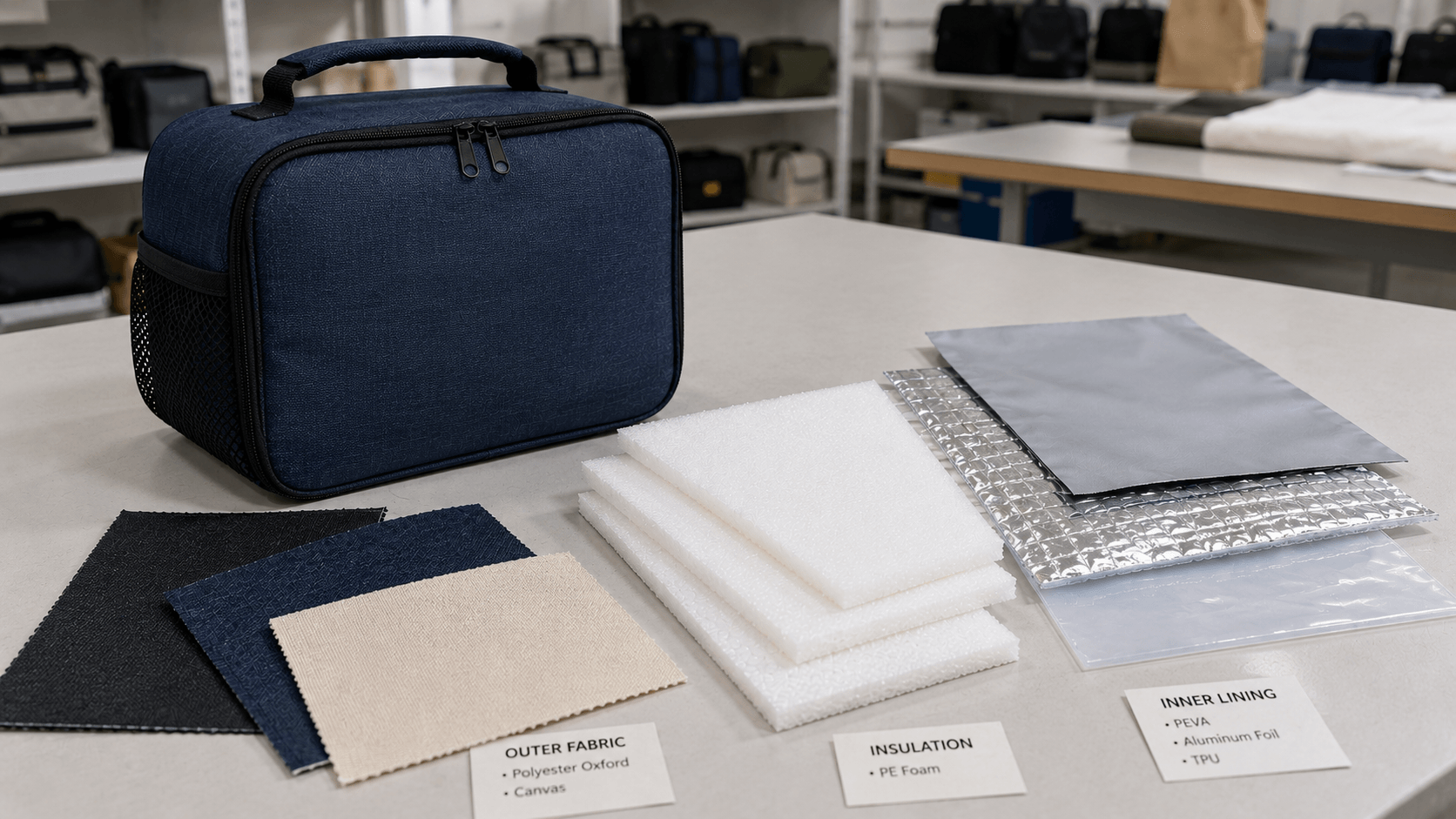
In 2025, the most popular backpack materials are recycled polyester (rPET) and recycled nylon. These sustainable options4 are in high demand. Vegan leather and other plant-based materials are also gaining traction, offering a cruelty-free alternative to traditional leather without sacrificing a premium feel.

Choosing Your Fabric Wisely
The material is the foundation of your backpack. It affects the look, feel, durability, and price. More importantly, it tells a story about your brand’s values. I remember sourcing rPET for a client for the first time a few years ago. We were all amazed at the quality. It felt just as strong as virgin polyester but came with a powerful sustainability story that really resonated with their customers.
Today, the quality and variety of these recycled fabrics are even better. As a brand owner, offering these materials is no longer a bonus; it’s an expectation for a growing number of consumers.
The Top Material Contenders
| Material | Key Benefits | Best For |
|---|---|---|
| Recycled Polyester (rPET) | Eco-friendly, durable, water-resistant, versatile prints | Everyday use, travel bags, school bags |
| Recycled Nylon | High strength-to-weight ratio, abrasion-resistant | Outdoor gear, performance packs, premium travel |
| Vegan Leather (PU/Plant-based) | Cruelty-free, sleek look, easy to clean | Fashion backpacks, urban professional bags |
[claim claim=”Producing recycled polyester (rPET) can use up to 59% less energy compared to virgin polyester.” istrue=”true” explanation=”The U.S. EPA and other sources confirm that recycling PET plastic into fabric is a significantly less energy-intensive process than creating new polyester from petroleum.”]
[claim claim=”All vegan leathers are biodegradable and environmentally friendly.” istrue=”false” explanation=”Many common vegan leathers are made from polyurethane (PU) or PVC, which are plastics and not biodegradable. While cruelty-free, their environmental impact varies greatly.”]
Sustainability Takes the Lead: Eco-Friendly Backpacks?
Your customers care about the planet, but "eco-friendly" can feel vague. How do you make sustainability a real, marketable feature? I will show you how brands are winning with green initiatives.
Sustainability is a top priority. Consumers are actively seeking backpacks made from recycled plastics, organic cotton, and other eco-conscious materials. Brands are responding with zero-waste designs, transparent supply chains, and greener manufacturing processes to meet this growing demand for responsible products.

Putting Sustainability into Practice
True sustainability goes beyond just using recycled fabric. It’s about a holistic approach. When I work with brands, we discuss the entire production process. This includes everything from the design phase to the final product. For instance, we can design cutting patterns that minimize fabric waste, a concept known as zero-waste or low-waste design. We also talk about the importance of certifications.
Key Pillars of a Sustainable Bag Brand
- Green Manufacturing: This means using less water and energy during production and choosing dyes that are less harmful to the environment.
- Credible Certification: Look for standards like the Global Recycled Standard (GRS). This proves to your customers that your materials are genuinely recycled and that your supply chain is socially and environmentally responsible.
- Powerful Storytelling: It’s not enough to be sustainable; you have to tell the story. I helped a brand create a QR code on their tags. It linked to a video showing how plastic bottles were turned into their beautiful backpacks. Their sales jumped because customers felt connected to the mission.
[claim claim=”The Global Recycled Standard (GRS) is an international, voluntary standard that verifies recycled content and responsible social, environmental, and chemical practices in production.” istrue=”true” explanation=”Administered by the Textile Exchange, GRS is a leading certification for ensuring the integrity of recycled products from the recycler to the final product.”]
[claim claim=”‘Eco-friendly’ is a legally regulated term with a single, clear definition.” istrue=”false” explanation=”The term is often used for marketing and can be vague or misleading, a practice known as ‘greenwashing.’ Terms like ‘GRS-certified’ or ‘made from 100% recycled plastic’ are much more specific and verifiable.”]
Technological Integration in Backpacks?
Is a "smart" backpack just a gimmick? Customers are wary of features that do not work. I will explain which tech integrations are actually useful and in-demand for 2025.
Tech integration is moving beyond novelty. In 2025, sought-after features include built-in USB charging ports, dedicated power bank pockets, and RFID-blocking compartments for security. Solar panels are also emerging on outdoor and travel packs, making backpacks a functional part of a connected lifestyle.

Making Tech Truly Useful
Integrating technology into a backpack must solve a real problem for the user. A USB port is not just a cool feature; it’s a lifeline for a student whose phone is dying before a big exam. An RFID-blocking pocket provides peace of mind for an international traveler. When I work with clients on smart bags, my first question is always, "How does this help your customer?" The most successful tech-infused bags are the ones where the technology feels seamless and essential, not like an afterthought. Getting the details right, like durable wiring and water-resistant ports, is key to building a product that customers will trust and recommend.
Practical Tech Features for 2025
| Tech Feature | Primary User | Key Benefit |
|---|---|---|
| USB Charging Port | Student, Commuter, Traveler | Convenience, staying connected on the go |
| RFID-Blocking Pocket | Traveler, Urban Dweller | Security, preventing digital theft of card info |
| Integrated Solar Panel | Hiker, Outdoor Enthusiast | Off-grid power, sustainable charging |
[claim claim=”RFID-blocking technology works by creating a shield, often with a metallic mesh, that radio waves from scanners cannot penetrate.” istrue=”true” explanation=”This shield acts as a Faraday cage, blocking the electromagnetic fields required for RFID scanners to communicate with the chips in your credit cards and passports.”]
[claim claim=”All backpacks with solar panels can fully charge a laptop in one hour.” istrue=”false” explanation=”Most solar panels on backpacks are relatively small and have low wattage. They are designed for trickle-charging smaller devices like phones or power banks, not for rapidly charging large devices like laptops.”]
How Social Media Stars Are Influencing Backpack Trends?
Wondering why a certain style suddenly takes off? Influencers are shaping what your customers want. Let’s decode how social media stars are driving the biggest backpack trends today.
Social media stars are powerful trendsetters. When an influencer showcases a minimalist backpack on an aesthetic travel post or a tech creator unboxes a smart bag, it creates instant demand. Their endorsements make specific styles, like sleek urban packs or rugged adventure bags, highly desirable.

The Power of Authentic Endorsement
Influencers don’t just show a product; they build a narrative around it. This is where their real power lies. A travel influencer using a sustainable backpack isn’t just selling a bag; they’re selling an eco-conscious travel lifestyle. A tech reviewer praising a smart backpack’s design gives it instant credibility. For you as a brand owner, this is a critical marketing channel. I always advise my clients to think about which influencers truly align with their brand’s core values. If you make rugged, durable outdoor packs, partnering with a genuine hiker or adventurer is far more effective than a generic fashion model. Authenticity is what builds trust and drives sales in the social media age.
How Influencers Shape Key Trends
- The "Aesthetic" and Minimalism: Lifestyle influencers on Instagram and TikTok popularize minimalist backpacks by featuring them in beautifully curated photos, making them a symbol of a chic, organized life.
- Tech and Functionality: Tech reviewers on YouTube unbox and test smart backpacks, providing in-depth reviews that build trust and highlight practical features for their tech-savvy audience.
- Sustainability and Values: Eco-conscious influencers showcase backpacks made from recycled materials5, connecting the product to a larger movement of responsible consumerism.
[claim claim=”Over 70% of Gen Z and Millennial consumers report that their purchasing decisions are influenced by social media content.” istrue=”true” explanation=”Studies from various marketing and research firms consistently show that social media, particularly recommendations from influencers, plays a significant role in the discovery and purchase process for younger consumers.”]
[claim claim=”Influencer marketing is only effective for luxury, high-end brands.” istrue=”false” explanation=”Influencer marketing is highly effective across all price points. Micro-influencers and creators on platforms like TikTok can drive massive sales for affordable and mid-range products by creating authentic, relatable content.”]
Backpack Preferences Across Generations: What Different Age Groups Are Buying?
Are you trying to sell the same bag to a Gen Z student and a Millennial professional? It probably will not work. Different age groups have unique needs. Let’s see what each generation wants.
Gen Z favors trendy, sustainable, and social-media-worthy backpacks. Millennials prioritize versatile, tech-integrated bags6 for work and travel. Gen X and Boomers often seek ergonomic designs with a focus on durability, comfort, and classic, timeless style over fleeting trends.

Targeting Your Ideal Customer
Understanding generational preferences7 is key to effective product design and marketing. You can’t be everything to everyone.
I’ve seen brands become incredibly successful by targeting one generation very specifically. For example, a client of mine decided to focus solely on the Millennial remote worker.
We designed the perfect ergonomic, tech-friendly, and minimalist backpack for them. By not trying to appeal to Gen Z with flashy trends or to Boomers with classic looks, their message was crystal clear and highly effective. Their target audience felt understood, and the brand thrived. This focused approach helps you use your resources more efficiently and build a loyal customer base.
Generational Backpack Wishlist
| Generation | Key Priorities | Preferred Styles & Features |
|---|---|---|
| Gen Z (12-27) | Sustainability, Style, Social Proof, Affordability | Minimalist, Fashion-forward, Recycled materials |
| Millennials (28-43) | Versatility, Tech Integration, Ergonomics, Quality | Smart backpacks, Convertible packs, Laptop sleeves |
| Gen X & Boomers (44+) | Durability, Comfort, Security, Practicality | Ergonomic support, Anti-theft features, Classic designs |
[claim claim=”Gen Z is often cited as the generation most willing to pay more for products from sustainable and ethical brands.” istrue=”true” explanation=”Numerous consumer reports, including those from McKinsey and Deloitte, indicate that Gen Z places a high value on brand ethics and sustainability, and this strongly influences their purchasing behavior.”]
[claim claim=”All consumers over 50 prefer traditional, old-fashioned backpack designs.” istrue=”false” explanation=”This is a stereotype. While they may prefer classic aesthetics, many older consumers are tech-savvy and highly value modern features like anti-theft technology, lightweight materials, and ergonomic support for comfort.”]
Conclusion
For 2025, focus on sustainability, smart tech, and targeted designs. Understanding these key trends will help your brand create backpacks that customers truly want, need, and love.
References
-
Explore how eco-friendly backpacks are reshaping consumer choices and promoting sustainability. ↩
-
Understand the importance of ergonomic comfort in backpacks for health-conscious consumers. ↩
-
Discover the characteristics of fashion-forward backpacks that appeal to trend-conscious consumers. ↩
-
Explore various sustainable options in backpack manufacturing that meet consumer demand. ↩
-
Find out how recycled materials contribute to sustainability and consumer appeal in backpack production. ↩
-
Learn about the essential features of tech-integrated bags that enhance functionality and user experience. ↩
-
Understand how different generations influence backpack design and marketing strategies. ↩