As an expert in the field of bulk duffel bag manufacturing, I can confidently say that the choice of materials is one of the most critical decisions you will make. The duffel bag materials not only influence the bag’s durability and aesthetics but also impact cost and customer satisfaction. When buyers choose the best materials for their duffel bags, they are investing in products that will stand the test of time, appeal to their target market, and ultimately enhance their brand reputation.
The top materials for bulk duffel bag manufacturing include polyester, nylon, canvas, PVC tarpaulin, and eco-friendly fabrics. Each material has its unique advantages depending on factors like durability, water resistance, weight, and cost. Polyester and nylon are popular for their strength and versatility, while PVC and recycled fabrics cater to specific performance needs.
Understanding these options will help you make a more informed decision when selecting materials that align with your brand’s requirements and customer expectations. In this guide, I will delve into it, keep reading to explore each material in more detail!
Common Materials Used in Bulk Duffel Bag Manufacturing
When manufacturing bulk duffel bags, selecting the right material is key to ensuring quality, durability, and functionality. As an expert in this field, I’ve seen how materials can significantly impact the final product.
There are several popular materials used in duffel bag production, each offering distinct benefits. In this guide, I’ll highlight the most common options, explain their strengths, and help you choose the best fit for your needs. Let’s get started!
Polyester – The All-Rounder for Durability and Cost
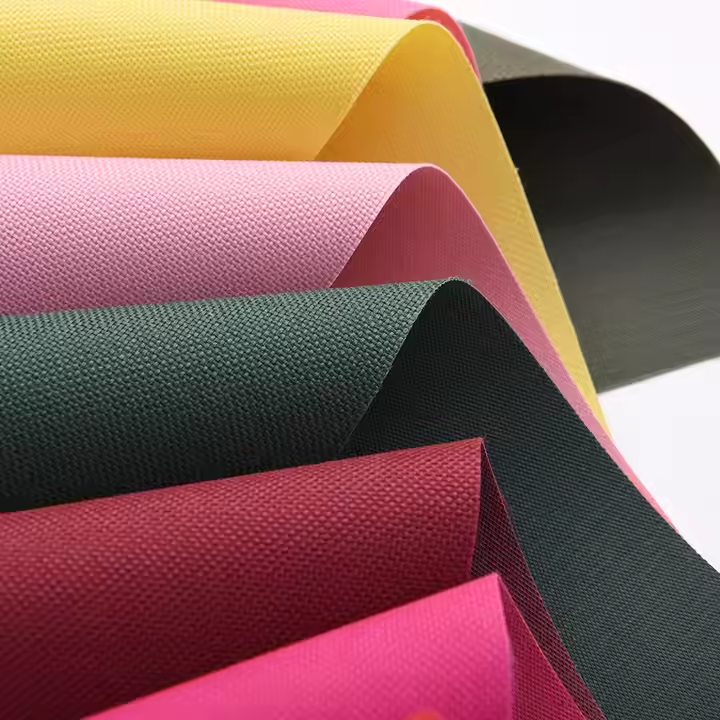
Polyester
Polyester is one of the most commonly used materials for duffel bags due to its strength, durability, and cost-effectiveness. This synthetic fiber is highly resistant to wrinkles, shrinking, and abrasion, making it ideal for bags that are subjected to rough handling.
- Pros: It is lightweight, durable, and water-resistant, making it suitable for everyday use. Polyester bags are often less expensive than other options, allowing manufacturers to keep costs down.
- Cons: However, polyester is not as breathable as other fabrics and can retain odors over time.
- Best for: Polyester is ideal for affordable options and everyday use, making it a go-to choice for promotional bags.
Nylon – A Premium Choice for Strength and Flexibility
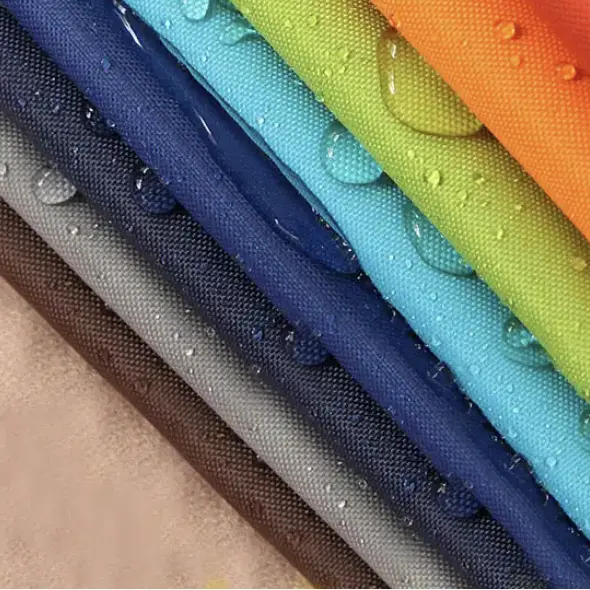
Nylon
Nylon is another popular synthetic material known for its incredible strength and durability. It is often used for premium duffel bags, offering excellent resistance to abrasions, tears, and extreme weather conditions. Nylon is also highly versatile and can be woven in different ways to achieve various textures and finishes.
- Pros: It is extremely strong, flexible, lightweight, and water-resistant. This makes nylon an excellent choice for high-performance duffel bags that need to endure rigorous use.
- Cons: The downside is that nylon can be more expensive than polyester and may scratch more easily.
- Best for: High-performance duffel bags intended for sports or travel benefit greatly from nylon’s superior qualities.
Canvas – Classic Look and Feel
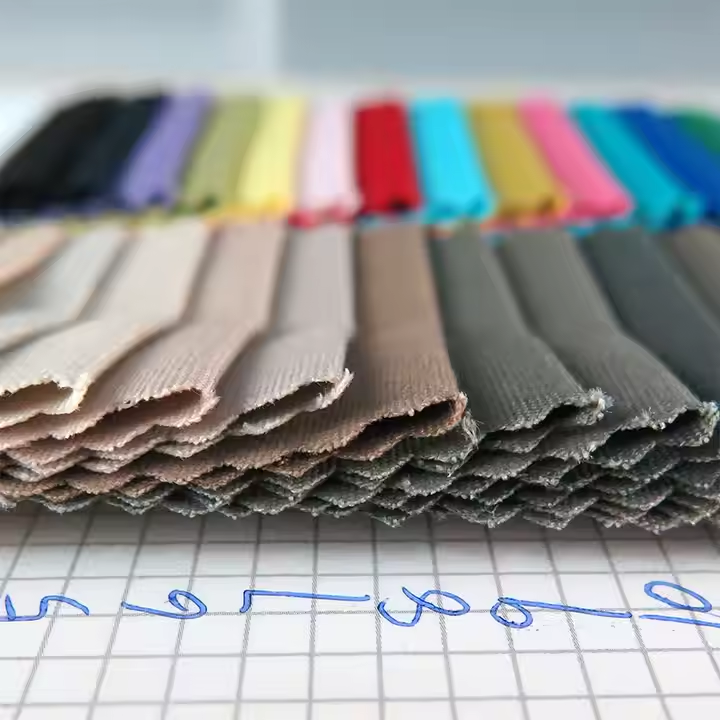
Canvas
Canvas is a thick, durable, and versatile fabric made from cotton or a cotton-blend. While not as water-resistant as polyester or nylon, canvas is a popular choice due to its robust feel and eco-friendly appeal. It is highly breathable and has a natural, earthy look that appeals to those seeking a more casual or retro style.
Pros: Known for its durability and natural look, canvas provides a strong structure that can withstand heavy loads.
Cons: However, canvas tends to be heavier than synthetic options and is less water-resistant unless treated.
Best for: Canvas is perfect for high-end, fashion-forward bags or vintage-style duffels that appeal to consumers looking for something unique.
PVC Tarpaulin – The Ultimate Waterproof Solution
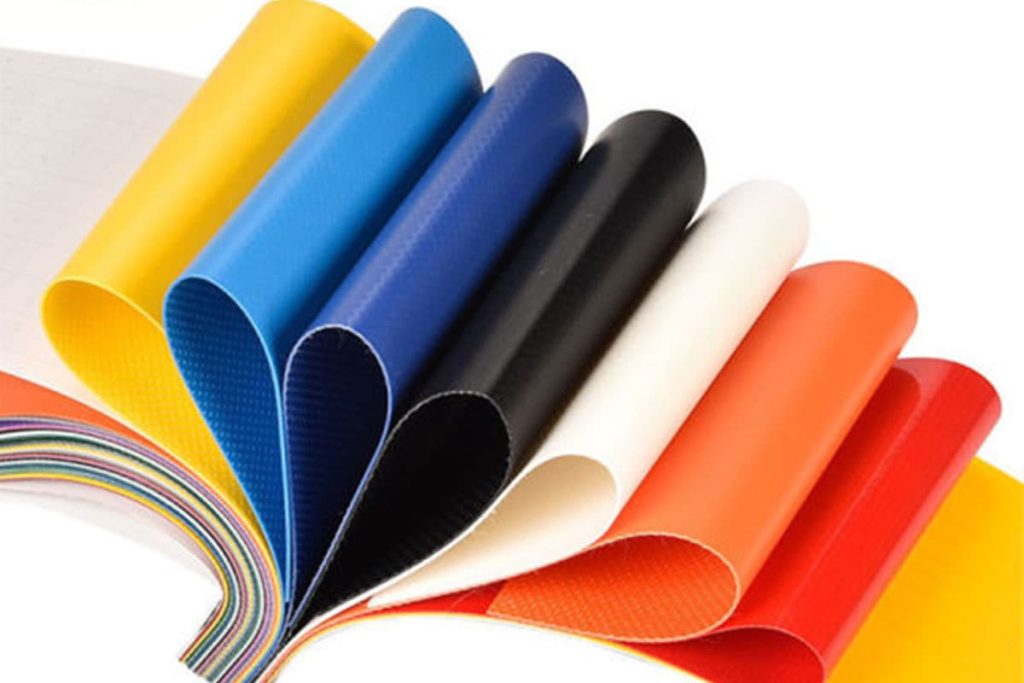
PVC Tarpaulin
PVC tarpaulin is a versatile, waterproof, and durable material often used for outdoor and heavy-duty bags. Made from woven polyester fabric coated with PVC, it offers superior resistance to the elements.
Pros: This material is 100% waterproof, highly durable, and resistant to wear and tear.
Cons: On the flip side, PVC tarpaulin is heavier than other materials and less breathable.
Best for: It’s ideal for outdoor adventures or gym bags where moisture resistance is paramount.
Leather – Timeless Elegance and Durability
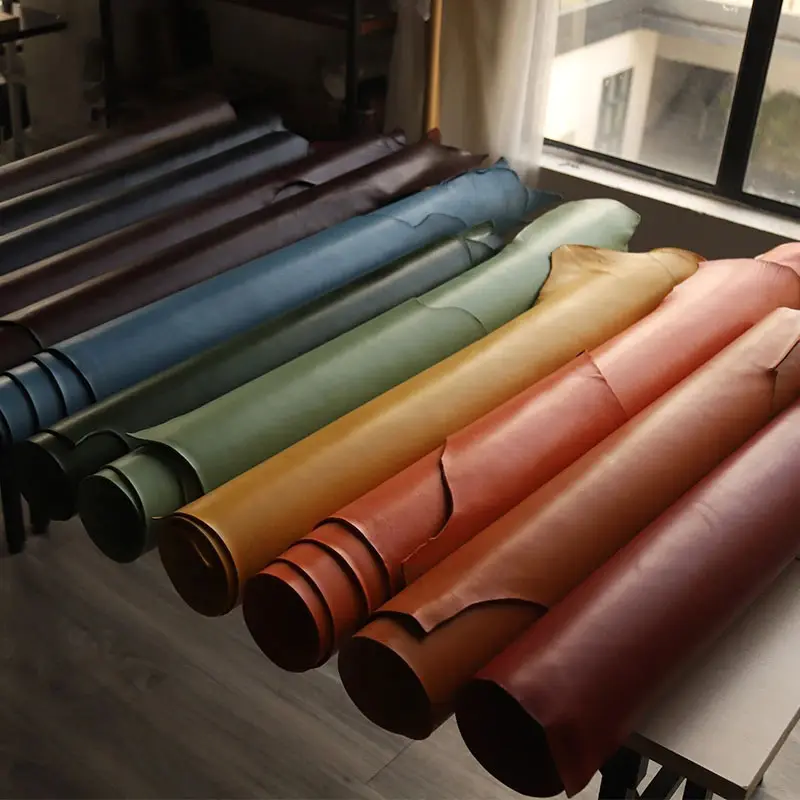
Leather
Leather is a premium material known for its elegance, durability, and unique aging properties. It’s the go-to choice for luxury duffel bags and fashion-forward brands.
- Pros: Known for its durability and classic appearance, leather develops a unique patina over time, enhancing its character. It’s also resistant to wear and tear, making it suitable for long-term use.
- Cons: Leather can be significantly more expensive than synthetic materials, requires maintenance to keep it looking its best, and may not be as water-resistant unless treated.
- Best for: Leather is ideal for high-end duffel bags aimed at fashion-conscious consumers or those looking for a timeless piece that combines style with functionality.
Sustainable Materials in Duffel Bag Manufacturing
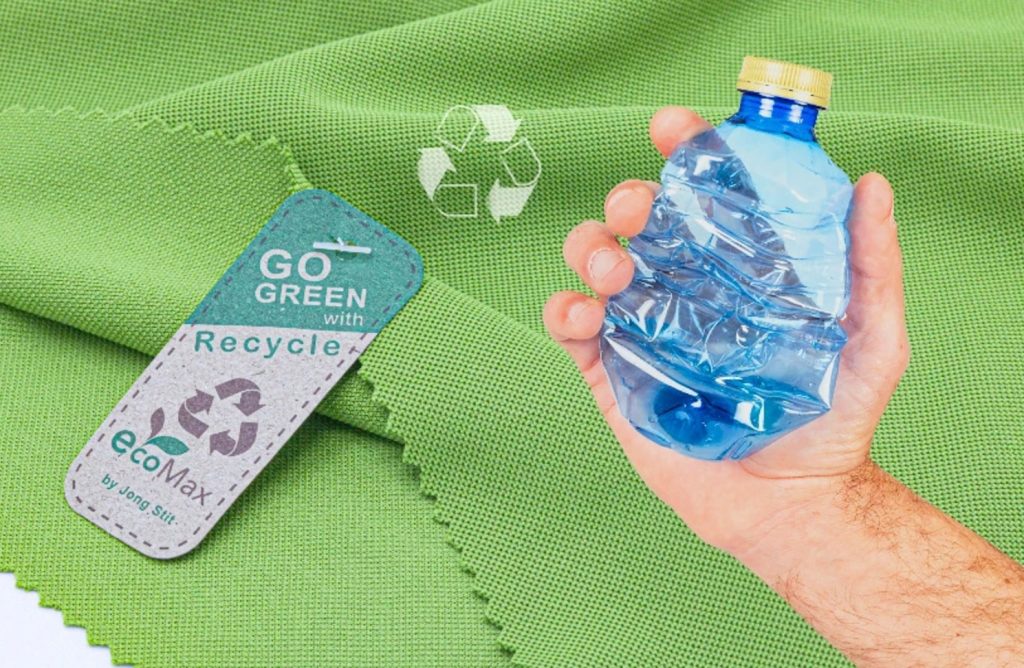
Recycled Fabric for Bags
Benefits of Eco-Friendly Materials
More buyers are opting for sustainable materials as they become aware of their environmental impact. Eco-friendly fabrics not only help reduce waste but also boost brand reputation by aligning with consumer values focused on sustainability.
Popular Eco-Friendly Materials for Duffel Bags
Examples of sustainable materials include:
- Recycled Polyester: Recycled polyester (rPET) is made from repurposed plastic bottles or other post-consumer waste. It has similar properties to virgin polyester but with a lower environmental footprint.
- Recycled Nylon: Similar to recycled polyester (rPET), recycled nylon is made from post-consumer waste, such as discarded fishing nets or old garments. It offers similar performance and durability to virgin nylon but with a smaller environmental impact.
- Organic Cotton: Organic cotton is grown without the use of synthetic pesticides, fertilizers, or genetically modified organisms (GMOs). It is a natural fiber that is biodegradable and eco-friendly.
- Hemp: Hemp is a strong, natural fiber derived from the cannabis plant. It is one of the most environmentally friendly fibers, requiring little water and no pesticides to grow. Hemp fibers are known for their durability, and the plant itself absorbs large amounts of CO2 as it grows.
- Biodegradable Plastics: Made from renewable resources that break down over time.
Sustainability Certifications and Standards
When choosing eco-friendly materials, look for key certifications such as:
- Global Recycled Standard (GRS): Ensures recycled content meets specific criteria.
- OEKO-TEX Standard 100: Certifies textiles free from harmful substances.
Comparison Table: Common Materials for Duffel Bags
| Material Type | Durability | Water Resistance | Weight | Cost | Best For |
|---|---|---|---|---|---|
| Polyester | Moderate | Moderate | Lightweight | Low | Affordable options, everyday use |
| Nylon | High | High | Lightweight | Moderate | High-performance duffel bags, sports, travel |
| Canvas | High | Low (unless treated) | Heavy | Moderate | Fashion-forward, vintage-style bags |
| Leather | Very High | Low (unless treated) | Heavy | High | Luxury bags, timeless appeal |
| PVC Tarpaulin | Very High | 100% | Heavy | Moderate | Outdoor adventures, gym bags |
| Recycled Fabrics | Moderate | Varies | Varies | Higher | Brands committed to sustainability |
| Organic Cotton | Moderate | Low | Lightweight | Higher | Eco-conscious consumers, casual use |
| Hemp | High | Moderate | Lightweight | Higher | Sustainable brands, eco-friendly products |
| Biodegradable Plastics | Moderate | Varies | Varies | Higher | Brands focusing on zero waste |
Key Insights:
- Durability: Nylon and leather are standout materials for durability, making them ideal for high-performance and luxury items.
- Water Resistance: PVC tarpaulin provides complete waterproofing, while polyester and nylon offer good resistance. Canvas and leather may require treatment for enhanced water resistance.
- Cost Considerations: Polyester is the most budget-friendly option, while leather and recycled materials tend to be more expensive but can enhance brand reputation.
For more on sustainable bags & backpacks manufacturing, visit our Eco-Friendly Bag & Backpack Production blog.
Key Considerations When Choosing Materials for Bulk Duffel Bags
Choosing the right material for bulk duffel bag manufacturing is one of the most important decisions you’ll make. As an expert in the field, I can tell you that this choice directly affects the quality, cost, durability, and appeal of the final product. It’s not just about practicality—it’s about ensuring the material meets both functional needs and aesthetic preferences.
To help guide you through this process, I’ll outline the key factors to consider when selecting materials for bulk duffel bags. These considerations will ensure that your bags align with your target market’s expectations and stand out in a competitive marketplace. Let’s dive in!
Durability and Strength
Duffel bags are often subjected to heavy use—whether for travel, gym workouts, or sports. Therefore, durability is one of the most important considerations when selecting materials. A durable material will ensure the bag lasts longer and can withstand rough handling, carrying heavy loads, and exposure to elements like rain or sun.
What to Look For:
- Tensile Strength: Materials like nylon and polyester offer high tensile strength, making them resistant to tearing and abrasion.
- Weight Load: Ensure the material can handle the weight your target consumers will carry, from gym gear to travel essentials.
- Resistance to Elements: Materials like PVC Tarpaulin, recycled polyester (rPET), and nylon are known for their high resistance to water and UV damage, ensuring the bags remain intact over time.
Cost and Budget Considerations
The cost of materials significantly impacts the final price of the duffel bag, which in turn affects profit margins and market positioning. It’s important to find a balance between quality and cost-effectiveness, especially for bulk orders.
What to Look For:
- Material Cost: Synthetic materials like polyester and nylon tend to be more affordable compared to premium natural fibers like leather or organic cotton.
- Bulk Purchasing: Purchasing materials in large quantities often results in discounts, making it easier to manage costs when producing bulk orders.
- Manufacturing Costs: Beyond just the raw material costs, consider the ease of manufacturing with different materials. Some materials may require special handling, additional treatments, or specialized equipment, which can increase production costs.
Weight and Portability
The overall weight of the duffel bag is important because bulky bags can be difficult to carry, especially if they’re intended for travel or active use. Lightweight materials help keep the bag easy to carry while ensuring it remains strong and durable.
What to Look For:
- Lightweight Synthetics: Materials like polyester and nylon are lightweight yet strong, making them ideal for travel or active use.
- Natural Fibers: Natural materials like organic cotton or hemp tend to be heavier than synthetic options but can offer a premium, eco-friendly feel.
- Compression and Packing Ability: If portability is important, consider materials that can be compressed or packed down, like lightweight nylon, which is flexible without compromising strength.
Waterproofing and Water Resistance
Many customers use duffel bags for outdoor activities, traveling, or sports, where exposure to water is inevitable. Waterproofing or water resistance ensures that the contents of the bag remain dry and protected from the elements.
What to Look For:
- PVC Tarpaulin and Nylon: Both materials are known for their water-resistant properties, with PVC Tarpaulin offering a 100% waterproof option for heavy-duty applications.
- Coatings: Consider adding water-resistant coatings to fabrics like polyester, nylon, or canvas for added protection.
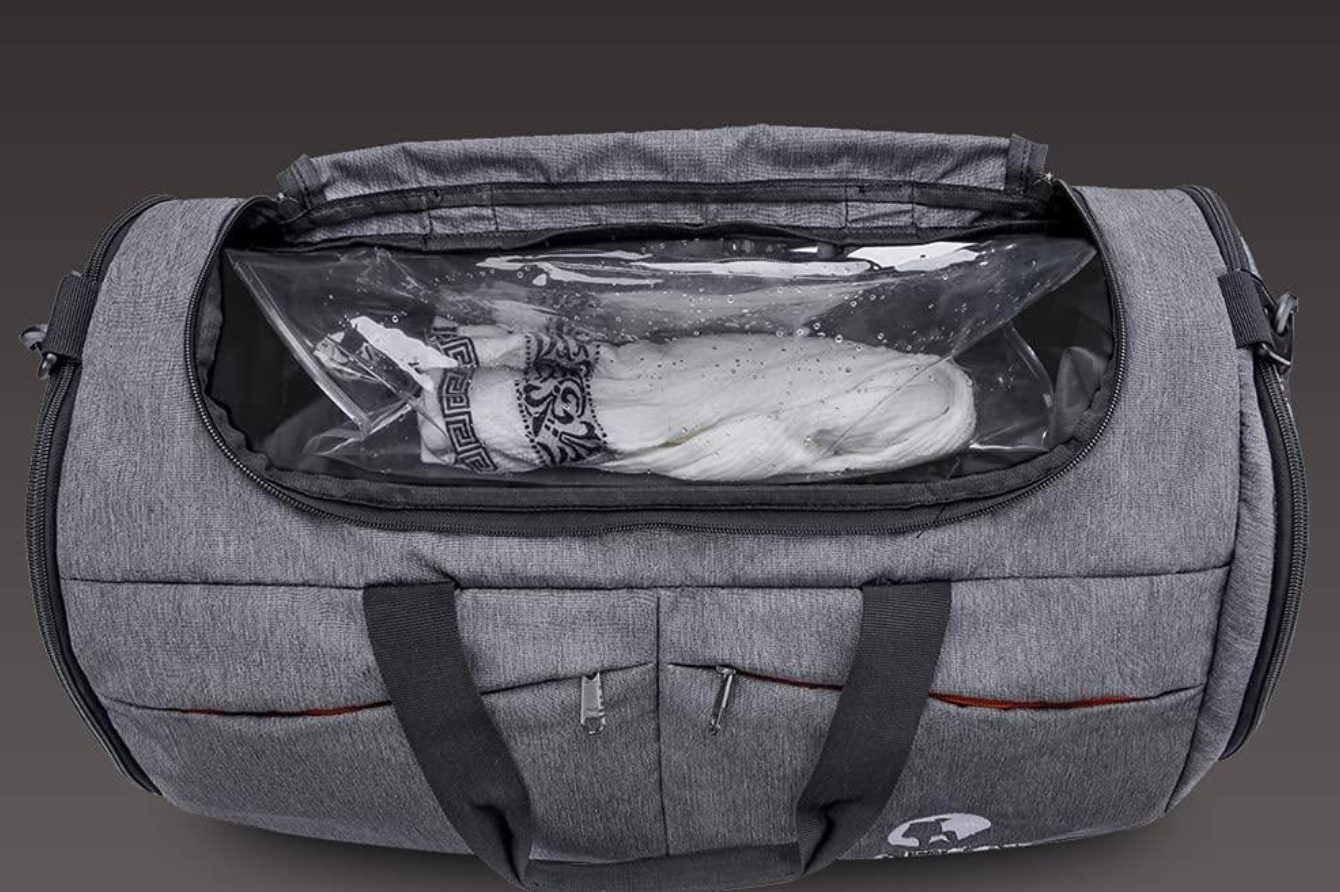
- Breathability vs. Waterproofing: Waterproof materials like PVC tarpaulin offer great water resistance but lack breathability. If the bag is designed to store wet clothes or gear, this is an important trade-off to consider.
Customization and Branding Options
Different materials react differently to branding techniques such as screen printing or embroidery. Selecting the right fabric can facilitate high-quality branding that enhances your bag’s appeal.
What to Look For:
- Print and Embroidery Compatibility: Some materials, like polyester and nylon, work well with screen printing, heat transfers, or embroidery. Consider how well your chosen fabric can accommodate your logo or brand messaging.
- Color and Pattern Flexibility: Materials like polyester are often available in a wide range of colors and can be easily customized with various patterns and designs. Natural fibers, such as cotton or hemp, may offer more limited customization options but can be printed with eco-friendly inks.
- Durability of Branding: Ensure the material you select can hold up to repeated washing or wear while keeping your branding intact. High-quality synthetic fabrics like nylon tend to maintain the appearance of prints or embroidery over time, while some natural fibers may wear down more quickly.
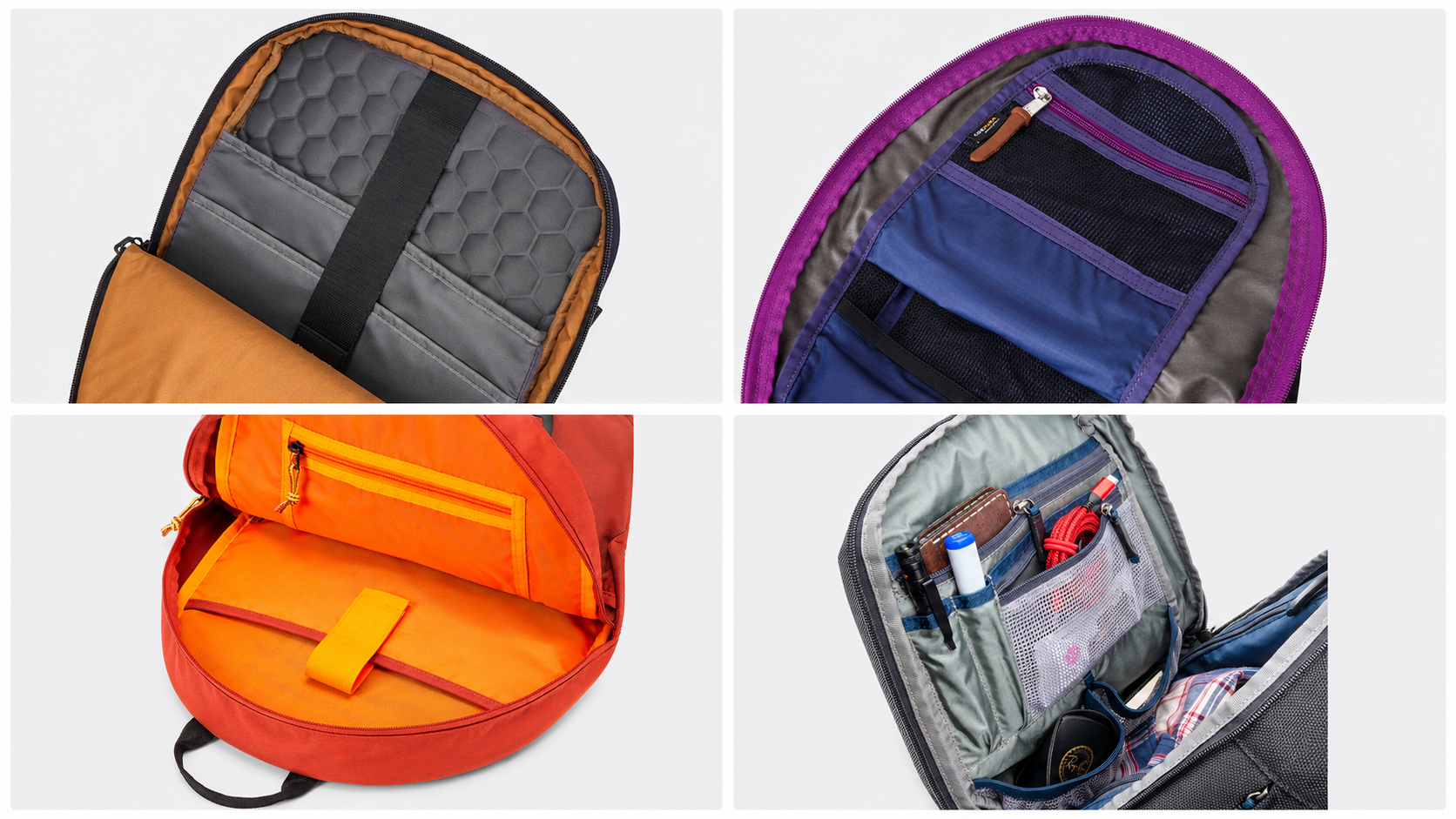
- Additional Features: Customizing the bag with added features like internal pockets, compartments, zippers, or straps can elevate its functionality and make the branding stand out.
Understanding the Basics of Duffel Bag Manufacturing
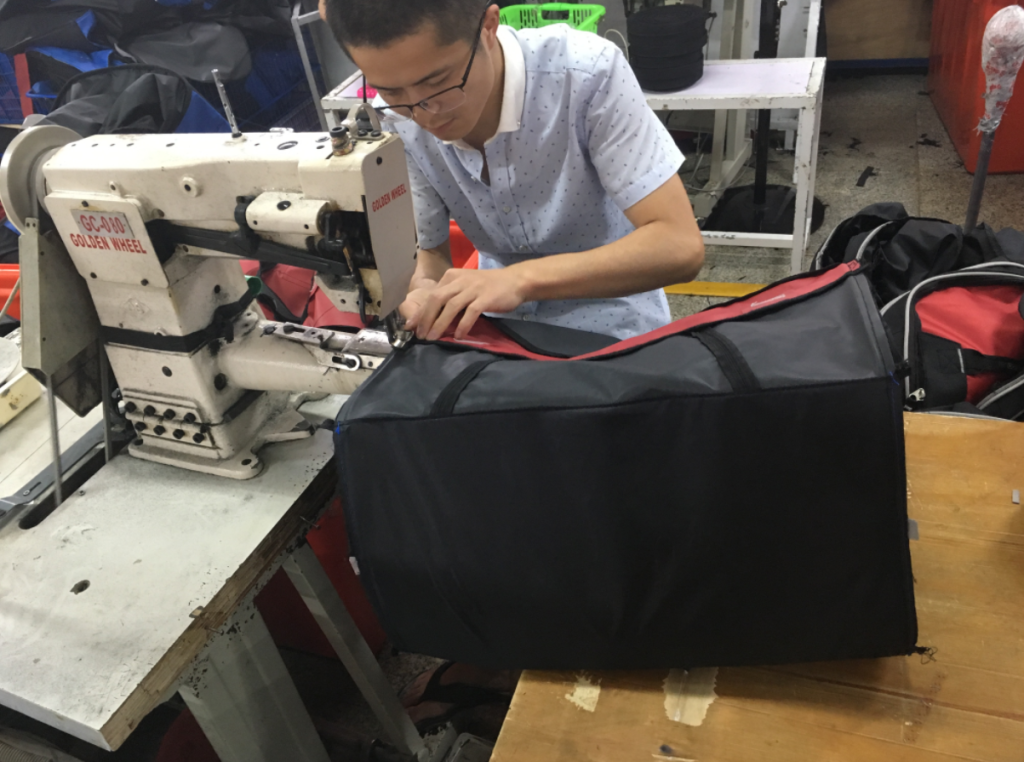
This section will walk you through the basic steps of duffel bag manufacturing to help you understand what to expect when ordering bulk production.
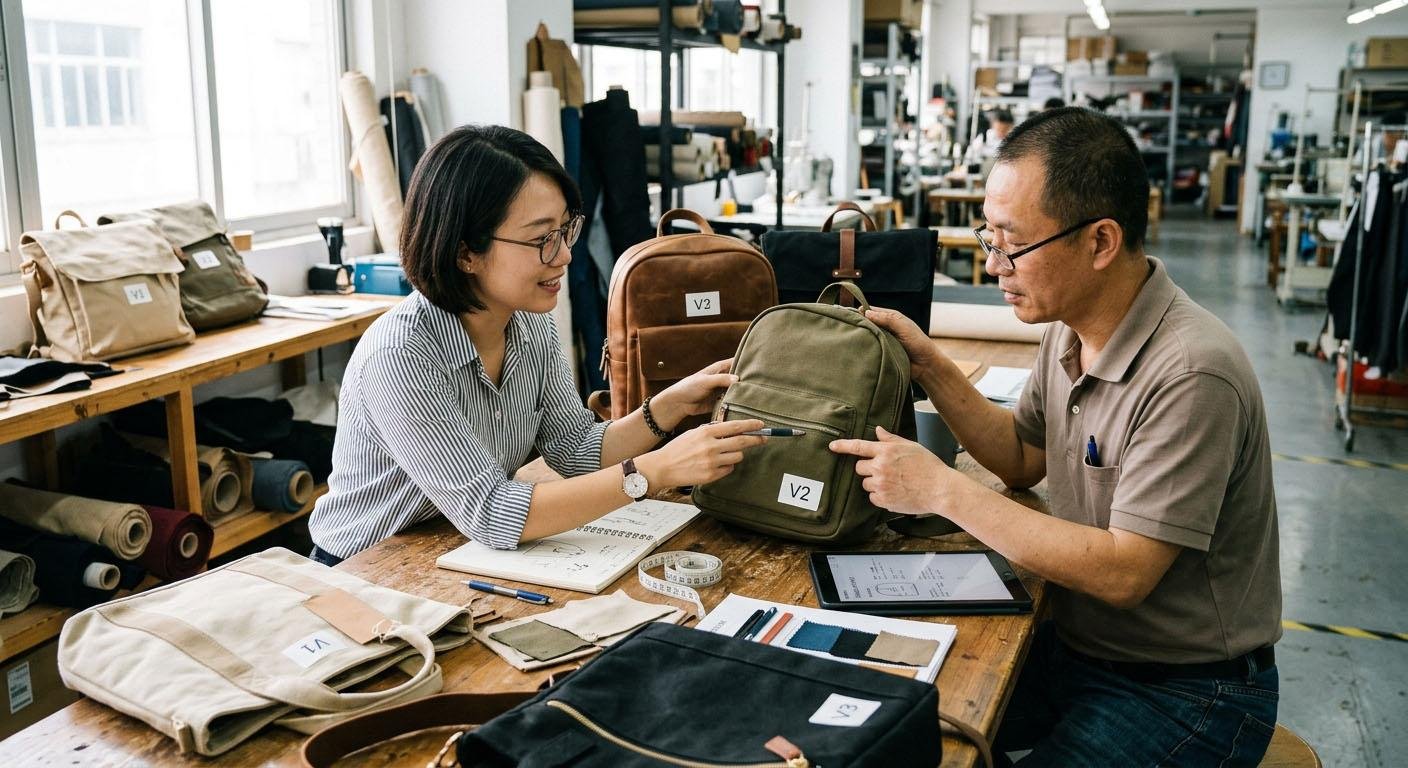
- Design and Prototyping: Before mass production begins, designing the duffel bag and creating a prototype is crucial to ensuring the final product meets your expectations. Prototyping allows you to test various features, sizes, and materials before making a significant investment.
- Material Sourcing and Procurement:Sourcing quality materials is vital for ensuring the bags’ durability, aesthetic, and overall quality. This step involves identifying reliable suppliers and ensuring that the chosen materials meet your specifications.
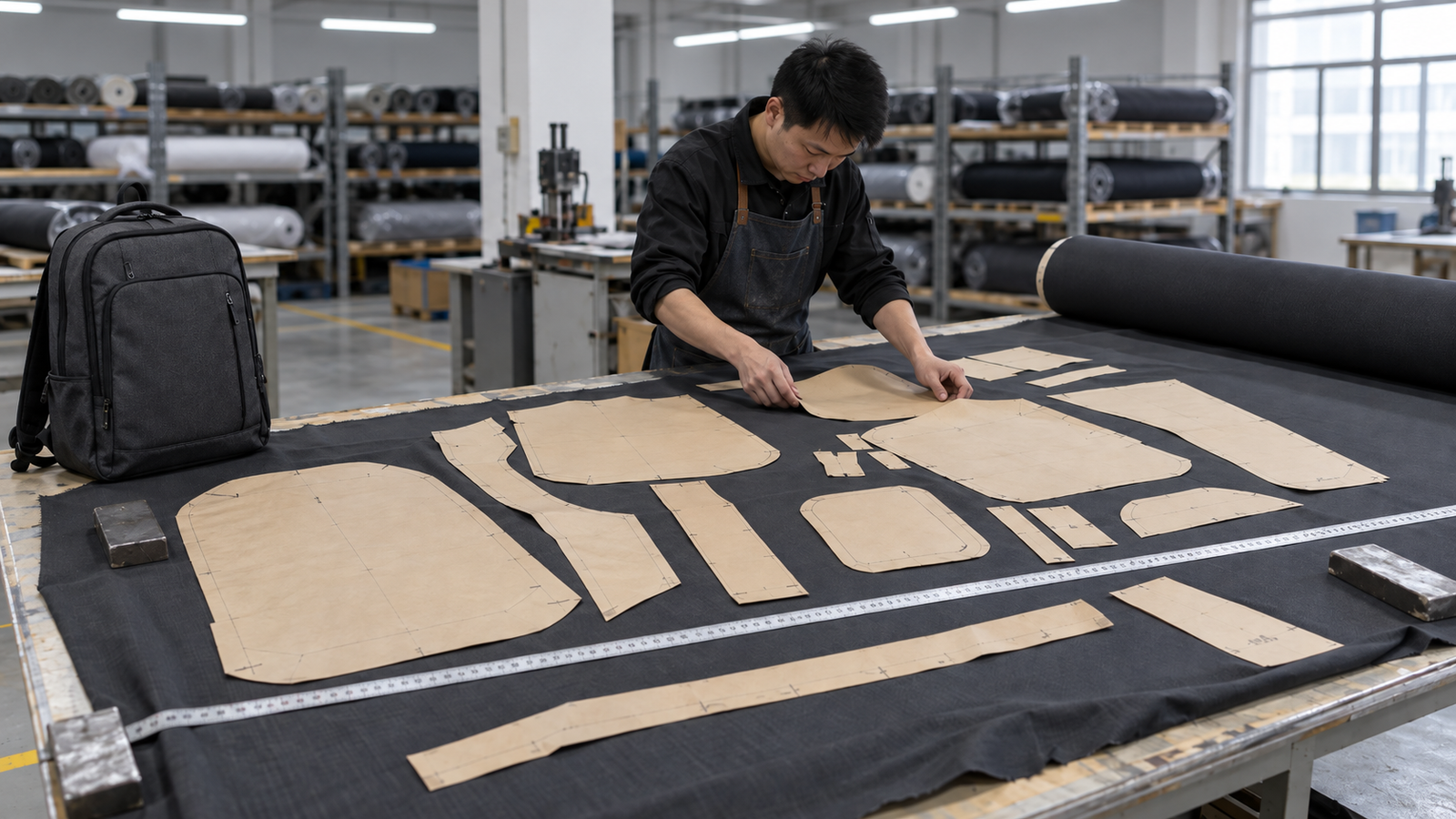
- Cutting and Preparing Materials: Proper preparation of the materials before the sewing process is critical for ensuring that the finished product is durable and precise. Cutting materials in uniform shapes and sizes ensures a smooth production process.
- Sewing and Assembling: The sewing process is the heart of the manufacturing process. It determines the overall strength and finish of the duffel bag. Proper stitching ensures that the bag can withstand heavy use, while clean, precise stitching enhances its aesthetic appeal.
- Quality Control and Testing: Quality control is an essential step in ensuring that the duffel bags meet the required standards of performance and durability. Any defects or issues should be identified and resolved before the bags are shipped out.
- Packaging and Shipping: Proper packaging is essential for protecting the duffel bags during transportation and ensuring they arrive at their destination in perfect condition. Additionally, packaging plays a role in the branding and presentation of the bags.
Understanding the basics of duffel bag manufacturing is key to ensuring a smooth production process, especially when dealing with bulk orders. From design and prototyping to material sourcing, cutting, sewing, and adding customized features, each stage of the process contributes to the quality and functionality of the final product.
By staying involved and informed throughout the production process, you can ensure that the duffel bags you manufacture meet your standards and are ready to impress your target audience. In the next section, we’ll discuss how to choose the best material for your specific needs and production goals.
How to Choose the Best Material for Your Bulk Duffel Bags
In this section, I’ll walk you through the process of selecting the ideal material for your bulk duffel bags. By considering these factors carefully, you’ll be able to make a strategic, informed decision that aligns with both your practical needs and business objectives. Let’s get started!
- Identify Your Target Audience: Understand who will be using your bags—athletes, travelers, corporate clients—and tailor your material choices accordingly.
- Define the Purpose of the Duffel Bags: Determine whether the bags will be used primarily for travel, sports, promotions, or fashion.
- Set Your Budget: Balance quality with cost-efficiency; consider how much you’re willing to invest per unit while maintaining acceptable margins.
- Evaluate Material Properties: Assess factors like durability, weight, water resistance, and customization options based on your priorities.
By following these steps, you can ensure that your bulk duffel bags meet both quality standards and market demands.
How to Work with Manufacturers for Bulk Duffel Bag Orders
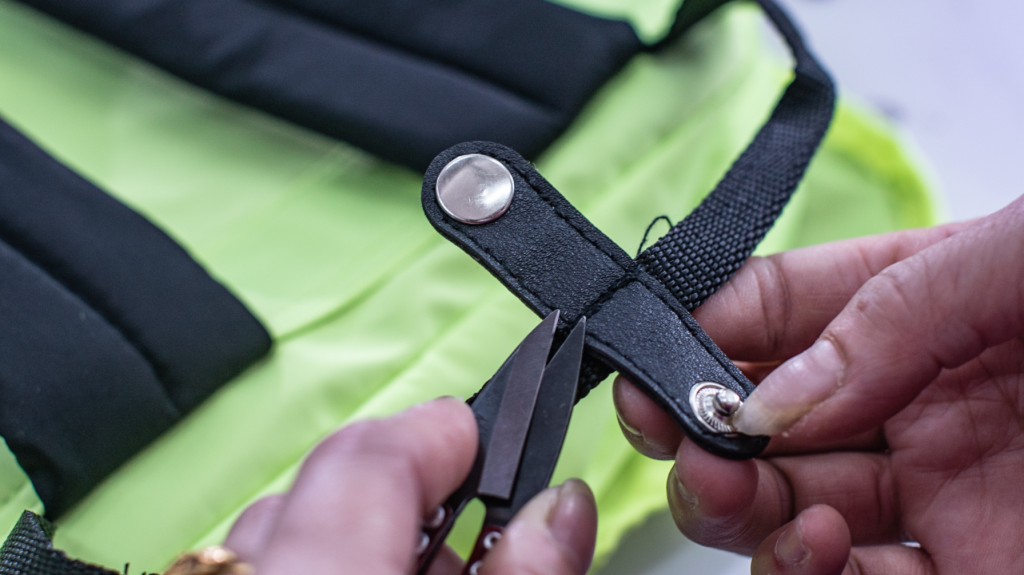
When you’re ready to move forward with bulk orders for your duffel bags, choosing the right manufacturer is key to a smooth and successful production process. From quality control to timely delivery, a reliable manufacturer can help turn your designs into a high-quality product, exactly as you envision.
In this section, I’ll guide you through the steps of selecting the right manufacturer, building a strong partnership, and ensuring your bulk order meets all your specifications. Let’s dive in and make sure your production process runs seamlessly.
1. Selecting the Right Manufacturer
Choosing the right manufacturer is crucial for ensuring the quality, cost, and timeline of your bulk duffel bag production. Look for a manufacturer with experience in producing similar products, as their expertise in materials, production methods, and customization options will be key. Research reviews and testimonials to assess their reputation and reliability.
Additionally, ensure the manufacturer has the capacity to handle your order size and any specific customization requirements, such as embroidery or unique fabrics. Finally, verify that they adhere to industry standards and certifications like ISO 9001 or OEKO-TEX® for quality control and safety.
2. Requesting and Reviewing Quotes
Requesting and reviewing quotes from multiple manufacturers is essential for comparing costs and services to ensure you get the best value for your bulk duffel bag order. When requesting quotes, ask for a detailed breakdown of costs, including materials, labor, customization, shipping, and any additional fees. Be sure to check the manufacturer’s minimum order quantities (MOQ), especially for custom fabrics or specialized designs. Confirm the production lead time, including both production and shipping, to ensure it meets your delivery requirements.
Finally, once you have multiple quotes, compare them not just on price, but also on the manufacturer’s reputation, capabilities, and any extra services they offer, such as custom packaging or design assistance.
3. Communicating Your Specifications Clearly
Clear communication with your manufacturer is crucial to ensure they fully understand your vision and deliver the product exactly as you envision. Ambiguity can lead to mistakes, delays, and unsatisfactory results. To avoid this, provide detailed designs and prototypes, including high-quality sketches, specifications, and, if possible, a prototype. Be specific about the materials you want to use, including fabric type, weight, color codes, and any special features like water resistance or eco-friendly characteristics.
For custom branding, ensure you provide artwork files in the correct formats, such as vector files for embroidery or high-resolution graphics for screen printing. Additionally, communicate your quality expectations, including stitching standards, finishing details, and any required testing, such as load or water resistance tests.
4. Prototyping and Sample Approval
Before moving into full-scale production, creating a prototype or sample is essential for evaluating the final product’s quality, functionality, and design. This step helps prevent costly mistakes during bulk production. Once the design and material specifications are finalized, request a prototype that closely resembles the final product, incorporating all features, materials, and branding.
Thoroughly inspect the sample for any defects or inconsistencies, checking stitching, materials, functionality (such as zippers and straps), and overall appearance. If there are issues, provide constructive feedback to the manufacturer, who should then make the necessary adjustments and produce a revised sample for approval before proceeding with mass production.
5. Production and Quality Control
Monitoring the production process is crucial to ensure that the duffel bags meet your specifications and quality standards. Effective quality control helps prevent defects and ensures the final product is ready for distribution. Establish clear quality control protocols with your manufacturer, such as visual inspections, fabric tests, and stress tests to check stitching, zippers, and strap durability.
Stay in regular communication, requesting progress updates and photos or videos to track the work. Before shipment, request a final inspection of the entire production batch to catch any defects. Additionally, some manufacturers may offer post-production testing, like load or water resistance tests, to ensure the bags meet all functional requirements.
For more on working with a trusted manufacturer for bulk duffel bags, visit our OEM/ODM services here.
Common Mistakes to Avoid in Duffel Bag Material Selection
When selecting materials for bulk duffel bag manufacturing, making the wrong choice can lead to product failures, higher costs, and delays. Understanding and avoiding common mistakes is essential to ensure the bags meet your quality, functionality, and durability standards. Here are some key pitfalls to avoid:
- Choosing Low-Quality Fabric: Avoid compromising on fabric quality; low-quality materials can lead to dissatisfied customers.
- Neglecting Water Resistance: Don’t overlook water resistance if your target market includes outdoor enthusiasts or travelers.
- Not Considering Weight: Failing to consider weight can make carrying the bag cumbersome; prioritize lightweight options when necessary.
- Ignoring Customization Compatibility: Ensure chosen materials work well with your intended branding methods; some fabrics may not hold prints or embroidery effectively.
By being aware of these common pitfalls, you can make more informed choices that align with your brand goals.
Conclusion: Final Tips for Bulk Duffel Bag Buyers
In summary, selecting the right materials for bulk duffel bags is crucial not only for product quality but also for customer satisfaction and brand reputation. By understanding the various options available—from polyester to recycled fabrics—you can make informed decisions that match your brand’s identity and goals.
If you’re considering a bulk order of custom duffel bags or need guidance on material selection, I invite you to contact us at OSGOODWAY! We’re here to help you navigate your options and provide samples tailored to your specific needs.
FAQs (Frequently Asked Questions)
- What is the best material for waterproof duffel bags?
- PVC tarpaulin is often considered the best option due to its complete waterproof capabilities.
- How do you ensure the durability of bulk duffel bags?
- Choosing high-quality materials like nylon or reinforced polyester along with proper stitching techniques ensures durability.
- Is it better to use nylon or polyester for bulk bags?
- It depends on your needs; nylon offers superior strength but at a higher cost while polyester provides affordability with decent durability.
The Ultimate Guide to Custom Duffel Bags
Can Your Duffel Bag Be a Carry-On?