Last Updated: April 5, 2026
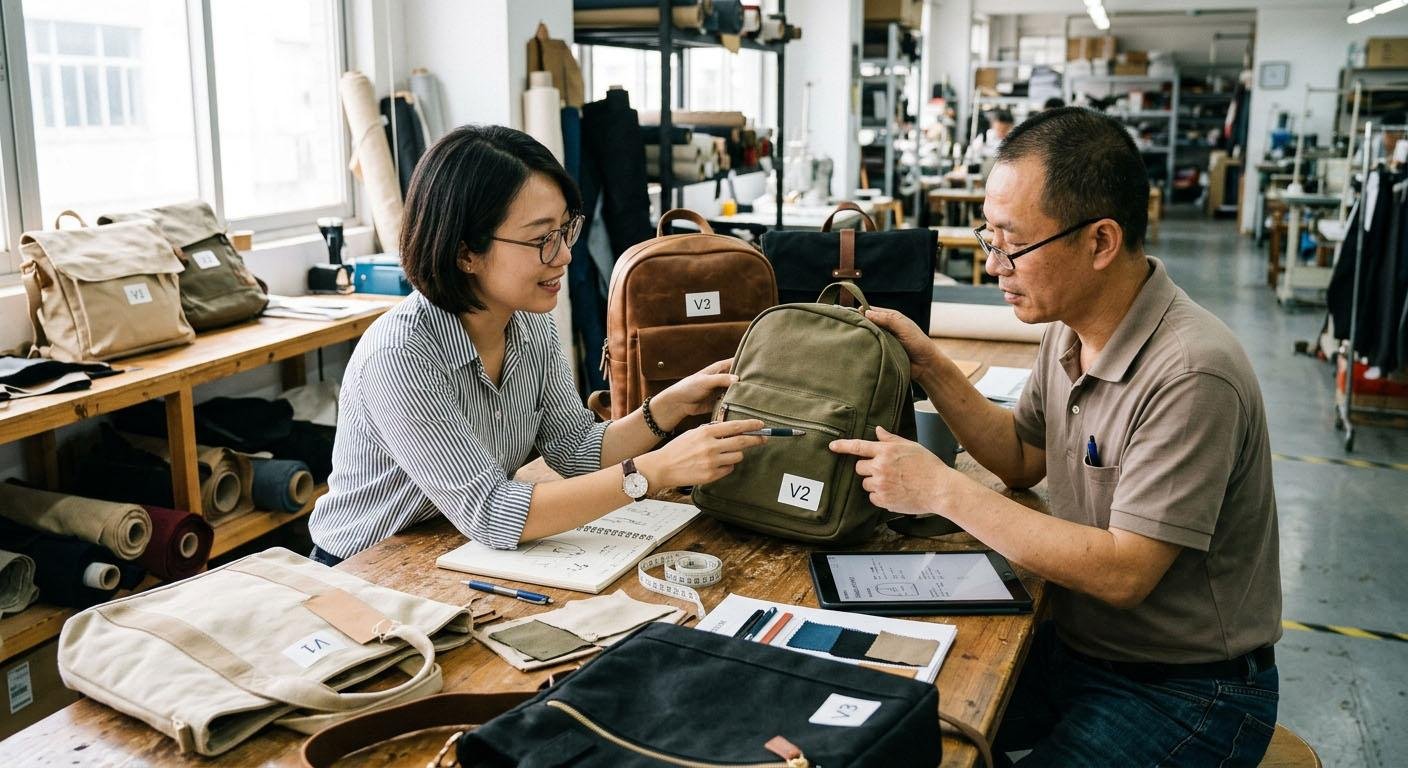
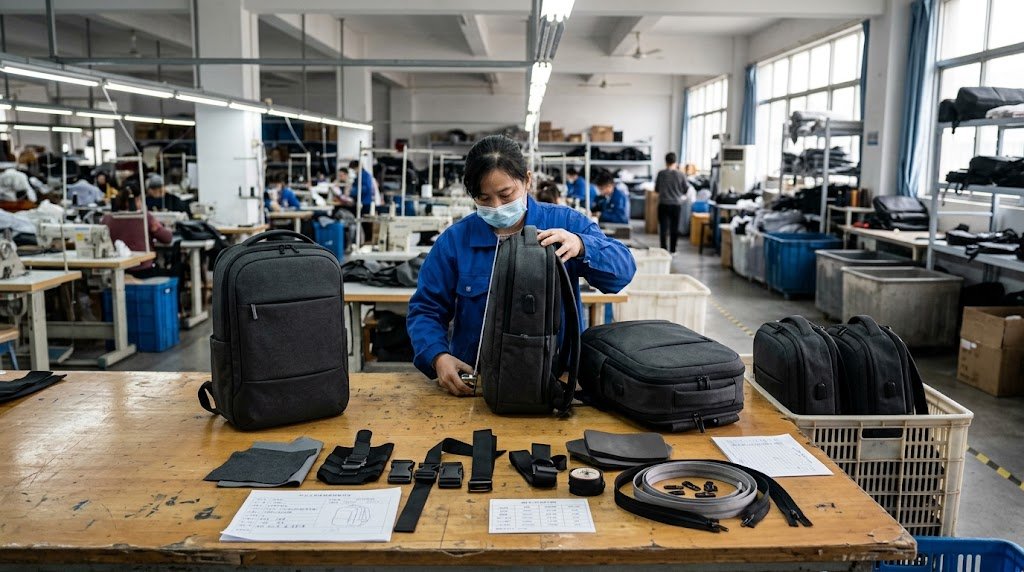
I’m Zoey Lee, Sales Director at Osgoodway Bag. Over the past 12 years, I’ve overseen the production of over 2 million bags across more than 50 distinct styles — from mass-market promotional totes to premium leather weekenders for European luxury brands.
That experience has taught me something most "bag guides" miss: the name of a bag type tells you almost nothing about its quality. A "tote bag" can be a $0.50 non-woven giveaway or a $200 full-grain leather carryall. The difference lies in the materials, construction, and design intent — and that’s what I’ll break down for each of the 50 different types of bags in this guide.
Whether you’re a brand owner sourcing your next product line, a retailer building your catalog, or simply someone trying to understand what makes one bag worth 10x more than another, this guide gives you the manufacturer’s perspective you won’t find anywhere else.
Ready to discover which bags best suit your needs and style? Let’s dive in.
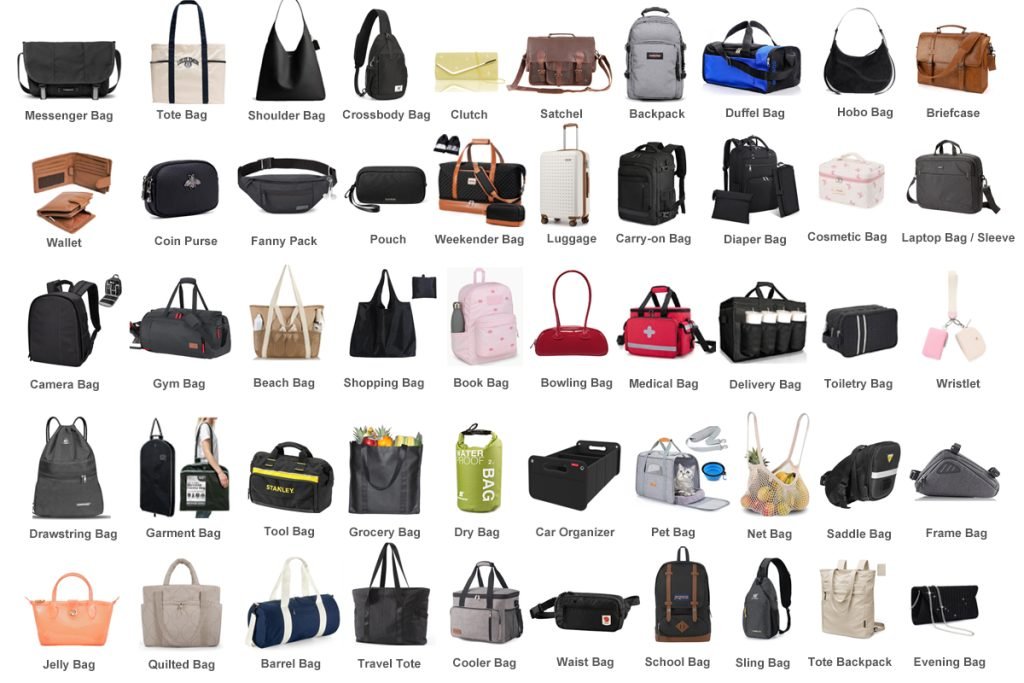
👜 Classification by Usage Scenarios (8 Main Categories)
- Everyday Commute & Office: Messenger Bag, Tote, Shoulder Bag, Crossbody, Briefcase, Laptop Bag, Sling Bag
- Travel & Business Trips: Weekender, Luggage/Suitcase, Carry-on, Garment Bag, Travel Tote
- Sports & Fitness: Gym Bag, Duffel Bag, Drawstring Bag, Dry Bag
- Family & Parenting: Diaper Bag, School Bag
- Shopping & Convenience: Shopping/Reusable Bag, Grocery Bag, Net Bag
- Fashionable Daily Use: Clutch, Hobo Bag, Satchel, Quilted Bag, Jelly Bag, Evening Bag
- Specialized Use: Camera Bag, Tool Bag, Medical Bag, Delivery Bag, Car Organizer, Pet Bag
- Outdoor & Cycling: Backpack, Cooler Bag, Saddle Bag, Frame Bag
(Note: Some bag types are versatile and appear in multiple categories.)
🔍 Quick Reference: 20 Most Common Bag Types
| Bag Type | Best For | Typical Size | Recommended Material |
|---|---|---|---|
| Backpack | School, travel, commute | 15–50L | 600D Polyester, Cordura, rPET |
| Tote Bag | Shopping, work, daily carry | 15–25L | Canvas, PU Leather, Non-woven |
| Messenger Bag | Work commute, cycling | 10–15L | 500D Cordura, Waxed Canvas |
| Crossbody Bag | Travel, urban outings | 2–5L | Nylon, PU Leather |
| Duffel Bag | Gym, weekend trips | 30–60L | 600D Nylon, Ballistic Nylon |
| Weekender Bag | 1–3 night getaways | 30–45L | Waxed Canvas, Ballistic Nylon |
| Laptop Bag/Sleeve | Work, school | Fits 13–17" | 600D Polyester, Neoprene |
| Sling Bag | Casual outings, errands | 3–10L | 420D Nylon, Polyester |
| Carry-on Bag | Air travel | 20–45L | Polycarbonate, Nylon |
| Gym Bag | Workout, sports | 25–45L | 900D rPET, 600D Polyester |
| Fanny Pack/Belt Bag | Travel, festivals | 1–3L | 420D Ripstop, PU Leather |
| School Bag | Students (all ages) | 20–35L | 600D Polyester, Canvas |
| Cooler Bag | Picnics, beach, food delivery | 10–30L | TPU-coated Fabric |
| Diaper Bag | Parenting, outings with baby | 20–30L | Water-resistant Nylon, PU |
| Toiletry Bag | Travel hygiene essentials | 2–5L | PVC-lined Nylon |
| Camera Bag | Photography, filmmaking | 10–25L | Padded Nylon, Cordura |
| Tool Bag | Trades, construction | 10–30L | 1680D Ballistic Nylon |
| Garment Bag | Business trips, formal events | Fits 2–3 suits | Nylon, Polyester |
| Drawstring Bag | Gym, events, promotions | 10–20L | 210D Polyester, Canvas |
| Car Organizer | Vehicle storage | 20–75L | 600D Oxford, PE Board base |
🧳 50 Types Of Bags & Their Usage Scenarios
1. Messenger Bag
A messenger bag is a rectangular bag with a long strap designed to be worn across the body or over one shoulder. Originally used by couriers, it has become a popular choice for men and women alike due to its practical design and casual style.
Messenger bags offer plenty of space for documents, gadgets, and personal items, making them ideal for work, school, or commuting. Their hands-free design allows for easy movement, perfect for busy urban lifestyles.
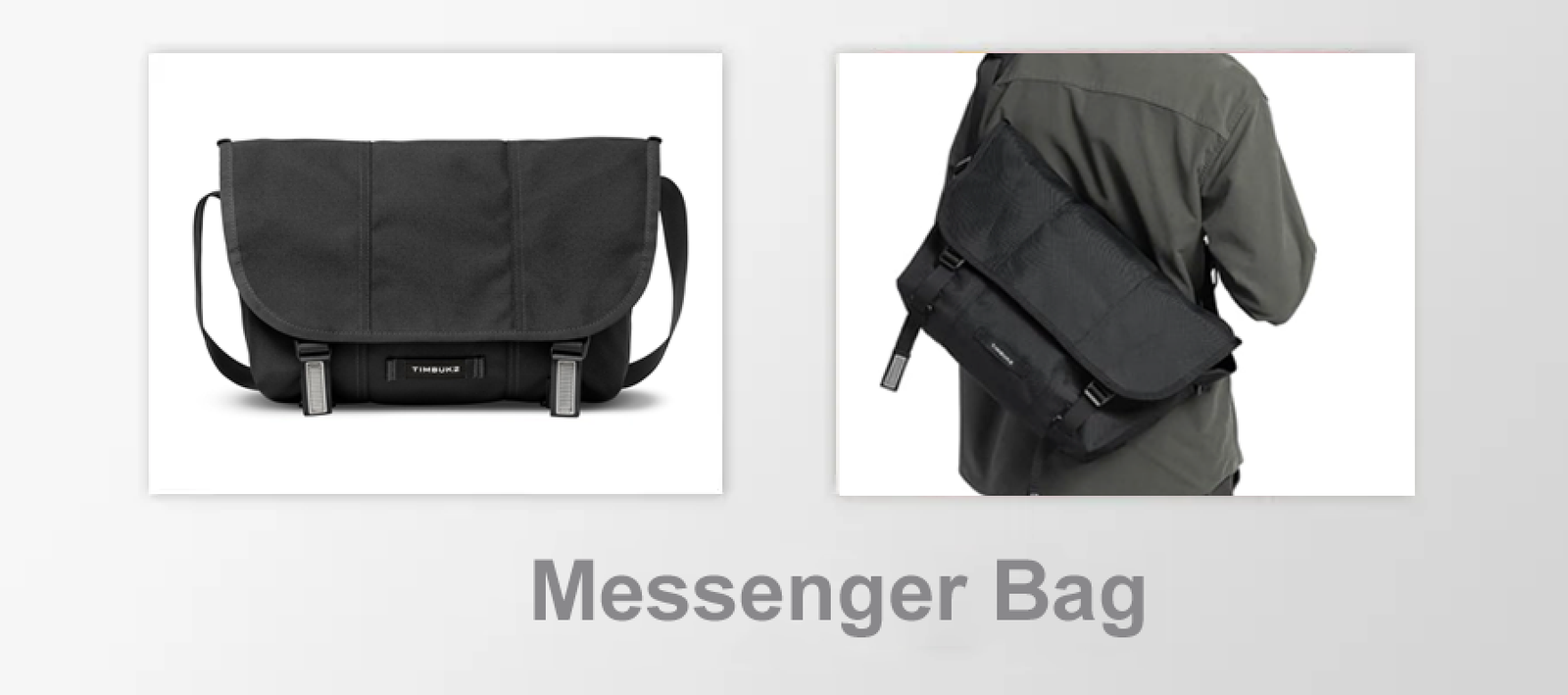
My Pro Insight: A messenger bag is a dynamic load. Unlike a backpack, it shifts every time the wearer moves. If your factory doesn’t understand center-of-gravity placement, the bag will constantly slide to the front, and the customer will hate it.
Recommended Materials: 500D Cordura is the sweet spot—tough enough to slide across pavement but light enough for a 10-mile bike ride. For a premium look, waxed canvas is making a huge comeback in 2026.
The Pitfall (Avoid this!): Cheap plastic D-rings. I’ve seen brands lose entire contracts because a $0.10 plastic buckle snapped in cold weather. Use zinc-alloy hardware or military-grade Duraflex. No exceptions.
My Subjective Stance: The "Traditional" messenger bag is dead. If you’re not adding a dedicated, padded 16-inch laptop compartment with a "floating" bottom, you’re selling a relic from the 90s. Make it tech-ready or don’t make it at all.
Ready to explore styles? We’ve mapped out the main types of messenger bags — from classic flap-over to roll-top and hybrid styles — with sourcing notes for each.
2. Tote Bag
A tote bag is a large, open-top bag with parallel handles that can be carried by hand or over the shoulder. Known for its simplicity and spaciousness, it’s a favorite for everyday use.
Totes are versatile enough to carry everything from laptops to groceries, making them perfect for work, shopping, or casual outings. Their minimalist design pairs well with almost any outfit.
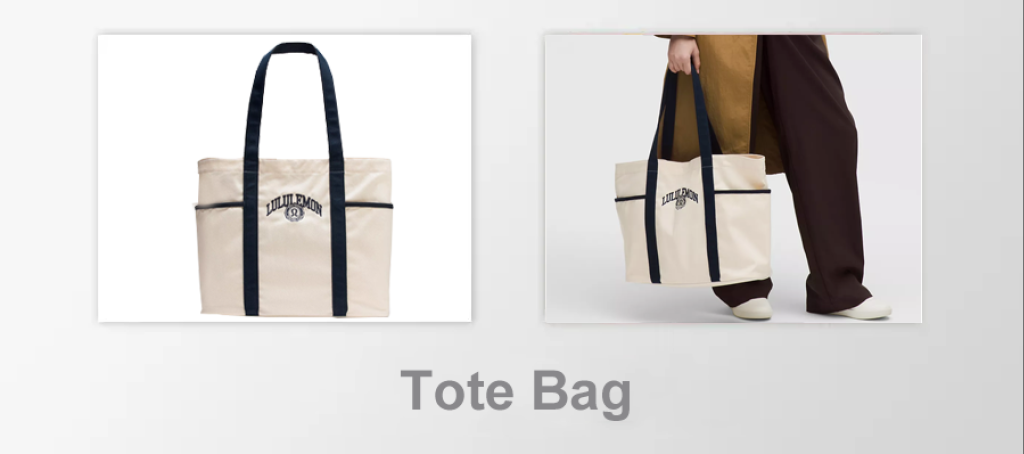
My Pro Insight: Tote bags look simple, but the handles are where 80% of failures happen. A tote handle under load generates enormous stress at the attachment point. If your factory only does a single line of stitching, the handle will rip off within 3 months of daily use.
Recommended Materials: For promotional totes, 12oz cotton canvas or 80gsm non-woven is standard. For retail-quality totes, upgrade to 16oz canvas or 600D polyester with PU coating. The material choice directly determines whether it’s a $0.50 giveaway or a $15 retail product.
The Pitfall: Reinforced handle attachment is non-negotiable. We "box-stitch" (a square with an X inside) every handle attachment point and extend the handle webbing 3 inches below the top seam for maximum strength.
3. Shoulder Bag
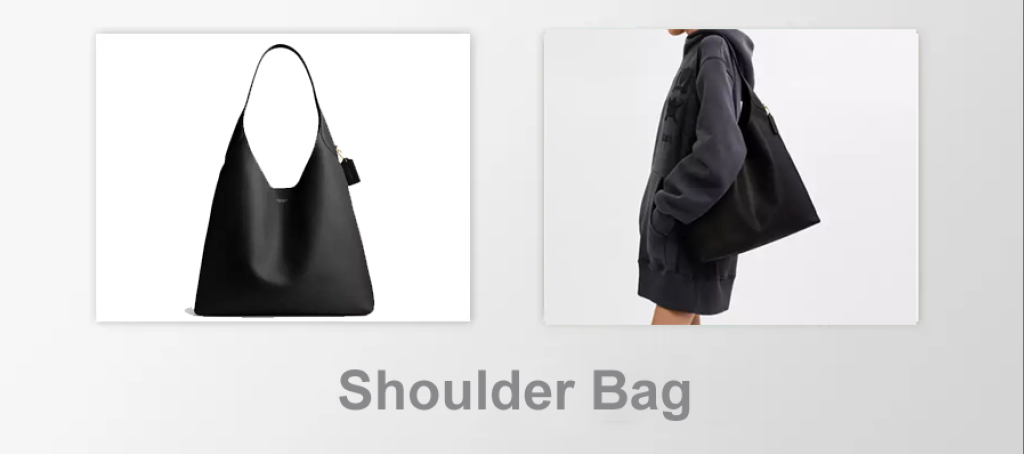
A shoulder bag features a single or double strap designed to be worn over the shoulder. It comes in various sizes and shapes, from compact to roomy, catering to different needs.
This bag is perfect for daily errands and office use, offering easy access to essentials while keeping your hands free. It’s a classic style that complements both casual and formal wear.
My Pro Insight: Tote bags look simple, but the handles are where 80% of failures happen. A tote handle under load generates enormous stress at the attachment point. If your factory only does a single line of stitching, the handle will rip off within 3 months of daily use.
Recommended Materials: For promotional totes, 12oz cotton canvas or 80gsm non-woven is standard. For retail-quality totes, upgrade to 16oz canvas or 600D polyester with PU coating. The material choice directly determines whether it’s a $0.50 giveaway or a $15 retail product.
The Pitfall: Reinforced handle attachment is non-negotiable. We "box-stitch" (a square with an X inside) every handle attachment point and extend the handle webbing 3 inches below the top seam for maximum strength.
4. Crossbody Bag
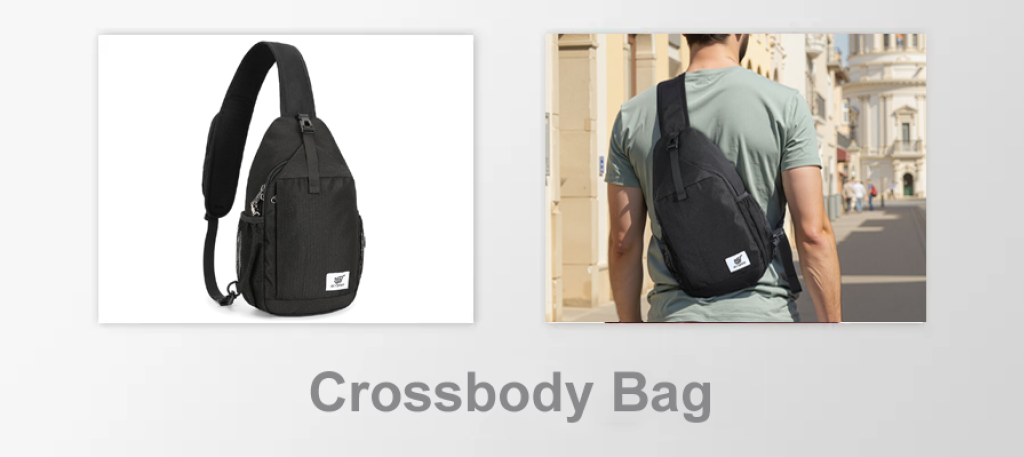
Crossbody bags have a long strap worn diagonally across the body, providing security and convenience. They are usually compact but cleverly designed to hold essentials like phones, wallets, and keys.
Ideal for travel and busy days out, crossbody bags keep your belongings close and your hands free, making them a practical and stylish choice for all ages.
My Pro Insight: The crossbody strap width matters enormously. Anything under 25mm will cut into the shoulder under even moderate load. We default to 38mm straps with a shoulder pad on all crossbody designs — it’s a small cost that dramatically improves comfort perception.
5. Clutch
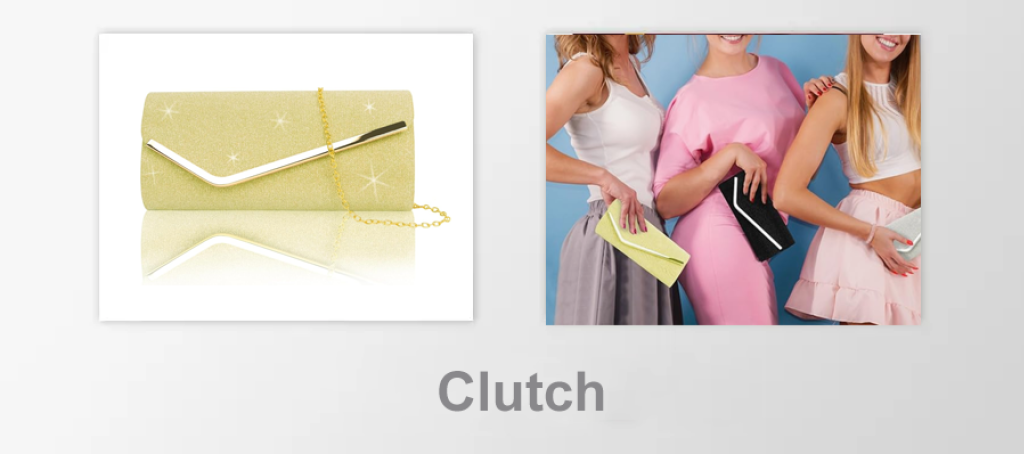
A clutch is a small, frameless bag designed to be held in the hand or tucked under the arm. Most clutches have detachable straps that let you convert them to a shoulder or crossbody bag. It’s the go-to bag for formal events and evenings out.
Clutches are often embellished with decorative elements like beads, sequins, or metallic hardware, adding glamour. They hold just the essentials — phone, lipstick, cards — making them purpose-built for occasions where you want to travel ultra-light.
Manufacturing note: Clutches are one of the most labor-intensive bag types per unit due to the precision required in hardware placement and embellishment alignment. Low-volume, high-margin — ideal for boutique brand orders.
6. Satchel
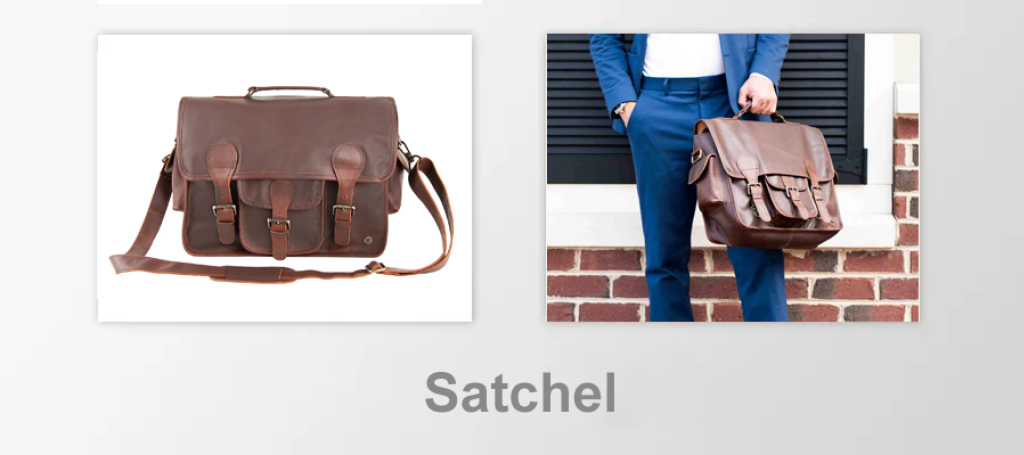
A satchel, much like a messenger bag, is a horizontally rectangular bag with a single strap designed for casual use. You can wear it across your body or over your shoulder.
Satchels also feature a small handle, allowing them to be carried like a briefcase. However, if the bag is full, it’s more comfortable to wear it with the strap.
These bags often evoke an academic or professorial aesthetic due to their generous capacity for items like books, a laptop, notes, and documents. They are versatile and can be used as a school, college, or work bag, or even for short travels if you have a more compact version.
My Pro Insight: The flap closure is both the satchel’s signature feature and its most common failure point. Magnetic snap closures look elegant but pop open if the bag is overstuffed. For durability, we recommend a tuck-lock or twist-lock mechanism — it stays shut under pressure while still being easy to open with one hand.
7. Backpack
Backpacks are bags with two straps worn on the back, designed to distribute weight evenly. They come in various sizes and styles, from sporty to chic.
Perfect for students, travelers, and commuters, backpacks offer hands-free convenience and ample storage. Modern designs also cater to fashion-conscious users, making them a versatile everyday choice.
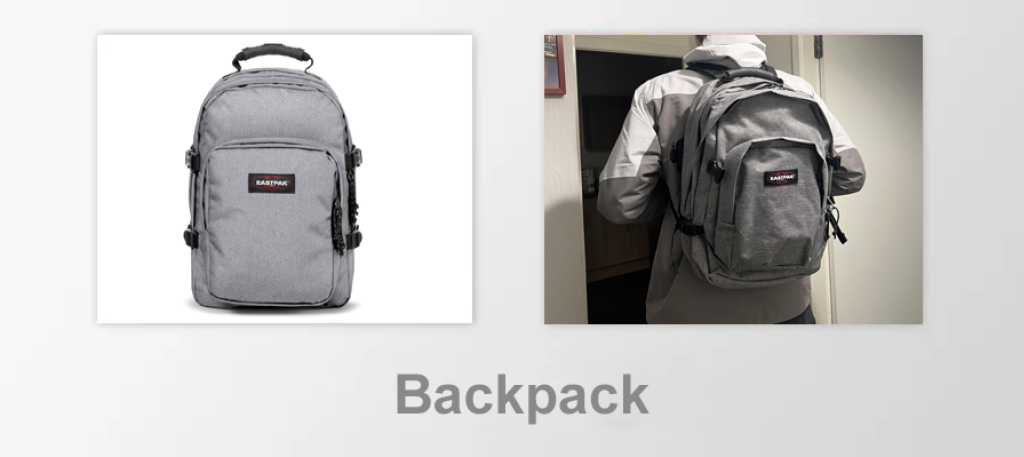
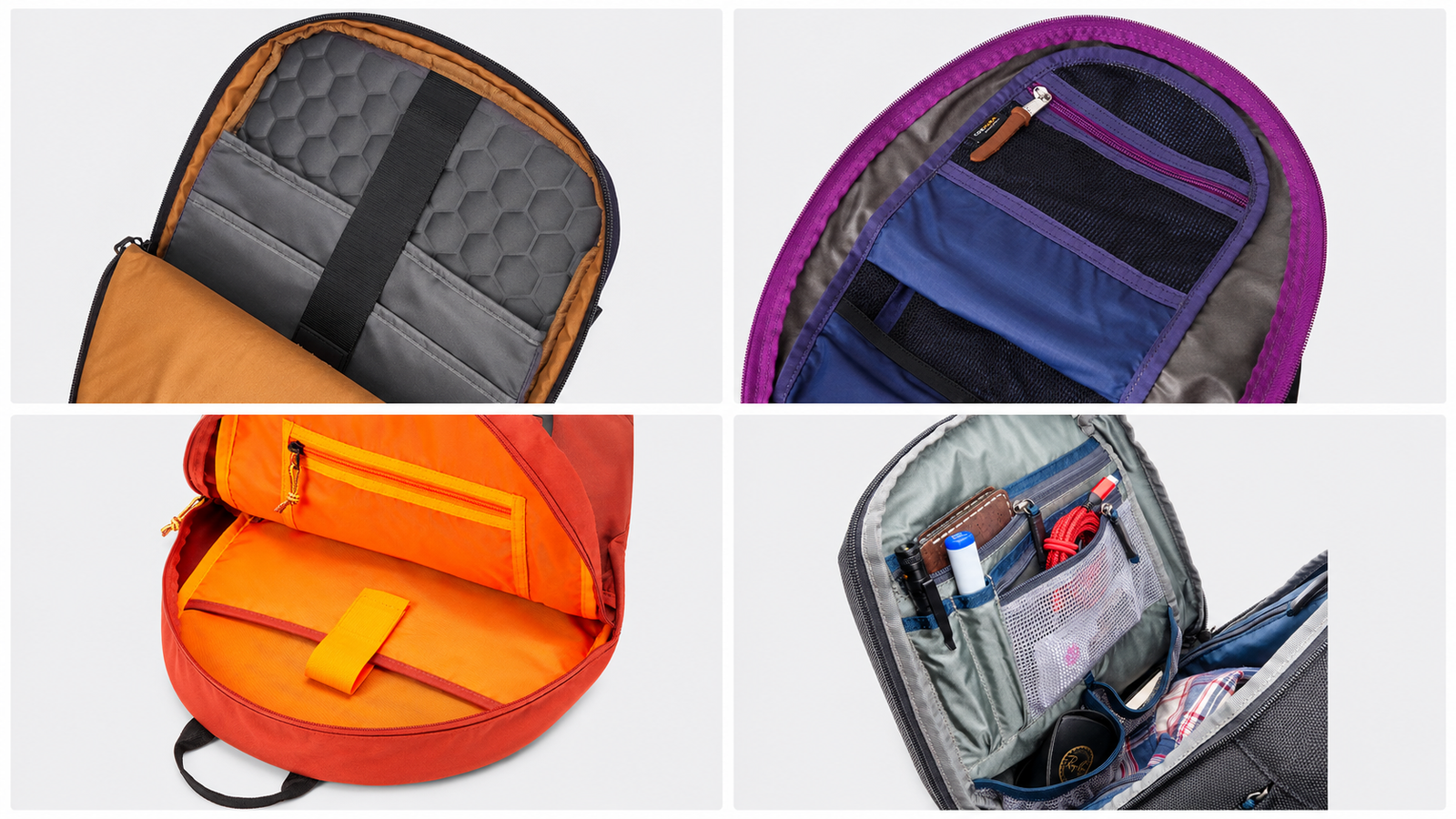
My Pro Insight: A backpack is only as good as its back panel. In 2026, if you aren’t offering ergonomic 3D mesh ventilation, you’re losing to the big brands. Want to go deeper? We’ve broken down all 33 different types of backpacks — from daypacks to tactical packs — with material specs and use cases for each style.
Recommended Materials: For premium durability, it’s Cordura. For the "Eco-conscious" B2B market, rPET (900D) is the only way to go. More suggestions: What Is the Most Durable Backpack Material?
The Technical Difficulty: The "S-curve" shoulder strap attachment. Most cheap factories sew them flat. We use a reinforced "angle-stitch" so the bag hugs the body without the straps twisting under 10kg loads.
Forget the basic "school bag" look. For 2025-2026, the market is moving toward "Hybrid Commuters"—bags that look like a professional tote but carry like a technical backpack. That’s where the high margins are—but to accurately project your ROI, you need to understand the factory-level pricing. If you are planning a new product line, browse our custom backpacks — we manufacture hybrid commuter styles with MOQ from 300 pcs.
8. Duffel Bag
A duffel bag is a large, cylindrical bag with sturdy handles and sometimes a shoulder strap. Originally used by athletes, it’s now popular for travel and gym use.
Duffel bags provide generous space for clothes, shoes, and gear, making packing easy and efficient. Their durable construction withstands heavy use, perfect for weekend trips or workouts.
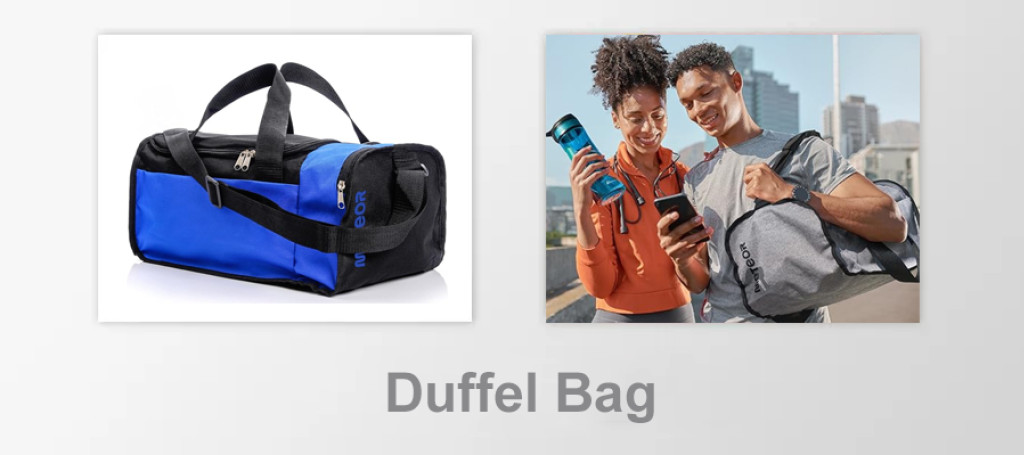
My Pro Insight: The biggest lie in the industry is that any fabric works for a duffel. Because these get thrown, dragged, and overstuffed, the tensile strength of the seams is more important than the fabric itself.
Load-bearing Structure: Wrap-around handles. If the handle straps don’t go all the way under the bottom of the bag, the fabric will eventually "smile" (develop a curved rip) at the attachment points. We always run the webbing under the base for 100% security.
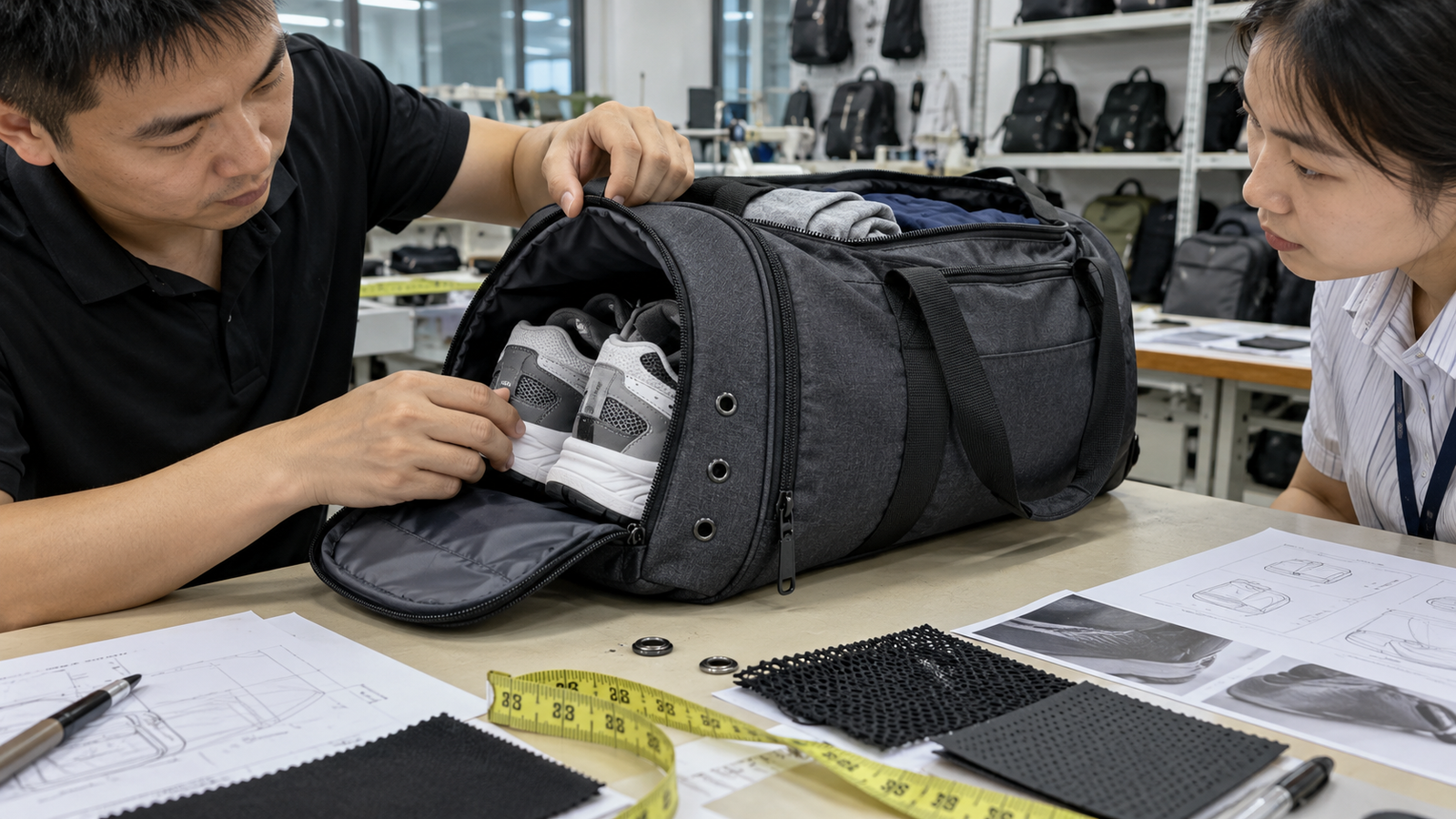
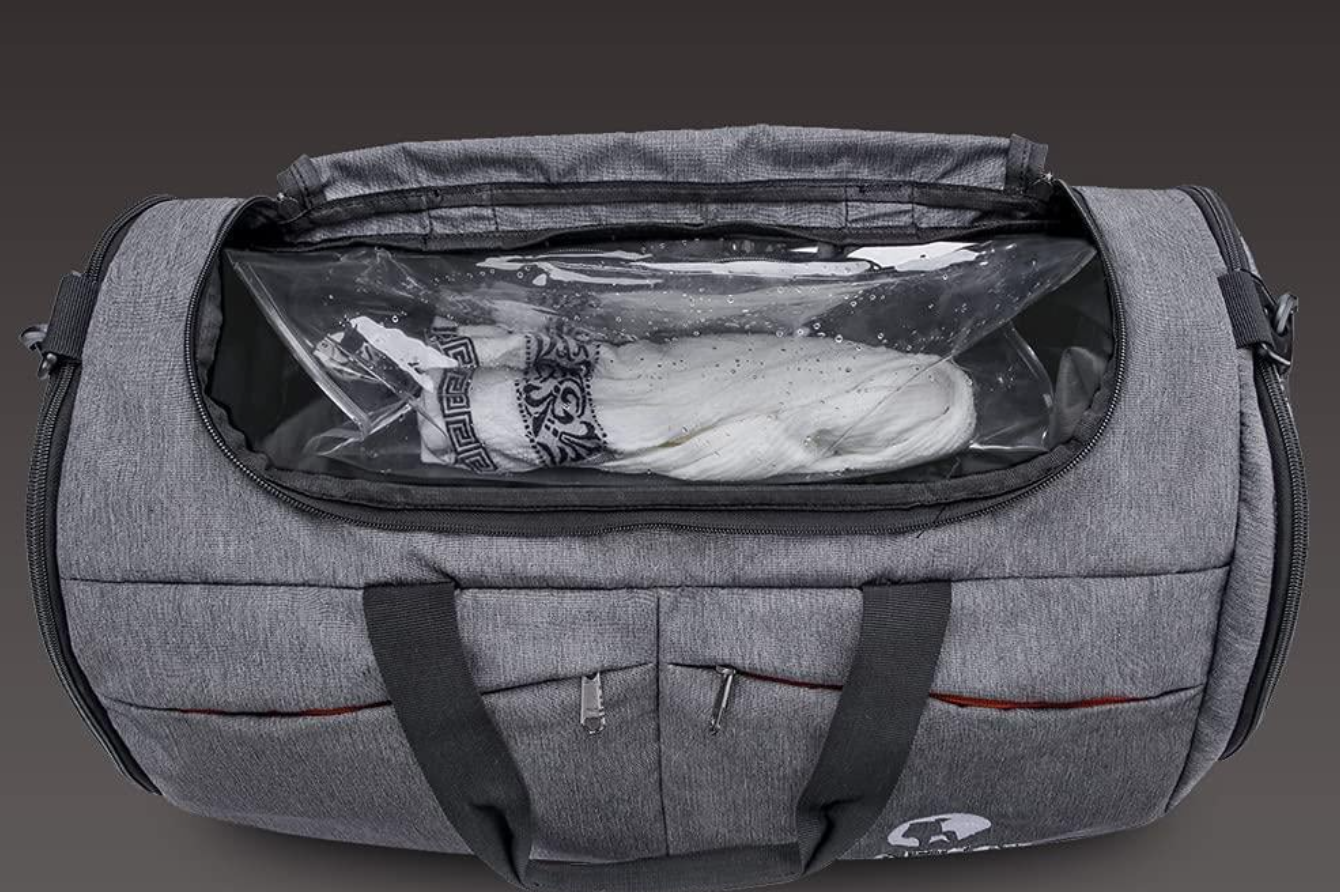
My Subjective Stance: Stop making "just a big hole." B2B buyers want a "Work-to-Gym" hybrid. Add a ventilated shoe compartment and a wet/dry pocket. It turns a boring $10 bag into a $35 high-perceived-value product.
Want to explore different designs? Check out our complete types of duffle bags style guide.
Or if you are ready to source, browse our custom duffel bags — we manufacture hybrid commuter styles with MOQ from 300 pcs.
9. Hobo Bag
The hobo bag is a crescent-shaped, slouchy bag with a long strap designed to wear over the shoulder. It offers a relaxed, bohemian vibe.
Its soft structure allows it to mold to your body, making it comfortable to carry. Hobo bags are great for casual outings and pair well with laid-back styles.
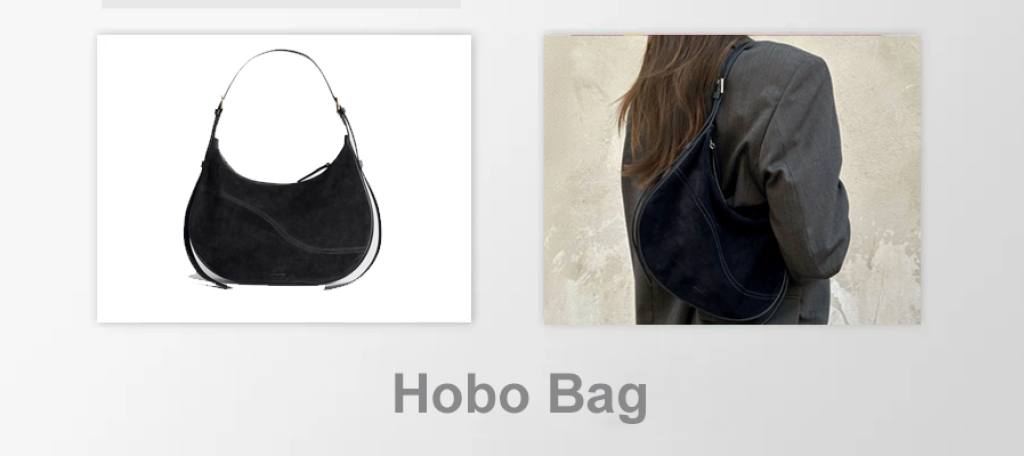
Manufacturing note: The slouchy shape means there’s no internal frame — the bag’s silhouette depends entirely on the material’s natural drape. Stiffer fabrics (like Cordura) don’t work here. Soft PU leather or genuine leather with minimal lining produces the best result.
10. Briefcase
A briefcase is a rigid, rectangular bag designed to carry documents, laptops, and business essentials. It often features a handle and sometimes a shoulder strap.
Ideal for professionals, the briefcase exudes sophistication and professionalism. It keeps your belongings organized and protected, perfect for meetings and office use.
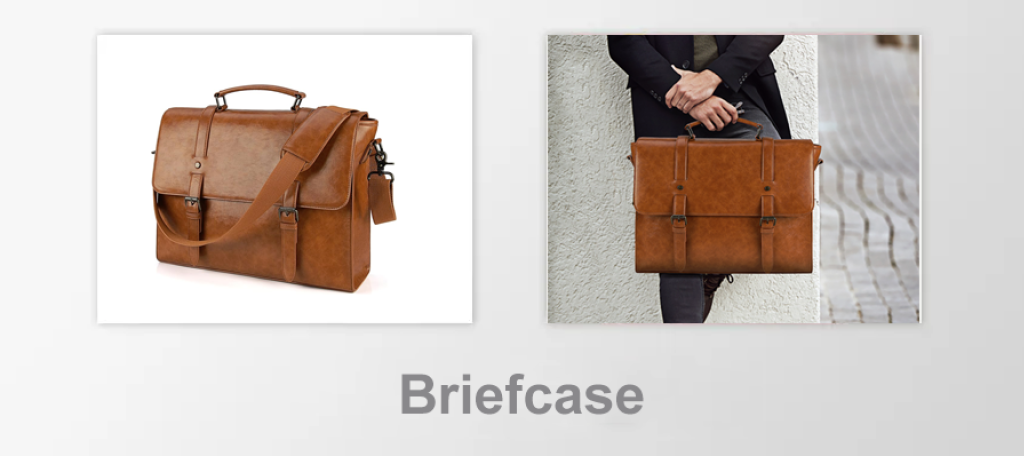
My Pro Insight: The internal laptop compartment is now mandatory, not optional. Any briefcase without a padded, suspended sleeve for a 15" laptop is unsellable in 2026. We also recommend a trolley sleeve on the back panel so it can slide onto rolling luggage at the airport.
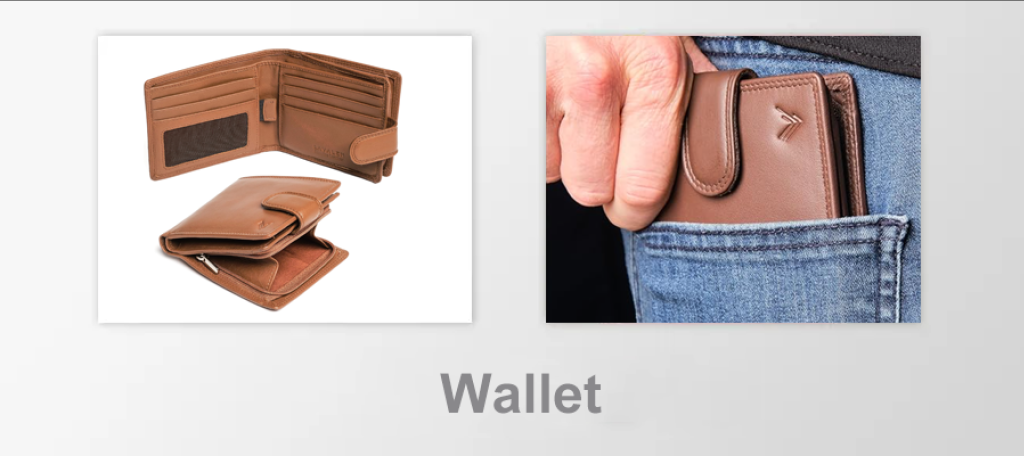
11. Wallet
A wallet is a compact, essential accessory designed to organize and carry cash, credit cards, identification, and sometimes coins. Wallets come in a variety of styles, including bi-fold, tri-fold, zip-around, and minimalist cardholders, catering to different preferences and needs.
Wallets are indispensable for daily life, offering a secure and convenient way to keep your valuables in one place. Some wallets include RFID-blocking technology to protect against electronic theft. Whether you prefer a slim wallet that fits into your pocket or a larger one that fits inside your handbag, wallets combine functionality with style, often crafted from leather, fabric, or synthetic materials.
12. Coin Purse
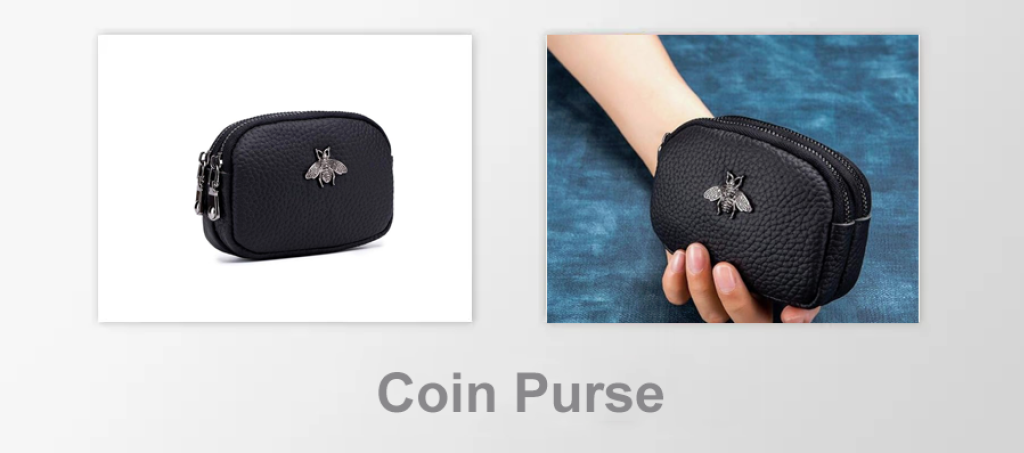
A coin purse is a small pouch designed primarily to hold loose change but can also store small items like keys or jewelry. Usually equipped with a zipper, snap, or clasp closure, coin purses keep coins organized and prevent them from scattering inside larger bags.
Despite its modest size, a coin purse is a practical accessory that adds convenience to everyday life. It is often carried inside a larger handbag or pocket but can also be used independently for quick errands. Available in various materials and designs, coin purses can be both functional and fashionable.
13. Fanny Pack / Belt Bag
The fanny pack, also known as a belt bag, is a small pouch worn around the waist with an adjustable strap. Originally popular in the 1980s and 1990s, it has made a major comeback as a trendy and practical accessory.
Fanny packs are perfect for hands-free convenience, especially during travel, festivals, or outdoor activities. They provide quick access to essentials like phones, wallets, and keys while securely fitting close to the body. Modern designs range from sporty nylon to luxurious leather, making them versatile for both casual and fashion-forward looks.
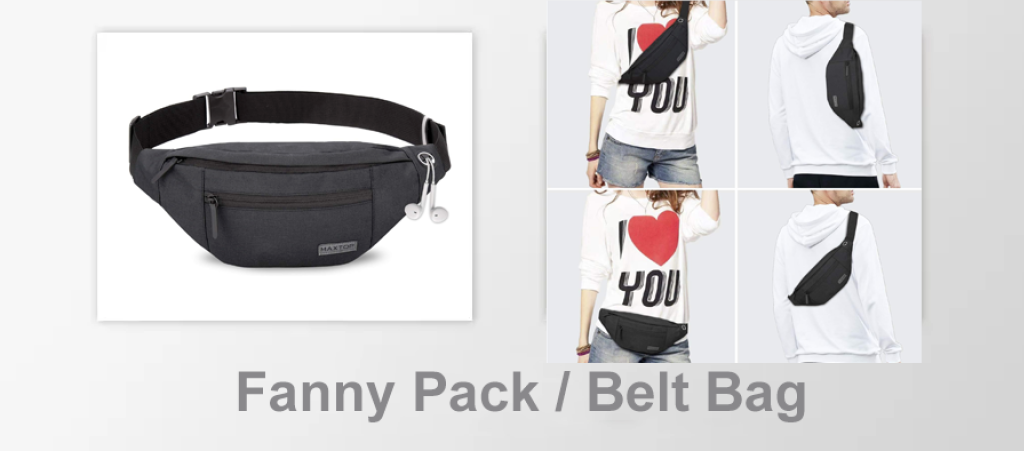
Recommended Materials: 420D Diamond Ripstop for that tech-wear look, or a buttery-soft Vegan Leather (PU) for the "luxe" market. Both need a high-density webbing strap—nothing looks cheaper than a thin, flimsy strap.
My Subjective Stance: The "waist" pack is now a "crossbody" pack. If your design doesn’t have an extra-long adjustable strap to fit over a heavy winter hoodie, you’re missing 50% of the market. Oh, and add a hidden "passport pocket" on the back panel—it’s the #1 feature buyers ask for right now.
14. Pouch
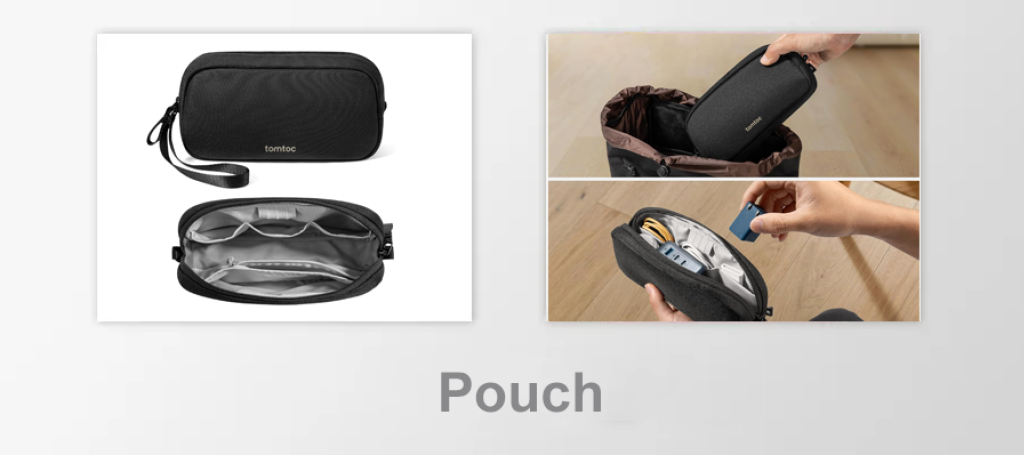
A pouch is a simple, unstructured bag often used to store cosmetics, small gadgets, or personal items. Its compact size and soft construction make it easy to slip inside larger bags or carry alone for minimalists.
Pouches are highly versatile and can be used for organizing items within a handbag, such as makeup, chargers, or stationery. Some pouches come with wrist straps, allowing them to double as a clutch for quick trips. Their lightweight and flexible nature make pouches an essential accessory for daily organization.
Manufacturing note: Pouches have some of the highest margins in the bag industry relative to material cost. A well-designed pouch set (3 sizes) with matching prints can retail for $15–25 while costing under $3 to produce. For brand owners, they make excellent add-on products.
15. Weekender Bag
A weekender bag is a medium to large-sized bag designed for short trips or weekend getaways. It offers ample space for clothes, toiletries, and other essentials, combining style with practicality.
Typically made from durable materials like leather, canvas, or nylon, weekender bags often feature sturdy handles and sometimes detachable shoulder straps for comfortable carrying. Their roomy interiors and organized compartments make packing easy and efficient. Ideal for spontaneous trips, they strike a balance between luggage and everyday handbag.
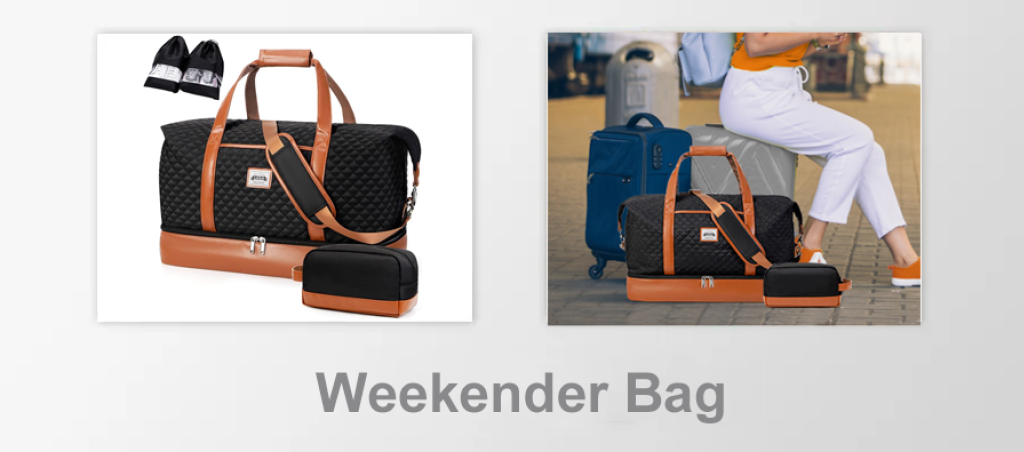
My Pro Insight: A Weekender is the "bridge" between a suitcase and a duffel. It has to stand up on its own. A saggy Weekender looks like a laundry bag. We use heavy-duty internal piping and a 1.5mm PE board base to keep that sharp, rectangular silhouette even when it’s empty.
Recommended Materials: 16oz Waxed Canvas or a high-denier Ballistic Nylon. If you’re going for luxury, the "bottom" must be reinforced with a wipeable material (like textured PVC or leather) because these bags get tossed onto dirty airport floors.
My Subjective Stance: Stop over-complicating the inside. Give me one massive main compartment and one "quick-access" pocket for a Kindle or passport. People use Weekenders because they want to go fast—don’t slow them down with 20 tiny mesh pockets.
16. Luggage / Suitcase
Luggage or suitcases are large, structured bags designed specifically for long-distance travel. They come in hard-shell or soft-shell varieties, often equipped with wheels and telescoping handles for easy transport.
Suitcases provide organized compartments for clothes, shoes, and travel essentials, with some featuring expandable sections for extra capacity. Modern luggage often includes security features like TSA-approved locks and durable materials to withstand rough handling. They are indispensable for frequent travelers seeking convenience and protection for their belongings.
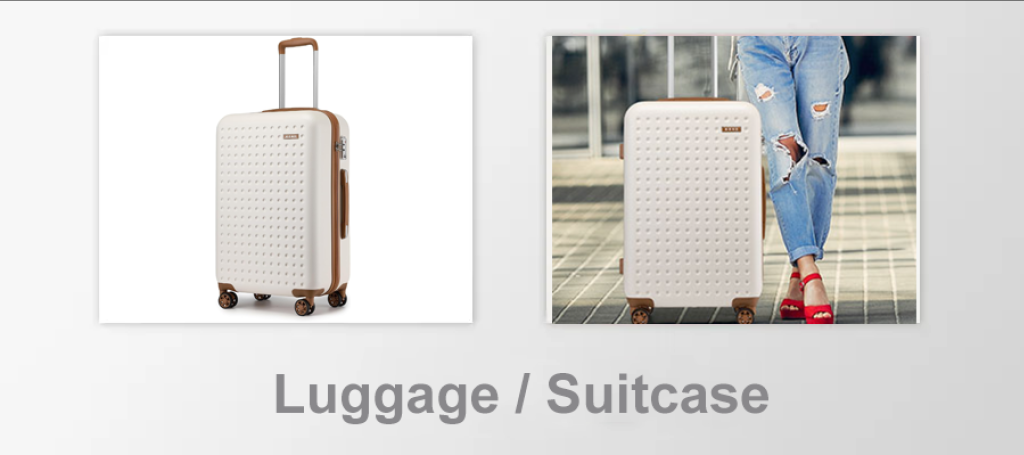
My Pro Insight: The #1 failure point on any suitcase is the wheel assembly. Cheap riveted wheels break after a few airport trips. Quality suitcases use bolt-through wheel housings with replaceable wheels — a detail that costs $2 more per unit but prevents catastrophic failure on a trip.
17. Carry-on Bag
Carry-on bags are sized to meet airline cabin baggage regulations (typically 22 × 14 × 9 inches / 56 × 36 × 23 cm), allowing passengers to bring them onboard without checking luggage.
They come as rolling suitcases, backpacks, or duffels. Their design maximizes space within strict size constraints — every cubic centimeter matters. For detailed airline size limits, see our carry-on backpack size guide.
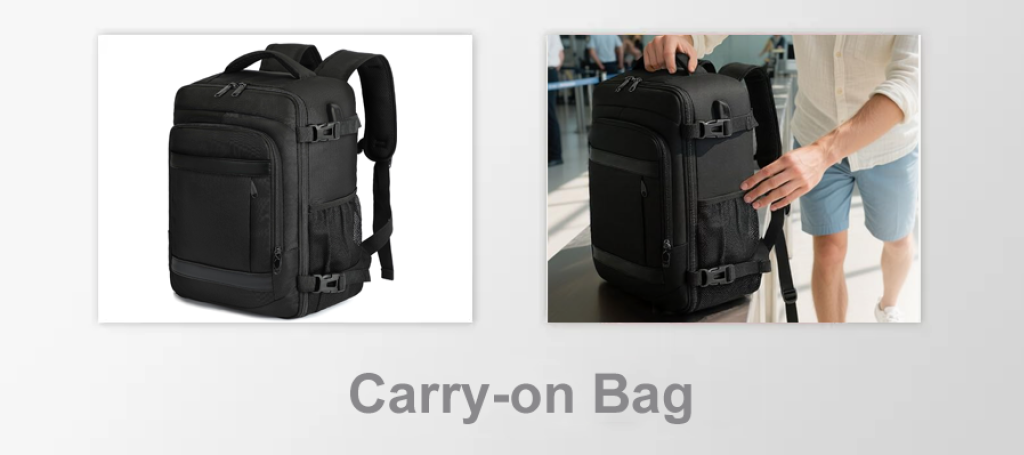
My Pro Insight: Budget airlines (Ryanair, Spirit, EasyJet) enforce significantly smaller dimensions than full-service carriers. If you’re manufacturing carry-on bags for the global market, design for the most restrictive airline’s limits — a bag that fits Ryanair’s rules fits everywhere.
18. Diaper Bag
A diaper bag is a highly functional bag designed to carry baby essentials such as diapers, wipes, bottles, and extra clothes. It typically features multiple compartments and pockets for organization.
Diaper bags are often made from durable, easy-to-clean materials and include insulated sections to keep bottles warm or cool. Many modern designs blend practicality with style, allowing parents to carry them comfortably without sacrificing fashion. They are essential for parents on the go, making outings with babies more manageable.
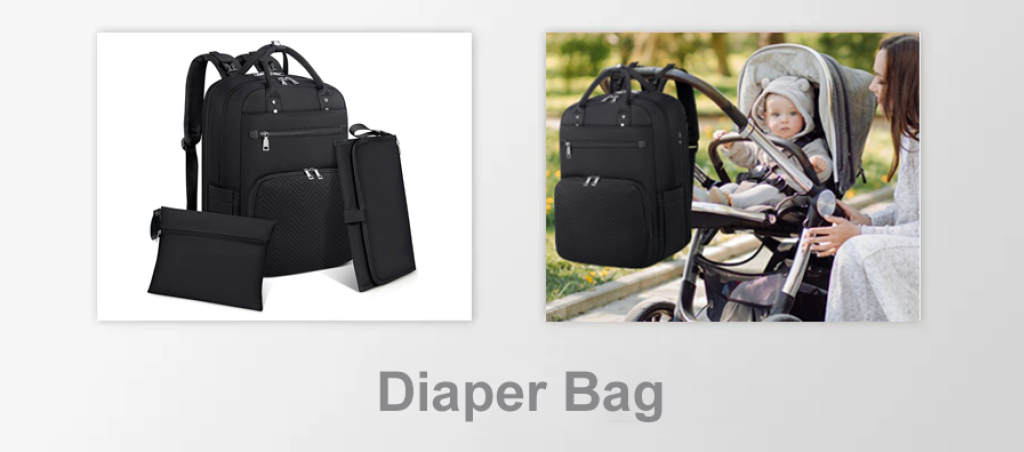
My Pro Insight: A diaper bag isn’t a bag; it’s a mobile workstation. If it doesn’t have "one-hand access," it’s a failure in the eyes of a parent.
The Technical Difficulty: Thermal pocket integration. Most factories just slap some foil inside. We use 5mm high-density pearl cotton coupled with aluminum film to maintain temperature for 4+ hours.
The Pitfall: Ignoring the lining material. It must be wipeable (TPU or high-grade Nylon). If a bottle leaks and the bag smells, the product is ruined.
My Subjective Stance: Stop making them look like "baby bags." The most successful brands right now are ordering diaper bags that look like high-end leather fashion bags or rugged tactical gear.

19. Cosmetic Bag / Makeup Bag
Cosmetic or makeup bags are small, portable bags designed to store and organize beauty products and toiletries. They come in various sizes and shapes, often featuring waterproof linings to protect against spills.
These bags help keep makeup essentials accessible and tidy, whether at home or during travel. Some cosmetic bags have compartments or elastic loops to hold brushes and tools securely. Their compact design makes them easy to carry inside larger handbags or luggage.
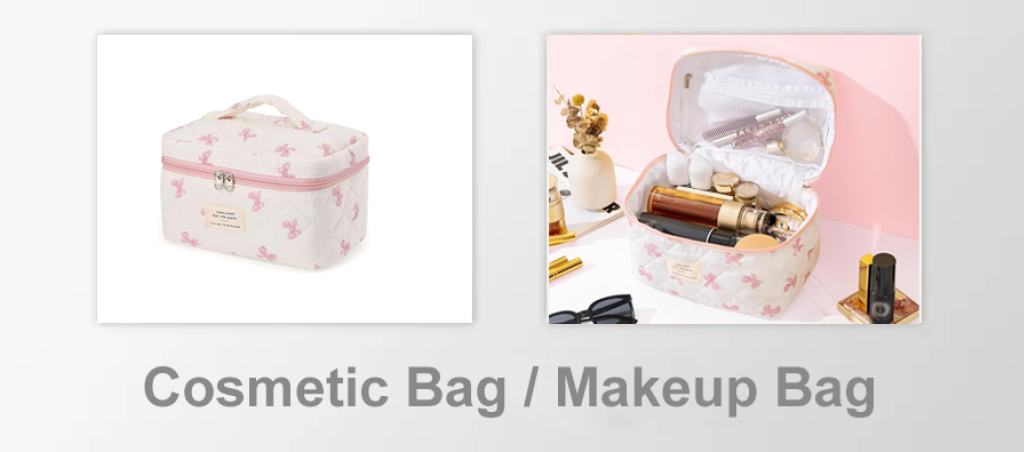
My Pro Insight: The waterproof lining is everything. We use a seamless PEVA or TPU lining that’s heat-welded (not stitched) to prevent leaks. Stitched linings create needle holes that become leak points within weeks of use. This is the single biggest quality differentiator in cosmetic bags.
20. Laptop Bag / Sleeve
Laptop bags and sleeves protect laptops and tablets from scratches, impacts, and everyday wear — but they serve two different users:
Sleeve — a slim protective layer that slides inside a larger bag. Minimal, lightweight, ideal for corporate gifting or as an add-on product.
Laptop bag — a standalone carrier with its own pockets, straps, and organizational system. The stronger choice as a primary everyday SKU.
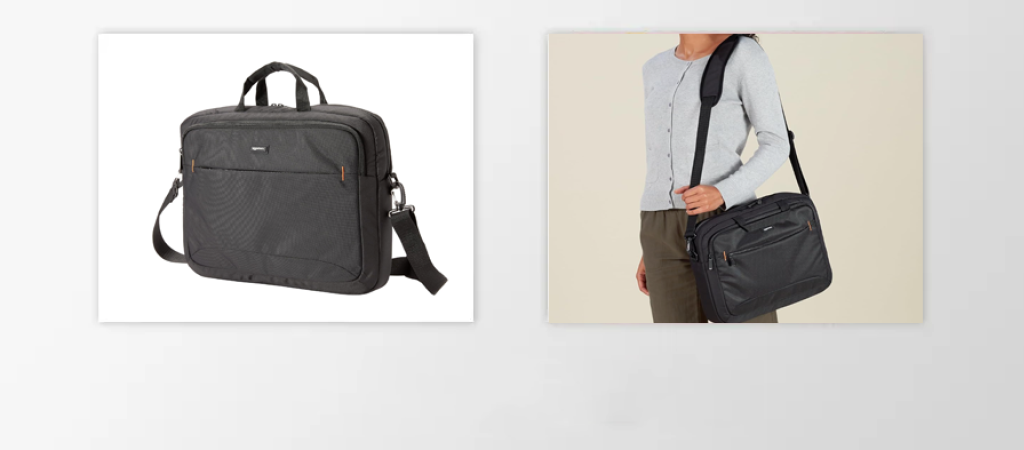
Not sure which fits your product line? Laptop Sleeve vs. Laptop Bag — a complete comparison
The most critical structural detail: the floating compartment
The padded sleeve must sit 1–2 inches above the bag’s base — never touching the bottom. When the bag hits the ground, the frame absorbs the impact, not your customer’s $1,000+ device. We call it a false bottom — nearly zero added manufacturing cost, and the clearest quality signal a buyer can spot in 10 seconds.
What to specify when sourcing
For sleeves: Neoprene is the standard — passive shock absorption, snug fit, prevents shifting inside a larger bag.
For structured bags: 600D polyester with PE foam padding is the workhorse spec. Step up to 1680D ballistic nylon or Cordura for a premium positioning.
Interior lining: Must be brushed tricot or soft velvet-like polyester. Rough linings scratch the laptop chassis within weeks and become a return reason.
Size labeling: Never spec by screen diagonal alone. "Fits 15-inch laptops" is meaningless — modern footprints vary significantly by brand. Always specify interior pocket dimensions in millimeters and verify against the top 3–4 laptops in your target market before finalizing production.
B2B opportunity
Branded laptop sleeves deliver some of the highest perceived value relative to production cost in the entire bag category — retail $25–40, produce under $8 at 500 pcs. Daily office and café visibility means constant brand exposure for your client. Lower MOQ, simpler construction, and faster turnaround than a full backpack make this a strong entry product for tech or professional brands.
Do you need both a laptop sleeve and a laptop backpack?
Ready to source? Custom laptop backpack catalog — suspended sleeves, ballistic nylon options, full custom branding from 300 pcs.
21. Camera Bag
Camera bags are specially designed with padded compartments to protect cameras, lenses, and accessories. They often feature customizable dividers to keep equipment organized and secure.
These bags provide quick access to gear, making them essential for photographers on the move. Many camera bags also include weather-resistant materials and straps for comfortable carrying during shoots or travel.
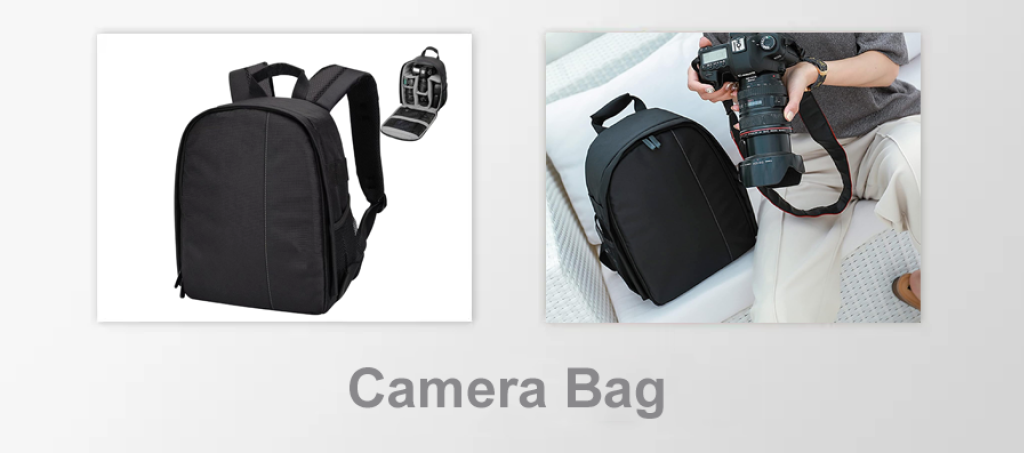
My Pro Insight: Camera bags are one of the most technically demanding soft goods to produce. The interior padding needs to be rigid enough to prevent lens-to-lens contact but soft enough to absorb vibration. We use dual-density EVA foam — a harder outer layer for structure and a softer inner layer for cushioning. Single-density foam either fails to protect or creates a bag too stiff to close properly.
22. Gym Bag
Gym bags are durable, spacious bags designed to carry workout clothes, shoes, towels, and accessories. They often feature ventilated compartments to keep gear fresh and separate from clean items.
Made from water-resistant or easy-to-clean materials, gym bags are practical for fitness enthusiasts. Their sturdy construction and multiple pockets help organize essentials, making gym visits more convenient.
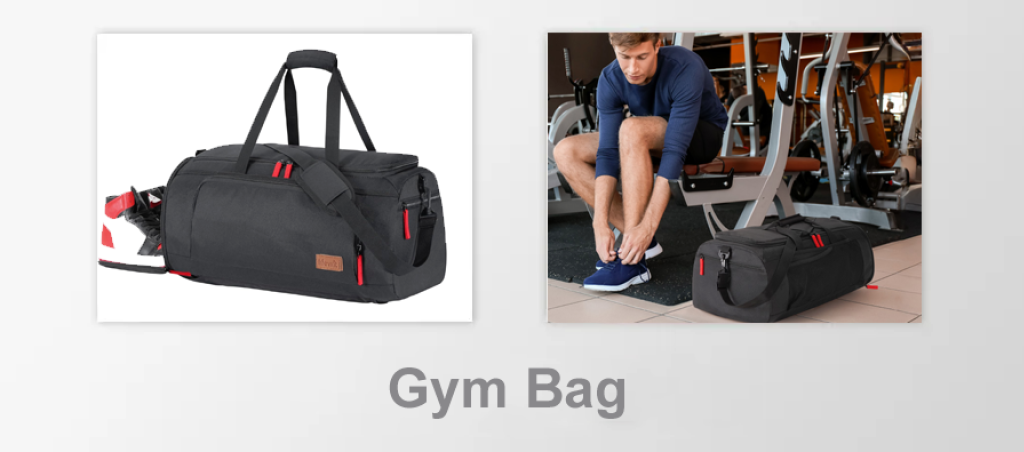
My Pro Insight: Let’s be real: Gym bags get gross. The #1 manufacturing failure is moisture trapped in the lining. If your factory isn’t "seam-sealing" the shoe compartment, the smell of sweaty sneakers will migrate to the clean clothes in the main section.
Recommended Materials: Antibacterial-treated 210D Lining. For the exterior, 900D rPET (recycled polyester) is a huge winner with the "healthy lifestyle" crowd. It’s tough, eco-friendly, and easy to wipe down.
The Technical Difficulty: Shoe Compartment Ventilation. Those two tiny metal eyelets you see on most bags? They do nothing. We integrate laser-cut mesh panels that allow actual airflow without letting dirt out. It costs more, but it’s the only way to prevent "locker-room funk."
The Pitfall: Mesh pocket quality. Most factories use cheap "mosquito net" mesh that rips the first time a water bottle is shoved in. We use power-stretch nylon mesh—it’s the same stuff used in high-end hiking packs.
Most guys want a bag they can take into a boardroom at 9 AM and a CrossFit box at 5 PM. Before locking in your spec, see how the full category breaks down: 11 types of gym bags and what makes each one different.
23. Beach Bag
Beach bags are large, often waterproof or quick-drying bags designed to carry towels, sunscreen, swimwear, and other beach essentials.
They are typically lightweight and easy to clean, with open or zippered tops for convenience. Many beach bags feature vibrant colors and patterns, adding a fun, casual vibe perfect for sunny outings.
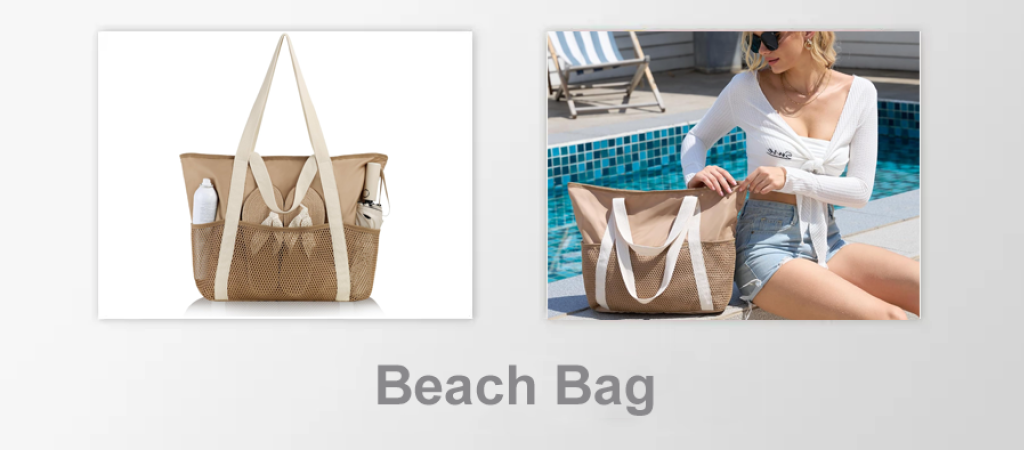
My Pro Insight: The #1 design mistake on beach bags is using a fully enclosed bottom. Sand collects inside and never comes out. We add small drainage grommets on the bottom corners — a simple detail that makes the bag infinitely more practical. Mesh beach totes solve this problem entirely but sacrifice privacy for belongings.
24. Shopping Bag / Reusable Bag
Shopping bags or reusable bags are eco-friendly alternatives to disposable plastic bags. Made from durable materials like canvas, cotton, or nylon, they are designed to carry groceries and everyday purchases.
These bags fold compactly for easy storage and are washable, promoting sustainability. Their sturdy construction allows them to hold heavy items, making them a practical choice for environmentally conscious consumers.
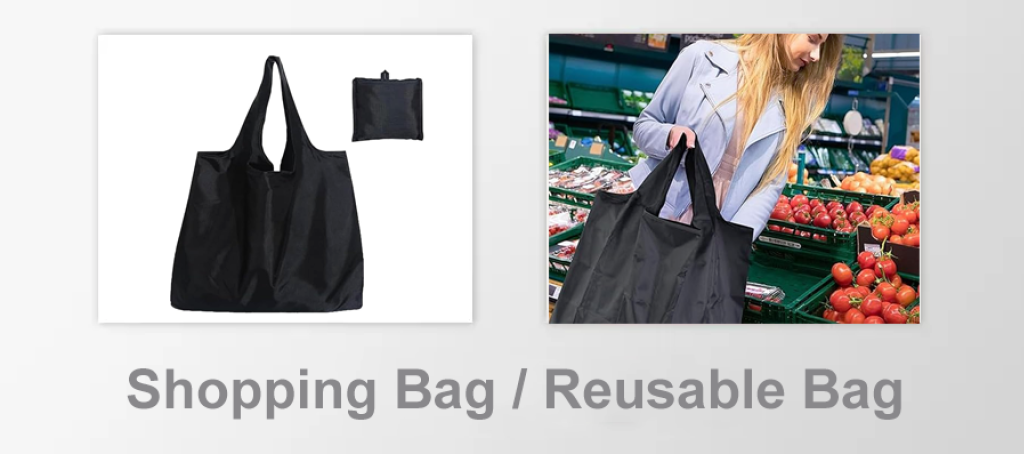
My Pro Insight: For B2B promotional orders, the handle length is the overlooked detail that determines whether people actually use the bag. Handles that are too short can’t go over a shoulder. We default to 26-inch drop handles — long enough for comfortable shoulder carry with a winter coat, which is when people need the bag most.
25. Book Bag
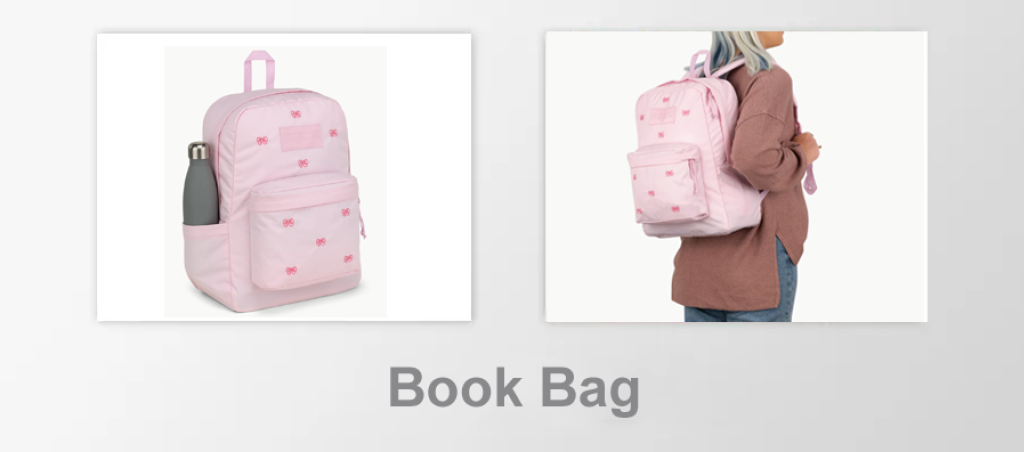
Book bags are designed to carry books, notebooks, and school supplies. They often resemble backpacks but can vary in style and size.
Ideal for students and avid readers, book bags provide ample space and comfortable straps for carrying heavy loads. Some designs include additional compartments for laptops and stationery, combining utility with comfort.
Manufacturing note: "Book bag" and "school backpack" are often used interchangeably in the US market. For B2B sourcing, the key difference is that "book bag" orders tend to be for simpler, lower-cost designs (ideal for promotional or institutional use), while "school backpack" orders expect more features and higher quality materials.
26. Bowling Bag
Bowling bags are rounded, structured handbags inspired by vintage bowling ball carriers. They offer a stylish alternative to traditional handbags with enough space for essentials.
Their unique shape and sturdy construction make them eye-catching accessories, suitable for casual or semi-formal occasions. Bowling bags often feature top handles and detachable straps for versatile carrying options.
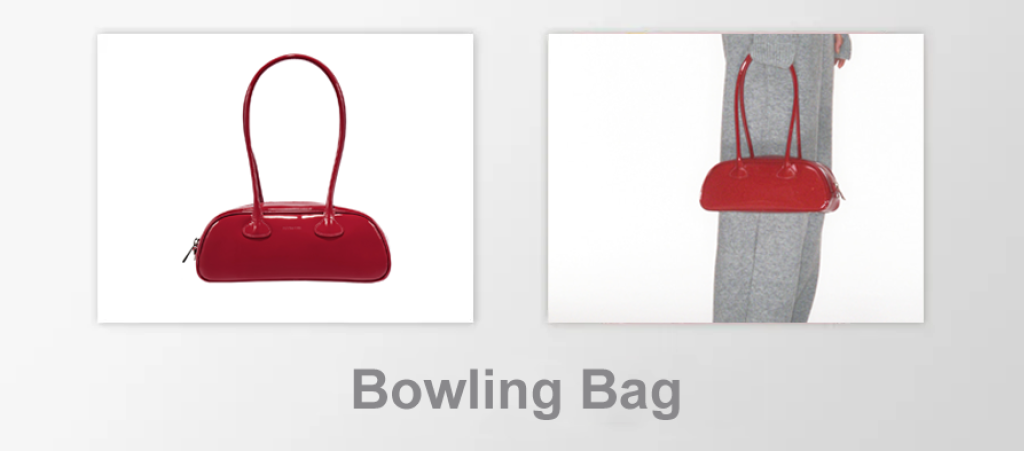
Manufacturing note: The structured dome shape requires a rigid internal frame (typically PE board or buckram) to maintain its silhouette. Without proper internal support, the bag collapses after a few uses and looks like a deflated balloon — a common issue with low-cost production.
27. Medical Bag
A medical bag, often called a med kit or first-aid kit, is basically a portable bag full of supplies for when someone gets hurt or sick.
Think bandages, antiseptic wipes, pain relievers, and sometimes even more specialized stuff like splints or EpiPens. It’s what doctors, paramedics, or even just regular folks keep handy to deal with emergencies, big or small, on the go.
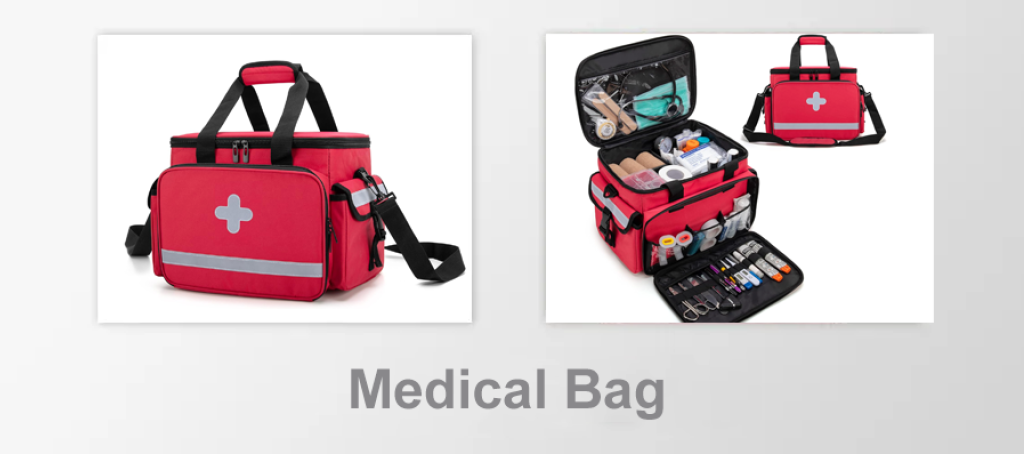
My Pro Insight: Medical bags require the highest level of internal organization of any bag type — every item must have a designated, labeled pocket so the user can find it blindfolded in a crisis.
We use color-coded interior panels (red for critical items, yellow for bandaging, green for medications) to enable instant visual identification. The exterior must be made from wipeable, antimicrobial materials (TPU-coated 1000D nylon is standard) because these bags regularly contact blood and other bodily fluids.
28. Delivery Bag
A delivery bag is basically a special bag, often insulated, that folks use to haul food, groceries, or other items from a store or restaurant right to your doorstep.
Think of it as a mobile mini-fridge or oven that keeps your pizza hot or your ice cream cold while it’s on its way to you. They come in all shapes and sizes, from big backpacks for food couriers to larger boxes for grocery deliveries.
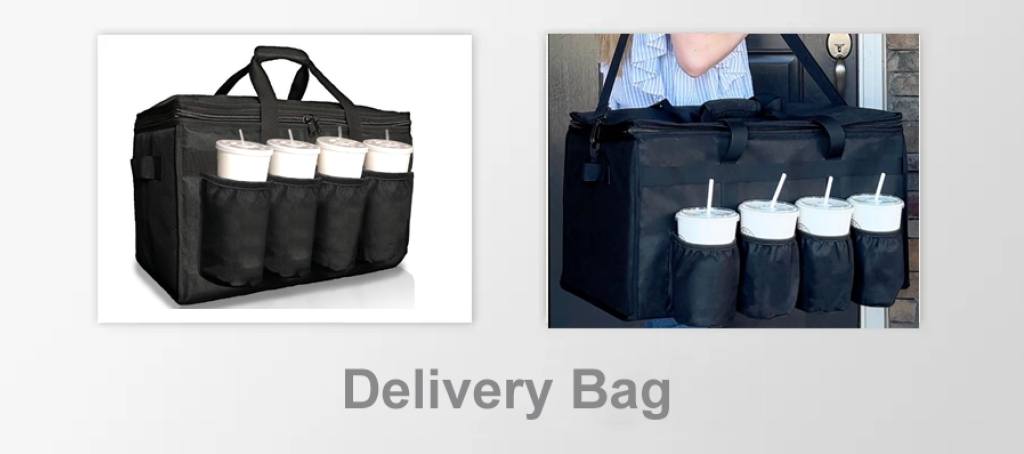
My Pro Insight: The delivery bag market has two tiers: disposable-grade bags for small restaurants (non-woven with foil lining, <$2), and professional-grade bags for delivery platforms (600D Oxford with 8mm EPE foam insulation + PEVA lining, $8–15).
The key specification for both is thermal retention time — a professional delivery bag must maintain temperature for at least 45 minutes. We test this by placing a 70°C water container inside and measuring heat loss over time.
29. Toiletry Bag / Dopp Kit
A toiletry bag (called a Dopp kit in North America) is a portable bag designed to hold personal hygiene items during travel — toothbrush, toothpaste, shampoo, deodorant, razor, and similar essentials.
Quality toiletry bags feature waterproof or water-resistant linings (critical for containing leaks), a hanging hook for hotel bathroom use, and multiple compartments to keep items organized and accessible.
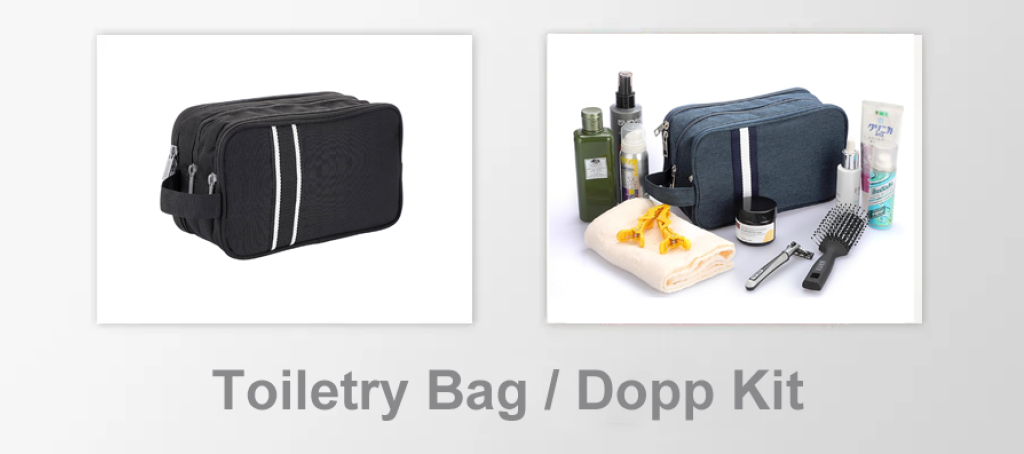
My Pro Insight: The #1 customer complaint on toiletry bags is leaking — a shampoo bottle cap loosens during flight pressure changes, and suddenly everything is covered in gel. The solution is a heat-welded PEVA or TPU inner lining with no stitch holes. Stitched linings always fail eventually. We also add a dedicated "wet pocket" with drainage holes for soap or wet razors.
30. Wristlet
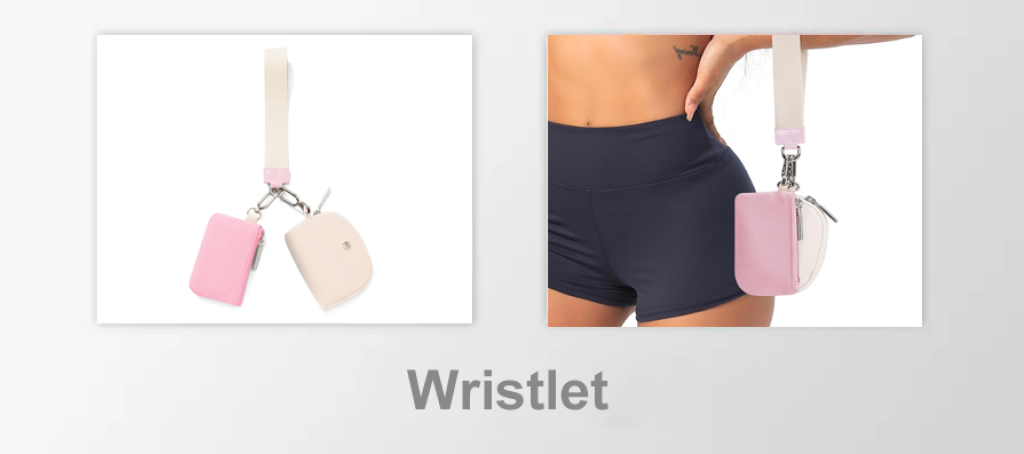
Wristlets are small bags with a strap designed to be worn around the wrist, offering convenience and security.
They are ideal for carrying essentials such as cards, cash, and phones when you want to travel light. Wristlets are perfect for quick errands or evenings out, combining function and style.
31. Drawstring Bag
Drawstring bags close at the top with a cord or string and are usually lightweight and casual. They are popular for gym use, casual outings, or as simple carryalls.
Their simple design allows for easy access and quick closure, making them practical for carrying light loads. Drawstring bags are often made from fabric or nylon, suitable for everyday use.
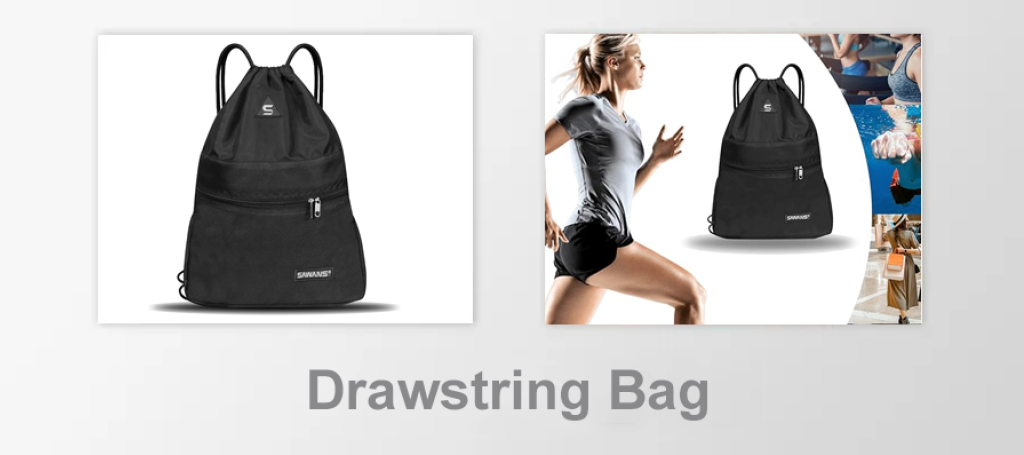
My Pro Insight: Drawstring bags are the gateway product for many B2B clients — low MOQ, low cost, fast production. But there’s a critical detail most buyers miss: the grommet. Cheap drawstring bags use a raw fabric hole for the cord, which frays and tears within weeks. We install metal or reinforced plastic grommets at every cord exit point. It adds $0.03 per unit and triples the bag’s lifespan.
32. Garment Bag
Garment bags are large, flat bags designed to carry suits, dresses, or other clothing without wrinkling. They often feature handles and a fold-over design for easy transport.
Ideal for business travelers and special occasions, garment bags protect your clothes during transit. Some models include extra pockets for shoes and accessories, enhancing their functionality.
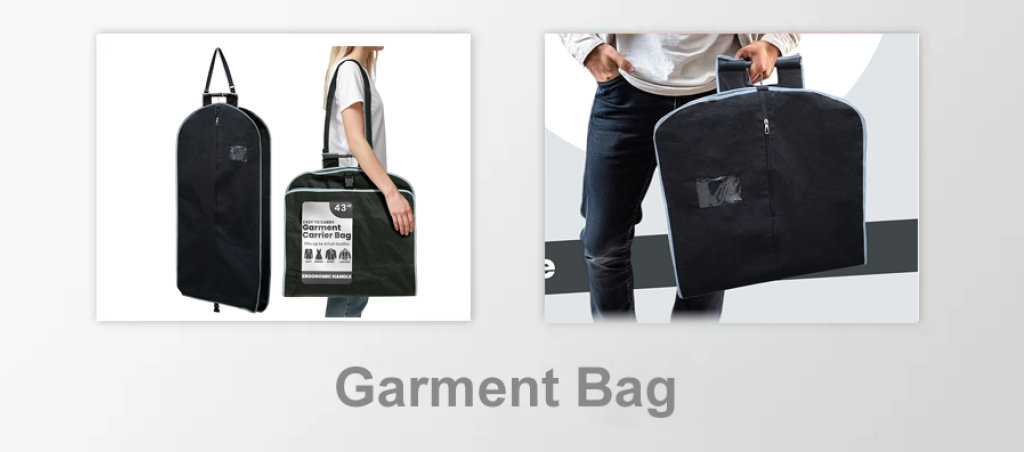
My Pro Insight: The most common garment bag failure is the fold crease — the point where the bag folds in half for carrying. Cheap bags put the fold directly across the chest area of a suit jacket, creating a permanent crease.
We position the fold point at the waist of the garment and add a padded "crease guard" strip at the fold line. This one detail is the difference between a $10 garment bag and a $40 one.
33. Tool Bag
Tool bags are rugged, durable bags with multiple compartments designed to carry tools and hardware. They are essential for tradespeople and DIY enthusiasts.
Constructed from heavy-duty materials, tool bags provide organized storage and easy access to tools. Many feature reinforced handles and shoulder straps for comfortable carrying on the job.
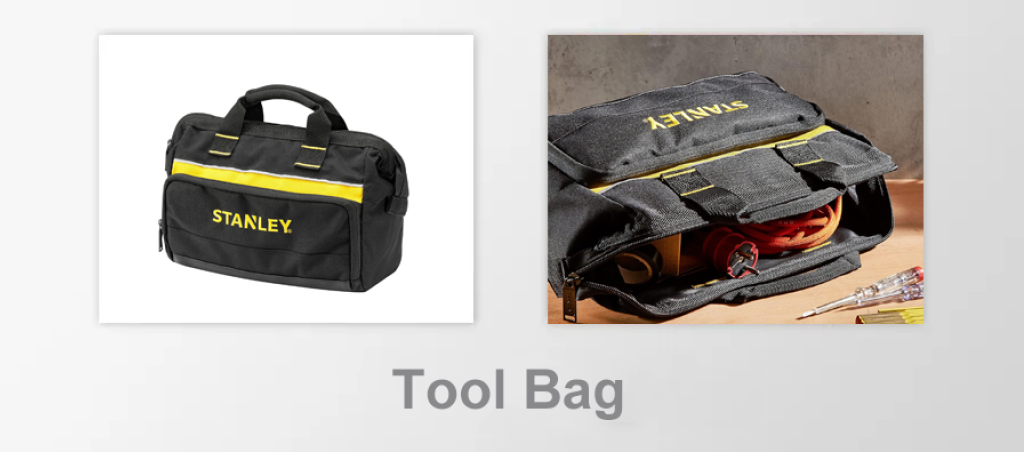
My Pro Insight: Tool bags take more abuse than any other bag type. The base must be reinforced with a molded rubber or heavy PE board bottom — tools are heavy, and a soft base will sag and eventually rip through.
We also reinforce every pocket opening with bound nylon tape to prevent fraying. The material must be 1680D ballistic nylon minimum; anything less will wear through at the corners within 6 months on a construction site.
34. Grocery Bag
A grocery bag is a container, typically made of paper, plastic, or durable reusable materials (like cloth or jute), used by shoppers to carry purchased items, primarily groceries, from a store.
They range from single-use disposable options to sturdy, multi-use bags designed to reduce waste.
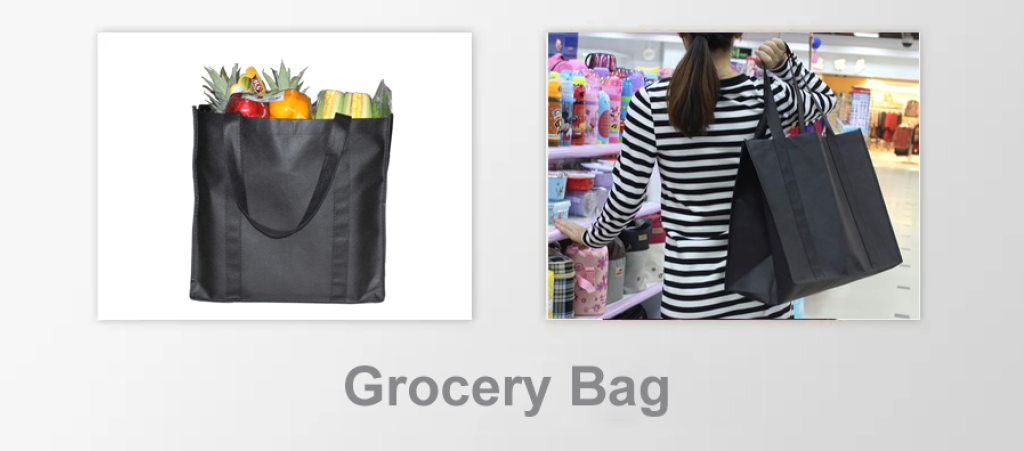
Manufacturing note: For B2B orders, the key metric is "weight capacity" — how many kilograms the bag can hold before the handles fail. Standard non-woven bags handle 5–8 kg; reinforced canvas or woven polypropylene bags handle 15–20 kg. Always test with wet goods (milk cartons, produce) because moisture weakens some materials.
35. Dry Bag
Dry bags are waterproof bags designed to keep contents dry in wet environments. Popular among outdoor enthusiasts, they protect gear during activities like kayaking, hiking, or beach trips.
Made from durable, water-resistant materials, dry bags seal tightly with roll-top closures. They are essential for anyone needing to safeguard belongings from water damage.
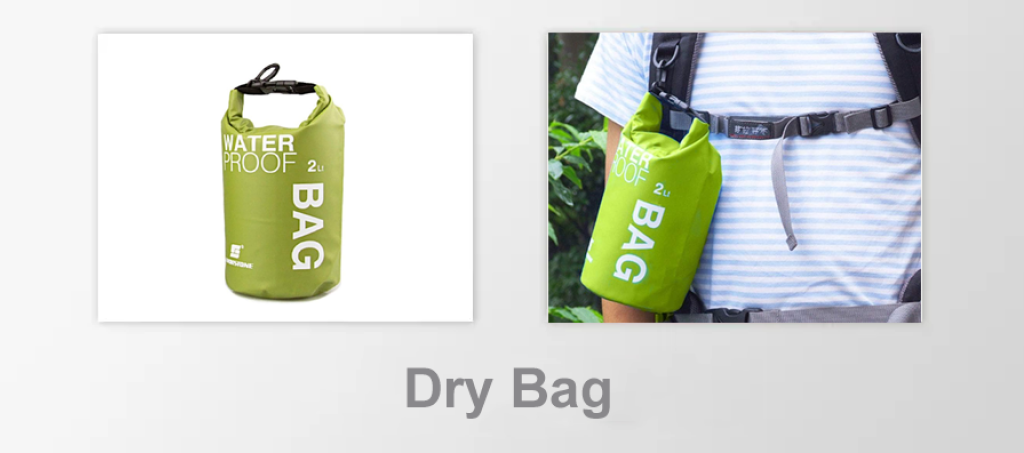
My Pro Insight: "Water-resistant" and "waterproof" are not the same thing. Most bags marketed as "waterproof" are actually water-resistant — they handle light rain but not submersion. True waterproof dry bags require RF-welded (radio frequency welded) seams, not stitched seams.
Every stitch hole is a potential leak point. If your supplier says a stitched bag is "waterproof," they’re lying. Always ask for a hydrostatic pressure test result (minimum 10,000mm water column for true waterproof performance).
36. Car Organizer
A car organizer is basically a handy gadget or bag that helps you keep all the bits and bobs in your car neat and tidy. Instead of stuff rolling around on your floor or seats, these organizers give everything a dedicated spot.
They come in all sorts of shapes and sizes, from ones that hang on the back of a seat for kids’ toys to console inserts for your phone and keys, or even trunk organizers for groceries and gear.
It’s all about making your car less of a mess and more functional!
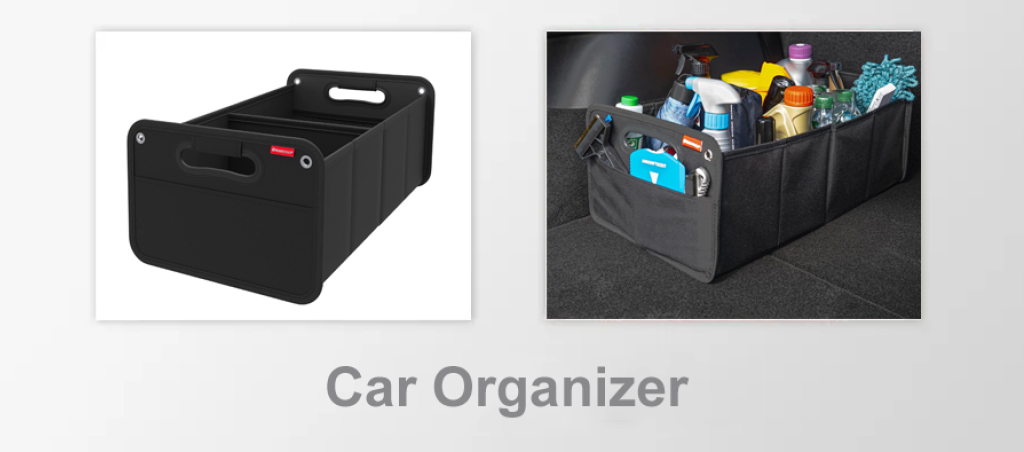
My Pro Insight: Most car organizers are flimsy garbage that collapses the first time you turn a corner. A "Pro" organizer needs to feel like a piece of furniture for your trunk.
Recommended Materials: 600D Oxford with PVC backing for the outer shell to give it "body." For the base, don’t use cardboard! It warps. Use 3.0mm PE (Polyethylene) boards. They are waterproof and won’t smell like a damp basement.
The Pitfall: Ignoring the "Slip Factor." A car organizer that slides around the trunk is useless. We add anti-slip Velcro strips or rubberized "shark-skin" pads to the bottom. It’s a tiny cost that proves you actually thought about the user.
My Subjective Stance: Forget the cheap $2 promotional organizers. There is a massive gap in the market for "Premium Executive" organizers—think vegan leather accents and insulated grocery compartments. Target the SUV/Family market with quality, not price.
37. Pet Bag
A pet bag is basically a carrier or a special bag designed to safely transport your furry (or scaly!) friend from one place to another.
Think of it as their own little travel pod. They come in all shapes and sizes, from small soft-sided carriers for cats and tiny dogs to bigger, more structured ones with wheels, all made to keep your pet secure and comfortable while you’re on the move, whether it’s just to the vet or on a longer trip.
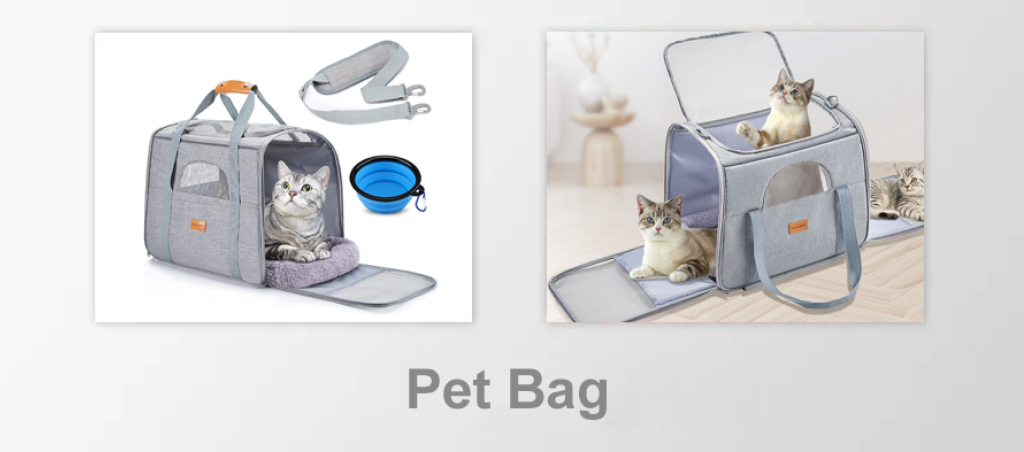
My Pro Insight: The #1 safety issue in pet bags is zipper failure — a panicked pet can push against a weak zipper and escape. We use double-pull YKK zippers with a secondary safety clip at the zipper junction. This adds $0.50 per unit but prevents the nightmare scenario of a pet escaping in an airport or on a busy street.
Also, the mesh windows must be tear-resistant — standard "mosquito net" mesh will shred under a cat’s claws in seconds. We use reinforced pet-grade mesh rated for 10kg of pulling force.
38. Net Bag
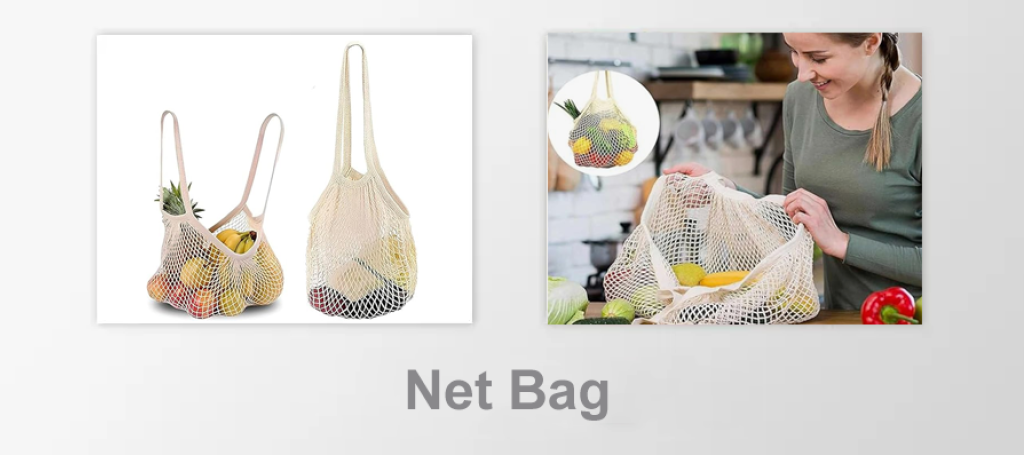
Net bags are lightweight, mesh-style bags ideal for carrying light items. They are eco-friendly, foldable, and easy to store.
Perfect for quick shopping trips or beach days, these bags combine practicality with a laid-back aesthetic. Their breathable design is also great for carrying produce.
39. Saddle Bag
A saddle bag (also commonly called a seat bag or seat pack) is a small bag designed to attach to the saddle rails and/or seatpost of a bicycle.
It typically hangs under the saddle. Saddle bags are commonly used to carry small essentials like a spare inner tube, tire levers, a patch kit, or a multi-tool, keeping them easily accessible and out of the way.
They come in various sizes, from minimalist designs for just the bare necessities to larger versions capable of holding extra clothing or food for longer rides.
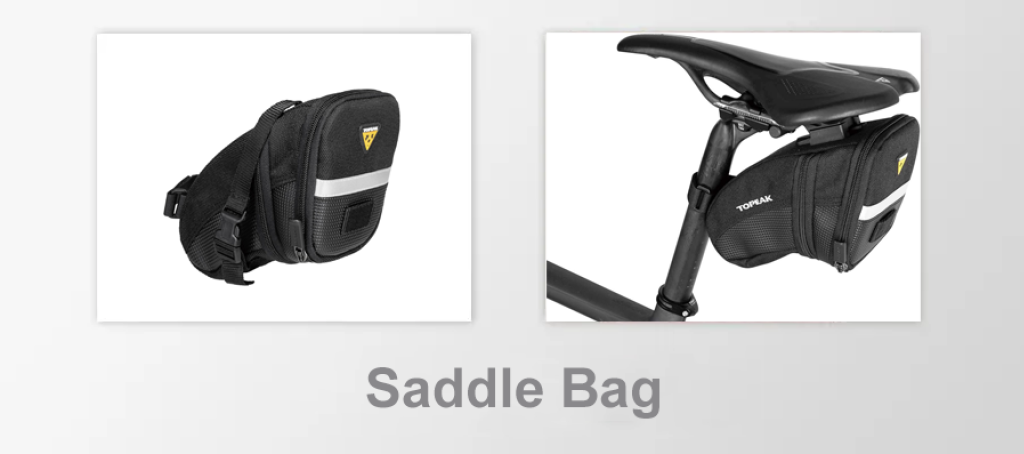
Manufacturing note: The mounting system is critical. Velcro-only attachments loosen over rough terrain and can drop the bag. Quality saddle bags use a combination of Velcro straps and rigid mounting clips that attach to saddle rails. For the bikepacking market, waterproofing (TPU welding) is essential.
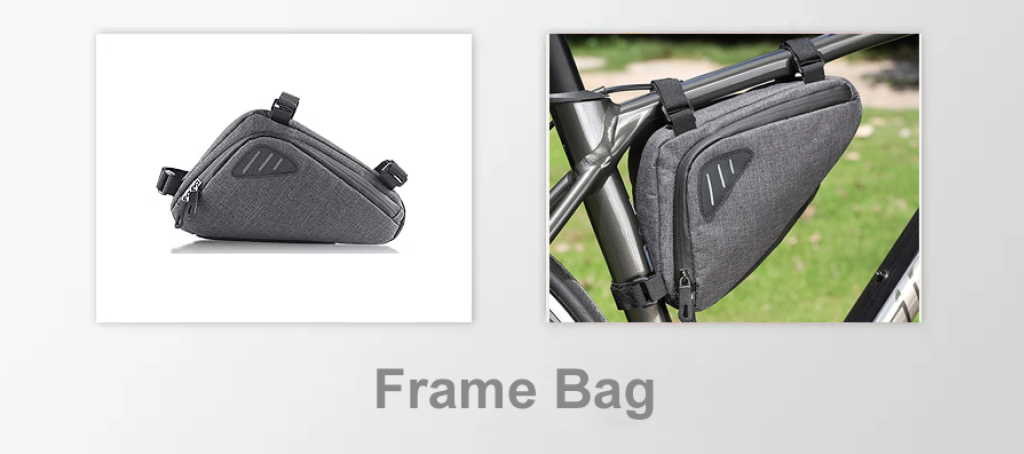
40. Frame Bag
A frame bag is a type of bicycle bag designed to fit within the main triangle of a bike frame. It typically attaches to the top tube, seat tube, and down tube using straps or bolts.
Frame bags are popular for carrying essential gear like tools, snacks, extra layers, or even hydration reservoirs, as they keep the weight centered and low, improving bike handling.
They come in various sizes and shapes to accommodate different frame geometries and carrying needs, making them a versatile accessory for touring, bikepacking, or daily commuting.
Manufacturing note: Unlike most bags where one size fits many users, frame bags are highly geometry-dependent — a bag designed for a large road bike frame won’t fit a small mountain bike frame. For B2B clients, we typically offer 3 sizes (S/M/L) or custom-cut patterns based on specific frame models. The material needs to be abrasion-resistant on the inner face (the side that contacts the frame) to avoid damaging the bike’s paint.
41. Jelly Bag
Jelly bags are made from transparent or translucent plastic materials, often colorful and playful. They are trendy and fun, perfect for casual outings or festivals.
Lightweight and easy to clean, jelly bags add a youthful vibe to your look. Their waterproof nature also makes them practical for rainy days or beach trips.
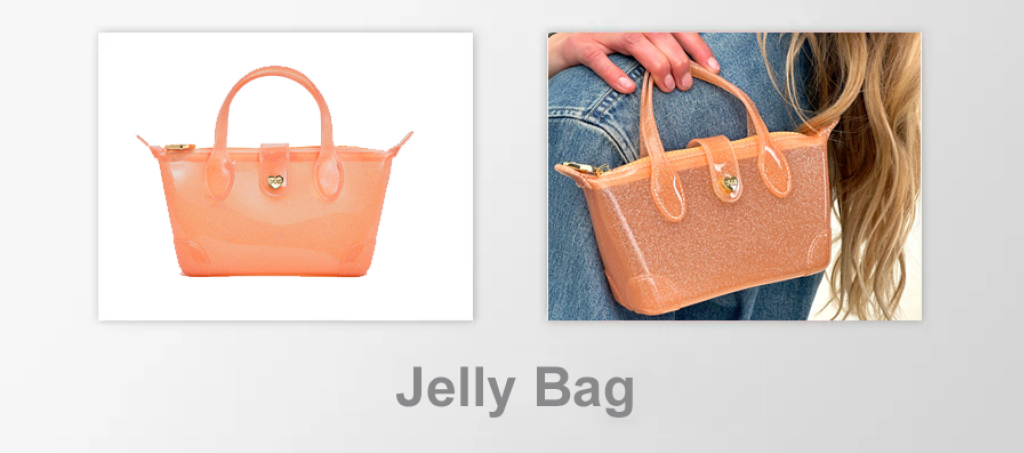
Manufacturing note: PVC jelly bags face increasing regulatory scrutiny due to phthalate content (restricted under EU REACH and US CPSIA). For brands selling in Europe or the US, ensure your manufacturer uses phthalate-free PVC or switch to TPU, which is naturally phthalate-free and more durable.
42. Quilted Bag
Quilted bags feature padded, stitched patterns, often associated with luxury brands. They combine sophistication with comfort and timeless style.
These bags are versatile, suitable for both casual and formal occasions. Their textured design adds depth and elegance to any outfit.
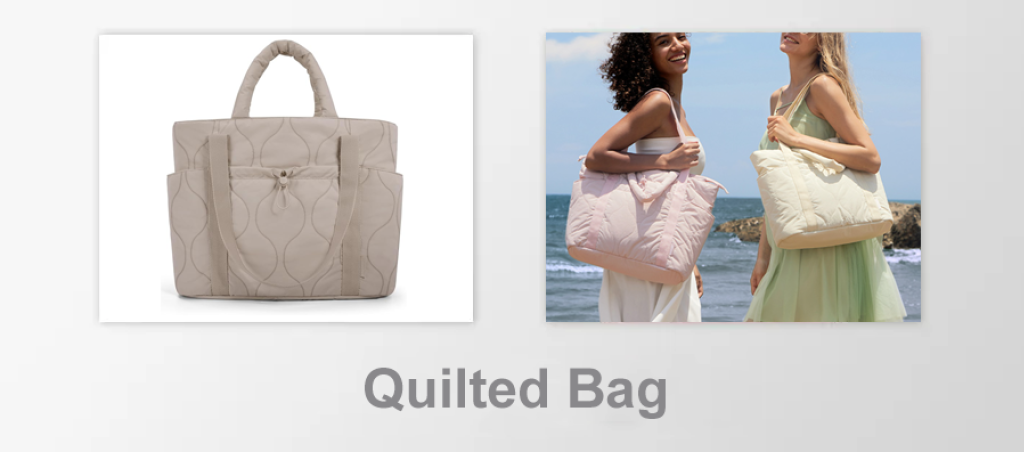
My Pro Insight: Quilted bags are high-maintenance in production. If your "fill" (the batting) is too cheap, the bag looks like a flat pancake after one week in a shipping container.
Recommended Materials: High-density 210T Nylon with a "silk-touch" finish. For the filling, we use 200g spray-bonded cotton—it stays "puffy" even after being compressed for months in a warehouse.
The Technical Difficulty: Pattern matching. The diamond or grid lines must meet perfectly at the side seams. If they don’t, the bag looks like a "factory second" junk product. It requires precision laser-cutting, not manual scissors.
My Subjective Stance: Quilted is the "it" style for 2025 fashion retail. My advice? Go for "Oversized" and "High-Gloss." The puffy, metallic look is killing it right now. If you stay with boring matte colors, you’re missing the trend.
43. Barrel Bag
Barrel bags are cylindrical, similar to duffel bags but usually smaller and more compact. Their sporty design makes them great for casual wear and light travel.
With sturdy handles and sometimes shoulder straps, barrel bags offer both style and functionality. They are ideal for those who prefer a unique shape with ample storage.
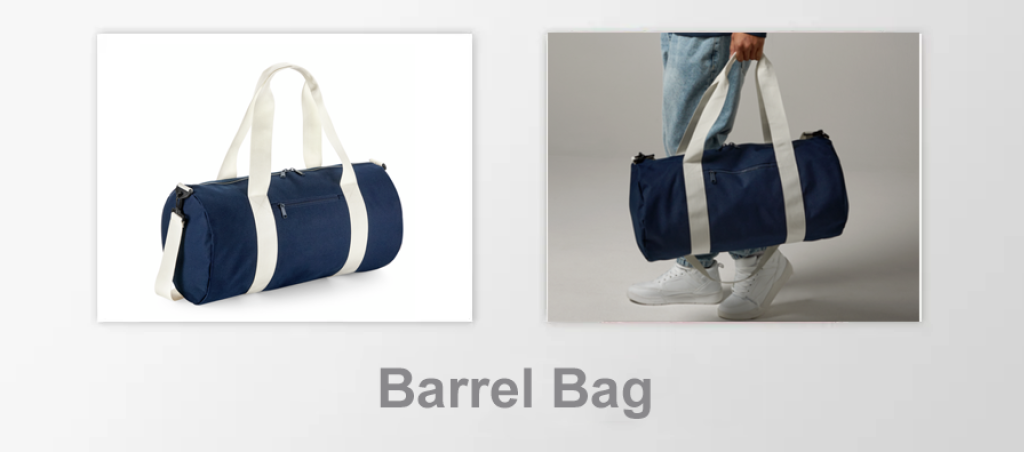
Manufacturing note: The cylindrical shape requires careful pattern cutting — the circular end panels must match the body circumference exactly, or the bag will have uneven puckering at the seams. We use CNC cutting for the end panels to ensure perfect circles every time.
44. Travel Tote
Travel totes are large tote bags designed specifically for travel, combining style and utility. They often include multiple compartments and durable materials for easy organization.
Travel totes are perfect for carrying essentials during flights or road trips. Their spacious interiors and sturdy construction make packing and access effortless.
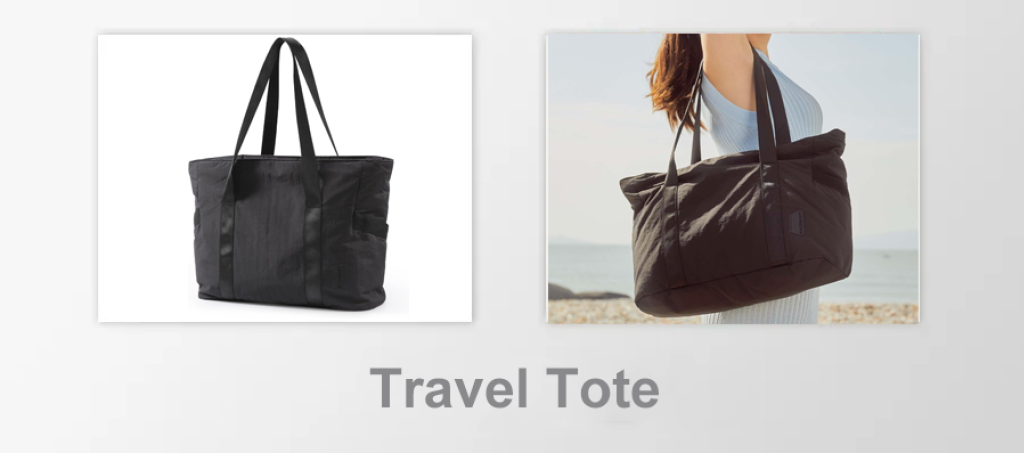
My Pro Insight: The difference between a regular tote and a "travel" tote is structure and security. A regular tote is open-top; a travel tote needs a top zipper closure (for security in airports and on planes), reinforced handles (for carrying heavier loads), and a padded bottom panel (to protect contents when the bag is set on dirty airport floors). If it doesn’t have at least these three features, it’s a shopping bag, not a travel tote.
45. Cooler Bag
Cooler bags are insulated bags engineered to maintain the temperature of food and drinks — keeping cold items cold and hot items warm. They’re a staple for picnics, beach trips, outdoor events, food delivery, and everyday lunch carry. Unlike hard-sided coolers, soft cooler bags are lightweight, packable, and far more versatile as a branded product.
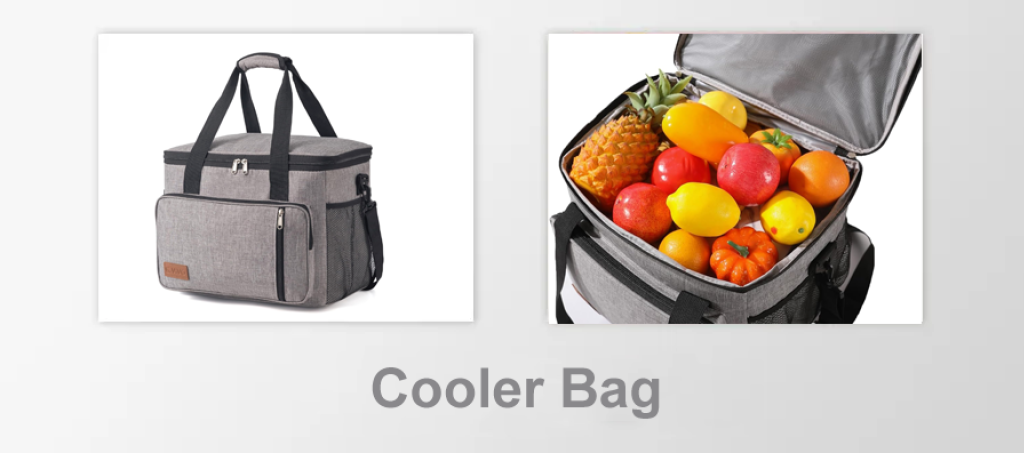
My Pro Insight: The difference between a $5 bag and a $25 bag is the seam-sealing.
Recommended Materials: TPU-coated fabric for the exterior—it’s rugged and looks much more professional than cheap 600D polyester.
The Technical Difficulty: Heat-press welding. You cannot stitch the inner liner; it will leak as the ice melts. We use RF (Radio Frequency) welding to create a 100% leak-proof "bucket" inside.
The Pitfall: Zipper choice. A standard zipper lets all the cold air out. You need an airtight, water-resistant zipper to keep ice for 24 hours. Most buyers skip this to save $2, then wonder why their cooler fails.
My Subjective Stance: The "Soft-Sided Cooler" is replacing hard plastic boxes. If you’re a brand, go for the ‘boxy’ structural look—it feels more premium and allows for better stackability in shipping.
Not sure which tier is right for your project? We break down every cooler bag type by performance, construction, and ideal use case: Different Types of Cooler Bags — a complete sourcing guide
Wondering how the insulation actually works — and what to tell your customers about cold retention times? How long do insulated bags keep food cold?
Ready to source? Browse our custom cooler bag & lunch bag — RF-welded liners, TPU exteriors, and water-resistant zippers available. MOQ from 300 pcs.
46. Waist Bag
Waist bags — also sold as fanny packs, belt bags, and bum bags — are compact pouches worn on an adjustable strap around the waist or hips. They provide hands-free access to essentials, making them a staple for travel, festivals, urban commuting, and active lifestyles.
Modern designs span the full spectrum from technical nylon to fashion-forward leather, giving this category unusually broad market reach.
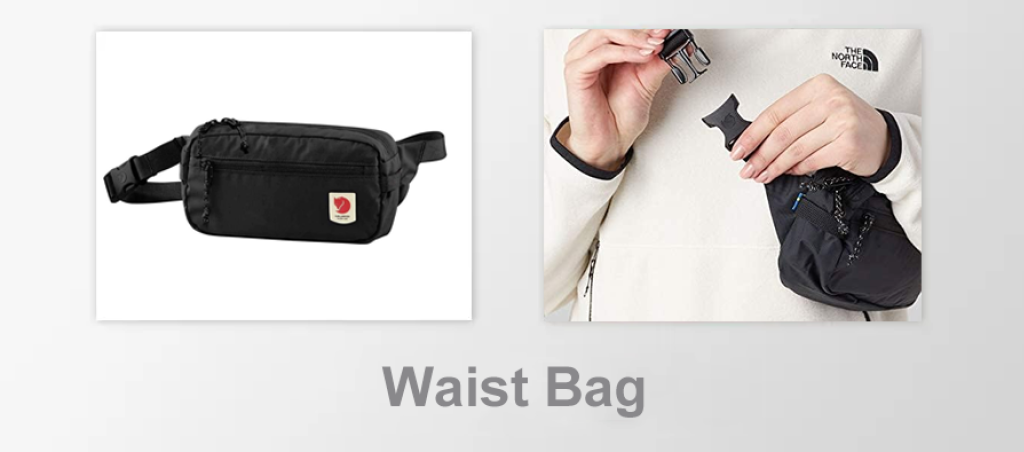
My Pro Insight: The waist bag market is split into two completely different buyers — and most brands only chase one. The first is the functional buyer: hikers, travelers, cyclists who want a durable, weatherproof pack with a long strap that fits over a winter jacket. The second is the fashion buyer: urban consumers who wear it crossbody as a style statement, not at the waist at all. Your material, hardware, and strap-length spec need to reflect which buyer you’re targeting — a 90cm strap that fits a festival crowd won’t go over a ski jacket.
Recommended Materials: 420D ripstop nylon for the active/outdoor market; soft PU leather or vegan leather for the fashion segment. The strap webbing is the most overlooked spec — go minimum 38mm wide with a side-release buckle rated for at least 15kg. Cheap narrow straps are the #1 return complaint in this category.
The Pitfall: Undersizing the strap adjustment range. A strap that maxes out at 90cm works for slim builds in summer. If it doesn’t extend to 120cm+, you’re cutting out everyone wearing layers — and losing a significant portion of the colder-climate market.
B2B Opportunity: This is one of the highest-volume promotional and event merchandise categories. Customized waist bags with a brand logo are consistently in the top 5 most-ordered corporate gift items. If you’re building a product line, the "crossbody-convertible" style — where the strap extends long enough to wear diagonally — has the widest appeal and commands a 30–40% price premium over a standard waist-only design.
Not sure whether to call your product a fanny pack, belt bag, or bum bag? The name you choose directly affects which search audience finds you. See our breakdown: Fanny Pack vs. Belt Bag vs. Bum Bag — what’s the difference?
Ready to source? Browse our custom waist bags & fanny packs — fully customizable from strap width to hardware finish, MOQ from 300 pcs.
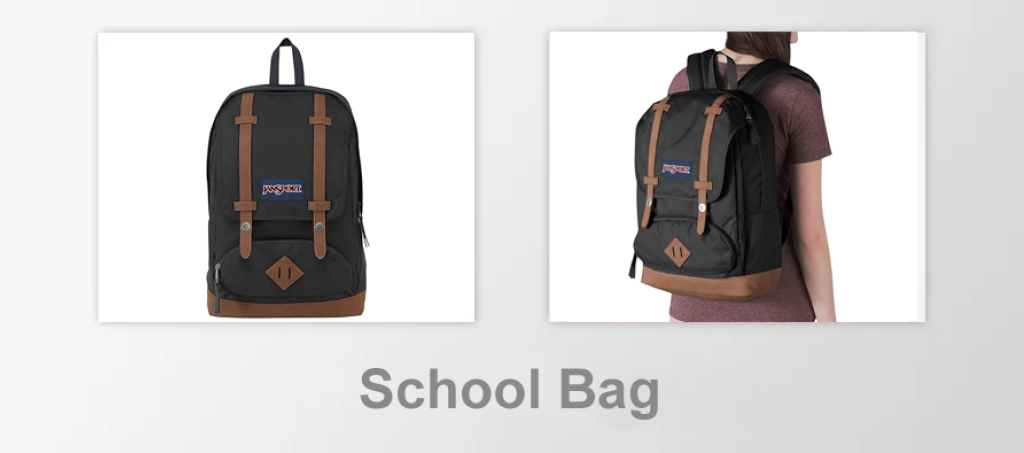
47. School Bag
A school bag is a backpack-format bag designed specifically for students, optimized for carrying textbooks, notebooks, pens, lunch, and sometimes a laptop. They come in sizes appropriate for age groups — from 10L for kindergarteners to 30L+ for high school and college students.
My Pro Insight: School bags undergo more daily abuse than almost any bag type — they get thrown on floors, stuffed into lockers, dragged across playground concrete, and kicked under desks. The two critical durability points are: 1) the bottom panel (must be reinforced with a double layer of fabric or a PE board), and 2) the zipper (must be at least a #5 YKK or SBS — anything smaller will jam within the first semester).
Parents also increasingly demand weight-related features: padded S-curve straps, sternum straps, and back panels with ventilation, because overloaded school bags are a genuine pediatric health concern.
48. Sling Bag
Sling bags are small-to-medium bags worn over one shoulder with a single diagonal strap. They sit on the chest or back and can be quickly rotated to the front for access.
Compact yet functional, sling bags keep essentials close without the bulk of a full backpack. They’re ideal for urban commuting, travel, cycling, and situations where you want security (the bag stays in front of you in crowded areas) without a full crossbody messenger setup.
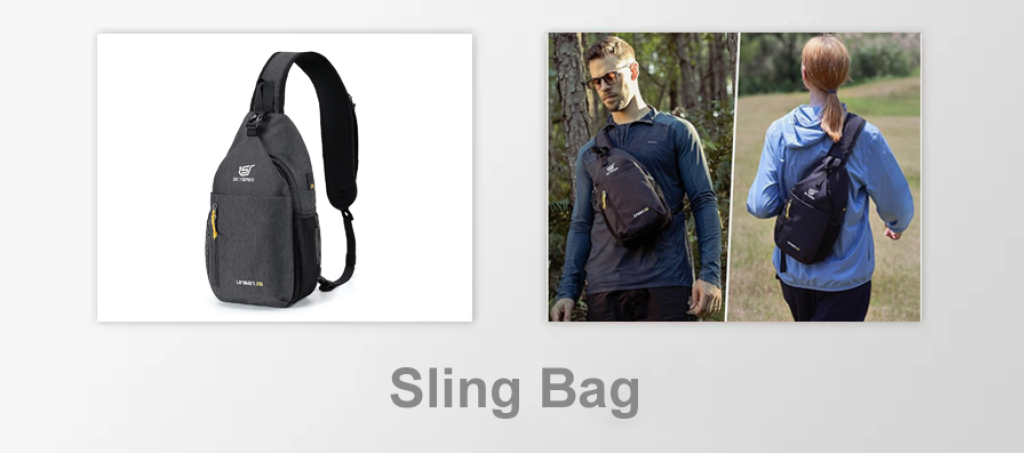
My Pro Insight: The sling bag market has exploded in the last 3 years, driven by the "minimal carry" trend. The key differentiator in production is the strap attachment system — a single-point rotation system (where the strap attaches to one corner and pivots) allows the bag to swing smoothly from back to front. Bags with fixed, non-rotating straps are uncomfortable and feel stuck when you try to access them.
49. Tote Backpack
Tote backpacks combine the open-top design of a tote with backpack straps for versatility. They offer the spaciousness of a tote with the comfort of a backpack.
Ideal for those who want both style and practicality, tote backpacks work well for commuting, travel, and daily use.
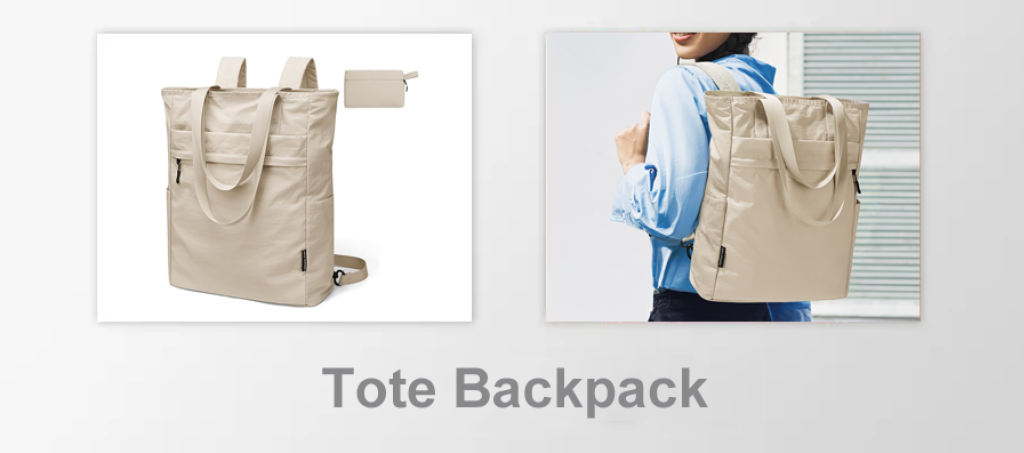
My Pro Insight: The challenge in manufacturing a tote backpack is making both modes work equally well. Most fail at one or the other — the tote handles interfere with the backpack straps, or the backpack straps create lumps when using tote handles.
The solution is a "channel-through" design where the backpack straps tuck into hidden channels on the back panel when using tote mode. This creates a clean tote silhouette without dangling straps.
50. Evening Bag
Evening bags are small, elegant bags designed for formal occasions. They often feature luxurious materials and embellishments like beads, sequins, or metallic finishes.
These bags carry just the essentials and elevate any evening outfit. Perfect for weddings, galas, and parties, evening bags combine function with glamour.
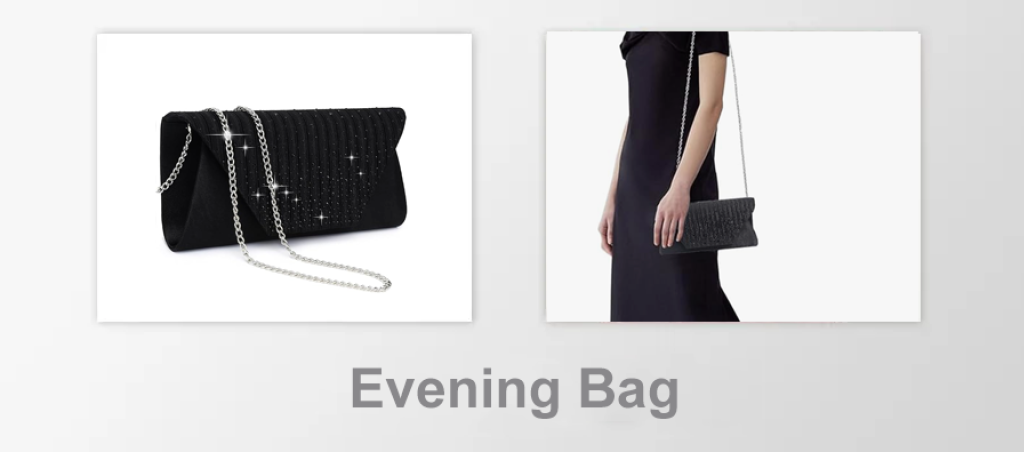
Manufacturing note: Evening bags are the highest-skill, lowest-volume category in bag manufacturing. The embellishment work (hand-beading, sequin placement, crystal setting) is labor-intensive and often performed by specialized craftspeople rather than standard production line workers.
As a result, MOQs are typically lower (100–300 pcs) but unit costs are significantly higher than any functional bag type.
🗂️ 2026 Custom Bag Selection Guide: From Promotion to Premium
This guide is for brand owners and B2B buyers looking to understand which bag types, materials, and manufacturing processes match their market positioning.
Once you’ve identified the right tier for your brand, the next most critical factor is your launch schedule. Different complexities require vastly different lead times. Before finalizing your product roadmap, we highly recommend checking our complete factory breakdown on how long it really takes to customize bags—from the initial tech pack to final shipping.
Tier 1: Promotional & High Volume (MOQ: 1,000–3,000+ pcs)
Bag Styles: Tote Bag, Shopping Bag, Grocery Bag, Drawstring Bag, Net Bag, Pouch, Coin Purse, Jelly Bag
Usage: Trade shows, supermarket retail, eco-friendly marketing, brand giveaways.
Materials: Non-woven, 4oz–12oz Cotton Canvas, basic Polyester.
Craft: High-speed silk-screen printing, reinforced "X" stitching on handles.
Tier 2: Mid-Range Retail & Fashion (MOQ: 500–1,000 pcs)
Bag Styles: Messenger Bag, Shoulder Bag, Crossbody Bag, Sling Bag, Waist Bag, Fanny Pack, Cosmetic Bag, Toiletry Bag, Wristlet, Beach Bag, Travel Tote, Book Bag, Quilted Bag
Usage: Daily commuting, boutique retail, beauty brand packaging, summer vacations.
Materials: PU Leather, 600D/900D Polyester, Nylon.
Craft: Digital heat transfer, embroidery, customized inner lining, standard SBS zippers.
Tier 3: Professional & Technical Gear (MOQ: 300–500 pcs)
Bag Styles: Backpack, Laptop Bag, Diaper Bag, Gym Bag, Camera Bag, Tool Bag, Medical Bag, Delivery Bag, Dry Bag, Pet Bag, Car Organizer, Frame Bag, School Bag, Tote Backpack, Cooler Bag
Usage: Business travel, technical work, parenting, outdoor sports, food logistics.
Materials: Cordura, 1680D Ballistic Nylon, GRS-certified rPET, TPU coating.
Craft: Ergonomic S-curve straps, EVA foam padding, seam-sealing, heavy-duty load-bearing tests.
Tier 4: Premium & Executive Collection (MOQ: 200–500 pcs)
Bag Styles: Briefcase, Luggage/Suitcase, Carry-on Bag, Weekender Bag, Garment Bag, Satchel, Hobo Bag, Clutch, Evening Bag, Saddle Bag, Barrel Bag, Duffel Bag
Usage: Executive business trips, formal events, luxury gift sets, high-end retail.
Materials: Top-grain Leather, High-density Jacquard, Premium Metal Hardware.
Craft: Edge painting, laser-cut precision, YKK zippers, multi-stage QC inspection.
We Can Manufacture Any of These 50 Styles—And More
Whether you need a classic tote, a specialized hiking backpack, or a custom design not listed above, Osgoodway is ready to bring your vision to life. As a bag manufacturer in China with 15+ years of experience and BSCI / ISO9001 / GRS certifications, we offer end-to-end OEM/ODM solutions tailored to your specifications.
Related resources:
- Bag Customization Process & Options
- How Long Does It Really Take to Customize Your Bags?
- How Much Does It Really Cost to Manufacture a Backpack?
This article reflects our direct manufacturing experience producing bags for 300+ brands since 2014. All material recommendations, MOQ ranges, and production specifications were verified as of April 2026. If you spot anything that needs updating, contact us.
Frequently Asked Questions
How many types of bags are there?
There are over 50 distinct types of bags when categorized by function, design, and intended use. The main categories include everyday bags (totes, crossbodies, backpacks), travel bags (duffels, carry-ons, suitcases), sport bags (gym bags, dry bags), professional bags (briefcases, laptop bags), fashion bags (clutches, hobos, evening bags), and specialty bags (camera bags, diaper bags, tool bags, car organizers).
What is the difference between a tote bag and a shoulder bag?
A tote bag is open-top with two parallel handles and is typically carried by hand or over the shoulder. A shoulder bag has a single longer strap specifically designed to rest on the shoulder, and usually has a structured or semi-structured body with a zipper or flap closure. Totes are generally larger and more casual; shoulder bags tend to be more compact and secure.
What type of bag is best for everyday use?
For most people, a crossbody bag or a 20–25L backpack works best for daily use. Crossbody bags keep essentials accessible and hands free, while backpacks distribute weight evenly for all-day comfort. If you need to carry a laptop, a structured backpack or messenger bag with a dedicated padded compartment is the most practical choice.
What is the most versatile type of bag?
A medium-sized backpack (20–30L) is the single most versatile bag you can own — it works for commuting, travel, hiking, gym, and school. For professional settings, a convertible tote backpack offers similar versatility with a polished look. For light carry, a crossbody bag covers the widest range of casual situations.
What is the difference between a duffel bag and a weekender bag?
Both are designed for short trips, but duffel bags are cylindrical or barrel-shaped with soft structure and are primarily used for gym or sports gear. Weekender bags are more rectangular and structured — they stand upright on their own and typically include more organizational compartments, making them better suited for 1–3 night travel where you want easy packing access.
What type of bag is best for travel?
The best travel bag depends on trip length. For day trips, a crossbody or sling bag is ideal. For weekend trips, a weekender bag or 40L backpack works well. For longer trips, a carry-on rolling bag (max 22×14×9 inches for most airlines) or checked luggage is the standard choice. A packing cube-compatible travel tote as a personal item can maximize your carry-on allowance.
What is the difference between a messenger bag and a satchel?
Both are rectangular shoulder bags, but messenger bags are designed for function over form — typically made from durable nylon or canvas, with a large main compartment and worn diagonally across the body. Satchels have a more structured, academic look, often in leather or PU leather, with a top handle in addition to the shoulder strap. Messenger bags are more casual and sporty; satchels are more professional and formal.
What bags are best for hiking and outdoor activities?
For hiking, a technical backpack (25–65L depending on trip length) with an ergonomic back panel and hip belt is essential. For day hikes, a hydration pack (10–20L with a built-in water reservoir) is ideal. Dry bags protect gear during water activities. Fanny packs and sling bags work well for short hikes where you only need to carry snacks and essentials.
What is the difference between a sling bag and a crossbody bag?
A sling bag uses a single diagonal strap and sits against the back or chest — it’s designed to rotate from back to front for quick access. A crossbody bag also has a long single strap worn diagonally, but is positioned at the hip or side and is not designed to rotate. Sling bags tend to be slightly larger and more structured; crossbody bags are often smaller and more fashion-oriented.
What materials are best for bags?
The best material depends on use: Cordura nylon and ballistic nylon (1680D) are the most durable for heavy-duty use. 600D–900D polyester is a good balance of durability and affordability for everyday bags. Canvas is classic and breathable for totes. rPET (recycled polyester) is the top choice for eco-conscious brands. Genuine leather or full-grain leather offers the longest lifespan for premium bags, while PU leather provides a similar look at a lower price point.
Can bags be custom manufactured with a brand logo?
Yes. Most bag types can be custom manufactured through OEM/ODM factories with full logo customization via embroidery, screen printing, heat transfer, or debossing. Minimum order quantities (MOQs) typically range from 200 to 3,000 units depending on the bag type and complexity. Promotional bags like totes and drawstring bags have lower MOQs, while technical bags like backpacks and camera bags require higher minimums due to production complexity.