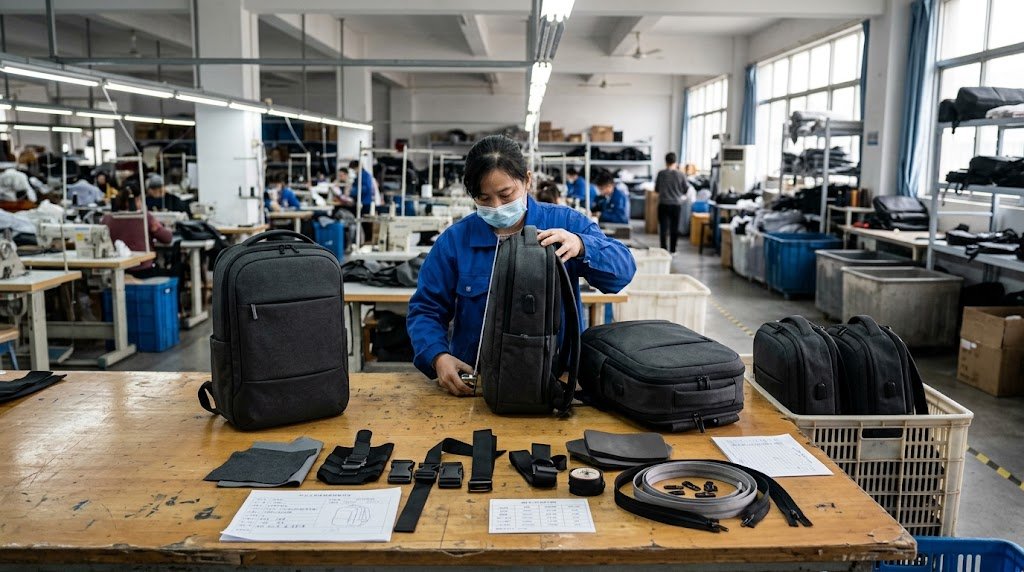
I’ve cut open thousands of cooler bags in my career, from $2 promo giveaways to $300 YETI knockoffs. Most buyers think insulation is just "stuffing," but that mindset is why 40% of product returns happen. If you pick the wrong foam density or pair it with a weak liner, you aren’t selling a cooler—you’re selling a wet bag.
For 80% of commercial cooler bags[^1](lunch totes, promotional items), High-Density EPE foam (Expanded Polyethylene)1 between 5mm and 8mm with a heat-sealed PEVA liner is the best choice due to its cost-efficiency and flexibility. However, for high-performance outdoor coolers requiring 12+ hours of ice retention, XPE (Cross-linked Polyethylene)2 is superior because of its denser, waterproof structure and higher R-value.
Below, I’m breaking down exactly how we select materials for our largest B2B clients, stripping away the marketing fluff to look at the raw specs.
Is EPE Foam Good Enough for Standard Retail Cooler Bags?
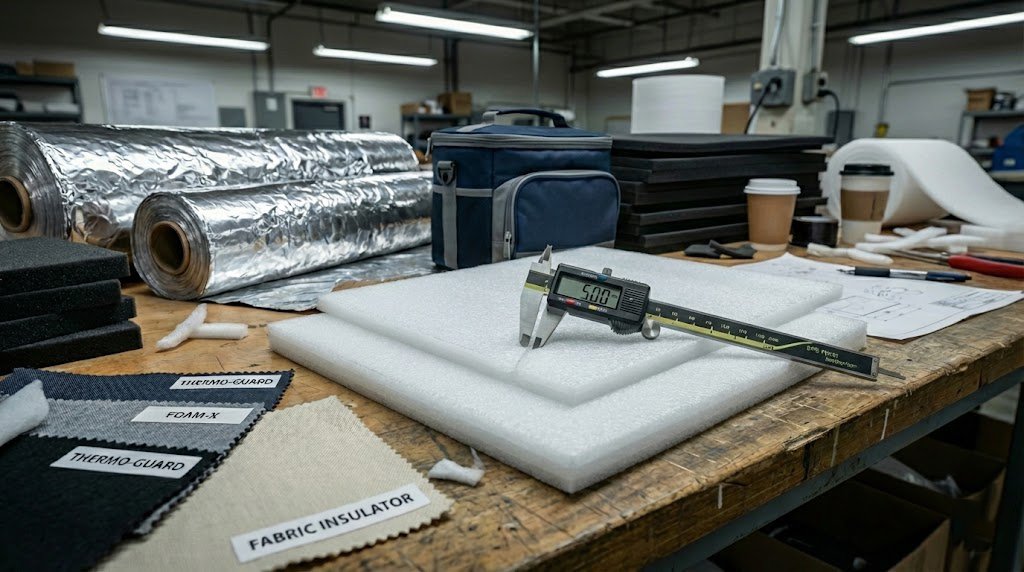
Yes, EPE (Expanded Polyethylene) foam is the industry standard for 80% of the market. Particularly in the 5mm to 8mm thickness range, EPE provides the essential structural integrity and reliable 4–6 hour thermal resistance required by professionals, all at a fraction of the cost of rubberized foams.
EPE works by trapping air in semi-closed cells. It is lightweight, flexible, and cheap, but it has a fatal flaw: low compression recovery. If you pack 20 heavy bags into a shipping carton, the foam at the bottom can flatten out permanently, destroying its insulating value.
We once had a client insist on 3mm EPE to save $0.15 per unit. The result? The bags had zero structure and warmed up in 90 minutes. Standard EPE density is usually 18-20kg/m³; anything less is basically packing material.
Common insulation specs for B2B orders?
| Application | Material Spec | Cost Level | Performance |
|---|---|---|---|
| Giveaways / Totes | 2mm – 3mm EPE | Low ($) | 1-2 Hours |
| Retail / Supermarket | 5mm – 8mm EPE | Mid ($$) | 4-6 Hours |
| Premium Outdoor | 10mm EPE or NBR | High ($$$) | 8-12+ Hours |
| Medical / Delivery | 10mm+ EVA/PE Combination | Very High ($$$$) | 12-24 Hours |
Factory Tip: Don’t just ask for "EPE foam." Ask for "High-Density EPE." If you don’t specify, suppliers will give you the low-density fluff to save 5 cents, and your bag will look wrinkly and perform poorly.
Does Doubling the Foam Thickness Always Double the Cooling Time?
Many buyers assume that upgrading from 5mm to 10mm foam doubles performance. It doesn’t works that way.
No. There is a point of diminishing returns around 8mm-10mm. Beyond this thickness, heat loss occurs primarily through the zipper teeth and stitching holes, rendering extra foam bulk useless.
When is thick foam a waste of money?
Thick foam (over 10mm) is a waste of budget unless you are also paying for airtight zippers and RF-welded seams (no stitching holes).
- The Leak Factor: Standard soft coolers are sewn. Every needle hole is a tunnel for cold air to escape.
- The Zipper Gap: A standard nylon coil zipper has zero insulation value.
- The Bulk: 10mm foam increases your shipping volume significantly. We had a UK client switch from 10mm back to 6mm; they fit 20% more units in the container and the cooling time difference was negligible.
Material thickness vs. real-world performance
| Foam Thickness | Theoretical R-Value | Real-World Ice Retention (Sewn Bag) |
|---|---|---|
| 3mm | Low | ~2 Hours |
| 5mm | Medium | ~5-6 Hours |
| 10mm | High | ~7 Hours (Only +1 hr gain) |
| 20mm | Very High | ~7.5 Hours (Diminishing returns) |
Why Do Premium Brands Switch to NBR/PVC Rubber Foam?
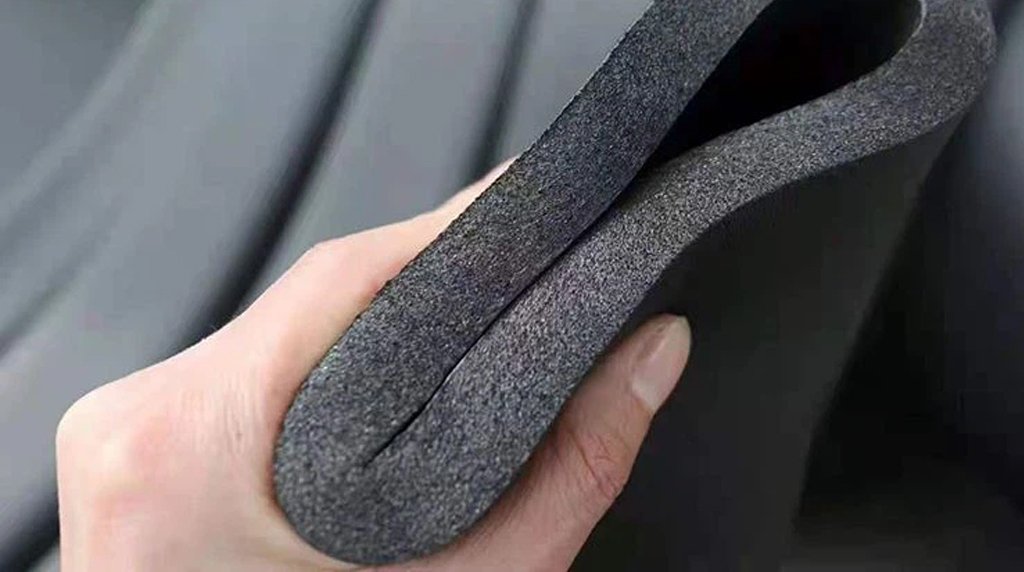
Clients often ask me, "How does that competitor keep ice for 2 days?" The answer isn’t magic; it’s NBR.
Closed-Cell NBR/PVC (Nitrile Butadiene Rubber) foam3 is the superior choice for high-end soft coolers requiring 24+ hour ice retention due to its dense, non-porous structure that completely blocks air transfer.
Unlike EPE, which is basically plastic bubbles, NBR is a synthetic rubber blend. It is heavier, denser, and naturally waterproof. It creates a "vapor barrier" that prevents the bag from sweating, which is the #1 complaint with cheap coolers.
| Feature | Standard EPE Foam | Premium NBR Foam |
|---|---|---|
| Density | 18-25 kg/m³ | 40-60 kg/m³ |
| Water Absorption | Low (<5%) | Zero (Hydrophobic) |
| Cost Index | 1.0 (Baseline) | 3.5x Higher |
If you are building a "Weekender" or "Marine" grade cooler, you cannot use EPE. The market expects the heavy, rubbery feel of NBR. It signals quality immediately upon touch.

Why Do We Refuse to Use Open-Cell PU Foam for Cooler Bags?
Open-cell PU foam acts like a sponge, absorbing condensation and spilled liquids which leads to bacteria growth and mold, whereas Closed-cell foam (EPE/EVA) is hydrophobic and hygienic.
Technically, open-cell foam allows air and water to pass freely between its cells. In a cooler bag environment, condensation is inevitable. If that moisture gets into the foam, it cannot be cleaned out. It sits there, gets warm, and starts to smell.
I remember a project from 2023 where a German sourcing agent insisted on PU foam because he wanted a "soft, pillow-like feel" for a luxury picnic bag. I warned him. He insisted. Six months later, he was dealing with returns because the bags smelled like mildew after one use. We had to scrap the remaining material.
The "squeeze test" for quality?
- The Pinch: Pinch the wall of the cooler bag hard.
- The Rebound: If it bounces back instantly like a spring mattress, it might be open-cell (bad) or very high-end NBR (good).
- The Crunch: If you feel a slight resistance and it feels firm/dense (like a yoga mat), that is EPE. That is what you want.
How Does the Lining Material Affect Insulation Performance?
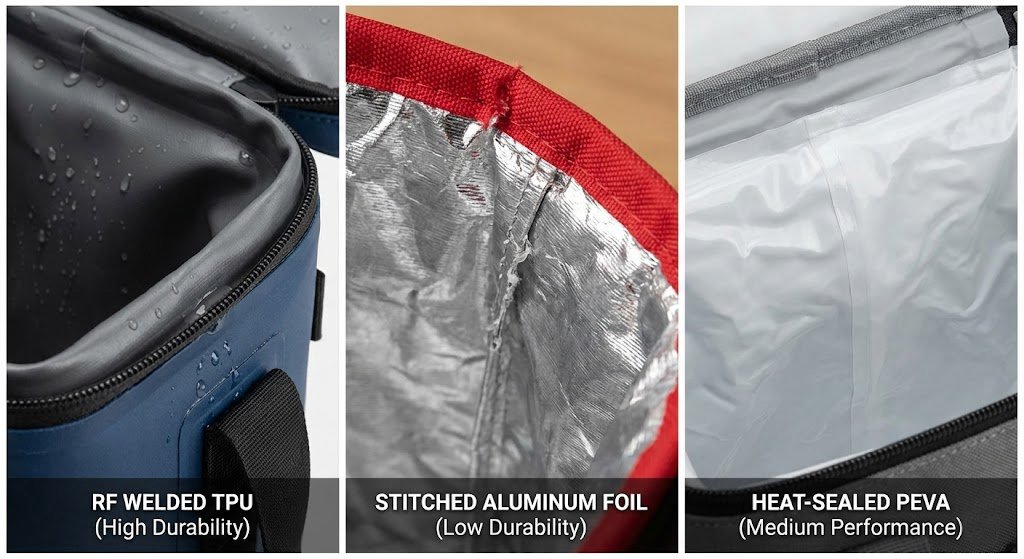
Insulation is a system; the foam is useless without a reflective, heat-sealed lining (like PEVA or Aluminum Foil) to create a radiant barrier and prevent leakage.
While the foam stops heat conduction (transfer through touch), the lining stops heat radiation. But more importantly, the lining must be waterproof. If we stitch the lining, we puncture it. That’s why premium bags use "hot pressing" or "voltage welding" to fuse the lining together, creating a watertight bucket inside the bag.
We use a high-frequency welding machine for our PEVA linings. It melts the plastic sheets together. I’ve seen factories try to save power by running these machines too fast—the seams look sealed but peel apart when you load the bag with heavy soda bottles.
Which lining is best for your project?
PEVA (Food Grade) is the modern standard for eco-conscious brands, while Aluminum Foil is the budget option for industrial or food delivery use.
| Lining Material | Waterproof Method | Durability | Best For |
|---|---|---|---|
| Silver PEVA | Heat Sealed | High | Retail / Supermarkets |
| Alum. Foil | Stitched (usually) | Low (Tears easily) | Cheap Lunch Bags |
| TPU | RF Welded | Extreme | High-End Marine Coolers |
Actionable Tip: Don’t waste money on NBR foam if you are going to use a stitched PEVA liner. It’s like putting a Ferrari engine in a go-kart. Match premium foam with premium welded linings.
Frequently Asked Questions (from the factory floor)
1. Why do my cooler bags leak water?
It’s rarely the fabric; it’s the seams. If you didn’t pay for heat-sealed (hot press) lining, your bag is "leak-resistant," not "leakproof." As soon as the ice melts, water will find the needle holes at the bottom gusset.
2. Is thicker always better for keeping things frozen?
No. As I mentioned, the zipper is the weak point. If you aren’t using an airtight zipper (which costs $5+ alone), 20mm foam is just marketing fluff.
4. What is the difference between PEVA and PVC lining?
PVC is toxic (contains phthalates) and is banned in many EU markets and California (Prop 65). PEVA is the non-chlorinated, food-safe alternative. We phased out PVC linings years ago.
5. Is Aluminum Foil lining any good?
It’s bottom-tier. It tears if you look at it wrong and has zero abrasion resistance. Use it for $2 pizza bags, nothing else.
- Can I use Recycled (rPET) insulation?
Yes, recycled non-woven felts exist, but they are heavier and hold moisture. For a true eco-cooler, we recommend rPET outer fabric with standard EPE foam.
7. Does zipper quality affect insulation?
Absolutely. A standard nylon zipper is an open door for heat. Airtight TIZIP-style zippers are required for true high-performance retention.
Final Verdict
Don’t over-engineer your insulation. For 90% of B2B projects, 6mm High-Density EPE foam with a heat-sealed PEVA lining is the sweet spot between price and performance.
If you’re ready to spec a cooler bag that doesn’t leak and actually keeps drinks cold, send me your target price. I’ll tell you exactly which foam grade fits your budget—and which ones to avoid.
Footnotes
-
Comprehensive technical resource explaining the physical properties and industrial applications of EPE foam in thermal packaging. ↩
-
Learn why XPE foam is the go-to choice for outdoor coolers needing superior insulation and ice retention. ↩
-
Explore the benefits of NBR/PVC Rubber Foam for high-end coolers, including its waterproof and insulating properties. ↩