


Are you concerned about the environmental impact of your backpack? You’re not alone. Many consumers are demanding sustainable alternatives to traditional materials, which leads to a significant shift in the backpack production industry. But how do you know which materials are best for creating eco-friendly backpacks?
Recycled materials are transforming backpack production by providing a more sustainable, eco-conscious alternative to virgin fabrics. Materials like recycled polyester (rPET) and recycled nylon are gaining popularity due to their durability, water resistance, and environmental benefits. Using recycled materials helps reduce waste, lower carbon footprints, and support a circular economy.
Stay tuned as we dive deeper into the best recycled materials and how to choose them for your custom backpacks.
What Are Recycled Materials and Why Are They Important for Backpacks?
Are you wondering what exactly “recycled materials” mean in backpack production?
Recycled materials are those that have been repurposed from waste products, such as plastic bottles or discarded textiles, into new materials that can be used to create products like backpacks. These materials are essential in reducing landfill waste, conserving natural resources, and curbing the environmental impact associated with the production of virgin materials. The use of recycled materials not only reduces pollution but also makes a significant contribution to a circular economy.
Let’s explore some of the most common recycled materials used in backpacks today and why they’re gaining traction in the manufacturing world.
What Types of Recycled Materials Are Commonly Used in Backpacks?
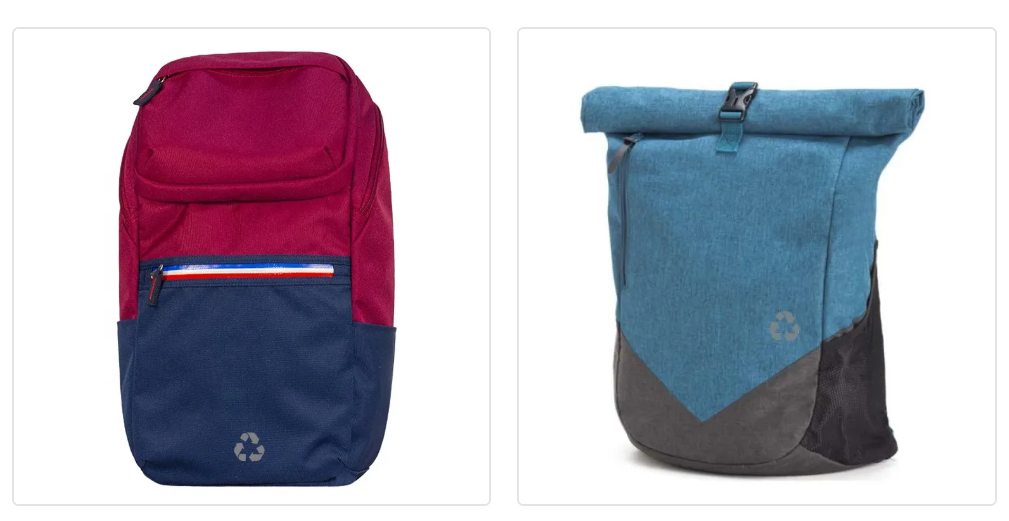
Ever wondered what recycled materials are commonly used in backpacks? Choosing the right fabric can be tricky. With so many sustainable options out there, it can be overwhelming to know which one to choose for your backpack design. Let’s break down the most popular choices.
Recycled polyester (rPET), recycled nylon, organic cotton, and even upcycled rubber are some of the most commonly used recycled materials in backpacks. rPET, made from repurposed plastic bottles, is a favorite due to its durability, water resistance, and versatility. Recycled nylon is equally strong and lightweight, making it ideal for more robust backpack designs. Additionally, natural materials like organic cotton and hemp offer a biodegradable option for eco-conscious brands.
Recycled Polyester (rPET)
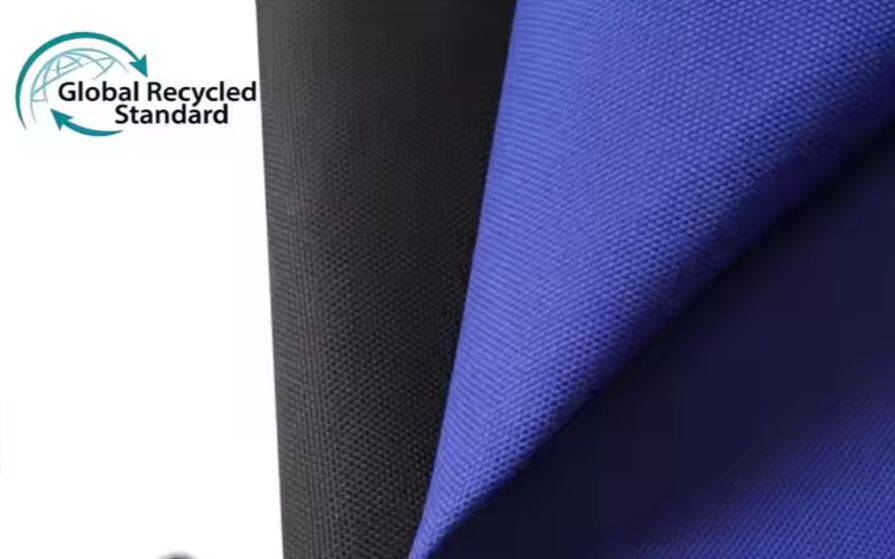
One of the most popular materials, rPET is made from recycled plastic bottles. The bottles are collected, cleaned, and turned into polyester fibers, which are then woven into fabric. This material is durable, lightweight, water-resistant, and easy to dye, making it ideal for backpacks. It’s also one of the most commonly used recycled fabrics in the backpack industry, and for good reason—it’s versatile and widely available.
Recycled Nylon
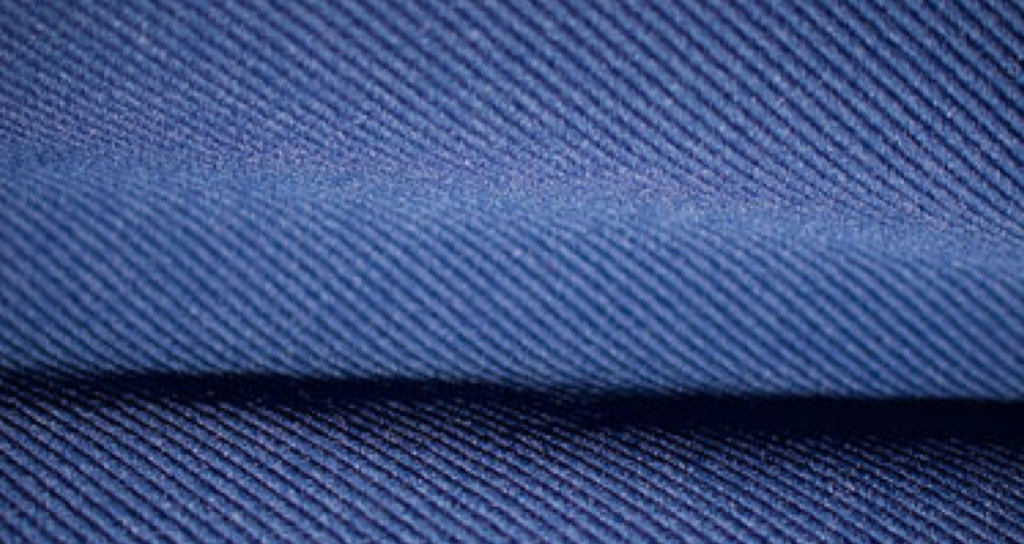
This material is made from recycled nylon fibers, which are often sourced from post-consumer waste like fishing nets, fabric scraps, or old garments. Recycled nylon is incredibly strong, making it perfect for backpacks that need to withstand heavy use. It is also lightweight and resistant to abrasion, which makes it suitable for both everyday and outdoor backpacks.
Natural Recycled Materials
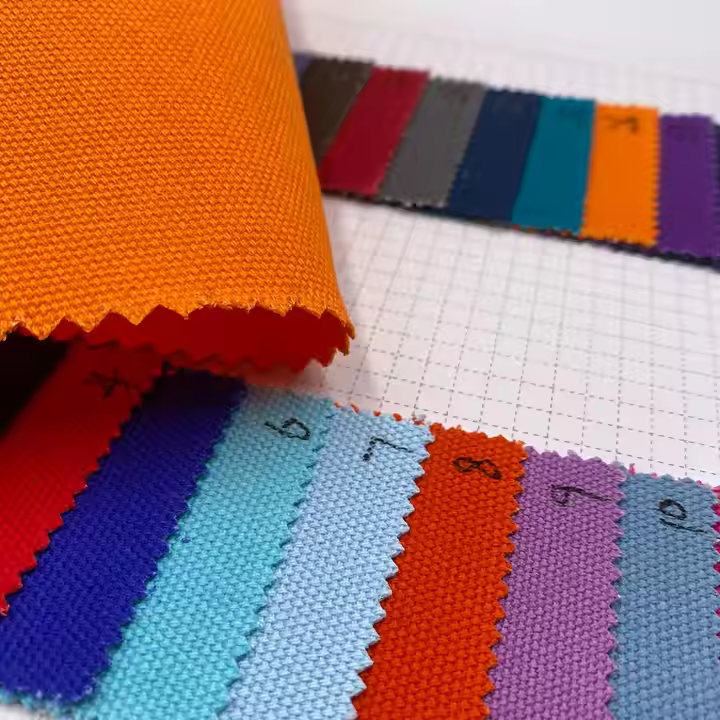
Other natural materials, such as organic cotton, hemp, and cork, are also used in backpack production. These materials are biodegradable, making them a great option for brands that want to take their sustainability efforts to the next level. While not as commonly used as rPET or recycled nylon, these materials are making their way into eco-friendly backpack designs due to their low environmental impact.
Innovative Materials
Additionally, some backpack manufacturers are exploring new materials, such as recycled rubber, biodegradable plastics, or upcycled fabric, which are being used in innovative ways to make backpacks more sustainable and unique.
Are you curious about which material best suits your backpack needs? Let’s take a deeper look at how to select the right one.
How to Choose the Right Recycled Material for Your Custom Backpack?
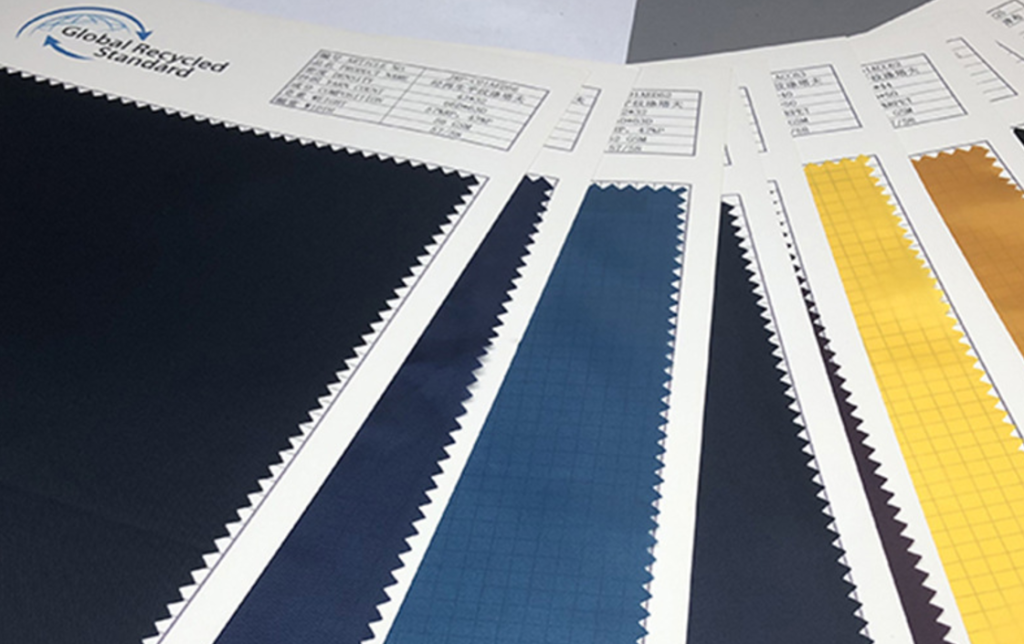
Choosing the right recycled fabric isn’t as simple as it seems, especially when you want to balance sustainability with functionality.
Consider durability, functionality, and your aesthetic goals when choosing recycled materials for your custom backpack. For high-performance backpacks, recycled polyester and nylon are excellent choices due to their strength and water resistance. If you want a more natural look, organic cotton or hemp could be the way to go. The key is to assess your design needs, your target audience, and your budget to make the right choice.
Durability: The material must be durable enough to withstand the daily wear and tear of backpack use. For high-performance backpacks, recycled nylon or rPET is ideal due to their abrasion resistance and long-lasting properties.
Aesthetic Appeal: The material should match your brand’s aesthetic and design goals. Recycled polyester offers a wide range of colors and textures, while natural materials like organic cotton or cork provide a rustic, earthy feel.
Functionality: Depending on the intended use of the backpack, consider the functionality of the material. For example, rPET is water-resistant, which is essential for backpacks intended for outdoor use. Recycled nylon is stronger, making it ideal for backpacks that need to carry heavy loads.
Cost and Availability: Keep in mind that some recycled materials can be more expensive than their virgin counterparts, especially when they are sourced and processed in small quantities. As a manufacturer, you’ll want to balance quality with cost-effectiveness to ensure that your product is both sustainable and affordable for your customers.
Wondering how brands have incorporated these materials into their designs? Let’s look at some leading companies making waves with sustainable backpacks.
Which Brands Are Leading the Way in Using Recycled Materials for Backpacks?
You may be asking: which brands are truly making a difference with recycled materials? As a backpack manufacturer, it’s important to know the frontrunners in the sustainable design space to understand how industry leaders are driving change.
Brands like Patagonia, The North Face, and Rothy’s have been leading the way by incorporating recycled materials into their backpack designs. Patagonia uses recycled polyester in many of their bags, while The North Face has introduced products made from recycled nylon. Rothy’s, known for their shoes, has expanded into the backpack market with bags made entirely from recycled plastic bottles.
Patagonia(Recycled Materials Outdoor Backpacks)
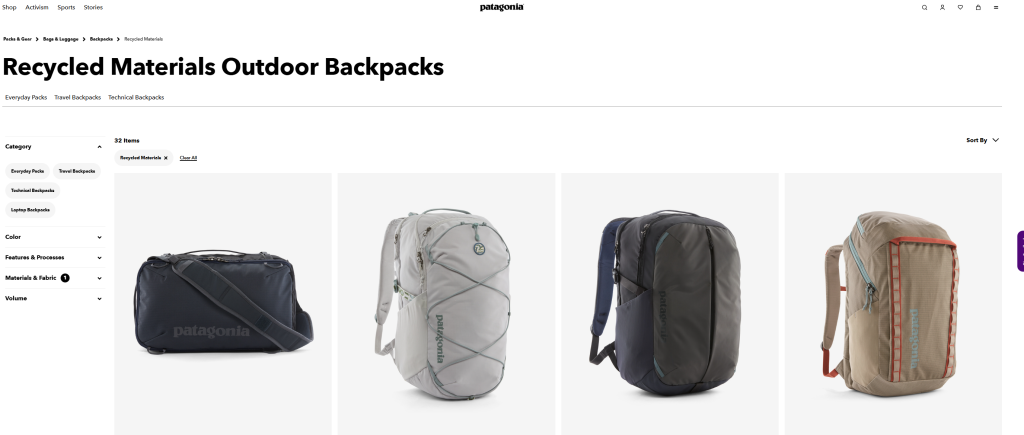
Known for its commitment to sustainability, Patagonia uses recycled polyester in many of its backpacks, making it a leader in eco-friendly outdoor gear. The brand has been using rPET for over 20 years, reducing plastic waste and contributing to a more sustainable planet.
The North Face (recycled backpack)
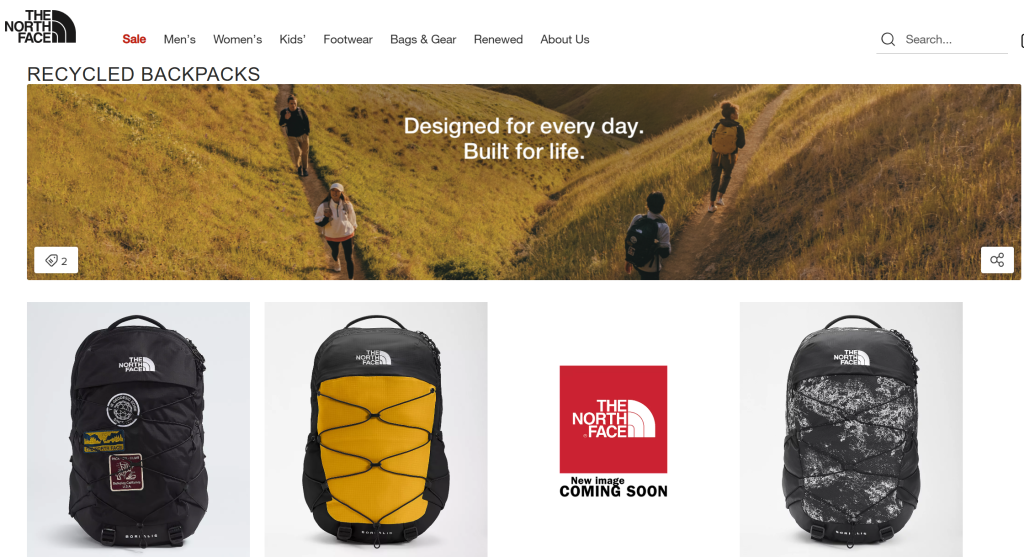
This iconic brand uses recycled polyester, recycled nylon, and other sustainable materials in their backpacks. Their “Renewed” product line, which features refurbished and recycled products, is one example of their efforts to reduce waste.
Timbuk2(Eco Backpacks & Bags)
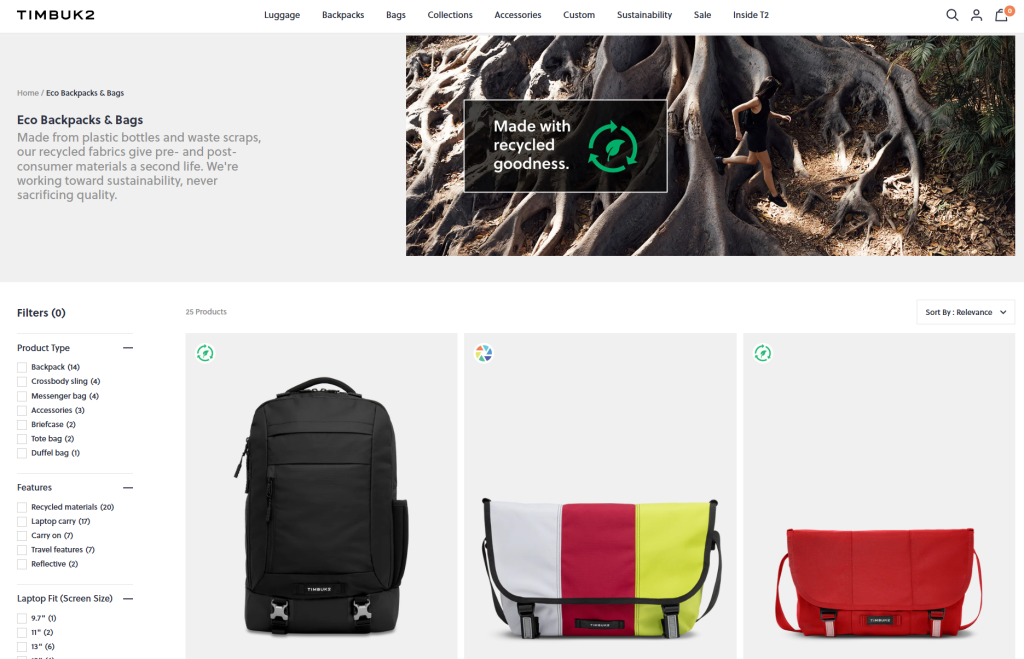
Known for their customizable bags, Timbuk2 uses recycled materials like rPET in many of their backpacks and offers eco-conscious options for customers who are looking for sustainable alternatives.
These brands are leading the charge in sustainable backpack production, proving that using recycled materials doesn’t just benefit the planet—it also resonates with conscious consumers.
What Is the Cost of Backpacks Made from Recycled Materials?
Is the cost of eco-friendly backpacks something you’re concerned about? While it’s true that products made from recycled materials can be more expensive than their traditional counterparts, the price gap might not be as wide as you think.
Backpacks made from recycled materials tend to be priced similarly to standard backpacks, though they may cost a little more due to the added process of sourcing and cleaning the materials. However, these backpacks often offer better long-term value due to their durability and the positive impact they have on the environment. Some premium brands may charge a higher price, but consumers are increasingly willing to pay for sustainability.
Here’s a comparison of how backpacks made from recycled materials generally price out in the market compared to traditional options. This data gives you an idea of the price ranges you might expect to pay based on material, brand, and quality.
| Material | Average Price Range (USD) | Description |
|---|---|---|
| Recycled Polyester (rPET) | $30 – $150 | Made from recycled plastic bottles, offering durability, water resistance, and a lighter environmental footprint. |
| Recycled Nylon | $40 – $180 | Known for strength and durability, often used in high-performance backpacks. |
| Organic Cotton | $25 – $100 | Biodegradable, soft, and eco-friendly, but less durable than synthetic options. |
| Upcycled Rubber | $50 – $120 | Uses discarded tires or other rubber waste; great for durable and waterproof designs. |
| Recycled Polyethylene Terephthalate (rPET) | $45 – $200 | Offers excellent water resistance and is commonly used in premium brands. |
| Mixed Recycled Materials | $20 – $120 | A blend of multiple recycled materials for cost-effective, sustainable backpacks. |
| Premium Eco-Friendly Brands (Patagonia, The North Face, etc.) | $70 – $250 | Often feature a mix of high-end recycled materials with eco-conscious design features. |
As you can see from the table, the cost of recycled material backpacks varies based on the type of material and brand. High-performance materials like recycled nylon or rPET can push the price higher due to their durability and weather-resistant properties. On the other hand, more natural materials like organic cotton or mixed recycled materials tend to be more affordable, while still being eco-friendly.
What Challenges Do Manufacturers Face When Sourcing Recycled Materials?
Are there obstacles in sourcing recycled materials for backpack production? With rising demand for sustainable products, sourcing recycled materials has become more challenging. Manufacturers face issues like supply chain disruptions, cost fluctuations, and quality control that can affect production.
Supply chain disruptions, cost increases, and quality issues are key challenges when sourcing recycled materials. The availability of materials like rPET and recycled nylon can be inconsistent, leading to delays and higher costs. Additionally, processing these materials to meet industry standards can be more expensive than using virgin materials, and maintaining quality can be difficult.
Want to know how to overcome these hurdles? Let’s explore some solutions manufacturers use to ensure a steady supply of high-quality recycled materials.
Solutions to Overcome Challenges:
- Build Strong Supplier Relationships: Work with reliable suppliers to ensure consistent, high-quality material supply.
- Invest in Technology: Use advanced sorting and processing tech to enhance material quality.
- Material Blending: Mix recycled and virgin materials to improve durability.
- Collaboration with Certification Bodies: Ensure recycled materials meet environmental and safety standards.
- Scale Up the Supply Chain: Larger-scale recycling initiatives can reduce costs and improve material access.
By overcoming these challenges, manufacturers can meet the growing demand for sustainable products. Let’s dive into some frequently asked questions about recycled backpacks next.
Conclusion:
Sourcing recycled materials for backpacks presents challenges, but with strong supplier relationships, advanced technology, and material blending, manufacturers can overcome them. By tackling these hurdles, the industry can meet the growing demand for sustainable products and create high-quality eco-friendly backpacks.
Interested in sourcing recycled materials backpacks? Osgoodway is here to help with eco-friendly solutions. Reach out if you’d like more information!
Relevant Questions People Also Ask
- What are the best recycled materials for backpacks?
- The best options include recycled polyester (rPET), recycled nylon, organic cotton, hemp, and cork.
- Are backpacks made from recycled materials durable?
- Yes! Many backpacks made from recycled fabrics are designed to be durable and functional.
- How much do backpacks made from recycled materials cost?
- Prices vary but generally range higher than traditional backpacks due to sourcing costs; however, they offer long-term value through durability.
- Can I customize a backpack made from recycled materials?
- Absolutely! Many manufacturers offer customization options for eco-friendly backpacks.
- Why should I choose backpacks made from recycled materials?
- Choosing these backpacks supports sustainability efforts by reducing waste and conserving resources while providing high-quality products.
- Are recycled backpacks good for the environment?
- Yes! They help reduce plastic waste and lower carbon footprints compared to traditional manufacturing processes.
- What is rPET, and why is it used in backpacks?
- rPET stands for recycled polyethylene terephthalate; it’s used because it’s durable and has a lower environmental impact than virgin polyester.
- Do recycled backpacks perform as well as traditional ones?
- Many do! Advances in technology ensure that performance standards are met or exceeded.
- Are there any eco-friendly alternatives to plastic in backpack production?
- Yes! Options include natural fibers like cotton or hemp, plant-based leathers like Piñatex or mushroom leather.






