Picture this: you’re packing for your next adventure—a quick weekend getaway, a business trip, or maybe that dream vacation. You’ve got your trusty backpack ready, but a question nags at you: “Can I use this as my carry-on?”
Yes, you can use a backpack as a carry-on, provided it meets the airline’s size and weight limits. Smaller backpacks often count as personal items, but larger ones stored in overhead bins are considered carry-ons. Most airlines allow backpacks that fit within dimensions of approximately 22″ x 14″ x 9″.Always check your airline’s specific rules to avoid confusion and fees.
Knowing how to use your backpack as a carry-on saves you time, money, and hassle. Keep reading to discover essential tips, rules, and expert advice for effortless travel.
What Defines a Carry-On? Understanding the Rules
What is a Carry-On Backpack?
A carry-on backpack is specifically designed to fit within airline regulations for overhead storage. Unlike checked luggage, which can be bulky and cumbersome, carry-ons are meant to be easily accessible during your flight. They allow you to keep essential items close at hand, such as electronics, travel documents, and personal items.
Personal Item vs. Carry-On
Understanding the distinction between a personal item and a carry-on is crucial:
- Personal Item: This typically fits under the seat in front of you. Examples include small backpacks, purses, or laptop bags. These items should be compact enough not to obstruct legroom for passengers seated in front of you.
- Carry-On: This is stored in the overhead bin and must adhere to specific size restrictions. Carry-ons are generally larger than personal items and are designed for storing more substantial belongings such as clothing, shoes, and additional gear.
Size Restrictions
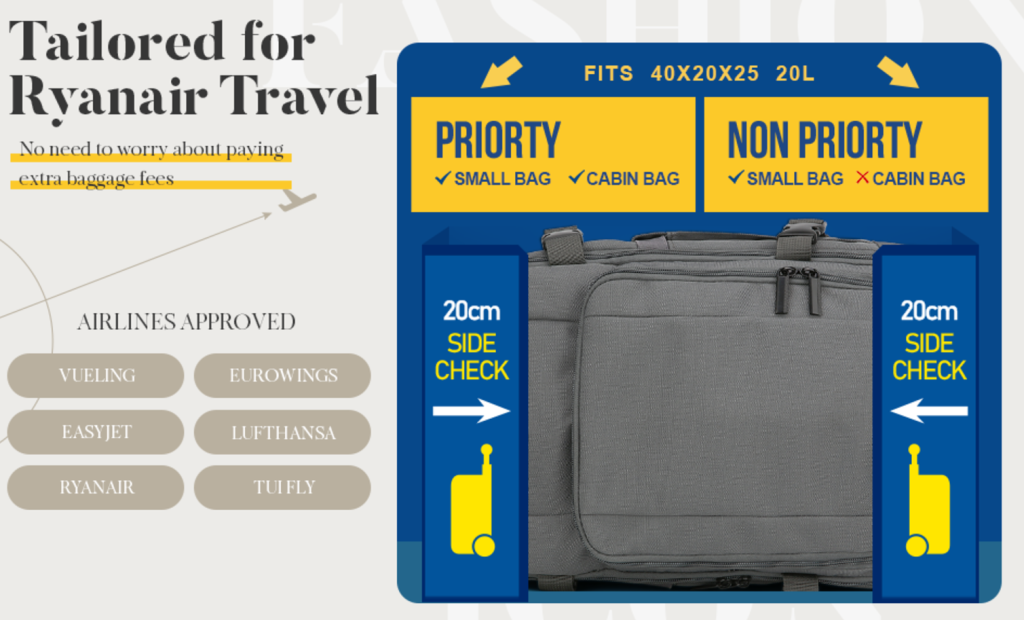
Most airlines have standardized dimensions for carry-on luggage, commonly around 22″ x 14″ x 9″ (56 x 36 x 23 cm). Additionally, weight limits may apply, so it’s wise to check with your airline before you pack.To make things easier for travelers, here’s a quick-reference chart for common carriers:
| Airline | Carry-On Size Limit | Weight Limit |
|---|---|---|
| American Airlines | 22″ x 14″ x 9″ | 40 lbs (18 kg) |
| Delta Airlines | 22″ x 14″ x 9″ | 40 lbs (18 kg) |
| Ryanair | 15.7″ x 7.9″ x 7.9″ | 22 lbs (10 kg) |
| Southwest Airlines | 24″ x 16″ x 10″ | No specific weight limit |
By familiarizing yourself with these dimensions and weight restrictions, you can avoid any surprises when you arrive at the airport.
Personal Item vs. Carry-On: What’s the Difference?
Travelers often confuse personal items with carry-ons, but understanding the difference is essential for hassle-free travel.
A personal item is a smaller bag, like a backpack, purse, or laptop bag, designed to fit snugly under the seat in front of you. This bag typically holds essentials such as electronics, travel documents, or snacks for easy access during the flight.
On the other hand, a carry-on is a larger piece of luggage meant to be stored in the overhead bin. Carry-ons are used for items like clothing, shoes, and toiletries, offering more storage space but requiring adherence to strict size and weight limits. Recognizing these distinctions helps maximize your packing options while avoiding unexpected fees or inconvenience at the gate.
Is a Backpack a Personal Item or a Carry-On?
The short answer: it depends on your backpack’s size. Here’s how most airlines classify them:
- Personal Item: Small backpacks or daypacks that fit comfortably under the seat are considered personal items. These are included in most airline tickets at no extra charge.
- Carry-On: Larger backpacks, such as travel or hiking backpacks, often qualify as carry-on luggage. These bags must meet specific size dimensions, usually around 22” x 14” x 9”, and are stored in the overhead compartment.
The flexibility of a backpack is a major advantage, as you can use it as a personal item to bring an additional carry-on without incurring extra fees.
How Airlines Classify Backpacks?
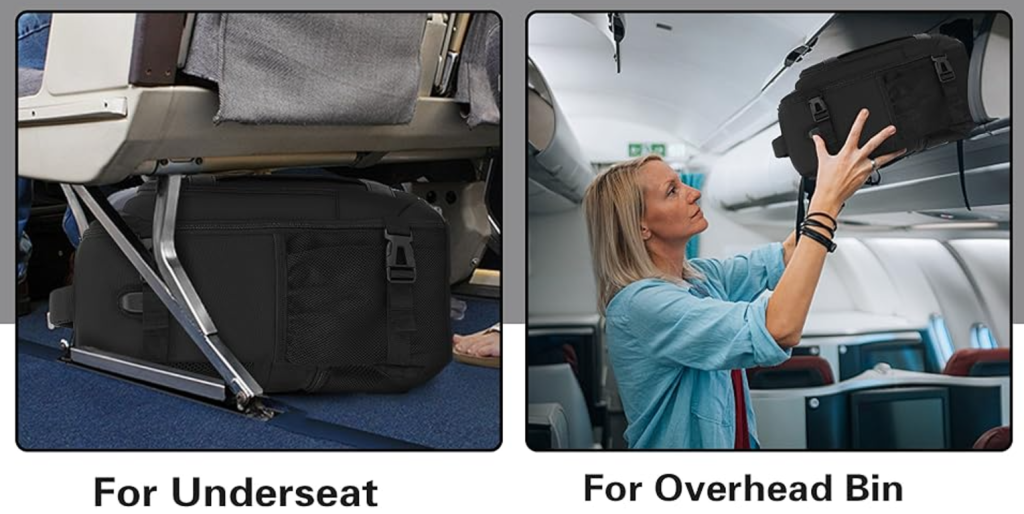
Airline policies vary, and understanding their specific requirements can make or break your packing strategy. Let’s dive deeper into some common classifications and what you need to keep in mind when flying with your backpack.
American Airlines
American Airlines has clear guidelines regarding carry-on and personal items. A backpack that measures 18″ x 14″ x 8″ or smaller qualifies as a personal item, which must fit under the seat in front of you. If your backpack exceeds these dimensions, it will be classified as a carry-on and must fit within the overhead bin. Additionally, American Airlines enforces a weight limit of 40 lbs (18 kg) for carry-on bags, so it’s essential to pack wisely to avoid extra fees.
Delta Air Lines
Delta Air Lines follows a similar approach to American Airlines but has slightly different dimensions for personal items. A backpack must fit under the seat to qualify as a personal item; otherwise, it needs to be stored in the overhead bins. Delta’s maximum dimensions for carry-on luggage are also 22″ x 14″ x 9″. It’s important to measure your backpack accurately before heading to the airport to ensure compliance with their rules.
Ryanair
Ryanair is known for its stringent baggage policies, particularly concerning personal items. The airline allows one free personal item with maximum dimensions of 15.7″ x 7.9″ x 7.9″ (40 cm x 20 cm x 20 cm). If your backpack exceeds these measurements, you may face additional fees or be required to check it in at the gate. Ryanair often charges for larger carry-ons, making it crucial to adhere strictly to their size limits.
Other Airlines
- Southwest Airlines: Allows a carry-on bag up to 24″ x 16″ x 10″ and a personal item that fits under the seat.
- United Airlines: Similar to Delta, United permits carry-ons of 22″ x 14″ x 9″ and personal items that must fit beneath the seat.
- JetBlue Airways: Adheres to the same dimensions as United and Delta for both carry-ons and personal items.
The key takeaway? Measure your backpack, check airline guidelines, and plan accordingly to maximize your baggage allowance without extra fees.
Backpack vs. Suitcase & Duffle Bag: Which One Works Best As A Carry-On?
What Are the Benefits of Using a Backpack as a Carry-On?
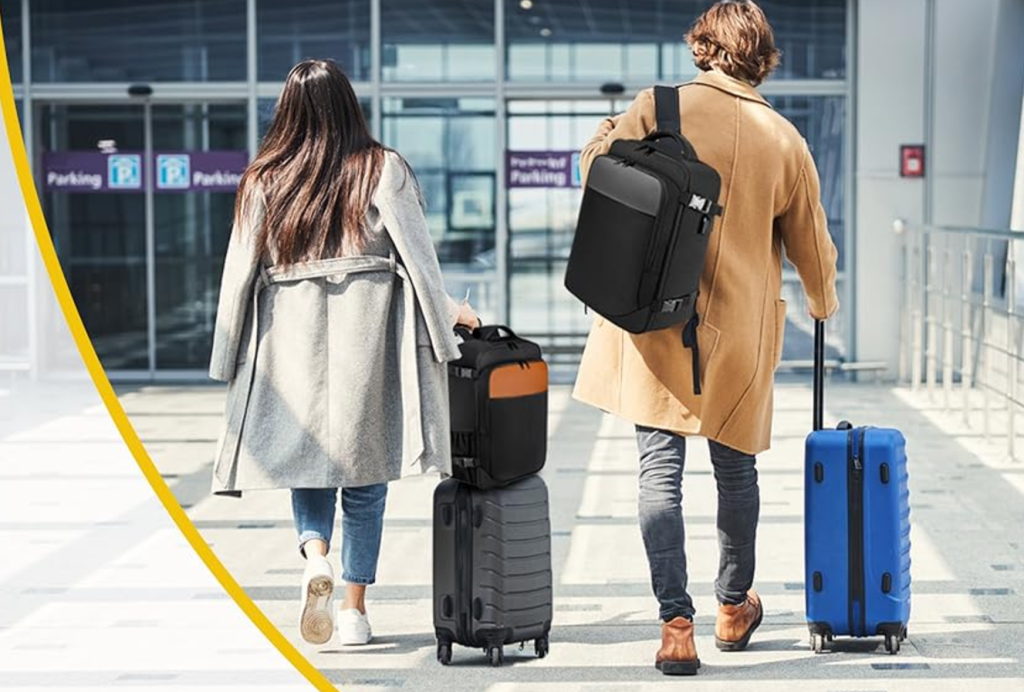
Backpacks are the go-to choice for many travelers, but how do they stack up against suitcases and duffle bags?
Backpacks are lightweight, compact, and hands-free, making them perfect for navigating busy airports, uneven terrain, or stairs. They distribute weight evenly across your shoulders and often come with multiple compartments to keep your belongings organized. However, backpacks may struggle with bulky or fragile items, and they might not look as polished in formal settings.
For casual or adventure travel, backpacks shine in mobility and practicality.
[Backpacks are ideal for comfort, organization, and versatility, especially for light packers.]
Why Choose a Suitcase as a Carry-On?
Suitcases offer structure and ease of transport, but are they always the better option?
Suitcases excel in packing efficiency, with rigid frames that protect fragile items and maximize space. They roll smoothly through terminals and ensure your belongings stay wrinkle-free. However, they’re less convenient for navigating stairs, cobblestones, or other uneven surfaces and can be bulky to store in tight overhead bins.
Suitcases are best for travelers who prioritize polished appearances and structured packing.
[Suitcases are the top choice for business trips and urban destinations requiring neat, organized packing.]
What Are the Advantages of Using a Duffle Bag as a Carry-On?
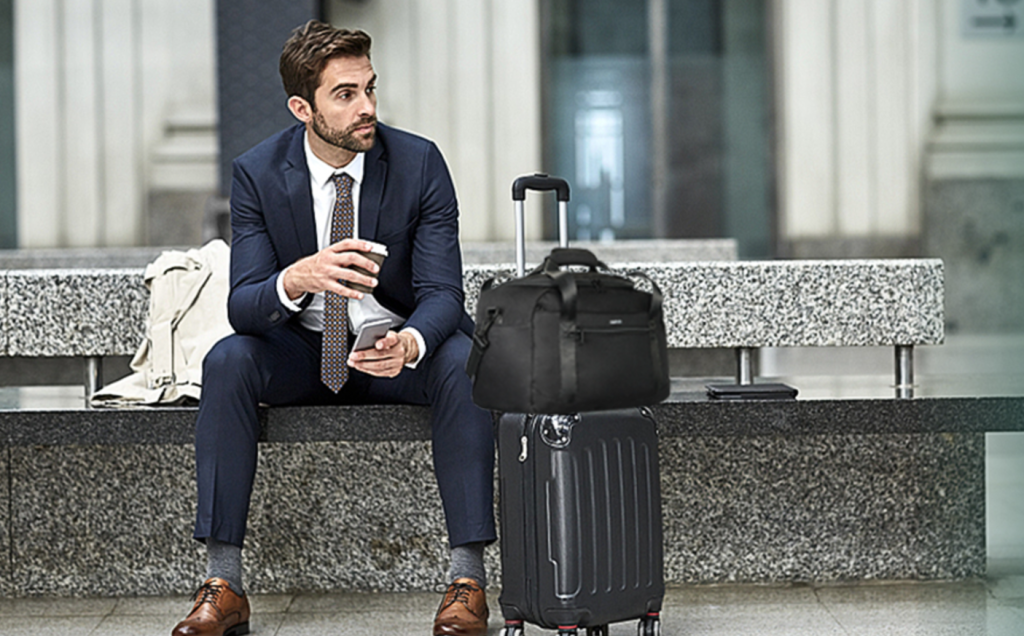
Duffle bags are the simplest option, but do they compromise functionality?
Duffle bags offer unmatched flexibility, with spacious interiors that accommodate bulkier items. Their soft-sided design allows them to fit into tight spaces, making them versatile for various airline storage compartments. However, they lack the ergonomic support of backpacks and the organizational features of suitcases, making them less comfortable for long journeys.
Duffle bags are a great pick for short trips, gym-to-airport travel, or situations where quick access is key.
[Duffle bags are best for bulkier packing needs and travelers looking for simplicity.]
Which One Works Best for You?
Not sure whether a backpack, suitcase, or duffle bag is the right carry-on for your trip? It depends on your priorities.
Choose a backpack for comfort, hands-free mobility, and adventurous trips. Opt for a suitcase when you need structured packing and a polished look. Go for a duffle bag if you prioritize packing flexibility and quick access to your belongings.
For indecisive travelers, hybrid options like backpack-duffle bags or wheeled backpacks combine the best features of these designs.
Types of Backpacks Suitable for Carry-On
What Types of Backpacks Are Ideal for Carry-On Use?
Not all backpacks are created equal when it comes to air travel. So, which types make the best carry-ons?
Carry-on-friendly backpacks are designed to meet airline size requirements while maximizing packing efficiency. They come in various styles, from structured travel backpacks with multiple compartments to lightweight minimalist designs for short trips. The right choice depends on your travel needs and preferences.
Selecting a backpack that fits your airline’s size rules and matches your packing style is key to a smooth travel experience.
Popular Categories of Carry on Travel Backpacks
Different types of backpacks cater to various travel preferences. Here are the most popular styles:
- Structured Travel Backpacks: Such as the Osprey Farpoint 40—designed specifically for travel with ample organization options including laptop compartments and side pockets.Best for longer trips or multi-purpose travel.
- Convertible Hybrid Backpacks: Versatile designs that convert into duffle bags or shoulder bags for added flexibility.Like Peak Design Travel Backpack, Tortuga Setout perfect for travelers who need multiple carrying options
- Minimalist Backpacks: Slim, lightweight backpacks for short trips or as personal items.Herschel Little America, Bellroy Transit Backpack great for budget travelers or weekend getaways.
Each type offers unique features tailored to specific travel styles and packing needs.
How to Choose the Right Backpack for Carry-On Travel
What Should You Consider When Choosing a Carry-On Backpack?
Choosing the right backpack for carry-on travel can make or break your trip. But what features matter most?
The ideal carry-on backpack meets airline size limits, provides ample storage, and prioritizes comfort. Features like compartments, durable materials, and ergonomic designs ensure your bag is both functional and travel-friendly. Tailoring your choice to your specific travel needs will enhance convenience and reduce stress.
The right backpack is one that works with your travel style, not against it.
What Features Make the Perfect Carry-On Backpack?
Use this quick and easy checklist to ensure you pick the perfect carry-on backpack for your travel needs. Save time and avoid headaches by focusing on these essential features:
1. Size and Dimensions
- ✅ Fits within standard carry-on backpack size limits: 22” x 14” x 9” or smaller.
- ✅ Meets stricter budget airline personal item size limits: 18” x 14” x 8” or less.
- ✅ Ideal capacity for a carry-on travel backpack: 30L-40L for short to medium trips.
- ✅ Compact enough for overhead bins or under-seat storage as required.
2. Materials and Durability
- ✅ Made from lightweight yet durable materials like nylon or polyester to comply with airline carry-on backpack rules.
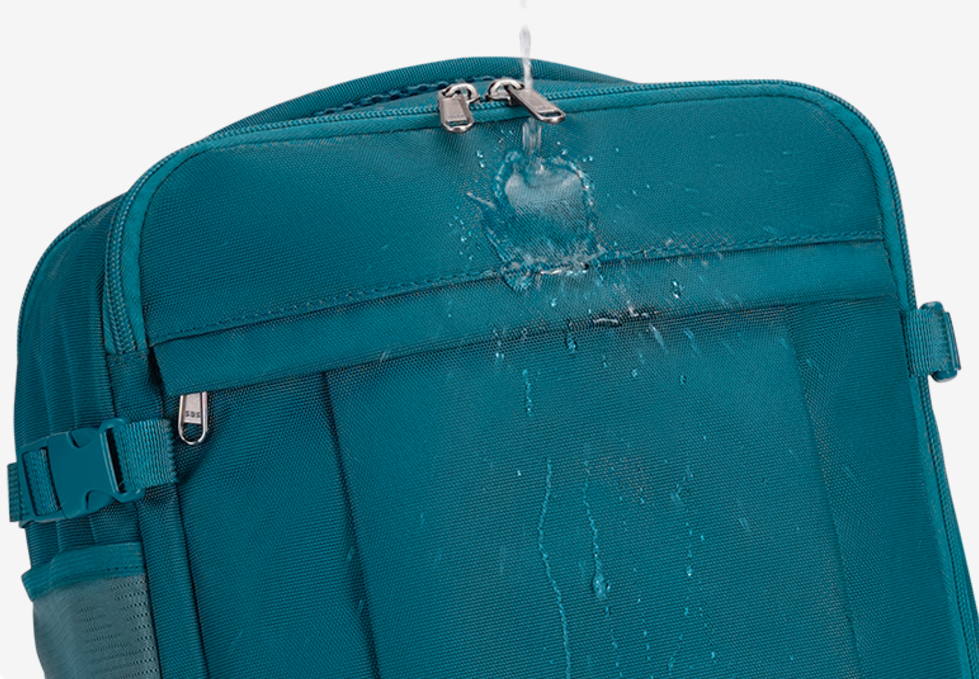
- ✅ Water-resistant or waterproof material to protect belongings from weather and spills.
- ✅ Reinforced stitching and strong zippers for long-lasting use during frequent travel.
3. Comfort Features
- ✅ Padded shoulder straps to reduce strain during long walks or waits.
- ✅ Adjustable sternum straps or hip belts for better weight distribution, ideal for a comfortable carry-on backpack.
- ✅ Breathable back panel for added comfort on hot days or extended travel periods.
4. Organization and Storage
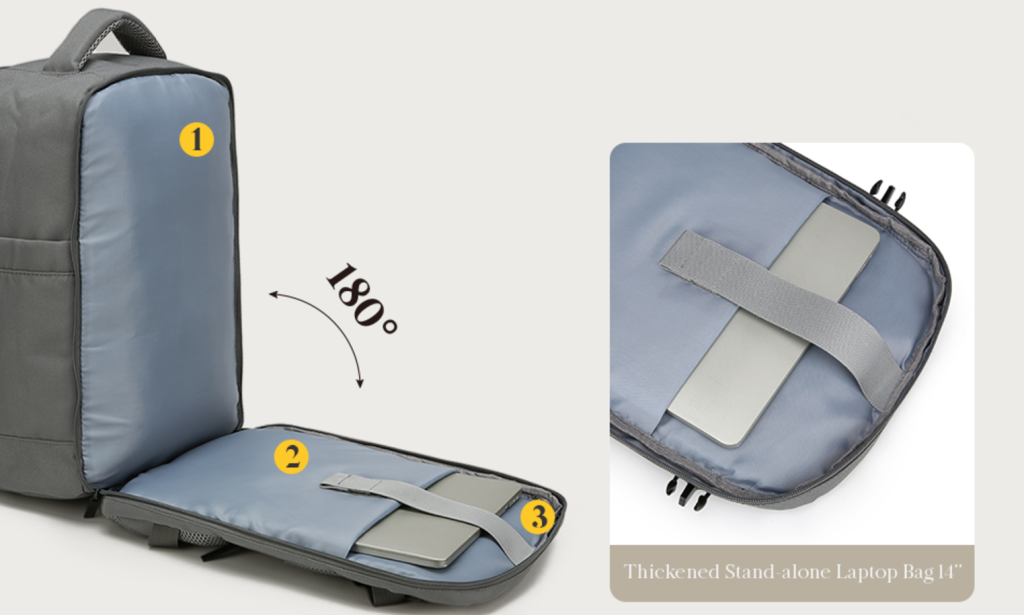
- ✅ Multiple compartments for organizing clothes, electronics, and toiletries, making it a well-organized carry-on backpack.
- ✅ TSA-friendly laptop sleeve for fast access at security checks.
- ✅ Hidden anti-theft pockets to secure passports, wallets, or travel documents.
5. Expandability and Compression
- ✅ Expandable compartments for added storage when needed, making it a versatile carry-on backpack.
- ✅ Compression straps to ensure the backpack stays compact and fits strict airline size limits.
6. Travel-Specific Features
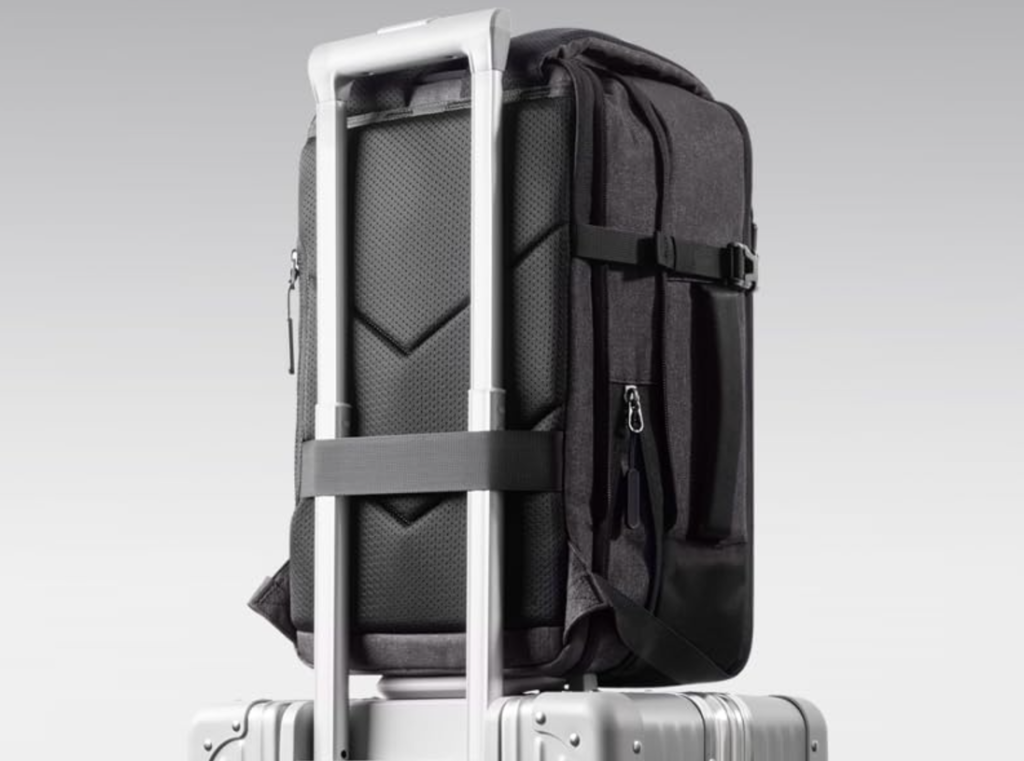
- ✅ Luggage pass-through sleeve for securing the backpack to rolling luggage handles, great for business travelers.
- ✅ Detachable daypack or modular design for dual use during long trips.
- ✅ Multiple carry options (top handle, side handle, backpack straps) for convenience in crowded spaces.
7. Aesthetic and Purpose
- ✅ Sleek, minimal design for business carry-on backpacks that look professional.
- ✅ Outdoor-ready features like hydration sleeves or gear loops for adventure travel.
- ✅ Compact and lightweight design suitable for short trips or when using the backpack as a personal item for air travel.
Backpack Packing Tips – Maximize Your Carry-On Space
Actionable Packing Strategies
To optimize space in your chosen backpack size:
- Use compression bags or packing cubes to optimize space by keeping clothes organized while reducing bulk.
- Roll clothes instead of folding them to minimize wrinkles while saving room—this technique also helps fit more into smaller spaces!
- Pack strategically by placing heavier items at the bottom of the bag (to maintain balance) while keeping essentials easily accessible at the top—this ensures quick access during security checks or when boarding flights!
Travel Scenarios
Provide tailored packing tips:
- Weekend getaways might require fewer clothes but more versatile outfits.
- Business trips could necessitate careful organization of electronics alongside formal attire.
- Long-haul flights require thoughtful packing of entertainment options along with comfortable clothing layers!
Include visuals like packing diagrams showing how best to arrange items within various types of backpacks!
How to Ensure Your Backpack Meets the Size Requirements
Packing your backpack for a flight is exciting, but failing to meet airline size requirements can lead to unnecessary fees or last-minute gate-checking. How do you ensure your backpack is compliant?
Airlines enforce strict carry-on size limits, which vary between carriers. To avoid surprises, it’s essential to measure your backpack, understand size regulations, and plan your packing accordingly. A well-prepared traveler saves both time and money.
Knowing how to check your backpack’s dimensions can help you travel hassle-free.
How Do You Measure Your Backpack?
Measuring your backpack correctly is the first step to compliance. Here’s how to do it:
- Measure Height, Width, and Depth:
- Use a tape measure to check the height (top to bottom), width (side to side), and depth (front to back), including external pockets or straps.
- Example: A standard carry-on size is 22” x 14” x 9”.
- Account for Overpacking:
- Expanded compartments or stuffed pockets can increase your bag’s dimensions. Always measure your bag fully packed.
- Weigh Your Backpack:
- Use a luggage scale to ensure the backpack doesn’t exceed airline weight limits (usually 15-20 lbs for carry-ons).
Common Mistakes to Avoid with Carry-On Backpacks
Highlight frequent errors made by travelers:
- Exceeding size or weight limits set forth by airlines resulting in extra charges.
- Overpacking leading them into unexpected gate-checking situations when they could have easily fit everything within allowable sizes.
- Misclassifying their backpack as either personal item or carry-on causing confusion at boarding gates!
Provide actionable strategies so readers can avoid these pitfalls—especially those traveling with budget airlines known for strict enforcement policies!
FAQ: Common Questions About Backpack Carry-Ons
1. What Should I Pack In My Backpack Carry-On?
Pack essentials like travel documents, electronics (laptop, chargers, headphones), a change of clothes, TSA-compliant toiletries, snacks, medications, and comfort items like a neck pillow.
2. What If My Backpack Doesn’t Fit in the Overhead Bin?
If your backpack doesn’t fit in the overhead bin, try placing it under the seat in front of you. If it’s too large, most airlines will allow you to gate-check it free of charge.
3. What Size Backpack Fits Under a Plane Seat?
Most airlines accept backpacks with dimensions under 18” x 14” x 8” as personal items. Smaller daypacks, slim laptop bags, or compact travel backpacks usually qualify.
4. Can You Take a 40L Backpack as a Carry-On?
Yes, as long as it meets the airline’s carry-on size requirements (usually 22” x 14” x 9”). Measure your 40L backpack when fully packed to ensure compliance.
5. Will a 35L Backpack Fit Under an Airplane Seat?
A 35L backpack may fit under the seat if it has a slim profile and doesn’t exceed personal item size limits (e.g., 18” x 14” x 8” for most airlines).
6. How Strict Are Airlines About Backpack Size?
Airlines vary in strictness. Budget carriers like Ryanair are more likely to enforce size limits, while larger carriers like Delta and American Airlines are more lenient as long as the backpack doesn’t obstruct storage.
7. What Is the TSA-Approved Carry-On Size?
The TSA itself doesn’t set size limits, but most airlines allow carry-ons up to 22” x 14” x 9”. Personal items must fit under the seat in front of you, following airline-specific guidelines.
Conclusion
Choosing the right backpack and understanding airline-specific rules can make all the difference in ensuring smooth travels every time! Preparation is key; knowing what works best will help avoid unnecessary stress at airport terminals while maximizing enjoyment throughout each journey taken!We encourage you all today share tips/favorite carry-on backpacks within comment section below—your insights could help fellow travelers make informed decisions!
Discover how the right backpack can streamline your travel experience. Whether you’re navigating airline rules or packing smarter, Osgoodway’s customizable backpacks combine style, function, and durability to meet your carry-on needs.
👉 Ready to upgrade your travel gear?
Contact us today to create custom backpacks that suit your brand’s unique needs. Lightweight, practical, and TSA-friendly designs available at competitive prices!
📩 Email: zoey@osgoodwaybag.com