You’re packing for a trip, but you’re unsure if your duffel bag meets airline carry-on requirements.Overpacking or using the wrong bag could cost you time and money.This guide will clarify all the rules and help you pack stress-free.
Yes, most duffel bags can be used as carry-on luggage if they meet airline size restrictions. Flexible and easy to stow, they’re a practical alternative to rolling suitcases.
From choosing the right bag to packing tips and airline policies, this guide will help you navigate the dos and don’ts of flying with a duffel. Let’s dive in!
What Are Airline Rules for Carry-On Luggage?
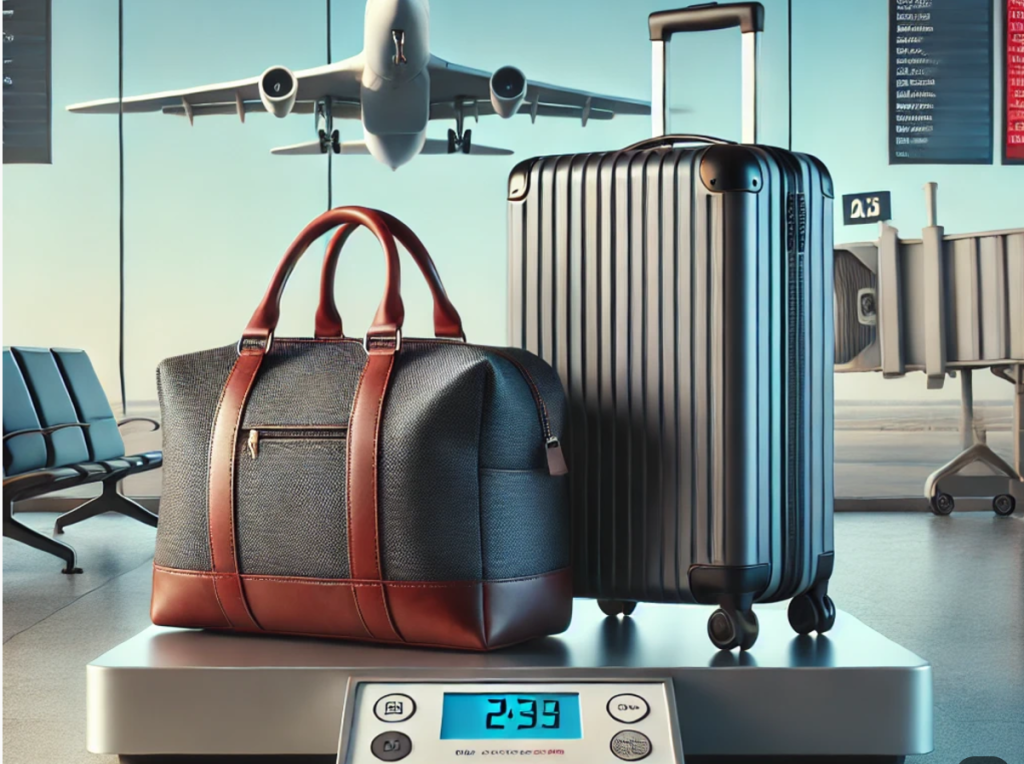
Before you pack your duffel bag and head to the airport, it’s essential to understand the carry-on policies of various airlines. Each airline has its own rules regarding size, weight, and item limits for carry-on luggage.
Carry-On Size and Dimensions
Most airlines specify maximum dimensions for carry-on bags, including duffel bags. Typically, the standard size is 22 x 14 x 9 inches (56 x 36 x 23 cm), including handles and wheels. However, budget airlines may have stricter limits,for example, Spirit Airlines has a maximum size limit of 18 x 14 x 8 inches.
Weight Restrictions
While many airlines in the U.S. don’t enforce weight limits for carry-ons, international carriers often do. Weight limits can range from 15 to 22 pounds (7 to 10 kilograms). A lightweight duffel bag is an advantage here, as it reduces the overall weight.
Number of Bags Allowed
Airlines generally allow one carry-on item and one personal item (e.g., a purse, backpack, or laptop bag). A duffel bag is typically considered your main carry-on. Smaller duffel bags may qualify as a personal item if they fit under the seat in front of you.
How to Check Your Duffel Bag
To ensure your duffel complies with airline policies:
- Measure Dimensions: Use a tape measure to check the height, width, and depth when packed.
- Weigh It Packed: A portable luggage scale can help confirm compliance with weight restrictions.
- Test Fit: Check that your duffel fits within the airline’s sizer or personal item allowance if applicable.
By understanding and following these guidelines, you’ll save time and avoid the stress of last-minute bag checks or extra fees.
Why Choose a Duffel Bag as a Carry-On?

The Advantages of Duffel Bags
Duffel bags have become a popular choice for carry-on luggage, and it’s easy to see why. Their flexible design, lightweight structure, and versatility make them ideal for a variety of travel scenarios. Here’s why you might want to opt for a duffel bag on your next trip.
1. Flexibility and Space Efficiency
Unlike rigid suitcases, duffel bags can easily adapt to fit in tight spaces, such as overhead bins or under seats. Their soft-sided design allows you to pack odd-shaped items, making them an excellent choice for travelers who prioritize packing flexibility.
2. Lightweight Design
Most duffel bags are significantly lighter than rolling luggage, allowing you to maximize your packing while staying within airline weight restrictions. This feature is especially beneficial for airlines with strict weight limits for carry-on items.
3. Ease of Transportation
With handles, shoulder straps, and sometimes backpack-style options, duffel bags offer multiple carrying methods. This versatility makes them a practical choice for navigating crowded airports or handling stairs and uneven terrain.
4. Stylish and Versatile Options
Duffel bags come in a wide range of styles, materials, and sizes. From sleek leather options to rugged, waterproof designs, there’s a duffel bag to suit every traveler’s taste and needs. Many models are multi-purpose, doubling as gym bags or overnight bags.
5. Budget-Friendly Choices
Compared to high-quality rolling luggage, duffel bags often come at a more affordable price point. They offer excellent value for money, especially for travelers who don’t need heavy-duty features.
To inspire your travel choices further, consider the versatility and style of trendy duffel bags. Whether you’re heading to the gym, embarking on a weekend getaway, or preparing for an outdoor adventure, there’s a perfect duffel for every occasion: The 16 Best Duffel Bags for Gym Enthusiasts in 2024, From Gym to Getaway: Versatile Weekend Duffel Bags for Active Travelers
With their blend of practicality, style, and affordability, duffel bags are an excellent alternative to traditional rolling luggage. But they’re not without challenges—next, we’ll address the potential drawbacks and how to overcome them.
Common Challenges of Using a Duffel Bag as Carry-On (and How to Overcome Them)
While duffel bags offer many advantages as carry-on luggage, they’re not without their drawbacks. However, with the right strategies, you can address these challenges and make your duffel the perfect travel companion.
1. Lack of Structure for Delicate Items
Unlike hard-shell luggage,duffel bags are soft-sided, which means they may not provide much protection for fragile items. This can be a concern if you’re carrying electronics, souvenirs, or other breakable belongings.
Solution:
- Use padded cases for fragile items.
- Pack delicate items in the center of your duffel, surrounded by soft clothing for cushioning.
- Consider a hybrid duffel with a semi-rigid base for added support.
2. Risk of Overpacking
It’s easy to overpack a duffel bag, which can lead to exceeding size or weight restrictions at the airport.
Solution:
- Use packing cubes to compartmentalize items and limit space.
- Pack only what’s essential, using a checklist to avoid adding unnecessary items.
- Weigh your packed bag with a portable scale before heading to the airport.
3. Limited Organization
Many duffel bags lack the compartments and dividers found in rolling luggage, making it harder to keep items organized.
Solution:
- Invest in a duffel with multiple compartments or external pockets.
- Use small pouches or zippered bags to separate toiletries, electronics, and clothing.
- Keep frequently used items near the top for easy access.
4. Strain on Shoulders or Back
Carrying a fully loaded duffel bag for extended periods can lead to discomfort, especially if you’re navigating a large airport or walking long distances.
Solution:
- Choose a duffel with padded straps or backpack-style carrying options.
- Distribute weight evenly inside the bag to avoid strain.
- Use a rolling duffel for added convenience on longer trips.
5. Difficulty Meeting Airline Requirements
Not all duffel bags are designed to fit carry-on size restrictions, especially when overstuffed.
Solution:
- Measure your duffel when fully packed to ensure compliance.
- Stick to airlines that have generous carry-on size policies if you prefer larger duffels.
- Opt for a compact, airline-approved duffel specifically designed for carry-ons.
By addressing these common challenges, you can enjoy the benefits of traveling with a duffel bag while minimizing any potential downsides. In the next section, we’ll guide you through selecting the perfect duffel bag for your travels.
How to Choose the Perfect Duffel Bag for Travel

Selecting the right duffel bag is essential for a smooth and hassle-free travel experience. With so many options available, here are the key features to consider when choosing a duffel bag for carry-on use.
1. Size and Airline Compliance
The most critical factor is ensuring your duffel bag meets carry-on size restrictions for the airlines you fly with. Most airlines allow carry-ons up to 22 x 14 x 9 inches, but some low-cost carriers may have smaller limits.
Tips:
- Look for bags labeled as “airline-approved” or “carry-on compliant.”
- Consider compact options with expandable sections for flexibility.
2. Material and Durability
A good travel duffel bag should be made of sturdy, lightweight material that can withstand the rigors of travel.
Options to Consider:
- Nylon or Polyester: Lightweight and resistant to wear and tear.
- Leather: Stylish but heavier, suitable for short trips or professional settings.
- Waterproof Materials: Ideal for protecting your belongings in unpredictable weather.
3. Organizational Features
Unlike traditional suitcases, duffel bags can lack internal compartments, making organization tricky. Choose a bag with built-in features to keep items sorted.
Key Features to Look For:
- Multiple internal and external pockets.
- Separate compartments for shoes or toiletries.
- Padded laptop sleeves for business travelers.
4. Comfort and Carrying Options
Since duffel bags are often carried by hand or on the shoulder, comfort is essential, especially for long walks or extended travel.
Must-Have Features:
- Padded, adjustable shoulder straps.
- Convertible straps for backpack-style carrying.
- Handles with cushioned grips.
5. Style and Design
Duffel bags come in various designs, from sleek and minimalist to rugged and sporty. Select one that matches your personal style and the type of trip you’re planning.
Examples:
- Sleek leather duffels for business travel.
- Lightweight, colorful designs for casual trips.
- Rugged, water-resistant options for outdoor adventures.
6. Price and Value for Money
Duffel bags are available at a wide range of price points. Determine your budget and prioritize features that matter most to you.
Recommendations:
- Budget-friendly options: Great for occasional travelers.
- Mid-range bags: Durable and feature-rich for frequent flyers.
- Premium duffels: High-end materials and designs for style-conscious travelers.
Personal Item vs. Carry-On: Can Your Duffel Bag Be Both?
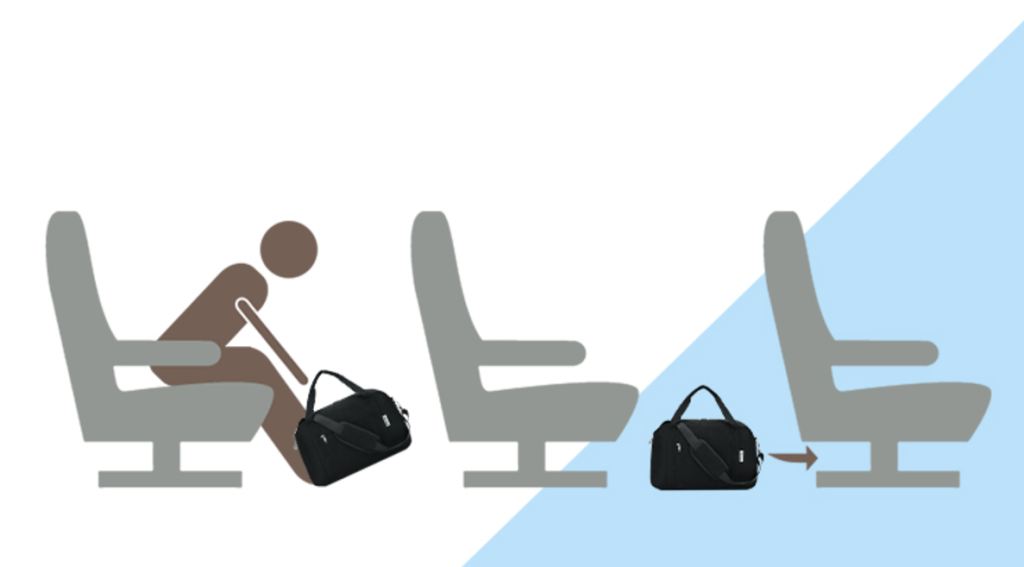
When flying, the distinction between a carry-on and a personal item can be confusing, especially if you’re using a versatile bag like a duffel. The good news? Your duffel bag can often serve as either a carry-on or a personal item—if it meets certain criteria.
What’s the Difference Between a Carry-On and a Personal Item?
- Carry-On Luggage: Typically stored in the overhead bin, it must adhere to specific size and weight limits set by the airline (usually around 22 x 14 x 9 inches).
- Personal Item: Smaller than a carry-on, it must fit under the seat in front of you. Examples include backpacks, handbags, or compact duffel bags.
Can a Duffel Bag Be a Personal Item?
Yes, a duffel bag can qualify as a personal item if it is small enough to fit under the seat. Airlines don’t usually specify bag types, focusing instead on size restrictions.
Practical Tips
To effectively utilize your duffel bag as both a personal item and a carry-on, consider these practical tips:
- Combine Your Bags: If you’re traveling with a duffel bag, think about pairing it with other small bags like backpacks or purses. This strategy allows you to distribute weight and keep essential items easily accessible.
- Use the “Test Your Duffel” Checklist: Before heading out the door, use our quick checklist to assess whether your duffel bag complies with airline rules. Measure your bag against the airline’s size requirements for both personal items and carry-ons to avoid surprises at the airport.
- Pack Strategically: When packing your duffel as a personal item, prioritize important documents (like your passport and tickets), electronics (such as laptops and tablets), medications, and comfort items (like neck pillows or snacks). For your carry-on, focus on clothing and larger items that you may need during your trip.
By understanding these definitions and following these tips, you can ensure that your duffel bag serves its purpose effectively, providing convenience and flexibility during your travels.
Duffel Bags vs. Rolling Luggage and Backpacks: Which Is Better for Carry-On Use?
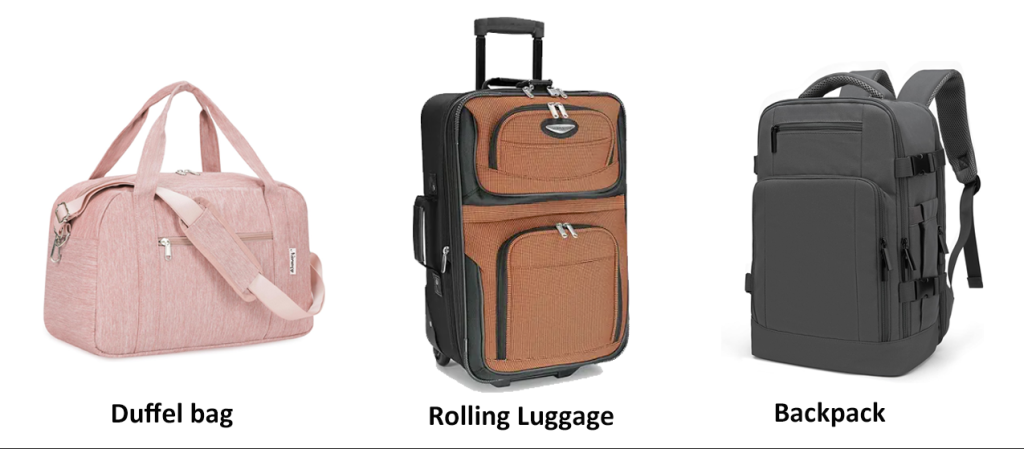
Choosing the best carry-on bag for your travels often comes down to personal preference and trip-specific needs. Duffel bags, rolling luggage, and backpacks all have their unique advantages and challenges. Here’s a breakdown to help you decide which one works best for your next trip.
Here’s a comparison table that outlines the key features, pros, and cons of duffel bags, rolling luggage, and backpacks for carry-on use:
| Feature | Duffel Bags | Rolling Luggage | Backpacks |
|---|---|---|---|
| Portability | Lightweight and easy to carry | Convenient wheels for rolling | Hands-free carrying |
| Organization | Generally less structured | Often has multiple compartments | Multiple pockets for organization |
| Weight | Typically lighter | Heavier due to wheels and frame | Varies; generally lightweight |
| Versatility | Great for various travel types | Best for organized trips | Excellent for urban and outdoor use |
| Accessibility | Easy to pack/unpack | Structured design for easy access | Can be cumbersome to access items at the bottom |
| Terrain Adaptability | Flexible; fits in tight spaces | Limited on uneven surfaces | Ideal for various terrains |
| Comfort | Can be cumbersome to carry long-term | Easy to roll but can be heavy | Distributes weight evenly |
| Capacity | Generally spacious | Available in various sizes | Limited capacity compared to duffels |
| Ideal Use Cases | Weekend getaways, gym trips | Business travel, organized trips | Hiking, urban exploration |
The Pros and Cons of Using Duffel Bags as Carry-ons
Pros:
- Versatility: Duffel bags are incredibly versatile, making them suitable for a variety of travel scenarios, from weekend getaways to extended adventures. Their soft structure allows them to fit into tight spaces, such as overhead compartments or under seats.
- Lightweight: Generally lighter than rolling luggage, duffels are easier to carry, especially when navigating through crowded airports or uneven terrain.
- Easy Packing: With a single large compartment, duffels allow for quick packing and unpacking. This simplicity is ideal for travelers who prefer a no-fuss approach.
Cons:
- Lack of Organization: Many traditional duffel bags lack internal compartments, which can lead to disorganization if you’re not careful with your packing.
- Carrying Comfort: While they can be carried over the shoulder or by hand, long periods of carrying can become cumbersome without proper support.
The Pros and Cons of Using Rolling Luggage as Carry-ons
Pros:
- Convenience: Rolling luggage is designed for easy transport across flat surfaces. The wheels allow you to glide through airports effortlessly, reducing the strain on your body.
- Stability: Many rolling bags come with a structured design that helps keep your belongings organized and protected during transit.
- Variety of Sizes: Rolling luggage is available in various sizes, making it easy to find one that fits your travel needs.
Cons:
- Limited Terrain Flexibility: Rolling luggage is less practical on uneven surfaces like cobblestones or dirt roads. If your travels involve significant walking in such environments, a rolling bag may hinder your mobility.
- Weight Factor: Rolling bags tend to be heavier than their duffel counterparts due to the added weight of wheels and frames.
The Pros and Cons of Using Backpacks as Carry-ons
Pros:
- Portability: Backpacks are designed for hands-free carrying, making them ideal for navigating busy airports or public transportation. They distribute weight evenly across your back, which can be more comfortable over long distances.
- Organizational Features: Many travel backpacks come equipped with multiple compartments and pockets, allowing for better organization of your belongings.
- Versatile Use: Backpacks are great for both urban exploration and outdoor adventures, making them suitable for a wide range of activities.
Cons:
- Capacity Limitations: While backpacks can hold a decent amount of gear, they typically have less capacity than duffels or rolling luggage, which may be limiting for longer trips.
- Accessibility Issues: Accessing items at the bottom of a fully packed backpack can be cumbersome compared to the wide opening of a duffel or rolling bag.
Ultimately, the choice between a duffel bag, rolling luggage, or backpack depends on your travel style and specific needs. If you prioritize flexibility and lightweight options for varied terrains, a duffel bag may be the best choice. If convenience and organization are key, consider rolling luggage. For hands-free mobility and ease of access in crowded spaces, a backpack might suit you best.
Packing a Duffel Bag Like a Pro: Tips for Maximum Efficiency
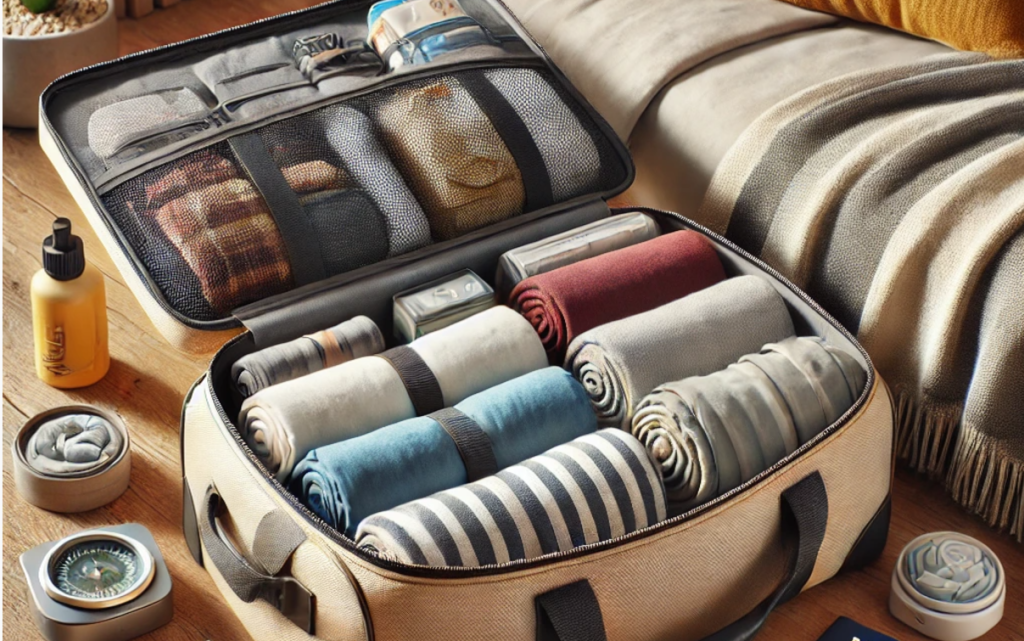
Space-Saving Packing Tips
Packing efficiently is crucial when using a duffel bag. Here are some strategies:
- Roll Your Clothes: Rolling minimizes wrinkles and maximizes space compared to folding.
- Utilize Packing Cubes: These help compartmentalize items and make it easy to access what you need during your flight.
Essentials to Keep Handy
Certain items should always be easily accessible during travel:
- Electronics (laptop/tablet)
- Toiletries (in compliance with TSA regulations)
- Travel documents (boarding passes, ID)
To further enhance your packing skills, we’ve included a step-by-step infographic demonstrating efficient packing techniques that will streamline your process.
Top Duffel Bag Recommendations for 2025
Here are some standout duffel bags for 2025, each catering to different needs and preferences:
Best Budget Option: REI Co-op Roadtripper Duffel 40L
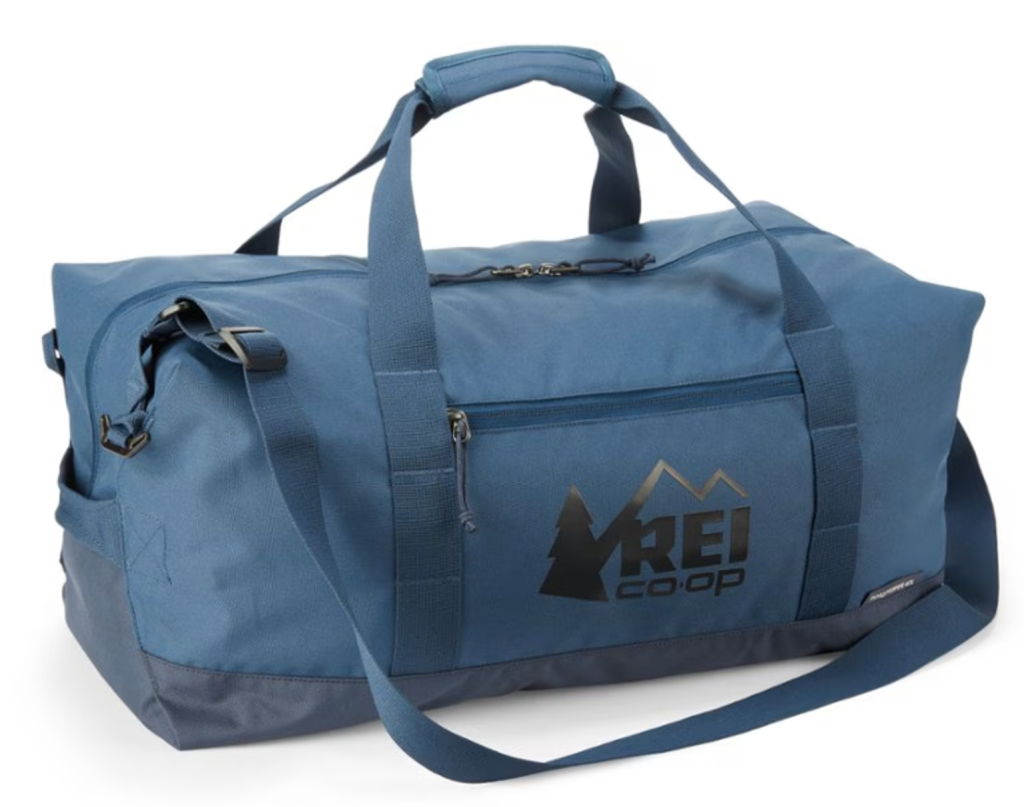
The REI Co-op Roadtripper Duffel is an excellent choice for budget-conscious travelers. With a spacious 40-liter capacity, this durable bag is made from water-resistant materials, making it perfect for various adventures. Its simple design features sturdy carrying handles and a removable shoulder strap, ensuring comfort while on the go.
Best for Business Travel: lululemon 2-in-1 Travel Duffle Backpack 45L
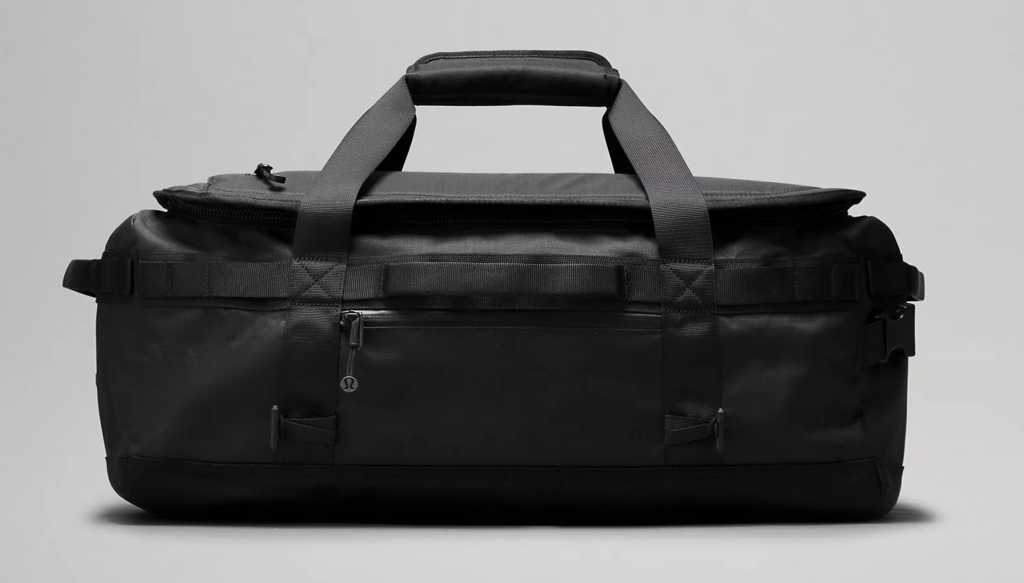
The Patagonia Black Hole Duffel is widely regarded as one of the best overall duffels on the market. With a robust 40-liter capacity and made from 100% recycled materials, this bag combines sustainability with performance. Its weather-resistant design protects your belongings from the elements, while the internal organization features, including a zippered side pocket and mesh lid pocket, keep everything in place. The Black Hole Duffel is versatile enough for both outdoor adventures and urban travel, making it a top pick for any traveler. Additionally, it offers multiple carrying options, including removable padded backpack straps and reinforced haul handles, ensuring comfort and convenience on the go.
Best for Organization: Thule Aion Duffel 35L
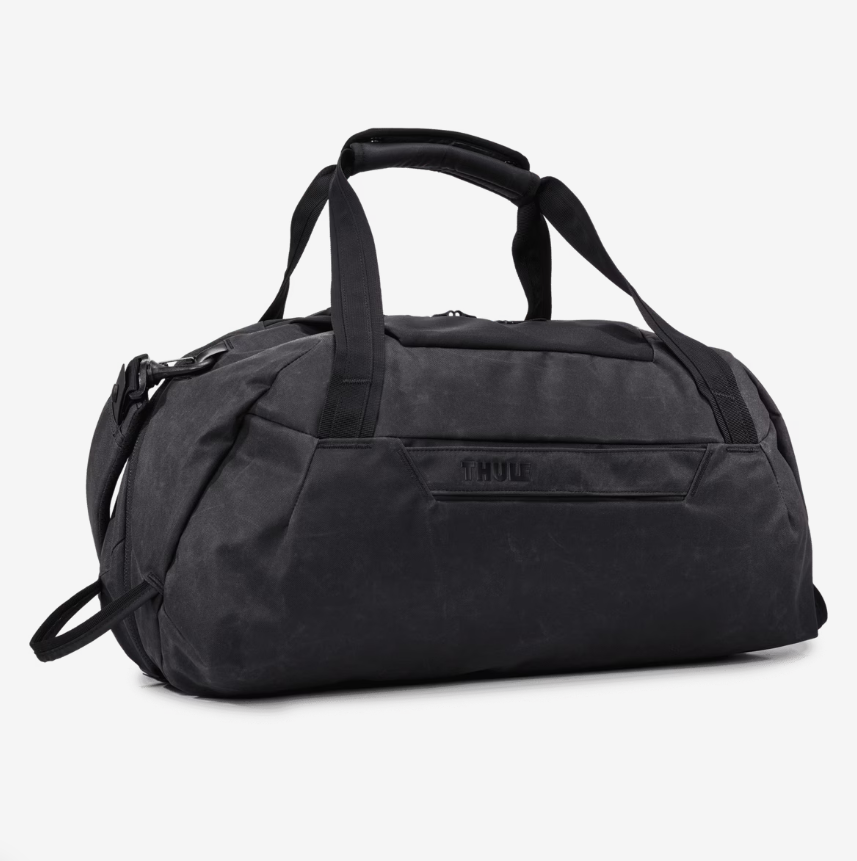
The Thule Aion Duffel stands out for its exceptional organizational capabilities. With a 35-liter capacity, this bag includes multiple compartments and pockets to keep your gear tidy and easily accessible. Its durable construction ensures that your belongings are well-protected, while the padded shoulder straps provide comfort during transport. The Aion also features a waterproof bottom, making it suitable for various environments.
Most Stylish: Leatherology Kessler Duffel
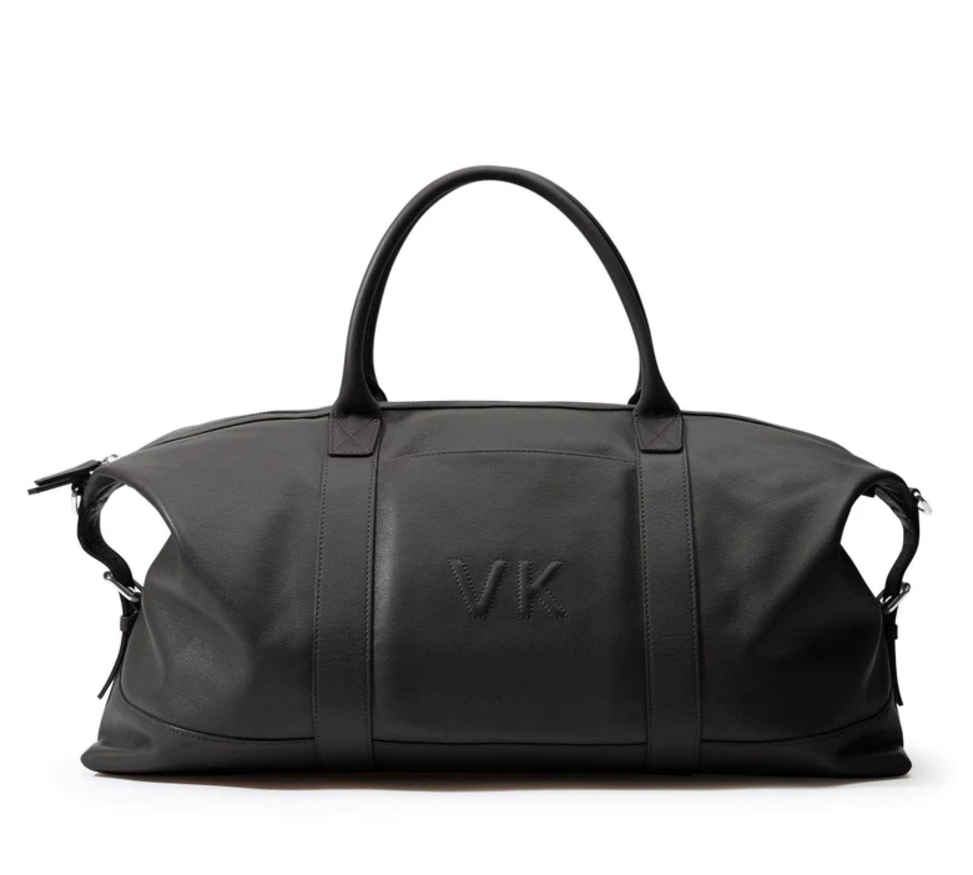
For those who prioritize aesthetics without sacrificing functionality, the Leatherology Kessler Duffel is an ideal choice. Crafted from high-quality leather, this stylish duffel not only looks sophisticated but also offers durability. With ample space for your essentials, it combines elegance with practicality, making it perfect for weekend getaways or business trips.
Best Lightweight Option: Samsonite Andante 2 Wheeled Duffel 22”
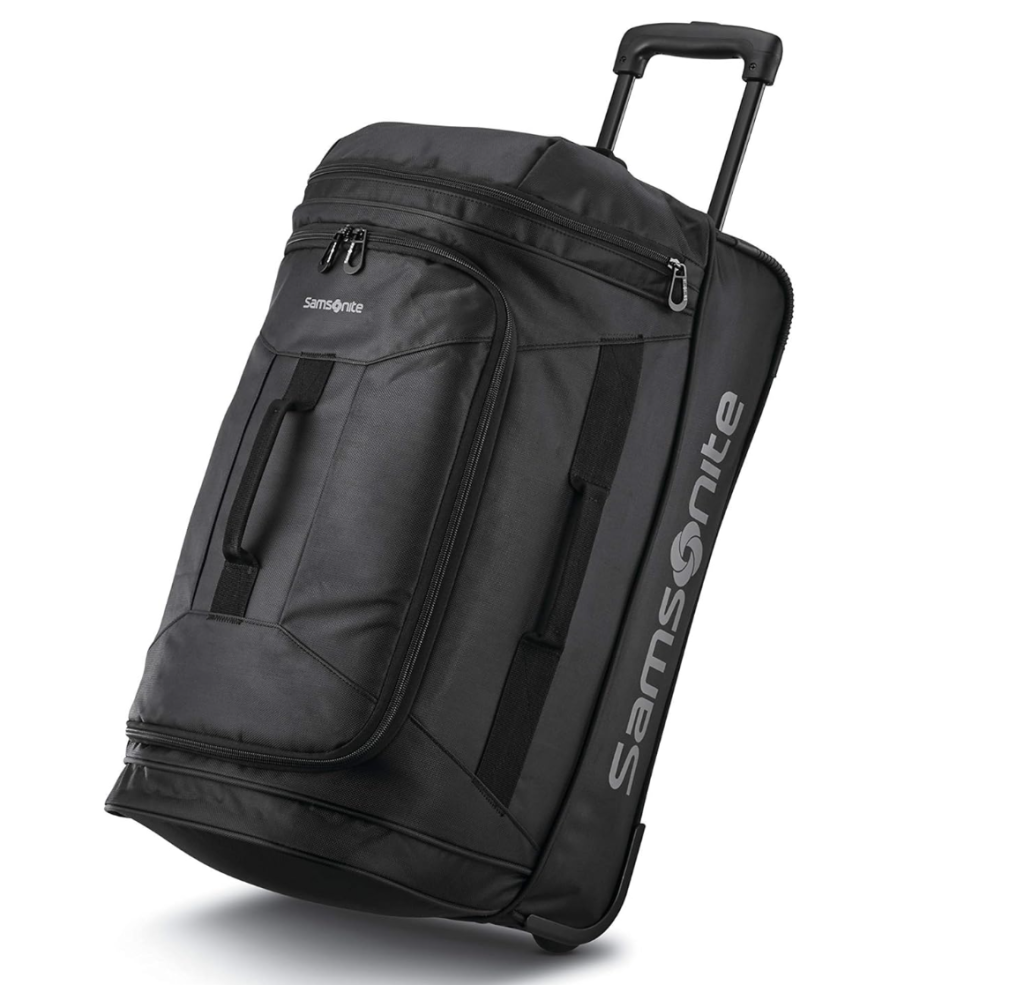
The Samsonite Andante 2 Wheeled Duffel is perfect for those seeking a lightweight yet spacious option. At just 22 inches, this duffel offers ample packing space while remaining easy to maneuver through airports or train stations. Its wheeled design allows for effortless transport, and the durable fabric ensures longevity. The Andante also includes multiple carrying options and external pockets for added convenience.
Best Overall: Patagonia Black Hole Duffel 40L
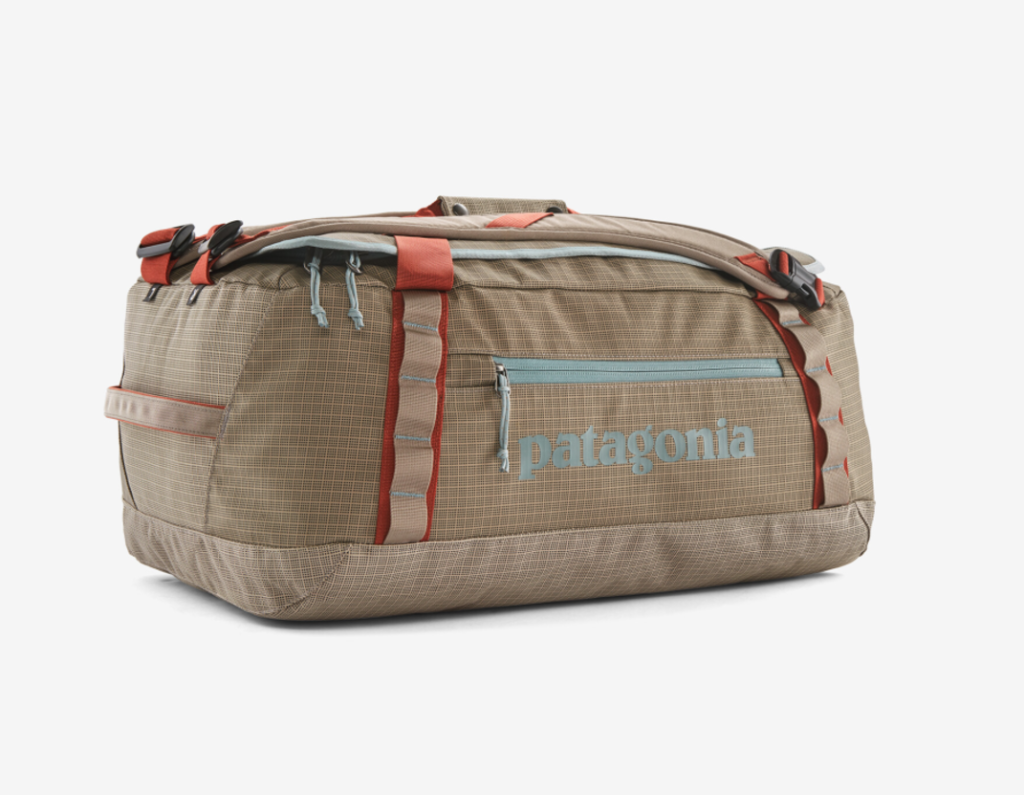
The Patagonia Black Hole Duffel is widely regarded as one of the best overall duffels on the market. With a robust 40-liter capacity and made from recycled materials, this bag combines sustainability with performance. Its weather-resistant design protects your belongings from the elements, while the internal organization features keep everything in place. The Black Hole Duffel is versatile enough for both outdoor adventures and urban travel, making it a top pick for any traveler.
FAQ: All Your Duffel Bag Carry-On Questions Answered
To clear up any lingering doubts, here are answers to the most common questions about using a duffel bag as a carry-on. This section will ensure you’re fully prepared for your next flight.
What size duffel bag fits as a carry-on?
Most airlines allow carry-ons up to 22 x 14 x 9 inches. Always check specific airline policies before traveling.
What happens if my duffel bag exceeds the size limit?
If your bag exceeds the limit, you may be required to check it in at an additional cost.
Can a duffel bag double as a personal item?
Yes! If it meets the size requirements set by the airline (usually around 18 x 14 x 8 inches), it can serve as both carry-on and personal item.By addressing these common queries with clear answers, travelers can feel more confident in their packing choices.
Do duffel bags count as personal items?
A small duffel bag can qualify as a personal item if it fits under the seat in front of you. Check your airline’s size restrictions for personal items, which are generally smaller than carry-ons.
Are duffel bags considered better than rolling luggage for carry-ons?
It depends. Duffel bags are flexible, lightweight, and versatile, making them ideal for short trips or casual travel. Rolling luggage, on the other hand, provides better protection and organization for longer or business-focused trips.
Conclusion
Choosing a duffel bag as your carry-on can be both smart and stylish when done correctly. With their flexible designs and lightweight nature, they offer an excellent alternative to traditional luggage—provided they meet airline regulations.
By assessing your needs against this guide’s tips on packing efficiently and selecting the right bag, you’ll be well-equipped for stress-free travel experiences ahead. Embrace the adventure that awaits while confidently carrying your trusty duffel!