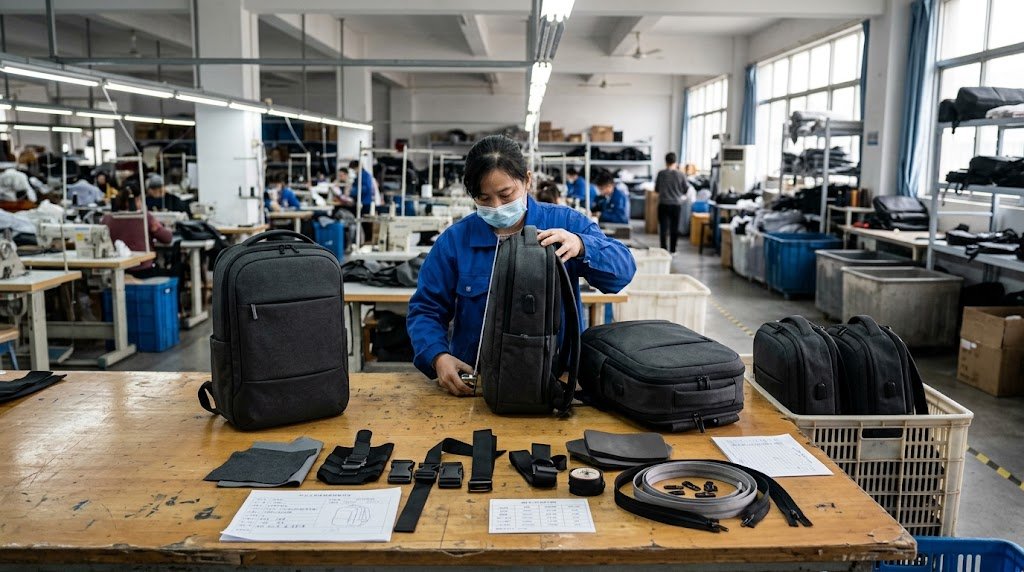
Spills, scratches, and sun damage can ruin a car’s interior. This wear and tear lowers a vehicle’s value. The right car seat protector material is the best defense.
The best materials for car seat protectors are Heavy-Duty Polyester1, nylon,neoprene,quilted & padded fabrics, and leather or faux leather. These options provide an excellent balance of durability, water resistance, and easy maintenance, ensuring your car’s seats are well-protected from daily wear and tear, spills, and pets.

Choosing the right material for a car seat protector is a big decision. It’s not just about looks. As a brand owner or e-commerce seller like Madison, the materials you choose define your product’s quality and appeal to your target customer.
A family with toddlers has very different needs than a professional with a luxury sedan. In my years of sourcing materials for bags and organizers, I’ve learned that the fabric is the foundation of a great product. It determines how long the product lasts, how it feels, and how easy it is for your customer to care for. Let’s explore the different materials so you can make an informed choice for your brand.
[claim claim=”All car seat protectors are universally waterproof.” istrue=”false” explanation=”Many protectors are only water-resistant, meaning they repel water but can soak through with heavy spills. True waterproof protectors have a special membrane or coating.”]
[claim claim=”The ‘Denier’ count of a fabric, like 600D Polyester, indicates its thickness and durability.” istrue=”true” explanation=”Denier is a unit of measurement for the linear mass density of fibers. A higher denier number generally means a thicker, sturdier, and more durable fabric.”]
Why is Seat Protector Material Selection So Important?
Choosing the wrong material can lead to poor protection and unhappy customers. This means wasted money on your end and damaged seats for them. Understanding material properties ensures you pick the right one.
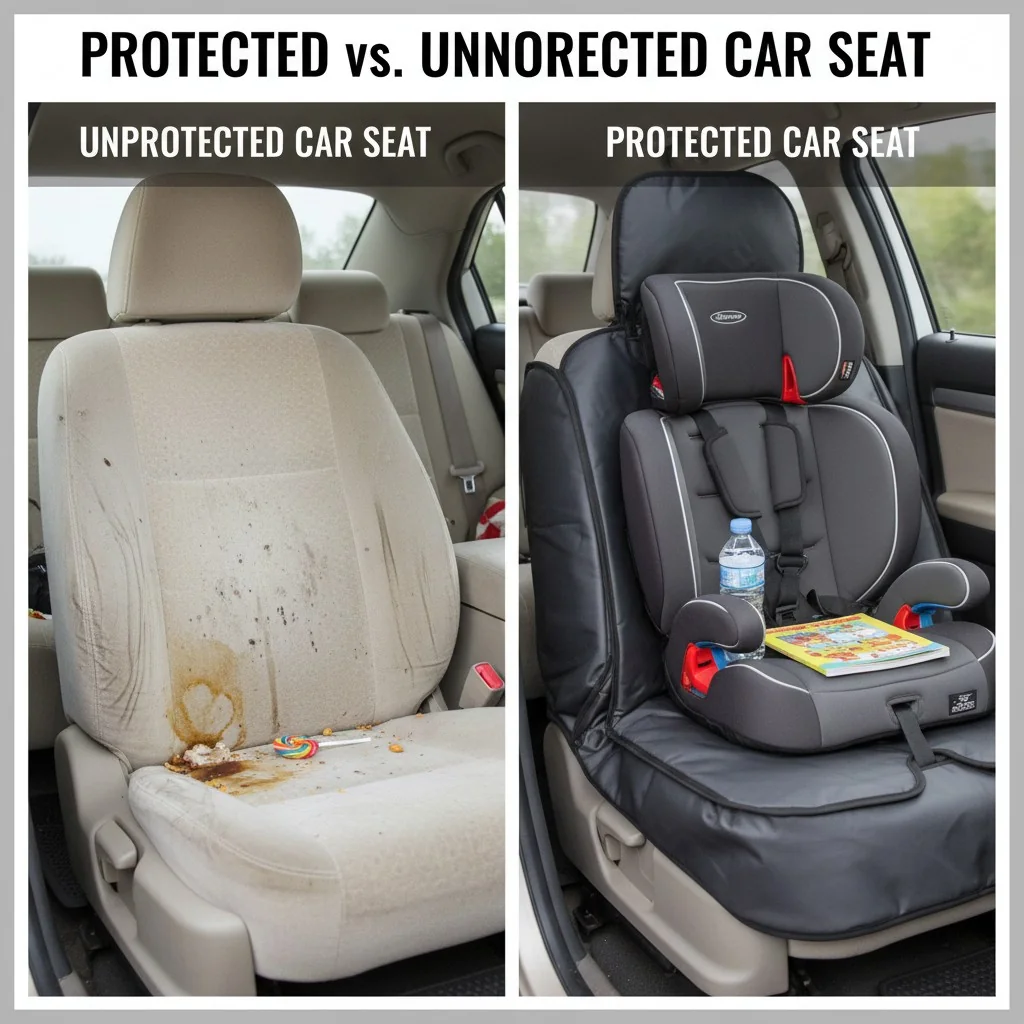
Material selection is crucial because it directly impacts the protector’s Durability2, comfort, and ease of maintenance. The right material choice protects a vehicle’s interior, helps maintain its resale value, and provides a better overall experience for the end-user, which builds brand trust.
How Material Affects Key Qualities
When I work with clients to develop a new product, we always start with the material. Why? Because that single choice has a ripple effect on everything else. For a car seat protector, this is especially true. The material isn’t just a cover; it’s a functional barrier.
Durability: This is about resisting daily abuse. Think of keys in a pocket, a dog jumping in, or the constant friction of getting in and out of the car. A strong material won’t rip or wear thin easily.
Comfort: The material touches the driver and passengers. A rough, non-breathable fabric can be uncomfortable on long drives or in hot weather. Comfort is a key factor for customer satisfaction.
Maintenance: How easy is it to clean? Life is messy. Coffee spills, muddy paws, and snack crumbs are inevitable. A material that is machine washable or easy to wipe down makes life much simpler for your customer.
| Feature | Why It Matters | Good Material Example | Bad Material Example |
|---|---|---|---|
| Durability | Resists tears, scuffs, and fading from sun exposure. | Heavy-Duty Polyester Fabric | Thin Cotton |
| Comfort | Feels good to sit on, breathable in heat. | Quilted Fabric | Non-breathable Vinyl |
| Maintenance | Easy to clean spills and dirt, machine washable. | Neoprene3 | Genuine Suede |
| Water Resistance | Provides protection against moisture and spills. | Nylon | Leather (without coating) |
| Longevity | Holds up well over time, even with frequent use. | Neoprene, Heavy-Duty Polyester | Faux Leather (low quality) |
[claim claim=”Seat protector materials have no impact on the car’s original seat.” istrue=”false” explanation=”Poorly designed protectors with abrasive backings or dye that bleeds can damage the underlying leather or fabric upholstery.”]
[claim claim=”Choosing a material that is easy to clean can significantly increase customer satisfaction.” istrue=”true” explanation=”Convenience is a major selling point. Customers appreciate low-maintenance products that help them manage their busy lives.”]
What Are the Best Materials for Car Seat Protectors and Their Benefits?
The sheer number of material options can be confusing. If you pick the wrong one for your target audience, you risk getting poor reviews. Let’s break down the top materials.
The best materials include heavy-duty polyester, neoprene, leather/faux leather, and Quilted Fabrics4. Each offers unique benefits, like polyester’s all-around durability, neoprene’s superior water resistance, and leather’s premium look, catering to different customer needs and driving environments.
A Closer Look at Top Materials
From my experience in manufacturing, I’ve seen these five materials consistently perform the best for car seat protectors. Each one serves a specific purpose, and understanding them will help you, as a seller like Madison, to build a diverse and appealing product line.
- Heavy-Duty Polyester/Nylon: This is the workhorse. Think of fabrics like 600D or 900D Polyester. They are tough, resist abrasion, and are often coated for water resistance.
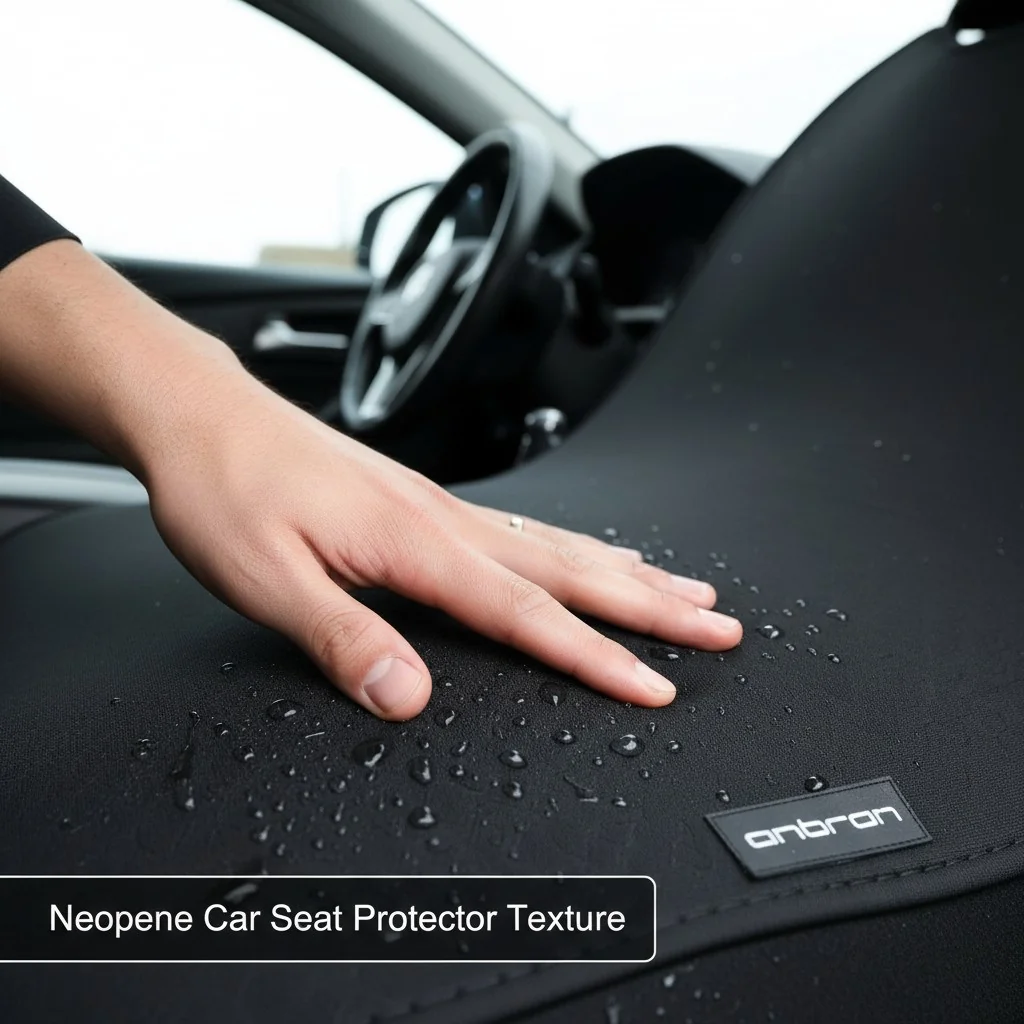
- Neoprene: This is the same material used in wetsuits. Its biggest advantage is being truly waterproof, not just resistant. It’s perfect for beachgoers, athletes, or anyone dealing with major moisture.
- Leather & Faux Leather5 (PU/PVC): These offer a sleek, high-end look. Genuine leather is very durable but expensive. Faux leather provides a similar aesthetic, is easy to wipe clean, and is more affordable.
- Quilted & Padded Fabrics: These protectors often use a polyester or cotton top layer with padding inside. They provide extra comfort and a cozy look, making them great for family cars.
| Material | Primary Benefit | Best For | Potential Downside |
|---|---|---|---|
| Polyester/Nylon | Durability & Versatility | Everyday use, pets | Can feel rough, less breathable |
| Neoprene | Waterproof | Water sports, heavy spills | Less breathable, can be warm |
| Leather/Faux Leather | Premium Look & Easy to Wipe | Luxury cars, professionals | Can get hot/cold, slippery |
| Quilted Fabrics | Comfort & Padding | Families, long commutes | Less waterproof, can trap dirt |
[claim claim=”Neoprene is a type of breathable cotton.” istrue=”false” explanation=”Neoprene is a synthetic rubber. While it’s excellent for waterproofing, it is not known for its breathability and can feel warm in hot climates.”]
[claim claim=”600D Polyester is a popular choice for car organizers and seat protectors due to its balance of durability and cost.” istrue=”true” explanation=”600D polyester offers excellent resistance to tearing and abrasion at a cost-effective price point, making it a go-to material for many durable goods.”]
Which Car Seat Protector Materials Last the Longest?
Protectors that wear out quickly are a bad investment for your brand. This leads to customer returns and negative reviews. The solution is to focus on materials known for their longevity.
Heavy-duty polyester (600D or higher), ballistic nylon, and genuine leather are typically the most durable materials. Their strong fibers, tight weaves, and inherent toughness allow them to resist tearing, abrasion, and sun damage, ensuring a longer lifespan even with heavy, daily use.
Identifying and Testing for Durability
Durability isn’t just a buzzword; it’s something you can measure. When I’m sourcing for a client, we look at specific technical indicators to gauge a material’s strength.
Fabric Density6 (Denier/GSM): For polyester and nylon, the denier (D) count is key. A 600D polyester is much stronger than a 300D. For other fabrics, we look at grams per square meter (GSM). A higher number means more material and more strength.
Abrasion Resistance: This tests how well the fabric holds up to rubbing and friction. Manufacturers often use a Martindale test, which measures the number of rubs before the fabric shows wear. Ask your supplier for this data.
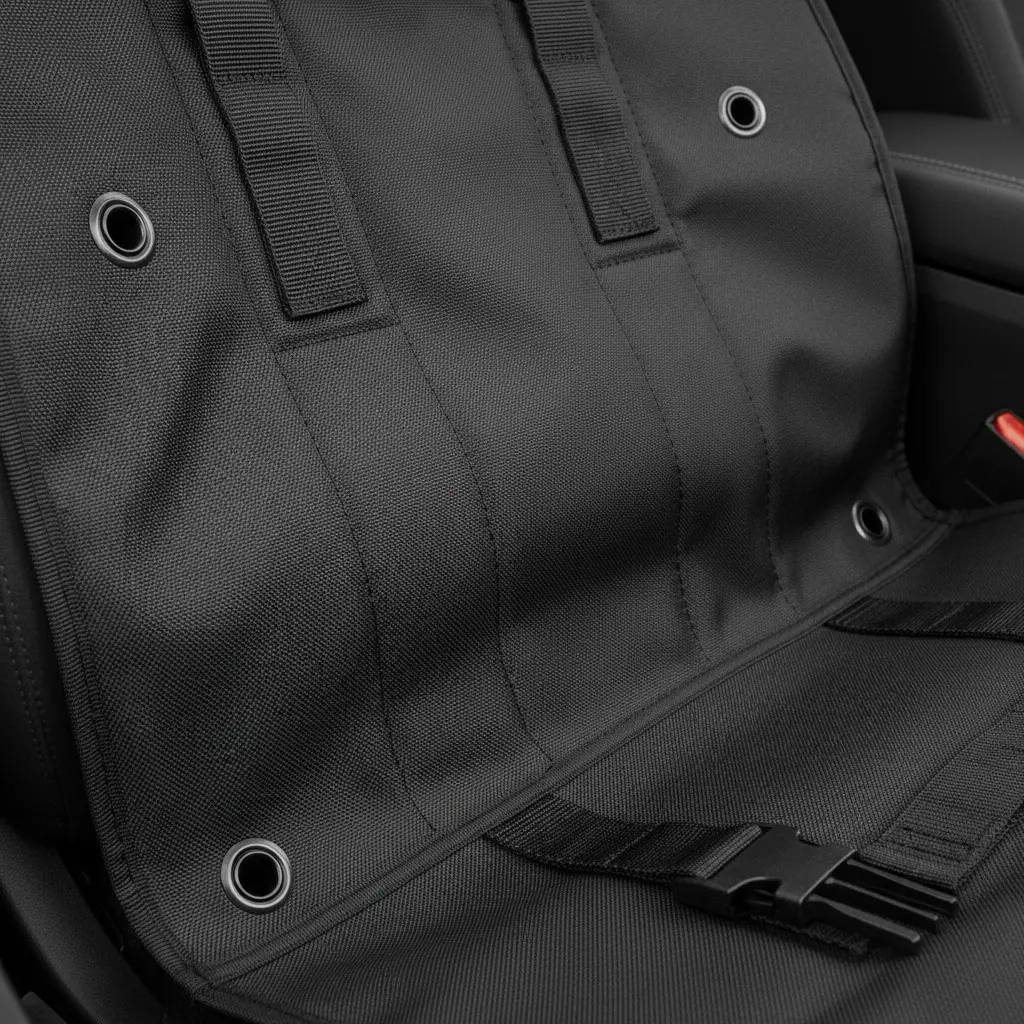
Stitching and Seams: The material can be strong, but the protector will fail if the stitching is weak. Look for reinforced seams, double-stitching, and heavy-duty thread, especially at stress points like strap attachments.
| Durability Rank | Material | Key Durability Factors |
|---|---|---|
| 1 (Highest) | Ballistic Nylon | Extremely high tear and abrasion resistance. |
| 2 | Genuine Leather | Resists punctures and wear; develops a patina over time. |
| 3 | Heavy-Duty Polyester (600D+) | Excellent abrasion resistance, good UV stability. |
| 4 | Neoprene | Flexible and resists cracking, but can be punctured. |
| 5 (Lowest) | Standard Quilted Cotton | Softer weave is more prone to snagging and wear. |
[claim claim=”A 1200D polyester fabric is twice as strong as a 600D polyester fabric.” istrue=”false” explanation=”While 1200D is significantly stronger and more durable than 600D due to the thicker yarn, the relationship isn’t a simple 2x multiplier. The weave and quality of the material also play a major role in overall strength.”]
[claim claim=”UV-resistant coatings can prevent seat protector colors from fading over time.” istrue=”true” explanation=”Sunlight breaks down dyes and fibers in fabric. A UV-protective coating acts like sunscreen for the material, preserving its color and structural integrity for longer.”]
How Do You Choose the Right Seat Protector Material for Your Needs?
A great material for one customer can be completely wrong for another. A mismatch between the product and their lifestyle leads to dissatisfaction. The key is to match the material to the use case.
Choose based on lifestyle and vehicle type. For families with kids, waterproof neoprene or easy-clean polyester is ideal. For professionals with luxury cars, leather offers a premium look. Always consider pets, climate, and daily driving habits when making a decision.
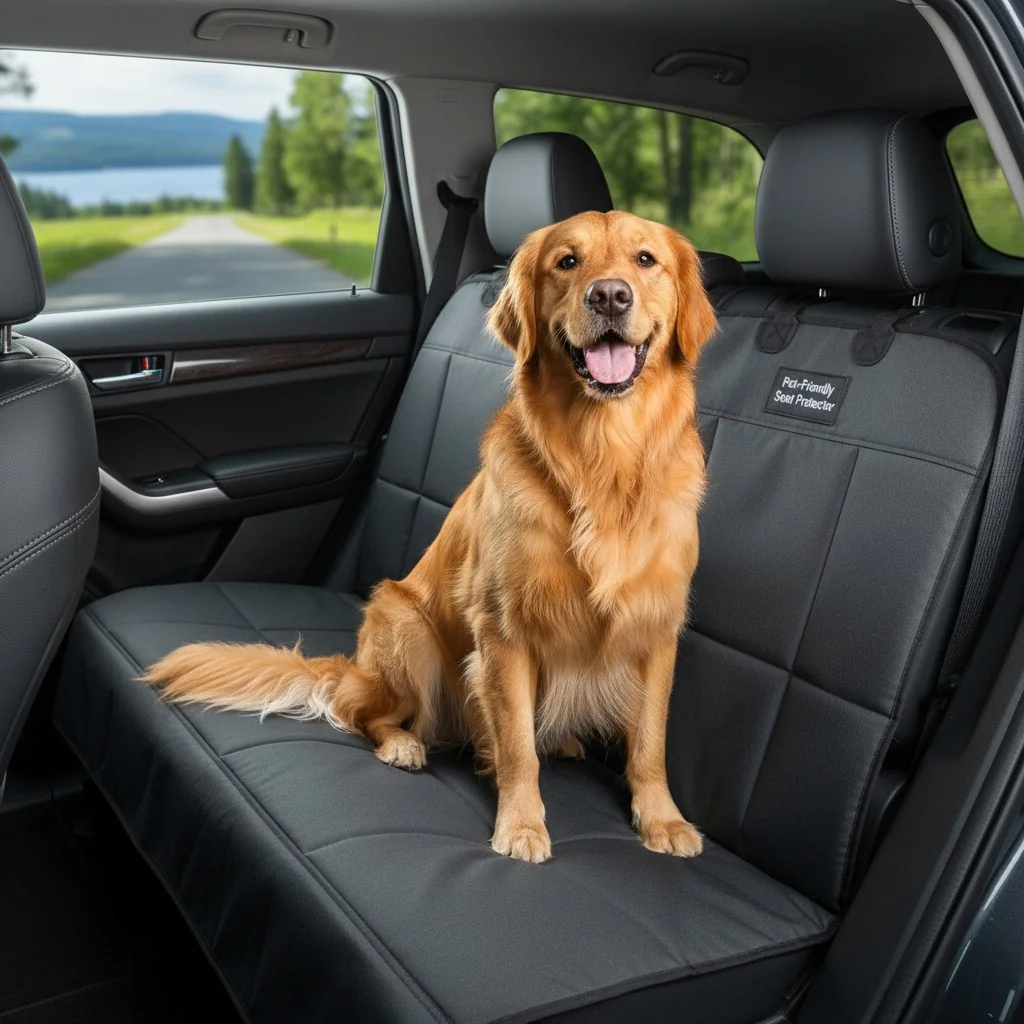
Matching Materials to Lifestyles
As an e-commerce seller, it’s smart to think in terms of customer personas. Who are you selling to? By understanding their life, you can offer the perfect product. I always advise my clients to create product tiers or collections based on these profiles. It makes marketing so much easier. For example, you could create a "Pet Adventure" line or a "Daily Commuter" collection. This helps customers immediately see which product is for them. Let’s break down a few common profiles and the best materials for them.
| Customer Profile | Primary Material Choice | Why It Works | Secondary Choice |
|---|---|---|---|
| The Family with Kids | Neoprene | Waterproof for spills, durable, and easy to wipe clean in seconds. | Quilted Polyester |
| The Pet Owner | Heavy-Duty Polyester (600D+) | Resists claws and shedding fur, easy to vacuum, very durable. | Faux Leather |
| The Daily Commuter | Quilted Fabric | Comfortable for long drives, breathable, and looks pleasant. | Neoprene |
| The Luxury Car Owner | Faux Leather or Genuine Leather | Provides a sleek, integrated look that matches the high-end interior. | High-Quality Quilted Fabric |
[claim claim=”Canvas is the best material for protecting against dog claws.” istrue=”false” explanation=”While durable, the open weave of canvas can trap claws, potentially causing a snag in the fabric or harm to the pet. A smooth, tightly woven polyester or faux leather is often a better choice.”]
[claim claim=”For hot climates, a breathable material like a quilted fabric protector is more comfortable than non-breathable leather or neoprene.” istrue=”true” explanation=”Non-breathable materials trap heat and moisture against the body, leading to sweating and discomfort. Breathable fabrics allow air to circulate, keeping the driver cooler.”]
What Protective Features Should You Look for in a Seat Protector?
A basic piece of fabric isn’t enough to provide real protection. It might slip around or fail to stop a serious spill. To offer a truly valuable product, look for added protective features.
Beyond the base material, look for 100% waterproof layers, not just water-resistance. Also, a Non-Slip Backing7 is essential to keep it in place. Other key features include UV protection to prevent fading and reinforced stitching for long-term durability.
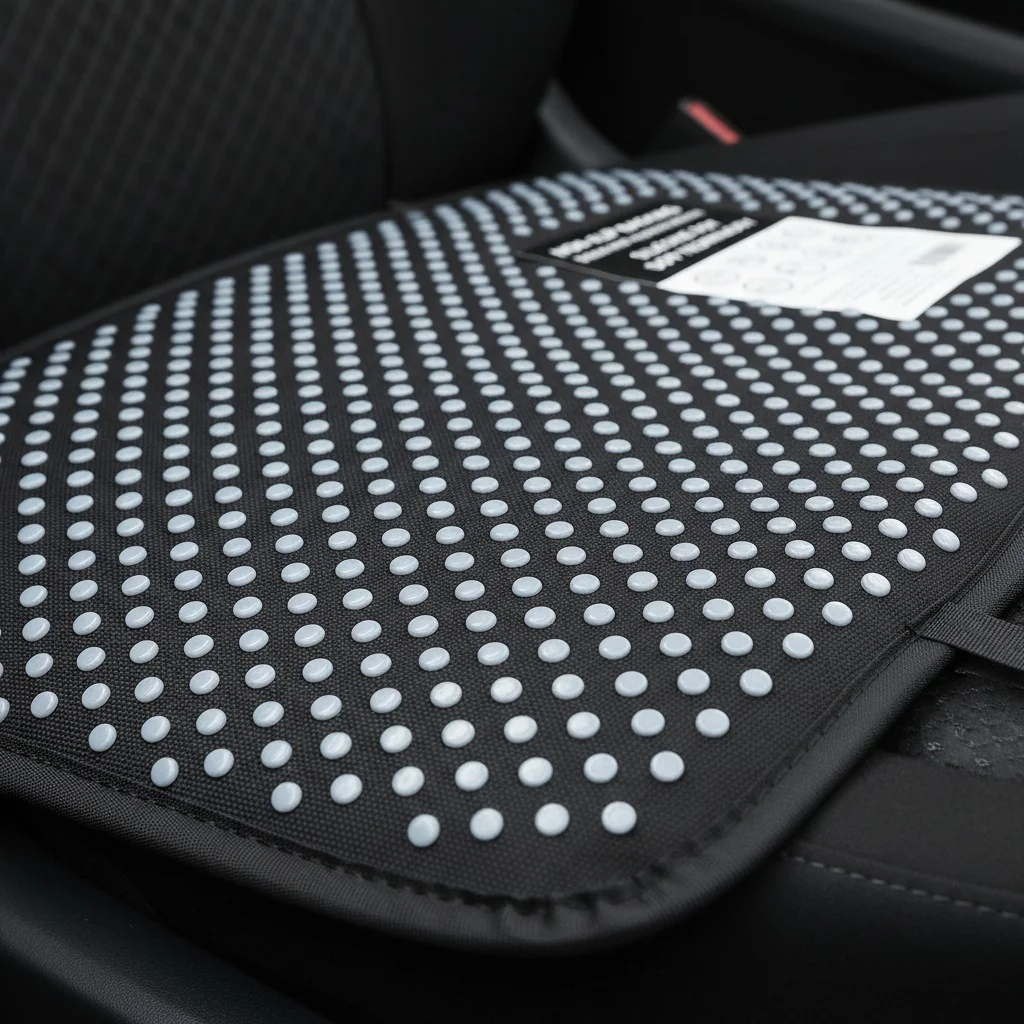
Essential Protective Add-Ons
When developing a product, the small details are what elevate it from good to great. For seat protectors, these extra features are what deliver real performance and justify a higher price point for your brand.
Waterproof vs. Water-Resistant8: This is a critical distinction. "Water-resistant" means the fabric will repel a light splash, but liquid will eventually soak through. "Waterproof" means there is an impenetrable barrier, often a TPU or PVC lining, that will not let liquid pass. For maximum protection, always choose waterproof.
Non-Slip Backing: A protector that slides around is annoying and unsafe. A good non-slip back is crucial. Look for silicone dots or a full rubberized mesh. This grips the seat and keeps the cover securely in place.
UV Protection9 & Colorfastness: Car interiors are exposed to intense sun. A UV coating helps prevent the fabric’s color from fading. Colorfastness ensures the dye from the protector won’t bleed onto the car’s original seats, which is a disaster for light-colored upholstery.
| Feature | Function | Why It’s Important for Your Brand |
|---|---|---|
| Waterproof Lining | Blocks all liquids from reaching the seat. | Prevents costly damage from spills; a major selling point. |
| Non-Slip Backing | Grips the seat to prevent sliding. | Improves safety and user experience; reduces complaints. |
| UV Coating | Protects fabric from sun degradation. | Ensures the product looks good for longer; enhances perceived quality. |
| Seat Anchors | Tubes that tuck into the seat crease. | Provides an extra level of security to stop shifting. |
[claim claim=”Water-resistant and waterproof mean the same thing.” istrue=”false” explanation=”Water-resistant fabric can handle light moisture, but will soak through under pressure or with prolonged exposure. Waterproof fabric provides a complete barrier against water.”]
[claim claim=”A non-slip backing can prevent a car seat protector from shifting during driving, which is a safety feature.” istrue=”true” explanation=”A shifting protector can become a distraction for the driver or interfere with the proper functioning of seatbelts, making a non-slip feature important for safety.”]
How Can You Maintain and Care for Your Seat Protector to Extend Its Life?
Even the best and most durable seat protectors will get dirty. Improper cleaning can ruin the material and its protective features. Following simple Care Instructions10 is the key to longevity.
To extend its life, regularly vacuum your seat protector. For most fabric types like polyester and neoprene, machine wash on a gentle cycle and always air dry. For leather or faux leather, simply wipe clean with a damp cloth and use a conditioner periodically.
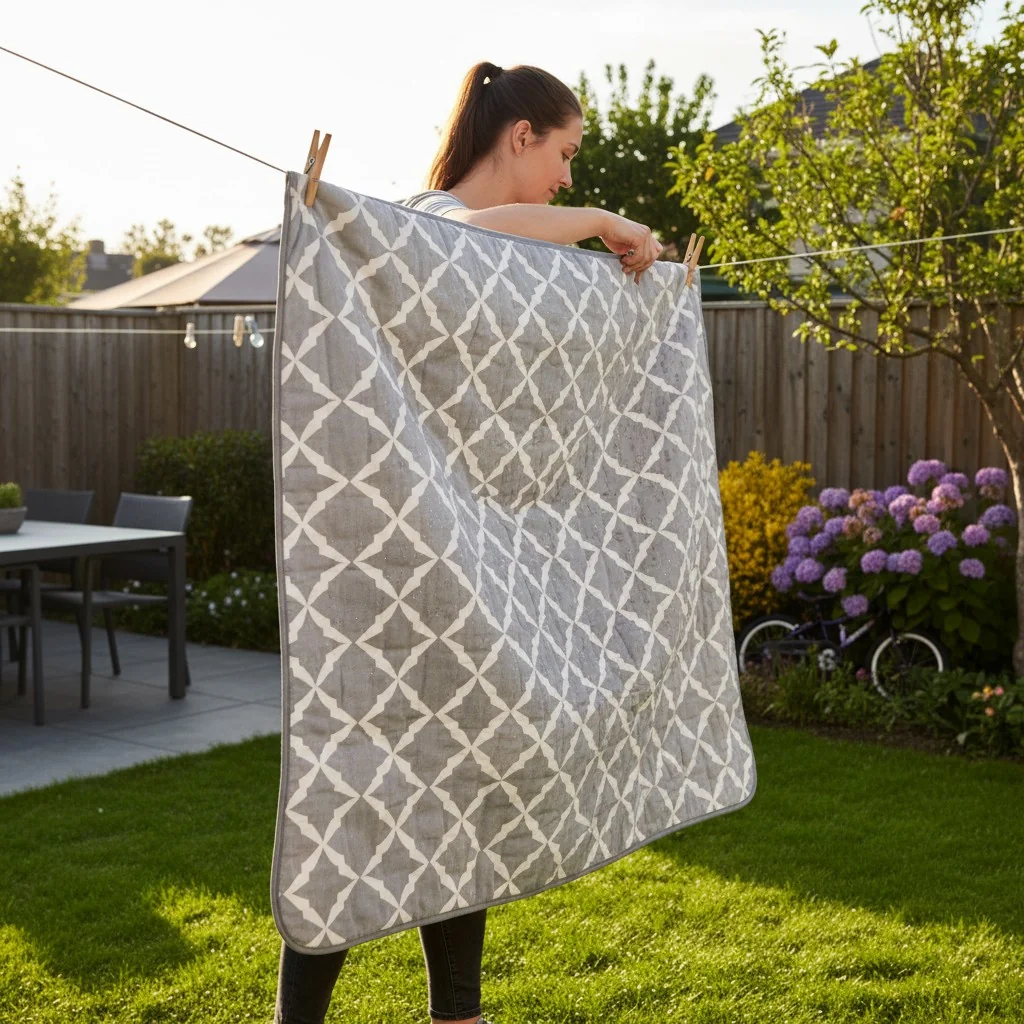
Care Instructions by Material
Providing clear care instructions to your customers is a simple way to add value and prevent returns due to damage from improper cleaning. As a manufacturer, we often include these details on the product label. It’s a small touch that shows you care about the customer’s long-term satisfaction. High heat from a dryer is the number one enemy of waterproof linings and non-slip backings, so emphasizing "air dry only" is very important. Here are some general guidelines you can adapt for your product listings or packaging.
| Material | Cleaning Method | Pro-Tip |
|---|---|---|
| Polyester/Nylon | Machine wash cold, gentle cycle. | Pre-treat heavy stains before washing. Always air dry. |
| Neoprene | Hand wash or machine wash cold, gentle cycle. | Rinse with fresh water after exposure to salt water. Always air dry. |
| Faux Leather | Wipe clean with a damp cloth and mild soap. | Avoid harsh chemical cleaners that can dry out and crack the material. |
| Genuine Leather | Wipe with a damp cloth. Use a dedicated leather cleaner. | Apply a leather conditioner every 3-6 months to keep it soft. |
| Quilted Fabric | Machine wash cold, gentle cycle. | Use a mesh laundry bag to prevent snagging on straps or buckles. Always air dry. |
[claim claim=”You should always use a machine dryer on high heat to clean a waterproof seat protector.” istrue=”false” explanation=”High heat can melt the waterproof TPU lining and the non-slip silicone backing, completely ruining the protector’s key features. Always air dry.”]
[claim claim=”Regularly vacuuming a car seat protector can remove abrasive dirt and debris, extending its lifespan.” istrue=”true” explanation=”Small particles of dirt and sand act like sandpaper, causing friction that wears down fabric fibers over time. Regular vacuuming removes them.”]
Conclusion
Choosing the right material is the most important step. Match the fabric to your customer’s lifestyle and look for key features to create a product that offers real protection and value.
References
-
Heavy-Duty Polyester is known for its durability and resistance to wear, making it an excellent choice for protecting car seats. ↩
-
Understanding durability helps in selecting materials that withstand daily wear and tear, ensuring long-lasting protection. ↩
-
Neoprene offers superior waterproofing, making it ideal for those who need maximum protection against spills and moisture. ↩
-
Quilted Fabrics offer extra comfort and a cozy appearance, making them great for family vehicles. ↩
-
Leather and Faux Leather provide a premium look and are easy to clean, appealing to luxury car owners. ↩
-
Fabric Density is a key indicator of strength, influencing how well a material can resist wear and tear. ↩
-
A Non-Slip Backing enhances safety by preventing the protector from shifting during use. ↩
-
Knowing the difference is crucial for choosing the right level of protection for your car’s interior. ↩
-
UV Protection helps maintain the color and integrity of the fabric, extending the life of the seat protector. ↩
-
Proper care instructions can significantly extend the life of car seat protectors, ensuring customer satisfaction. ↩