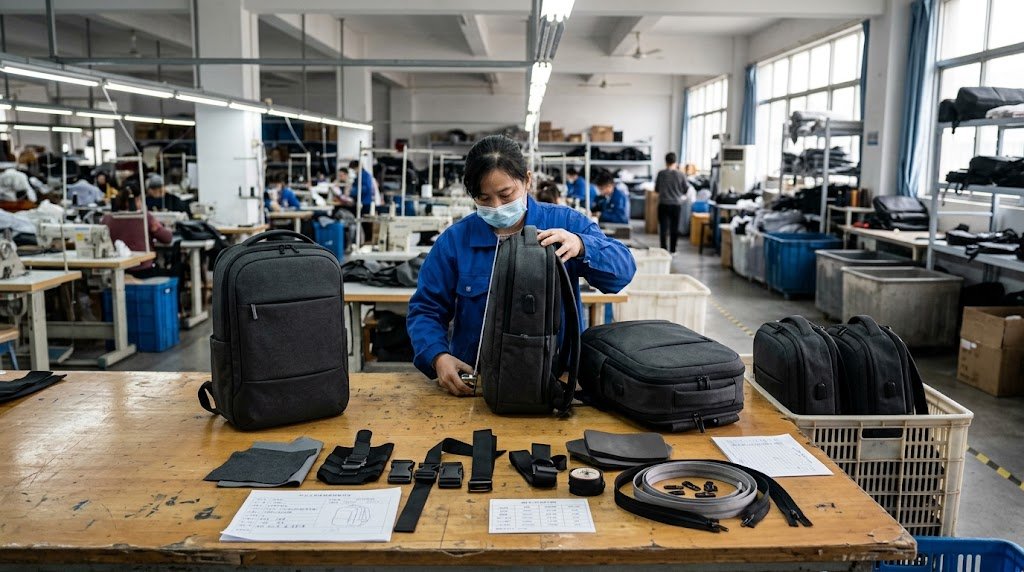
Worried your customers’ new backpacks will be rejected at the gate? Airlines have hidden rules. I’ll show you how to design bags that always fly and build brand trust.
The standard carry-on size is often cited as 22 x 14 x 9 inches. But the real secret is the linear inch limit (often 45 inches total) and the fact that soft-sided backpacks are judged by how much they bulge, not their label size.
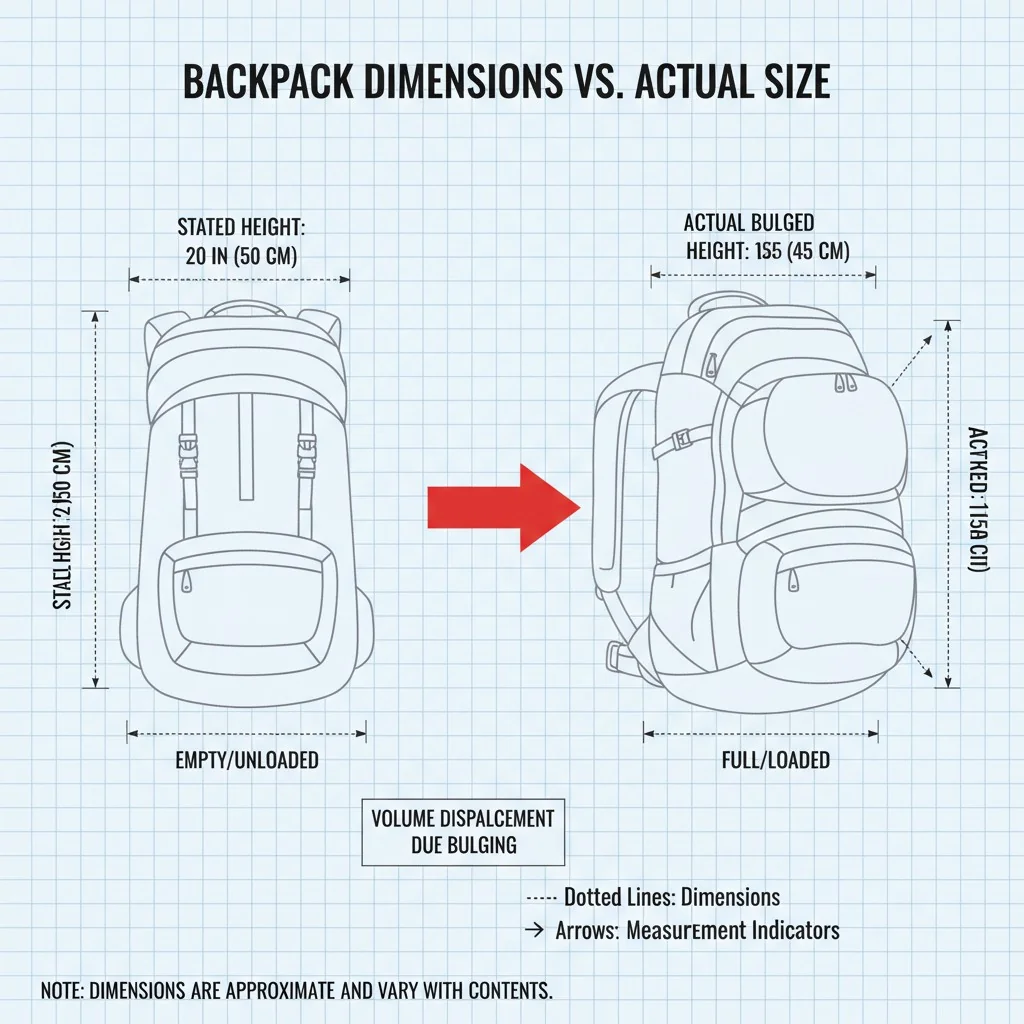
As a bag enthusiast and manufacturer, I’ve seen countless travelers get frustrated at the boarding gate. They thought they followed the rules, but their bag was still gate-checked. For you, as a brand owner like Emily, understanding these unwritten rules is the key to designing a carry-on backpack that your customers will love and recommend. It’s not just about making a bag; it’s about creating a reliable travel partner. Let’s dive into the details that airlines don’t put in their flashy ads, so you can build products that truly meet travelers’ needs.
[claim claim=”All airlines in the U.S. use the exact same carry-on size standard of 22 x 14 x 9 inches.” istrue=”false” explanation=”While this is a common guideline, budget airlines and regional jets often have smaller, stricter requirements. There is no single, universally enforced standard.”]
[claim claim=”Airlines sometimes measure carry-on bags by ‘linear inches,’ which is the sum of the bag’s length, width, and height.” istrue=”true” explanation=”Many airlines have a total linear dimension limit, often 45 inches (115 cm), which can be a stricter rule than the individual L x W x H measurements, especially for bulky bags.”]
What Are the “Hidden” Airline Carry-On Size Rules?
Designing a carry-on seems simple, right? But hidden rules can ruin a traveler’s day and their trust in your brand. Let’s uncover what airlines don’t advertise so your designs succeed.
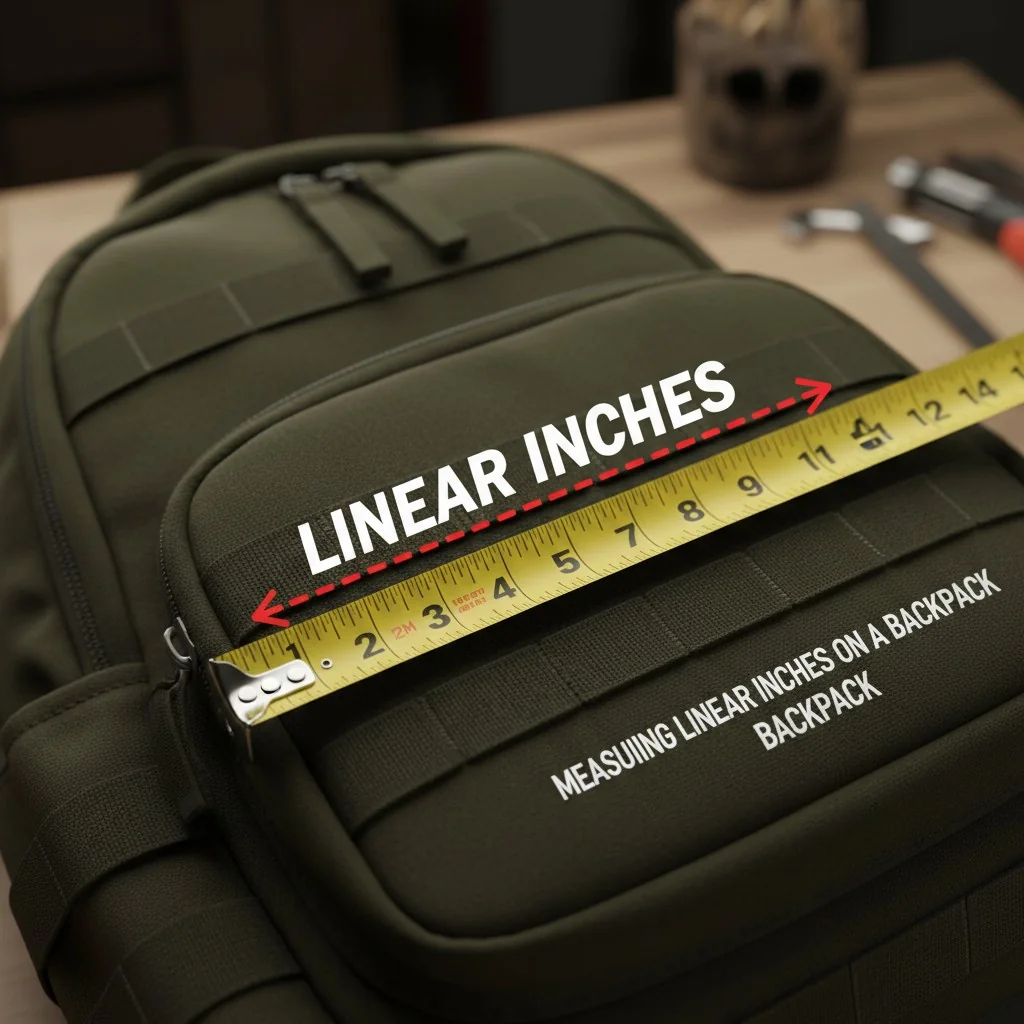
Airlines often use a "linear inches1" rule (length + width + height ≤ 45 inches). They also don’t count wheels or handles in official specs, but these parts must fit in the sizer. Gate agent discretion is the ultimate, unpredictable rule.
When I first started in this industry, I was shocked to learn how much of a gray area carry-on compliance2 is. The advertised dimensions are just a starting point. The real test happens at the airport, and it’s often subjective. As a designer, you need to account for these real-world factors.
The Linear Inch Trap
Many airlines, especially for international flights, have a total dimension limit. A bag that is 22 x 14 x 9 inches equals 45 linear inches. But a bag that is slightly longer, say 23 x 13 x 9, also equals 45 linear inches. However, it might fail the sizer box test because one dimension is too long. Your design must respect both the individual dimensions and the total linear inches to be safe.
The "Sizer Box" Reality
The metal cage at the gate is the ultimate judge. It doesn’t care what the tag on your bag says. I once saw a traveler with a bag that was technically the right size, but a bulky, non-removable side pocket made it impossible to fit. Your design should consider the bag’s fully packed shape. This means avoiding rigid side pockets or features that can’t be compressed.
Gate Agent Discretion
The final, and most unpredictable, rule is the gate agent. On a full flight, they are more likely to enforce rules strictly. A backpack that was fine on a previous flight might get flagged. This is why designing a bag that looks compact and fits easily is so important.
[claim claim=”A backpack’s volume in liters directly determines if it’s carry-on compliant.” istrue=”false” explanation=”Liters measure volume, not dimensions. A tall, skinny 40L bag might fit while a short, bulky 40L bag might not. Shape and how it’s packed are more important.”]
[claim claim=”External compression straps can help a backpack meet carry-on size limits.” istrue=”true” explanation=”Compression straps are a key feature because they allow the user to cinch down the contents, reducing the bag’s overall bulk and helping it fit into tight sizer boxes.”]
What Size Backpack Should You Design for Carry On?
Choosing a volume in liters can be confusing for your customers. A 40L bag might not fit, while a structured 35L does. I’ll explain the sweet spot for carry-on design.
For maximum space that still fits most overhead bins, design backpacks in the 35-40L range. For guaranteed compliance and under-seat flexibility, a 25-30L pack is a smarter, more versatile choice for travelers on stricter airlines.
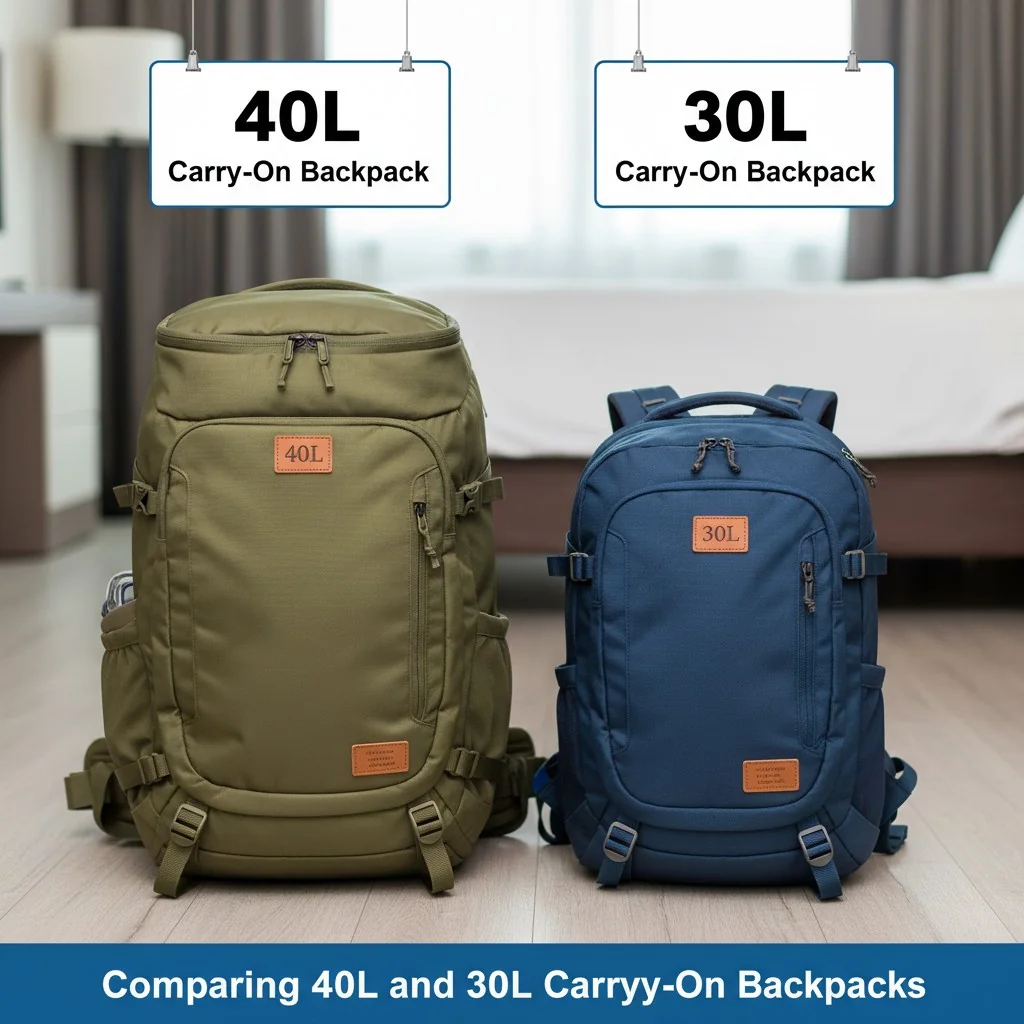
I’ve worked with many brands, like Emily’s, who want to create the "perfect" carry-on. The truth is, perfect depends on the traveler. Your job is to offer clear options for different needs. The key is managing expectations through smart design.
The 35-40L Sweet Spot: Maximizing Space
This is the most popular category for one-bag travel. A well-designed 40L pack can hold a week’s worth of clothes. However, this is where structure is critical. A floppy, unstructured 40L bag will bulge and look massive, attracting unwanted attention from gate agents. When designing in this range, focus on:
- Internal frame or a stiff back panel: This helps the bag hold its shape.
- Good compression straps3: These are non-negotiable. They are the single best feature for ensuring compliance.
- Clamshell opening: This allows for flat, even packing with cubes, which prevents bulging.
Brands like Arca Official and Knack do a great job of creating structured packs in this range that maximize every inch.
The 25-30L Safe Bet: The Under-Seat Hero
For travelers who prioritize peace of mind or fly on budget airlines, a smaller pack is better. A 25-30L backpack is almost always safe as a carry-on and often qualifies as a personal item4 if not overpacked. This size is perfect for weekend trips and offers incredible flexibility. It can fit under the seat on most planes, which means no fighting for overhead bin space.
[claim claim=”A 40L backpack will always fit in an overhead bin.” istrue=”false” explanation=”The dimensions and shape of the 40L backpack matter more than its volume. A poorly designed or overpacked 40L bag can easily exceed the 22x14x9 inch limit.”]
[claim claim=”A backpack’s structure is as important as its size for carry-on compliance.” istrue=”true” explanation=”A structured backpack maintains its intended dimensions even when full, while a soft, unstructured bag can bulge and exceed size limits, making it more likely to be gate-checked.”]
What’s the Difference Between a Carry-On Backpack and a Personal-Item Backpack?
Your customers are often confused about carry-on versus personal items. This confusion can lead to costly fees at the airport. Let’s clarify the difference to help you design for both categories.
A carry-on backpack is larger (around 40L, 22x14x9 inches) and goes in the overhead bin5. A personal-item backpack is much smaller (around 18x14x8 inches), must fit under the seat in front of you, and is free on most airlines.
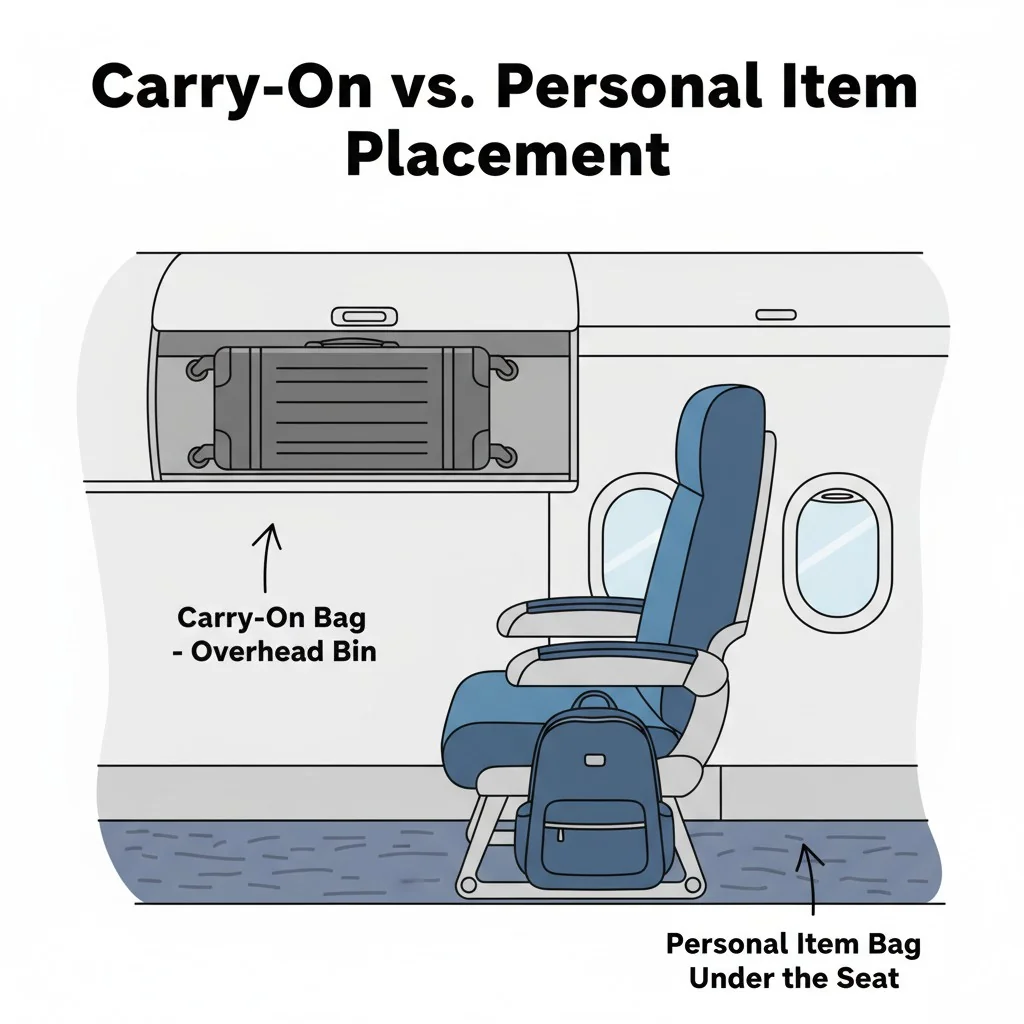
Think of it this way: the carry-on is the main piece of luggage, and the personal item is the smaller bag for essentials you need during the flight. Many travelers, myself included, use a small backpack as a personal item. As a brand, you can design products specifically for each use case. This creates more opportunities to serve your customers. Here’s a simple breakdown to guide your design process:
| Feature | Carry-On Backpack | Personal-Item Backpack |
|---|---|---|
| Primary Goal | Maximize packing space for a trip | Carry in-flight essentials |
| Typical Size | 22 x 14 x 9 in (56 x 35 x 23 cm) | 18 x 14 x 8 in (45 x 35 x 20 cm) |
| Typical Volume | 35 – 45 Liters | 15 – 30 Liters |
| Placement | Overhead Bin | Under the seat in front of you |
| Key Design Focus | Structure, compression, capacity | Slim profile, easy access pockets |
When designing a personal-item backpack, prioritize a slim profile and quick-access pockets for things like a laptop, water bottle, and chargers. For a carry-on backpack, focus on maximizing the internal, packable space while maintaining a rigid, compliant shape.
[claim claim=”You can always bring a carry-on bag and a personal item for free.” istrue=”false” explanation=”Many budget airlines, especially with ‘Basic Economy’ fares, charge for a full-sized carry-on bag and only allow one small personal item for free.”]
[claim claim=”A personal item must always be a purse or laptop bag.” istrue=”false” explanation=”A personal item can be any type of bag—including a small backpack—as long as it meets the airline’s specific under-seat dimension requirements.”]
What Are the Real-World Airline Policies & Dimension Data?
Published airline size limits are just the start. Real-world enforcement varies wildly across the globe. I’ve gathered data to show you what to actually expect at the airport.
Most major U.S. airlines stick to 22x14x9 inches. However, international and budget carriers like Ryanair or EasyJet are much stricter, often with smaller dimensions and weight limits. Regional jets always have smaller bins.
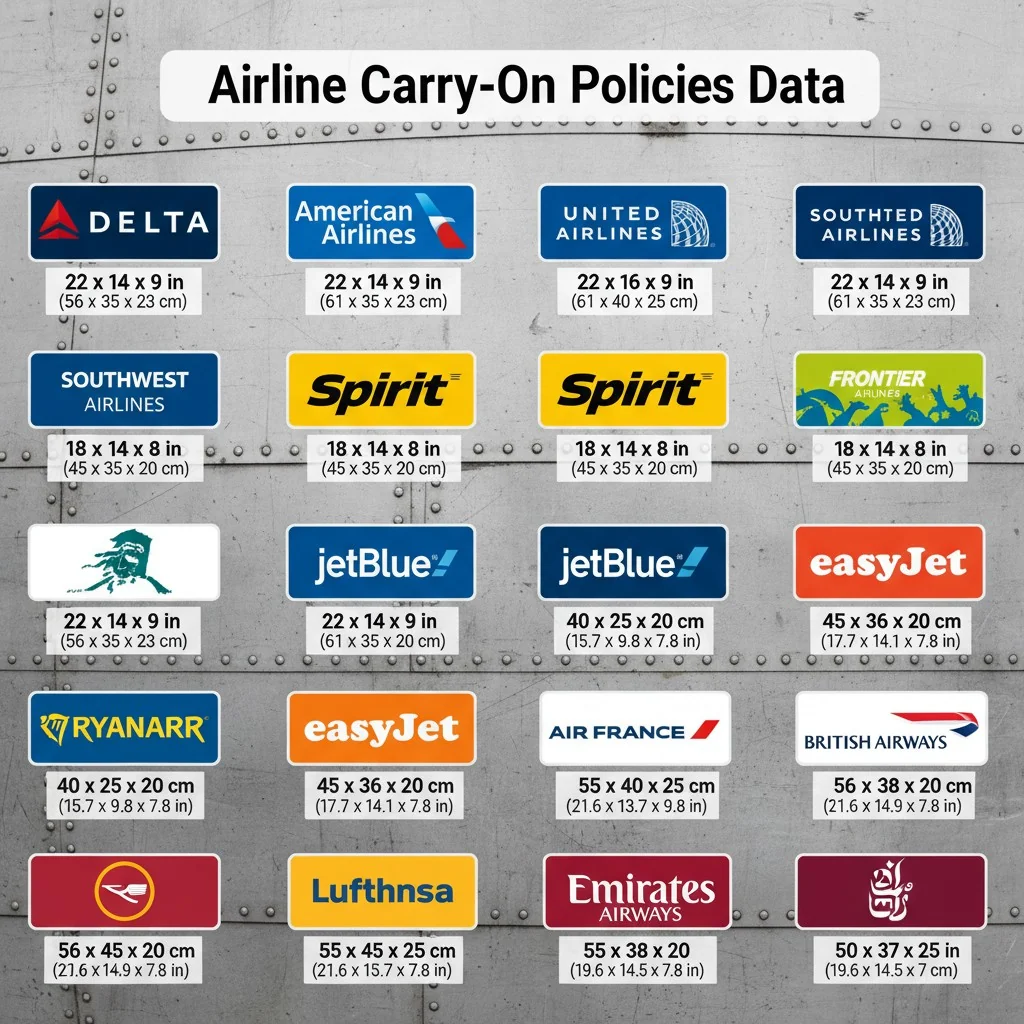
I learned this lesson the hard way on a trip to Europe. My trusty carry-on, which had flown dozens of times in the U.S., was suddenly "oversized" according to the budget airline’s tiny sizer box. For your brand, it’s crucial to design for the strictest common denominator if you have a global audience.
Airline Carry-On Guideline Comparison
| Airline | Standard Carry-On (Inches) | Personal Item (Inches) | Notes |
|---|---|---|---|
| Delta / American / United | 22 x 14 x 9 | 17 x 13 x 8 (approx.) | Generally consistent, but regional jets have smaller bins. |
| Southwest | 24 x 16 x 10 | 16.25 x 13.5 x 8 | More generous than others, but flights are often full. |
| Ryanair | 21.6 x 15.7 x 7.8 (Paid) | 15.7 x 9.8 x 7.8 | Extremely strict. Only a small personal item is free. |
| EasyJet | 22 x 17.7 x 9.8 (Paid) | 17.7 x 14 x 7.8 | Similar to Ryanair; you pay for a larger carry-on. |
The Regional Jet Problem
This is a huge pain point for travelers. A flight on a major airline might involve a connection on a smaller regional jet (like a CRJ). These planes have tiny overhead bins. Even a perfectly compliant 22x14x9 inch bag will not fit and will be gate-checked. When designing, consider adding a robust top handle to make the gate-check process easier for your customers. This small detail shows you understand their entire journey.
[claim claim=”International airlines are usually more generous with carry-on sizes than U.S. airlines.” istrue=”false” explanation=”The opposite is often true. Many international budget airlines (like Ryanair, EasyJet, AirAsia) have significantly smaller and lighter carry-on allowances than major U.S. carriers.”]
[claim claim=”A bag that fits on a Boeing 737 will also fit on a smaller regional jet.” istrue=”true” explanation=”This is incorrect. Regional jets (e.g., Bombardier CRJ series) have much smaller overhead bins, and standard carry-on bags often must be gate-checked.”]
What Packing Tricks Help a Backpack Actually Fit Within the Limits?
A great bag design can be defeated by poor packing. How can you design features that help users stay compliant? Let’s explore some packing tricks from a design perspective.
Use packing cubes6 to compress clothing and create flat, stackable blocks. Design bags with built-in compression straps to cinch everything down. This prevents the bag from bulging and failing the sizer test.
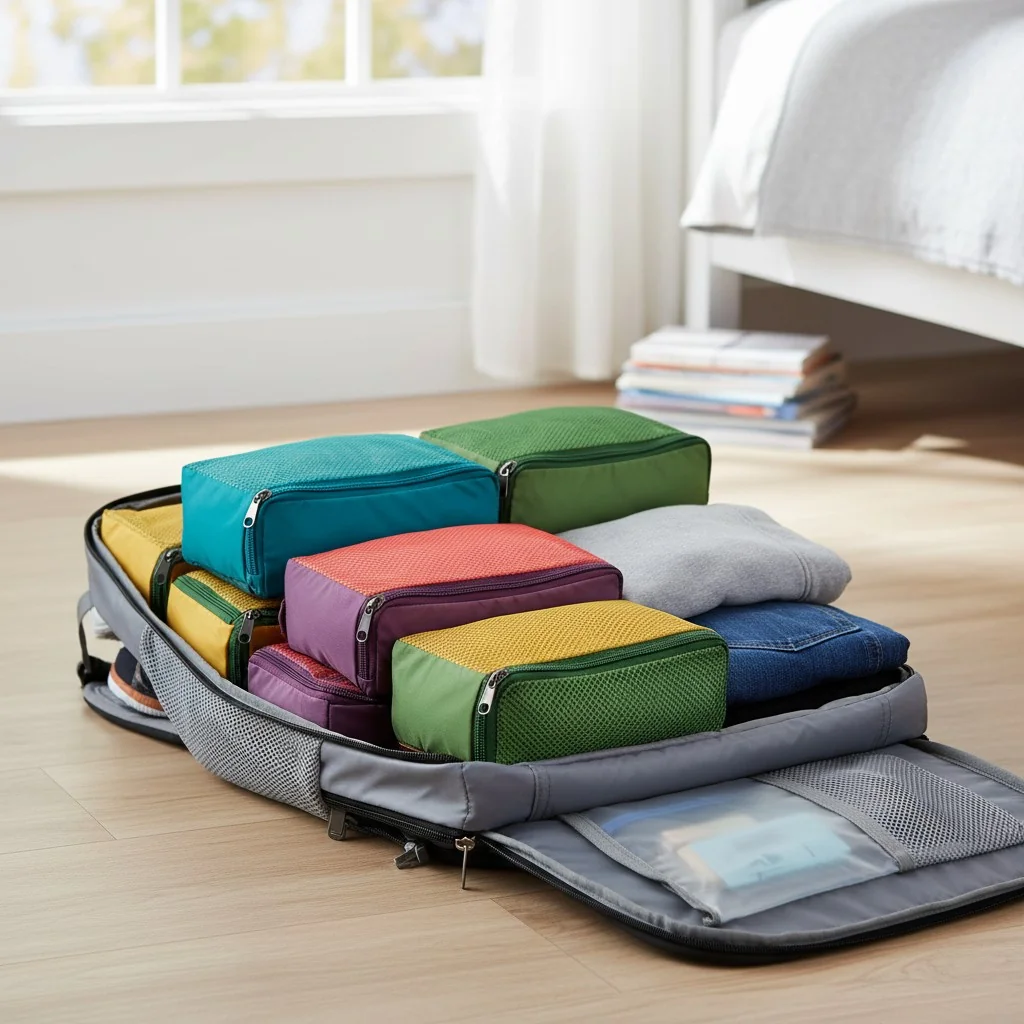
As a manufacturer, I see bags as systems. The bag itself is only half the equation; how it’s used is the other half. By designing features that encourage smart packing, you can help your customers succeed.
Design for Compression: The Power of Straps
This is the most important feature for a soft-sided carry-on. When you add external compression straps (ideally four, two on each side), you give the user control over the bag’s final dimensions. After packing, they can pull the straps tight, squeezing out excess air and creating a dense, compact brick that slides easily into sizers and overhead bins. It’s a simple feature that makes a world of difference.
Encourage Modular Packing: The Magic of Cubes
A clamshell-style backpack (one that opens like a suitcase) is perfectly suited for packing cubes. When you design a bag with a large, rectangular main compartment, you are implicitly guiding your user toward this efficient packing method. Packing cubes turn messy piles of clothes into neat, stackable modules. This prevents the "lumpy turtle shell" look that gets bags gate-checked.
Smart Pocket Placement: Avoid the Bulge
Where you put pockets matters. Pockets on the front of the backpack are generally fine. But large, rigid pockets on the sides can be a problem. They can prevent the bag from fitting into a sizer. Instead, opt for flat, stretchy side pockets for water bottles that collapse when not in use.
[claim claim=”Rolling clothes is always better than using packing cubes.” istrue=”false” explanation=”While rolling saves space, packing cubes both compress clothes and organize them into modular blocks, which often results in a more compact and evenly-shaped bag that is easier to pack and fit into sizers.”]
[claim claim=”The best place for a laptop sleeve in a carry-on is against the back.” istrue=”true” explanation=”Placing the laptop sleeve against the user’s back keeps the heaviest item close to the center of gravity for better comfort and maintains a flat profile, which helps with fitting into sizers.”]
What Are the Most Frequently Asked Questions About Carry-On Backpacks?
Customers have endless questions about carry-on rules. Answering them clearly on your product pages and marketing builds trust. Here are the most common questions I hear, with simple answers.
A carry-on backpack is typically 22x14x9 inches or 40-45L, but compliance is not guaranteed. A personal item must fit under the seat (around 18x14x8 inches). Yes, you can usually bring both, but check your airline’s specific policy.
Anticipating your customers’ questions is a core part of good business. For a brand like Emily’s, having a detailed FAQ section can be a powerful sales tool. It shows you’ve done your homework and are a true expert.
What size backpack is allowed as a carry-on?
The most common guideline is 22 x 14 x 9 inches (56 x 35 x 23 cm). However, always check the specific airline you are flying, especially budget or international carriers, as their rules can be stricter.
Does a 40L backpack always qualify as a carry-on?
No. Liters measure volume, not shape. A tall and slim 40L bag might fit, while a short and bulky 40L bag might not. The external dimensions and how much the bag bulges when packed are what really matter.
What size backpack fits under an airplane seat?
To fit under the seat, a backpack should generally be no larger than 18 x 14 x 8 inches (45 x 35 x 20 cm). This usually corresponds to backpacks in the 20-30L range. This is considered a "personal item."
What is allowed in a carry-on bag?
You can pack clothes, electronics, and solid foods. The main restriction is on liquids, which must be in containers of 3.4 ounces (100 ml) or less, all fitting within a single, clear quart-sized bag. Sharp objects and weapons are prohibited.
Can I bring a carry-on and a backpack on a flight?
Yes, on most major airlines. You are typically allowed one larger carry-on bag for the overhead bin and one smaller "personal item" (which can be a backpack) that fits under the seat. Budget airlines may charge for the larger carry-on.
Can I shrink my backpack mid-trip to meet airline size rules?
Yes, if it’s designed well! This is where compression straps are essential. By cinching them down, you can significantly reduce your bag’s profile. Another trick is to pack a smaller, foldable daypack inside your main bag for use on stricter, short-haul flights.
Conclusion
Understanding these hidden airline rules helps you design smarter carry-on bags. Focus on true dimensions, smart features like compression straps, and a rigid structure—not just liter capacity—to create products travelers can trust.
References
-
Understanding linear inches is crucial for designing compliant carry-on bags that fit airline requirements. ↩
-
Learn the best practices for designing bags that meet airline carry-on compliance to avoid gate-checking. ↩
-
Discover how compression straps can enhance bag design and ensure compliance with carry-on size limits. ↩
-
Clarifying the definition of a personal item helps in designing bags that meet airline specifications. ↩
-
Understanding overhead bin dimensions is essential for designing carry-on bags that maximize space. ↩
-
Explore how packing cubes can optimize space and organization in carry-on bags for travelers. ↩