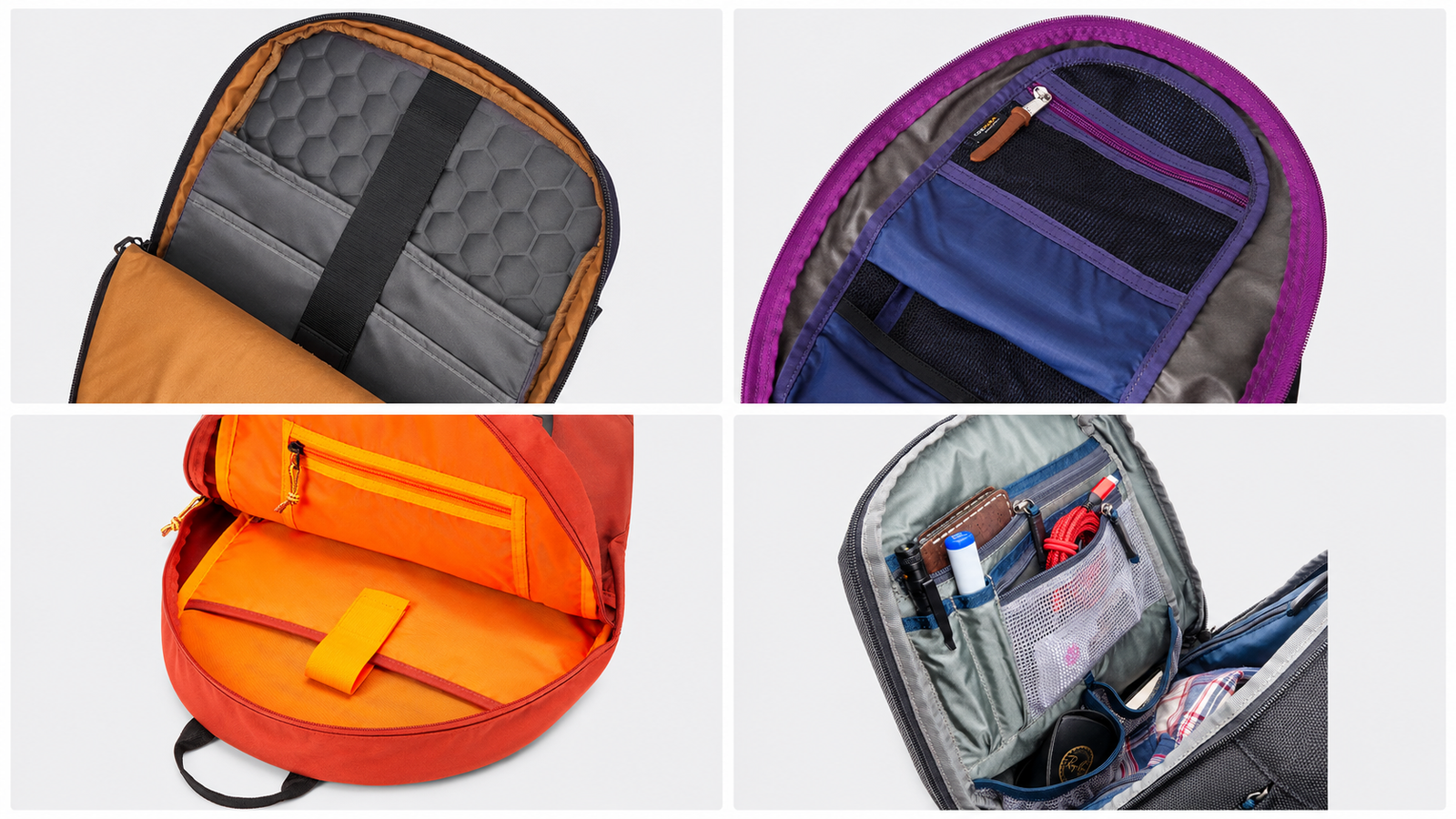
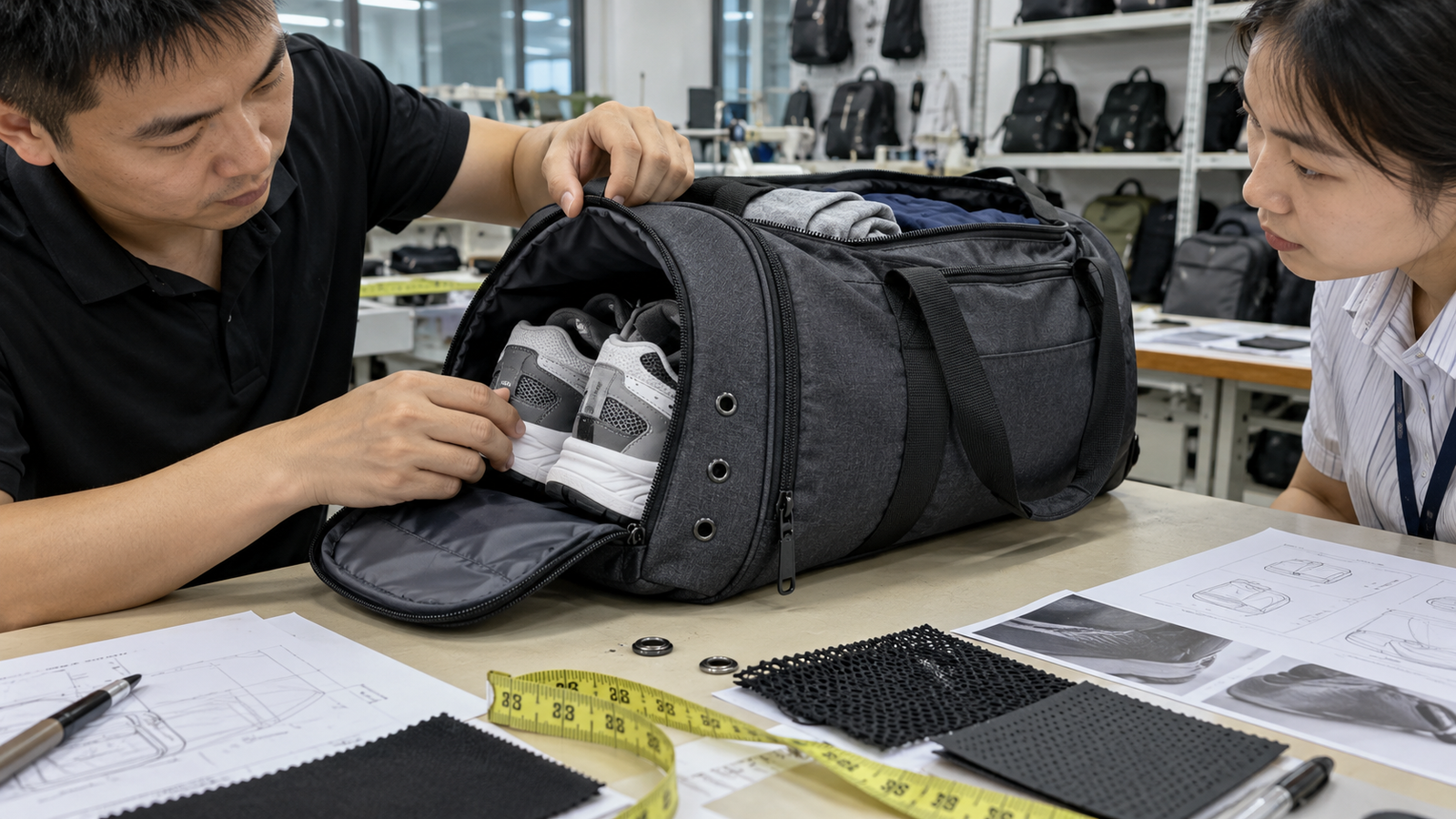
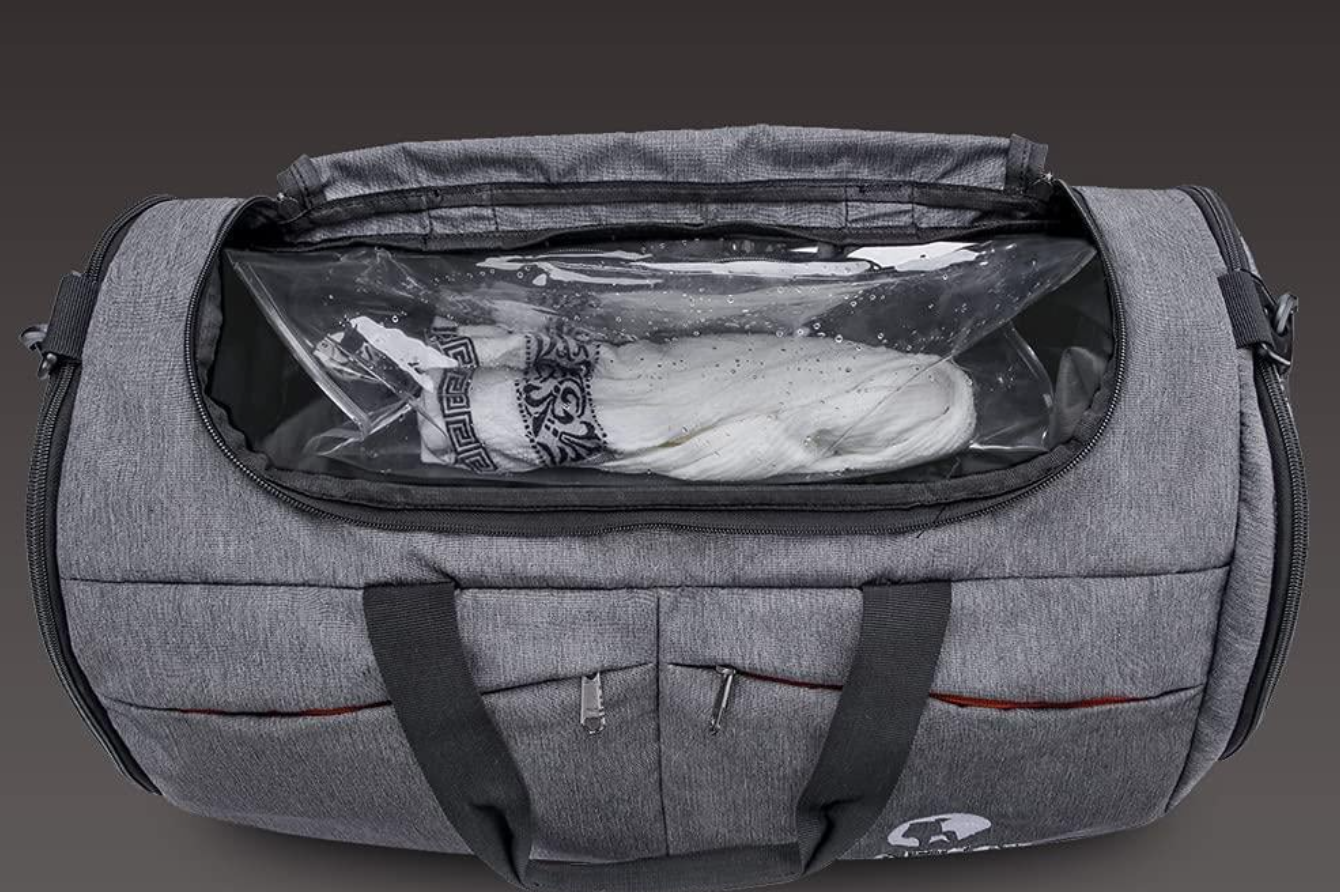
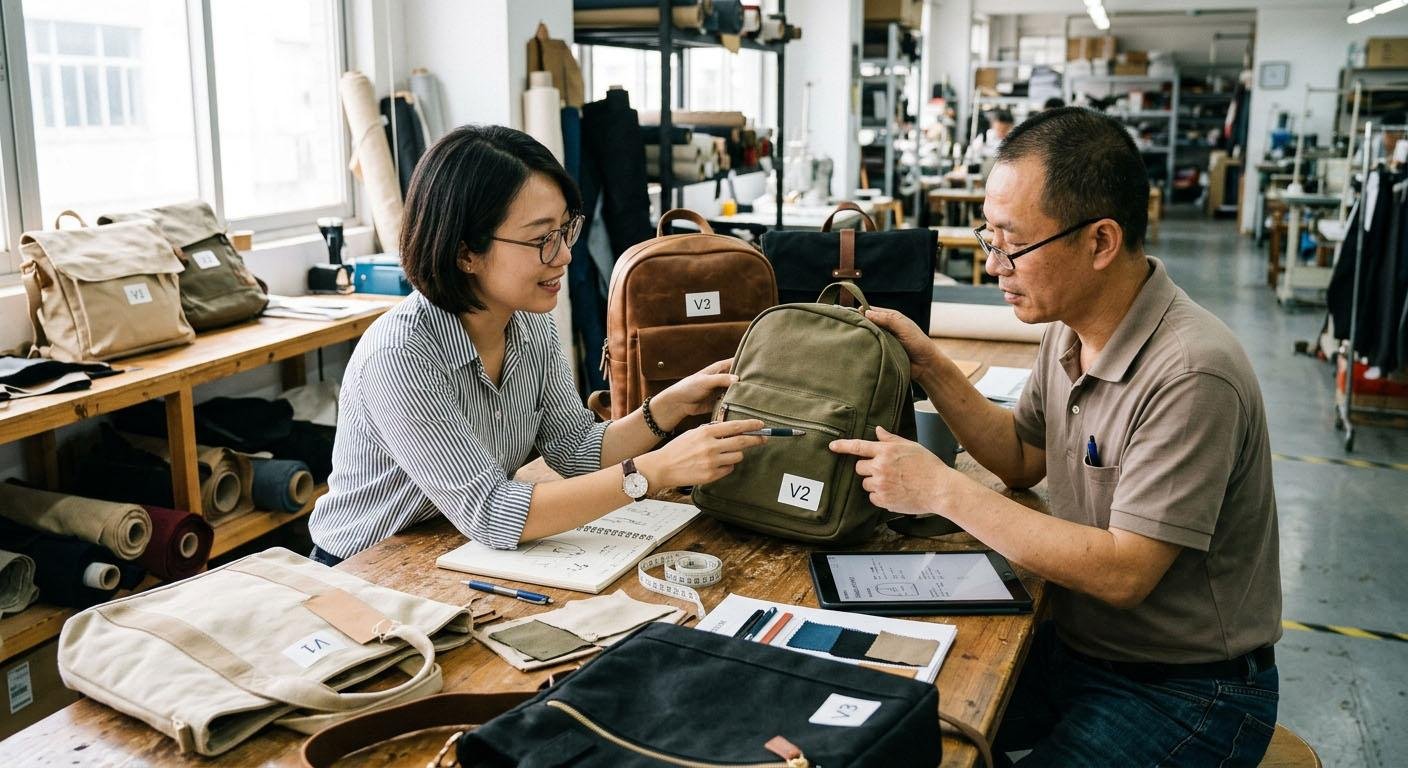
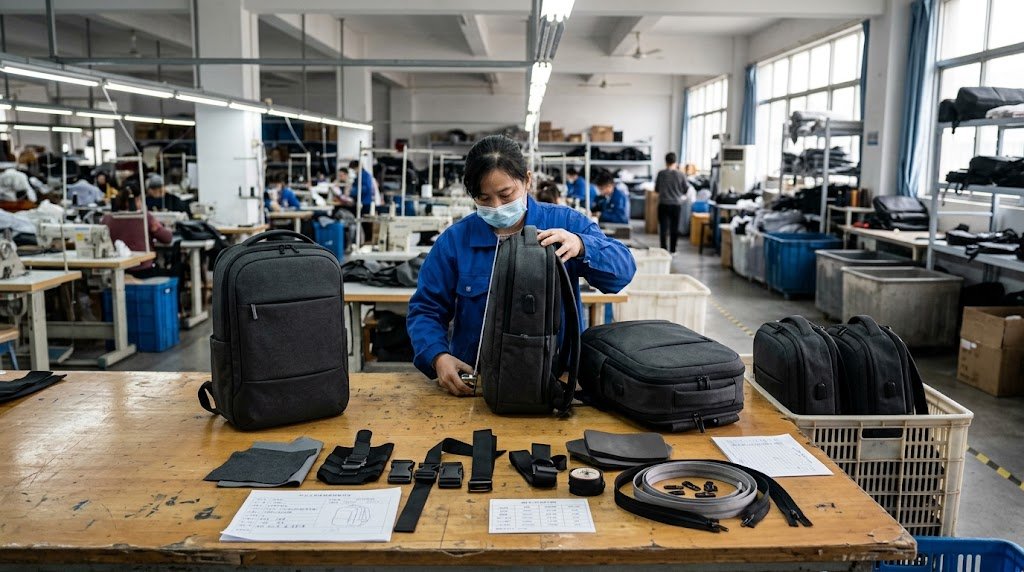
As we step into 2025, the trend around backpack and lunchbox set is more vibrant than ever. These products have evolved from simple school supplies to essential items that reflect personal style and practicality. Today, they’re a staple for both students and professionals alike.
The growing popularity of these sets is driven by several key factors: convenience, eco-friendly options, and a rising demand for functional designs that fit a variety of lifestyles. More than just carrying tools, these sets serve as an extension of a person’s identity—whether it’s a student heading to school or a professional looking for a sleek, efficient way to bring lunch to work.
As an OEM/ODM bag manufacturer, I’ve seen firsthand how businesses are tapping into these trends. From offering customized designs to incorporating sustainable materials, backpack and lunchbox sets have become a smart investment for brands aiming to meet the evolving needs of their customers.
In this article, I’ll explore why these sets are a hot trend for 2025 and how your business can leverage this growing demand. Let’s dive into the details!
Key Market Insights: The Rising Demand for Backpack and Lunchbox Sets
The demand for backpack and lunchbox sets is soaring, and the reasons behind this shift are clear. As more consumers look for practicality, personalization, and sustainability, these sets have become essential across different sectors—from schools to corporate environments.
Market Growth and Projections
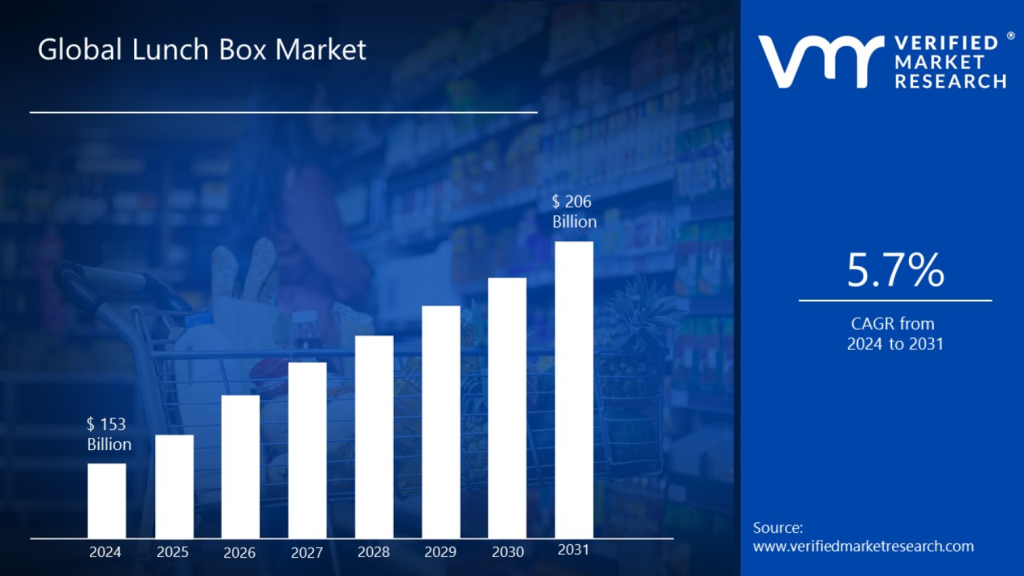
As of January 11, 2025, the demand for backpack and lunchbox sets continues to surge, driven by shifting consumer preferences and market dynamics. The global backpack market was valued at approximately USD 19.57 billion in 2023 and is projected to grow to USD 20.69 billion in 2024, with a compound annual growth rate (CAGR) of 5.7% from 2024 to 2028. This growth is attributed to trends such as outdoor recreation, fashion preferences, and the increasing need for multifunctional designs that cater to both work and leisure activities.
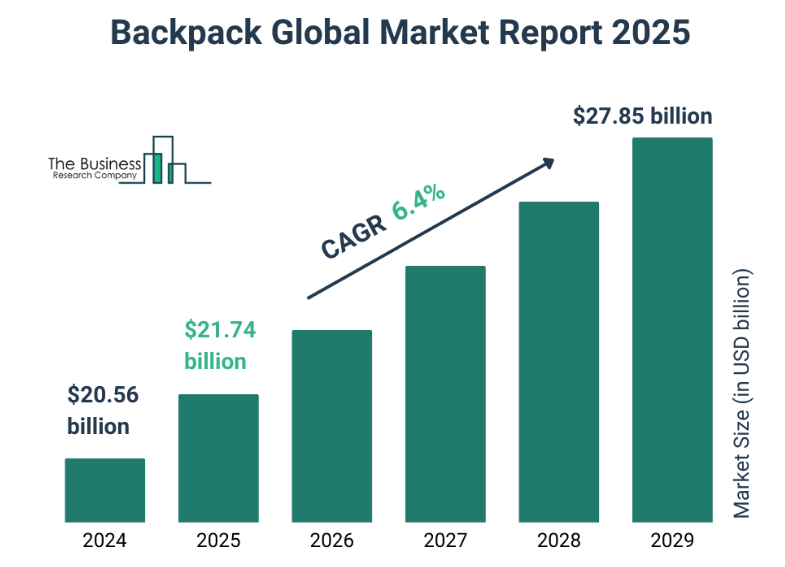
In parallel, the global lunch box market was valued at $153 billion in 2023 and is projected to grow to $206 billion by 2031, with a CAGR of 5.7%. A significant portion of this growth is fueled by the increasing demand for eco-friendly lunchboxes and the growing trend of multi-functional products, such as backpack and lunchbox sets. These sets are being recognized not only for their practical use but also for their ability to meet the evolving needs of both individual consumers and businesses.
The growth of the backpack market aligns with this trend, as backpacks and lunchboxes are now being sold as bundled sets, offering a convenient, all-in-one solution. This is especially popular in corporate environments for employee perks, promotional gifts, and personalized branding.
Key Drivers of Growth
- Convenience and Functionality: Combining both a backpack and lunchbox into one set is a major selling point. Consumers appreciate the practicality of having an all-in-one solution, perfect for daily commutes, school runs, or work lunches.
- Health and Sustainability Trends: With the growing health consciousness, there’s a strong demand for eco-friendly lunchboxes made from sustainable materials such as stainless steel, recycled plastics, and BPA-free options. This aligns with broader consumer trends toward healthier lifestyles and environmental responsibility.
- Customization and Branding: As personalization becomes more popular, branded backpack and lunchbox sets are in high demand, particularly for corporate giveaways and company merchandise. These sets allow businesses to increase brand visibility while promoting sustainability.
Emerging Market Trends
In addition to growing consumer interest, the corporate market for customized backpack and lunchbox sets is expanding. Businesses are increasingly offering these sets as employee incentives or client gifts, capitalizing on the trend of promoting eco-consciousness and employee well-being.
Table: Market Insights for Backpack and Lunchbox Sets (2023-2025)
| Category | 2023 Market Size | 2024-2025 Growth Rate | Key Drivers |
|---|---|---|---|
| Backpacks | $10 billion | 5.4% CAGR | Durability, Customization |
| Lunchboxes | $153 billion | 5.7% CAGR | Health Trends, Sustainability |
| Corporate Sets | $2 billion | 6.1% CAGR | Branding, Employee Engagement |
The growing demand for these sets clearly highlights the shift towards multifunctionality and eco-consciousness. As the market continues to grow, businesses that can offer personalized, durable, and sustainable backpack and lunchbox sets are poised to thrive.
In the next section, we’ll explore the benefits of incorporating these sets into your business strategy and how to leverage them for branding and promotional success.
The Benefits of Backpack and Lunchbox Sets for Your Business
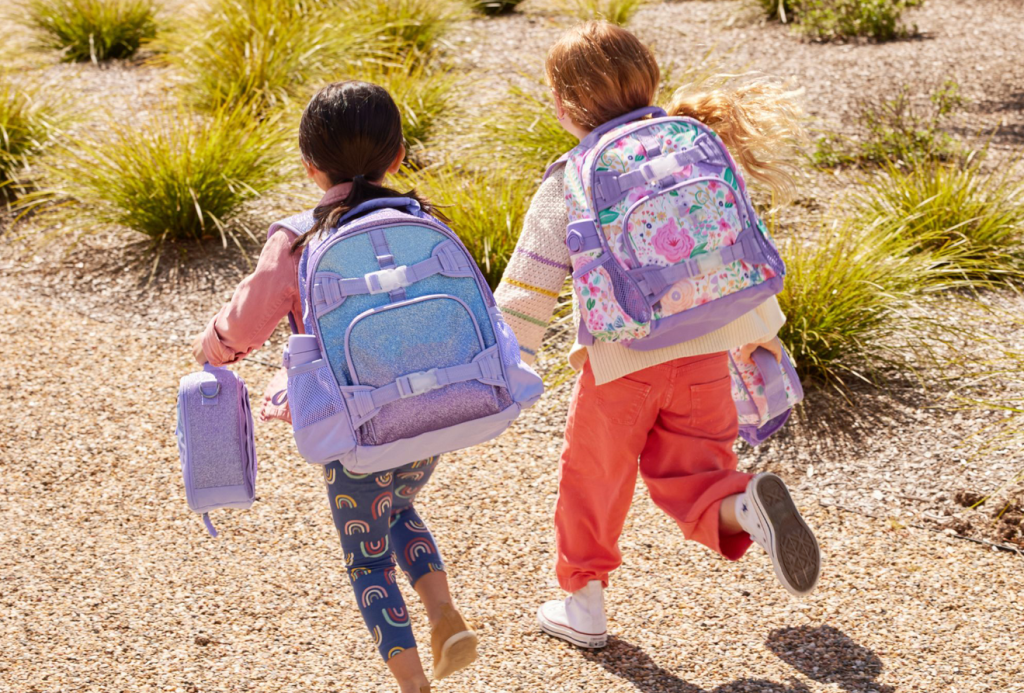
For businesses aiming to enhance their marketing strategies, offering backpack and lunchbox sets can yield significant benefits.
These multifunctional sets are more than just a product—they’re an opportunity for brands to tap into consumer demand for convenience, sustainability, and personalization. If you’re looking to stay competitive and relevant in today’s fast-paced market, offering these sets can provide tremendous benefits to your business.
Corporate Branding
Backpack and lunchbox sets serve as effective promotional tools that can elevate a company’s branding efforts. By customizing these products with logos and brand colors, businesses can create memorable impressions that resonate with employees, clients, and potential customers. When recipients use these items in their daily lives, they inadvertently become walking advertisements for the brand, increasing visibility in various settings such as schools, offices, and outdoor events.
Eco-Friendly Marketing
As sustainability becomes a priority for consumers, offering eco-friendly backpack and lunchbox sets aligns with modern values. Many consumers are actively seeking products that minimize environmental impact. By providing reusable and sustainable options, businesses not only contribute to reducing plastic waste but also demonstrate their commitment to corporate social responsibility. This appeal to eco-conscious consumers can enhance brand loyalty and attract new customers who prioritize sustainability in their purchasing decisions.
Health and Wellness Promotion
Promoting the use of lunchboxes encourages healthier eating habits among employees or students. Custom lunchboxes allow individuals to prepare nutritious meals at home, reducing reliance on fast food or pre-packaged meals that often contain unhealthy ingredients. This focus on health can lead to improved employee well-being and productivity, making it a valuable selling point for companies looking to promote a healthy workplace culture.
Gift Sets for Events
Backpack and lunchbox sets make excellent giveaways for corporate events, trade shows, or employee appreciation days. They provide practical value while reinforcing the brand message. These items are not only useful but also create a positive association with the company, enhancing overall brand perception. For example, custom lunch bags can encourage employees to take their breaks away from their desks, fostering a more relaxed work environment that boosts creativity and productivity.
Versatility and Practicality
The versatility of backpack and lunchbox sets makes them appealing to a wide range of audiences. Whether targeting students, professionals, or families, these products cater to diverse needs. From stylish designs suitable for corporate environments to fun and colorful options for children, businesses can tailor their offerings to meet specific market demands. This adaptability ensures that the products remain relevant across various demographics.
Cost-Effectiveness
Investing in bulk orders of backpack and lunchbox sets can be cost-effective for businesses. Many manufacturers offer discounts for larger orders, allowing companies to maximize their marketing budgets while providing high-quality promotional items. Additionally, these products have a long lifespan compared to traditional giveaways like pens or notepads, ensuring that the investment continues to yield returns over time.
In the next section, we’ll dive deeper into the practical strategies for sourcing, manufacturing, and branding these products to ensure you get the best return on investment.
Top Materials Used in Backpack and Lunchbox Sets: Durability Meets Style
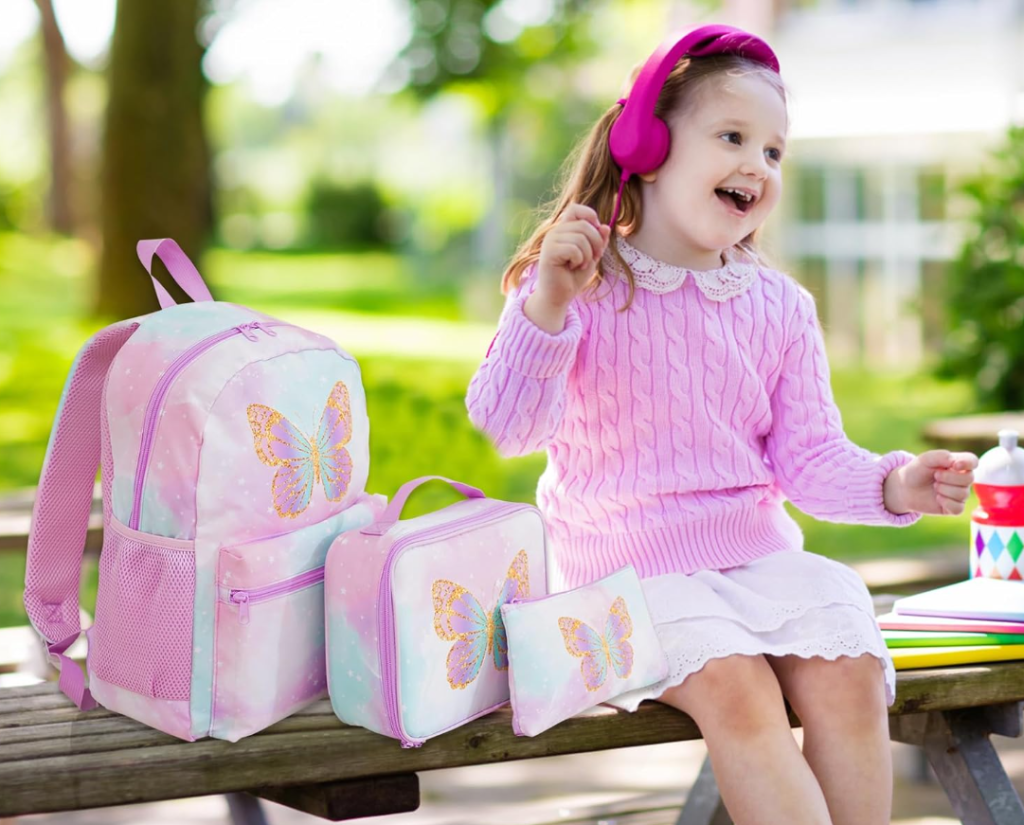
When designing high-quality backpack and lunchbox sets, selecting the right materials is essential. These choices impact not only the product’s durability and functionality but also its visual appeal. Today’s consumers seek products that blend practicality with style, while also prioritizing eco-friendliness. With these considerations in mind, it’s important to choose materials that align with both customer expectations and industry standards.
Let’s explore some of the top materials that strike the right balance between form and function.
1. Backpack Sustainable Materials
Sustainability is a hot topic in today’s market, and consumers are looking for products that reflect their values. Using eco-friendly fabrics not only enhances the appeal of your backpack sets but also aligns with broader environmental trends.
- Recycled Polyester (RPET): This fabric is made from recycled plastic bottles, making it an excellent sustainable option for backpacks. It’s durable, lightweight, and water-resistant, making it ideal for daily use. Plus, using RPET gives your products a strong eco-friendly edge, attracting environmentally conscious consumers.
- Nylon: Nylon is another popular material for backpacks due to its durability and resistance to wear and tear. It’s lightweight, water-resistant, and provides excellent protection against external elements. While not as eco-friendly as RPET, it can be sourced from brands that follow sustainable practices.
- Organic Cotton: A natural and biodegradable alternative, organic cotton is perfect for eco-conscious customers. It’s soft, durable, and has a more premium feel, which can work well for high-end or luxury backpack designs.
2. Insulated Lunchbox Materials
When designing insulated lunchboxes, the materials you choose are key to both performance and style. The right insulation will keep food at the desired temperature, while the outer fabric provides durability, aesthetics, and ease of use. Let’s take a closer look at the main materials used in insulated lunchboxes, as well as common fabrics used in bags.
Insulated Materials for Lunchboxes
| Material | Insulation Effectiveness | Durability | Water Resistance | Eco-Friendliness | Best For |
|---|---|---|---|---|---|
| Foam Insulation | High | High | Moderate | Low (Not biodegradable) | Excellent temperature retention, cost-effective insulation |
| Aluminum Foil Lining | Moderate to High | Moderate | High | Moderate (Recyclable) | Enhancing insulation when paired with foam or neoprene |
| Neoprene | Moderate | High | High | Low (Not biodegradable) | Flexible, durable, and water-resistant lunchbags |
| Polyester | Low | High | High (Water-resistant coatings) | Moderate (Recyclable options available) | Strong outer shell, affordable, and resistant to stains |
| Canvas | Low | Moderate | Low (Needs treatment for water resistance) | Moderate (Can be organic) | Durable, natural aesthetic, typically used for non-insulated designs or combined with other insulations |
| Nylon | Low | High | Moderate (Water-resistant options) | Moderate (Recycled options available) | Lightweight and durable, often used for external fabric in lunchboxes |
- Foam Insulation: Foam is one of the most commonly used materials for insulation in lunchboxes. It’s lightweight, effective, and helps maintain the temperature of food for several hours. Foam offers great thermal resistance and can be molded to fit the interior of the lunchbox perfectly.
- Aluminum Foil Lining: Often used in combination with foam or other insulating materials, aluminum foil reflects heat or cold to keep food at its ideal temperature. It’s a lightweight and highly effective option, though it’s typically used as a liner rather than the primary insulation material.
- Neoprene: Known for its excellent flexibility and insulation properties, neoprene is commonly used in lunchbags. It’s water-resistant, durable, and offers a level of cushioning. Neoprene is also capable of maintaining the temperature of the contents while providing additional protection against impacts.
Popular Bag Fabrics
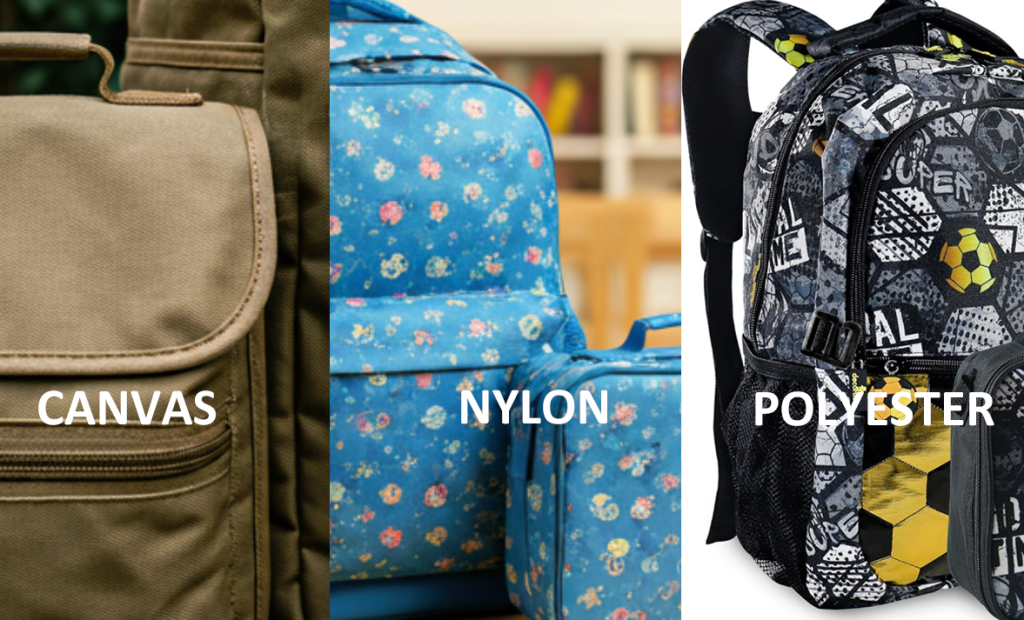
- Canvas: Canvas is a versatile, durable fabric made from cotton or a cotton blend. Often used in both backpacks and lunchboxes, canvas is well-regarded for its rugged, natural look and durability. While canvas is not inherently water-resistant, it can be treated to withstand moisture. Its thick weave adds structure and strength to the product.
- Polyester: A highly durable and cost-effective material, polyester is one of the most common fabrics for both backpacks and lunchboxes. It’s water-resistant, easy to clean, and offers excellent color retention. Polyester also holds up well over time, making it ideal for everyday use.
- Nylon: Nylon is another popular fabric for backpacks and lunchboxes due to its lightweight yet sturdy nature. It is resistant to abrasion and tearing, and it dries quickly, making it perfect for bags that will be exposed to the elements. Nylon’s smooth surface makes it easy to clean and maintain.
By selecting the right insulated materials and fabrics, you can create lunchboxes that meet the needs of today’s consumers—keeping their food fresh and at the ideal temperature while also ensuring durability and style. Whether you opt for foam insulation, neoprene, or a combination of fabrics like canvas and polyester, choosing the best materials is essential for producing high-quality lunchboxes that stand out in the market.
How to Customize Backpack and Lunchbox Sets for Your Brand?
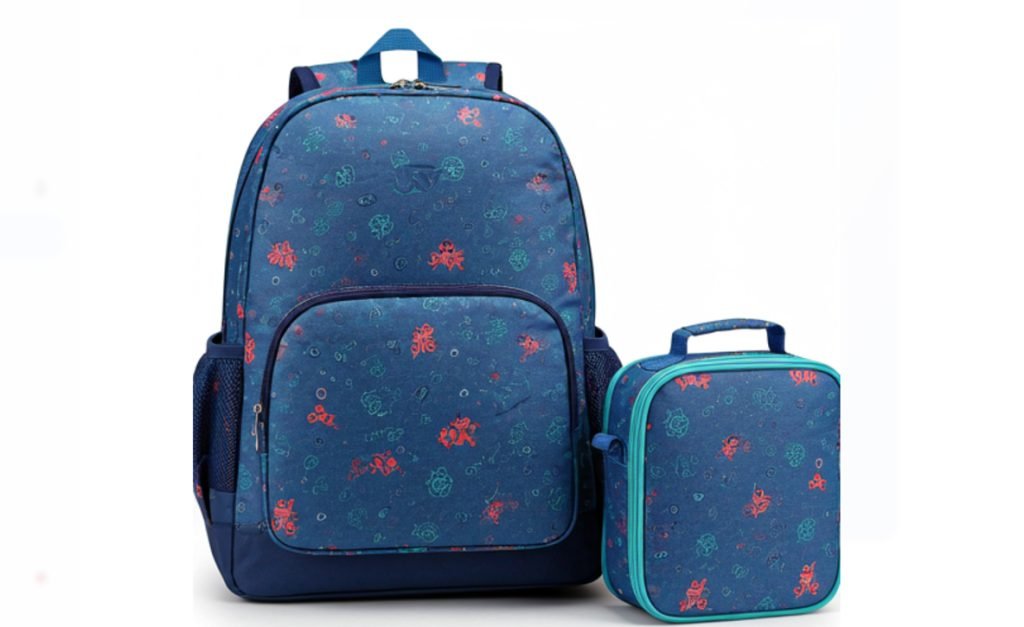
Customizing backpack and lunchbox sets is an excellent way to make your products stand out in a crowded market while building strong brand recognition. Whether you’re targeting corporate clients, schools, or retail customers, customizing these products effectively can leave a lasting impression.
Below, I’ll walk you through the top methods for branding, design best practices, and strategies to maximize cost-efficiency when ordering in bulk.
Embroidery vs. Printing: Which Customization Method is Best?
There are several customization methods to consider, each with its own advantages and limitations. Let’s break down the most common techniques: embroidery, screen printing, and sublimation.
1. Embroidery
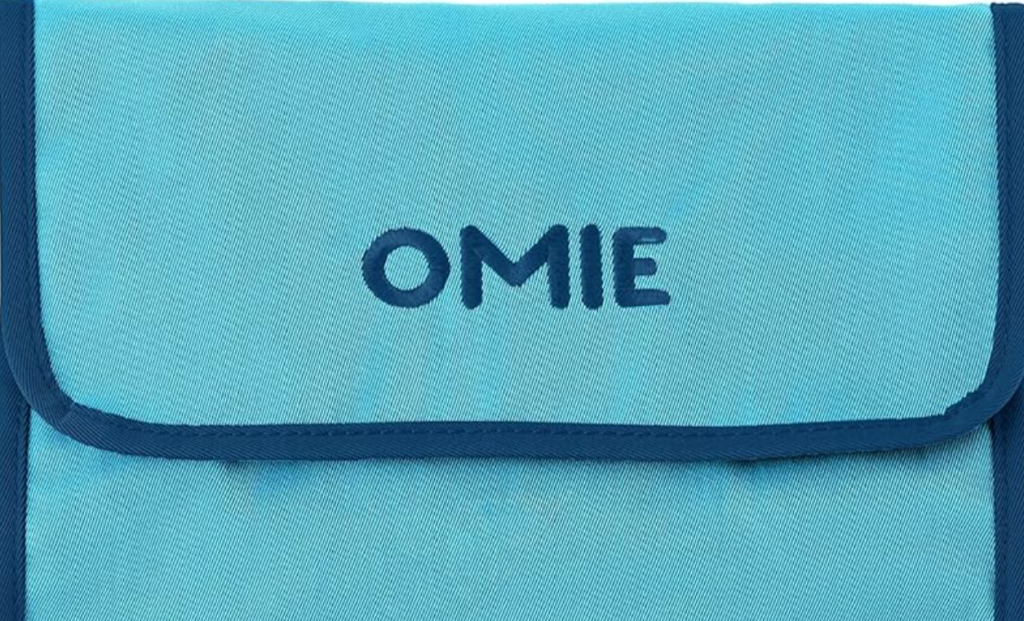
| Pros: | Durability: Embroidery is incredibly durable, often lasting longer than printed designs. |
| Premium Look: It gives a high-end, professional appearance and works well on both backpacks and lunchboxes. | |
| Versatility: Embroidery is suitable for various materials, including cotton, polyester, and nylon, and works well with logos and text. | |
| Cons: | Limited Design Complexity: Detailed or highly intricate designs may not be suitable for embroidery. It’s best for logos, initials, or simple graphic elements. |
| Higher Cost: Embroidery often comes with a higher setup cost and may not be as cost-effective for small orders. |
2. Screen Printing
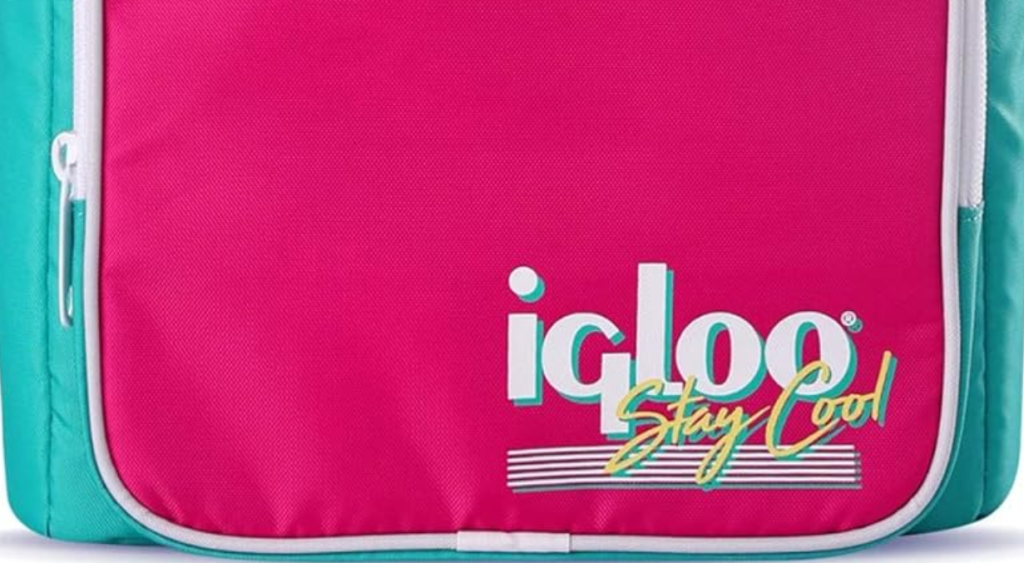
| Pros: | Cost-Effective for Bulk Orders: Screen printing is ideal for large quantities and offers a low cost per unit when producing a high volume of products. |
| | Vibrant Colors: It provides sharp, vibrant colors that stand out, making it perfect for logos and graphics that require high contrast. |
| | Durability: When done correctly, screen printing is long-lasting, even on tough materials. |
| Cons: | Limited to Flat Surfaces: Screen printing works best on flat, smooth areas, which can be limiting when dealing with the contours of a lunchbox or backpack. |
| | Complexity and Detail: Extremely intricate designs or photographic images may not be suitable for screen printing. |
3. Sublimation
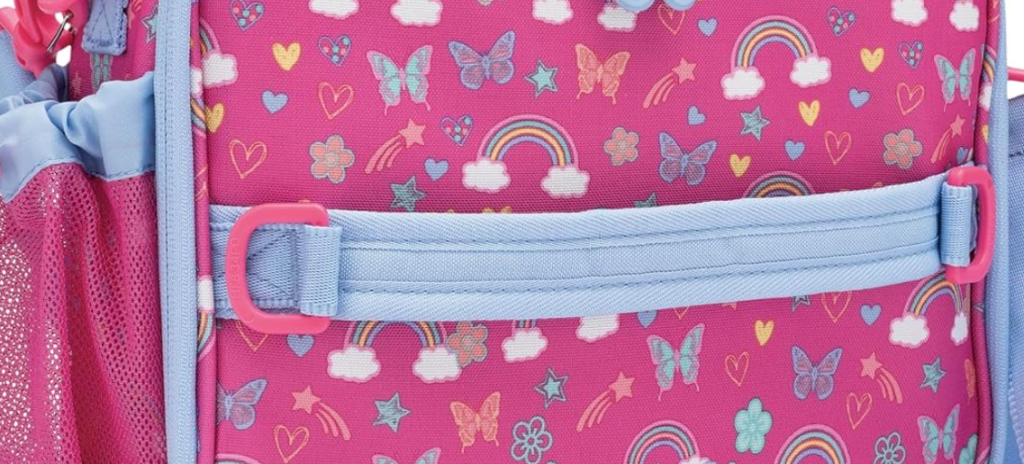
| Pros: | Vibrant, Full-Color Designs: Sublimation offers full-color, high-quality prints that are long-lasting and will not fade or peel. |
| | No Texture: Unlike screen printing or embroidery, sublimated designs become part of the fabric, giving a smooth feel to the surface with no raised texture. |
| | Ideal for Polyester: Sublimation works best with polyester-based materials, which are common for backpacks and lunchboxes. |
| Cons: | Material Limitations: Sublimation can only be done on light-colored polyester and isn’t suitable for natural fabrics like cotton or canvas. |
| | Higher Setup Cost for Small Runs: While sublimation is cost-effective for large orders, the initial setup can be expensive, particularly for smaller quantities. |
Design Best Practices: How to Maximize Branding Impact
Creating a custom design that resonates with your target audience requires more than just slapping a logo on the product. To ensure maximum visibility and brand recall, consider the following design best practices:
- Focus on Key Branding Areas: The most effective branding placements on backpacks and lunchboxes are typically on the front pocket or centered on the main body. This positioning makes the logo or message immediately visible to consumers.
- Keep It Simple: Complex designs can get lost, especially when the item is small or viewed from a distance. Opt for bold, minimalistic designs that make an impact without overwhelming the product. Use your brand’s color palette to create a cohesive look.
- Incorporate Functional Design: Don’t forget that the functionality of the product should guide your design choices. For example, adding a zippered pocket with a small logo allows for branding while maintaining usability. Avoid covering too much of the surface with prints, as this can reduce the bag’s practicality.
- Consider User Experience: Ensure that branding doesn’t interfere with the product’s main function. A design that limits accessibility or compromises the bag’s compartments won’t serve your customers well in the long run.
Bulk Orders and Discounts: Maximizing Cost-Efficiency
When ordering customized backpack and lunchbox sets, bulk orders are a great way to reduce production costs. Here are some key strategies for maximizing your savings while ensuring a high-quality product:
- Negotiate with Manufacturers: When placing large orders, it’s crucial to negotiate pricing with your manufacturer. Discounts are typically offered for orders of 500 or more units, depending on the production volume and materials.
- Choose a Single Customization Method: If your goal is to minimize costs, it’s best to select a single customization method across the entire order. For instance, if you choose screen printing, sticking with this method for all designs will keep production costs low.
- Order in Advance: Planning ahead can help you lock in the best pricing for custom products. Manufacturers may offer early-bird discounts or allow you to schedule orders ahead of peak seasons, ensuring you avoid price hikes.
- Combine Products for Bulk Orders: If you offer a product line, consider bundling backpack and lunchbox sets with other items in bulk. Many manufacturers offer discounts for ordering multiple products in one large shipment.
FAQs
1. What is the best material for backpack and lunchbox sets?
The best material for backpack and lunchbox sets depends on durability, insulation needs, and style. Polyester and nylon are great for the outer material due to their water resistance and durability. For insulation, foam and neoprene are commonly used to maintain food temperatures. Canvas is an eco-friendly option, but it typically requires an additional insulation layer.
2. Are insulated lunchboxes really effective in keeping food cold?
Yes, insulated lunchboxes are very effective at maintaining food temperature, especially when paired with high-quality insulation materials like foam or neoprene. These materials help keep food cold for several hours, making them perfect for school or work lunches. Adding an ice pack can further extend the temperature control.
3. How do I choose the right size for a backpack and lunchbox set?
Choosing the right size depends on the intended user. For children, opt for a smaller set that’s lightweight and easy to carry. For adults, especially for work or outdoor activities, look for larger backpacks with enough room for a lunchbox and other essentials. Ensure the lunchbox fits comfortably in the backpack without overcrowding.
4. Are there eco-friendly backpack and lunchbox sets available?
Yes, many brands are offering eco-friendly options for both backpacks and lunchboxes. Materials like organic cotton, recycled polyester, and bamboo are being used to make environmentally conscious products. Look for sets that are made with sustainable materials and are free from harmful chemicals.
Conclusion
Backpack and lunchbox sets are more than just functional—they are a powerful way to showcase your brand’s identity. From selecting the right materials to choosing the ideal customization method, each step offers an opportunity to create a product that resonates with your audience. As the demand for these multifunctional sets grows, staying ahead of market trends and making informed choices is key to success.
Want to create custom backpack and lunchbox sets that leave a lasting impression? Contact us today to browse our collection and find the perfect products for your customers.