Staring at a wall of backpacks with prices all over the map can be confusing. You want a great pack, but you don’t want to overspend. Let’s clear things up.
The price of a good hiking backpack1 varies between $50 and over $300, depending on its features, materials, and brand reputation. The key factors influencing the price include the backpack’s size, intended use (day hikes vs. multi-day treks), and special features like hydration reservoirs and ergonomic designs.
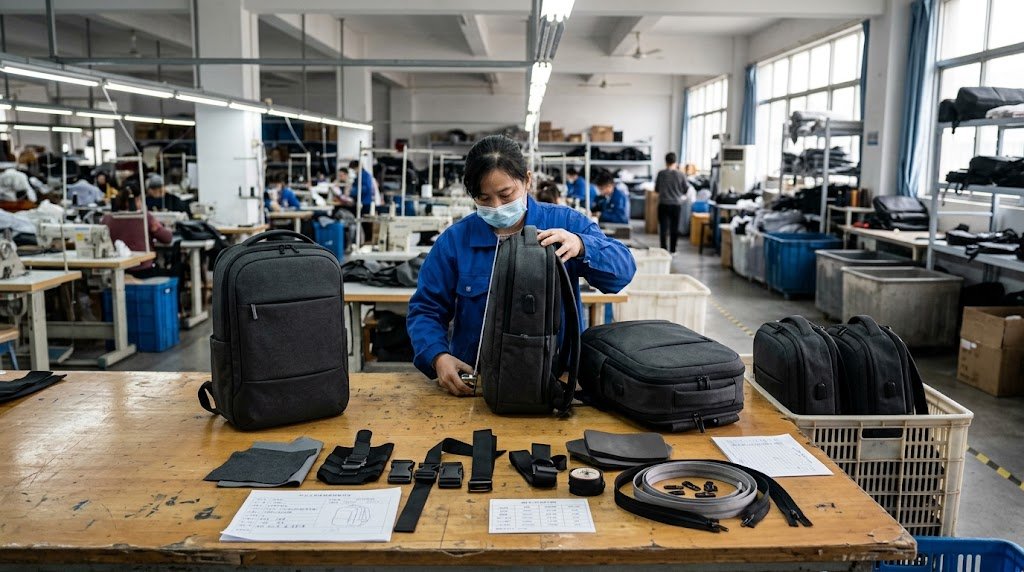
As a bag manufacturers, I’ve seen firsthand what goes into making a backpack. The price tag isn’t random; it tells a story about the quality of the materials, the complexity of the design, and the durability2 you can expect on the trail.
In this guide, I’ll break down everything you need to know to find the right pack at the right price for your adventures.
[claim claim=”The most expensive hiking backpacks always offer the best performance.” istrue=”false” explanation=”The best performance depends on the user’s specific needs. An ultralight, expensive pack may be less durable and comfortable for a user carrying heavy loads, for whom a robust, mid-priced pack would perform better.”]
[claim claim=”Getting a backpack professionally fitted is crucial for comfort on long hikes.” istrue=”true” explanation=”A proper fit ensures the pack’s weight is distributed correctly onto the hips, preventing shoulder and back pain. Many features like adjustable torso length and hip belts only work effectively when fitted to the individual.”]
How Much Should You Expect to Pay for a Quality Hiking Backpack?
Feeling lost in the huge price range3 for hiking packs? You don’t want to get a cheap pack that fails, but you also don’t want to waste money. Here’s a simple breakdown.
You should expect to pay between $100 and $200 for a quality hiking backpack. This price range offers the best balance of durability, comfort, and essential features for most hikers. According to a 2024 REI report, 80% of customers choose packs in this sweet spot.
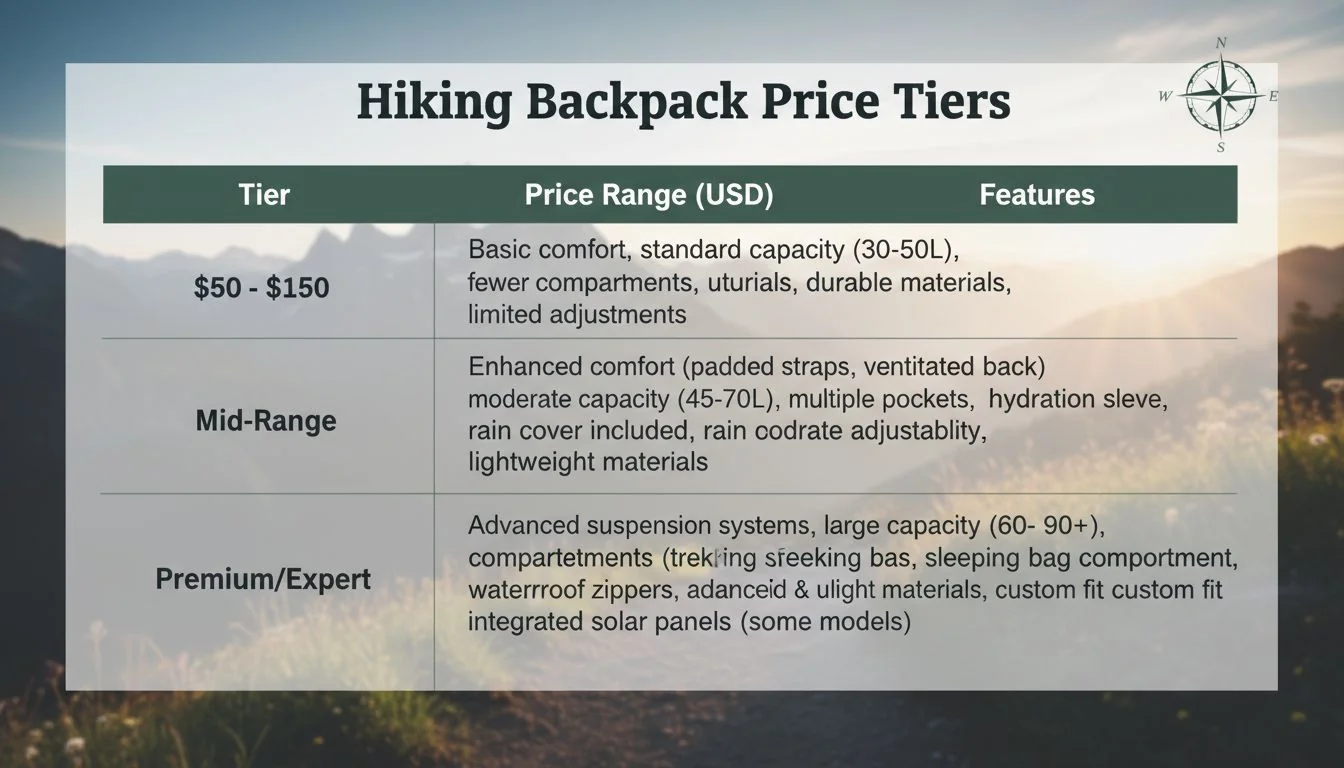
In my experience working with brands, we often categorize backpacks into clear tiers. This helps us design and source materials for a specific customer and budget. The price directly reflects the pack’s intended use. A simple daypack doesn’t need the same robust frame as a pack designed to carry 50 pounds for a week. Understanding these tiers will help you know what you’re paying for.
Here’s a general guide to what you can expect at different price points:
| Price Tier | Price Range | Best For |
|---|---|---|
| Budget / Entry-Level | $50 – $100 | Short day hikes, casual use. |
| Mid-Range / The Sweet Spot | $100 – $250 | Multi-day backpacking, serious day hikes. |
| Premium / Specialized | $250 – $400+ | Thru-hiking, heavy loads, specialized activities. |
Most people will be perfectly happy with a pack from the mid-range tier. These packs use durable materials and have the key comfort features4, like padded hip belts and adjustable frames, that you need for multi-day trips.
[claim claim=”80% of hiking backpacks are sold for under $100.” istrue=”false” explanation=”According to REI data from 2024, 80% of customers opt for mid-range backpacks priced between $100 and $200, indicating this is the most popular price bracket.”]
[claim claim=”Backpack price is influenced by its intended use, such as day hikes versus multi-day treks.” istrue=”true” explanation=”Packs for multi-day treks require more robust suspension systems, larger capacities, and more durable materials to handle heavier loads over longer periods, which increases their cost compared to simpler daypacks.”]
What Are The 3 Factors that Really Drive the Price of a Hiking Backpack?
Ever wonder why two packs that look almost the same have a $200 price difference? It’s easy to think you’re just paying for a logo. Let’s look at what’s really going on.
The price is a direct reflection of three things: the cost of raw materials, the hardware used, and the complexity of the construction. Premium fabrics, brand-name zippers, and advanced suspension systems are where the costs add up quickly.
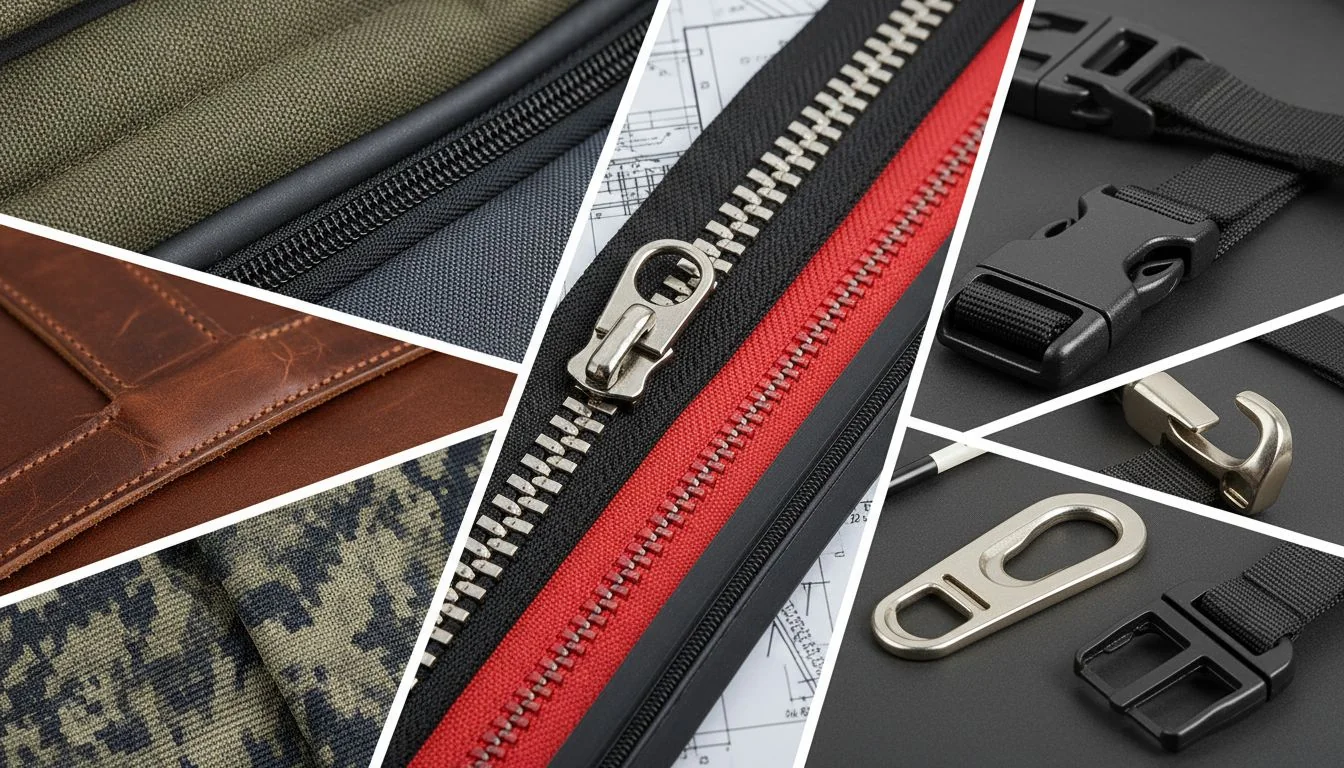
As a manufacturer, we see exactly where every dollar goes. The difference between a budget pack and a premium one isn’t magic; it’s a series of deliberate choices in materials and construction that add up. When a brand decides to use a top-tier fabric or a more complicated sewing pattern, the cost—and often the performance—goes up.
1. Raw Material Costs
The fabric is one of the biggest cost drivers. A standard 210D Polyester is cheap. But if a brand wants a pack to be both tough and light, they might choose a high-tenacity 420D nylon or an ultralight composite fabric like Dyneema. That Dyneema fabric5 can cost 5 to 10 times more per yard. This choice alone can add $50-$100 to the retail price.
For an in-depth comparison of backpack materials and their impact on performance and cost, check out our article on What Is the Best Material for a Hiking Backpack?
2. Hardware & Trim
It’s not just the fabric. Think about the zippers. A standard, unbranded zipper is pennies. A top-of-the-line, water-resistant YKK® AquaGuard® zipper costs significantly more. Now, add in custom-molded foam for the back panel, high-grade aluminum for the frame, and brand-name buckles from a company like Duraflex. Each of these small upgrades adds to the final cost.
3. Labor & Construction Complexity
A simple bookbag might have 15 pattern pieces and take 20 minutes to sew. A high-end 65L technical pack can have over 70 pattern pieces, multiple access points, and a complex suspension system6. Sewing this with the needed precision, including reinforcing stress points (called bar-tacking), takes much more time and skill. That increased labor time directly increases the pack’s price.
[claim claim=”All backpack zippers are made by the same company, YKK.” istrue=”false” explanation=”While YKK is a dominant and high-quality zipper manufacturer, many other companies produce zippers. Budget packs often use unbranded, cheaper zippers to reduce costs.”]
[claim claim=”Dyneema Composite Fabric is one of the most expensive materials used in high-end backpacks.” istrue=”true” explanation=”Dyneema is exceptionally strong, waterproof, and lightweight, but its manufacturing process is complex, making it 5-10 times more expensive than traditional nylon or polyester fabrics.”]

How Do Brand Names Affect Hiking Backpack Prices?
You see a pack from a famous brand and wonder if it’s really worth the extra money. You want quality, but you don’t want to pay just for marketing. Let’s talk about what that brand name gets you.
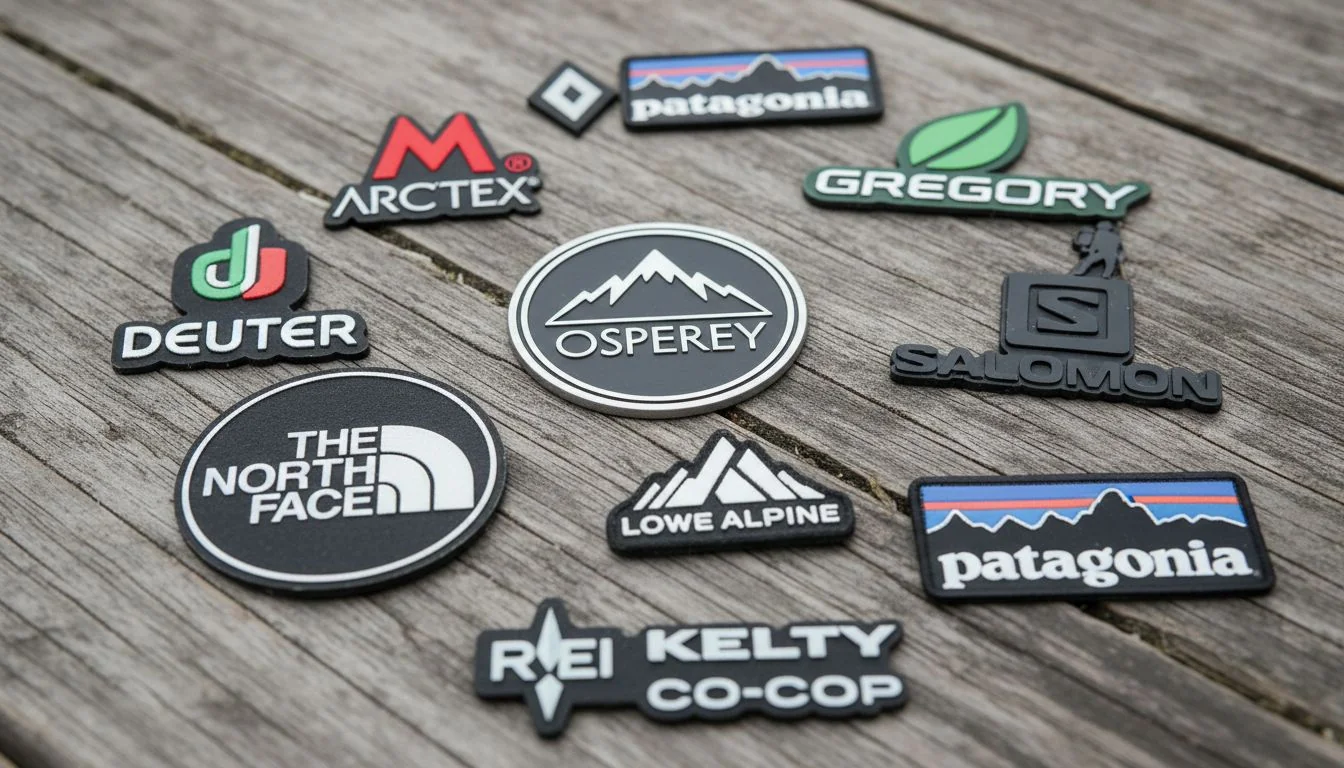
Well-known brands like Osprey, Deuter, and Gregory often have higher prices because of their reputation for quality, innovation, and customer support. A 2023 Backpacker Magazine survey found that 55% of hikers will pay more for these brands because they trust them.
The 3 Tiers of Backpack Brands & Pricing
First, it helps to group brands into three main tiers. The price differences are substantial.
| Brand Tier | Price Range (Multi-Day Pack) | Example Brands | What You’re Paying For |
|---|---|---|---|
| Tier 1: Premium | $250 – $500+ | Osprey, Gregory, Arc’teryx, Mystery Ranch | R&D, advanced suspension, lightest/strongest materials, and a lifetime warranty. |
| Tier 2: Mid-Range | $150 – $250 | REI Co-op, Deuter, Kelty (some models) | Excellent balance of quality, features, and price. Durable materials and good suspension. |
| Tier 3: Budget | $75 – $150 | Teton Sports, Amazon Brands (e.g., Nevo Rhino) | Basic functionality. Heavier materials, simpler suspension, and a limited 1-year warranty. |
What Makes Premium Brands Like Osprey and Arc’teryx More Expensive?
-
1. Research & Development (R&D)
You’re paying for comfort and innovation. These brands invest millions in developing proprietary, ergonomic suspension systems (like Osprey’s "Anti-Gravity" mesh or Arc’teryx’s "Bora" hip belt) that make carrying heavy loads significantly more comfortable.
-
2. Advanced Materials
They use cutting-edge, lightweight, and highly durable fabrics. This includes high-tenacity ripstop nylon, and in Arc’teryx’s case, advanced laminates (like Gore-Tex) and proprietary weaves that are extremely weather-resistant and tough.
-
3. Complex Manufacturing & Quality Control
These packs are not simple to make. Arc’teryx, for example, uses techniques like micro-seam taping and lamination (welding fabric together) instead of just sewing. This skilled, precise labor costs more but results in a lighter, stronger, and more weather-proof product.
-
4. The Lifetime Warranty
A major part of the cost is the brand’s guarantee. Osprey’s "All Mighty Guarantee" and Arc’teryx’s "Limited Warranty" are commitments to repair or replace a pack for its practical lifetime. You are essentially paying for a product that could last for decades, backed by a robust service and repair program.
This video explains that contribute to the high cost of a brand like Arc’teryx.
[claim claim=”All hikers prefer to buy from well-known, expensive brands.” istrue=”false” explanation=”While a 2023 Backpacker Magazine survey found 55% of hikers are willing to pay more for known brands, a significant 45% prioritize other factors like price, fit, or specific features over brand name alone.”]
[claim claim=”Store brands like REI Co-op can offer lower prices by using proven designs instead of investing heavily in new R&D.” istrue=”true” explanation=”Store brands often adapt successful features and designs that are already on the market, reducing the high costs associated with ground-up research and development, which allows them to offer competitive products at a lower price point.”]
How Much Should a Beginner Spend on Their First Pack?
You’re excited for your first hiking trip but have no idea what pack to buy. Buying the wrong one can make your first hike miserable. Let’s find the right starting point for your budget.
A beginner should aim to spend between $150 and $220 on their first pack. This price range gets you the most important features for comfort, like an adjustable frame7 and a supportive hip belt, without the high cost of specialized, premium packs.
My best advice is to avoid the cheapest pack you can find. I made that mistake on one of my first trips. I bought a cheap, one-size-fits-all pack, and my shoulders and back were screaming after just a few miles. A bad pack can honestly ruin hiking for you forever. Your first experience should be about enjoying the trail, not fighting your gear.
For your first pack, look at models like the REI Co-op Trailmade 60 or a Gregory Paragon (especially when it’s on sale). These packs are perfect for beginners because they focus on the fundamentals. They have adjustable suspension systems to fit your torso length and solid hip belts that transfer the pack’s weight off your shoulders and onto your hips. This is the single most important factor for comfort.
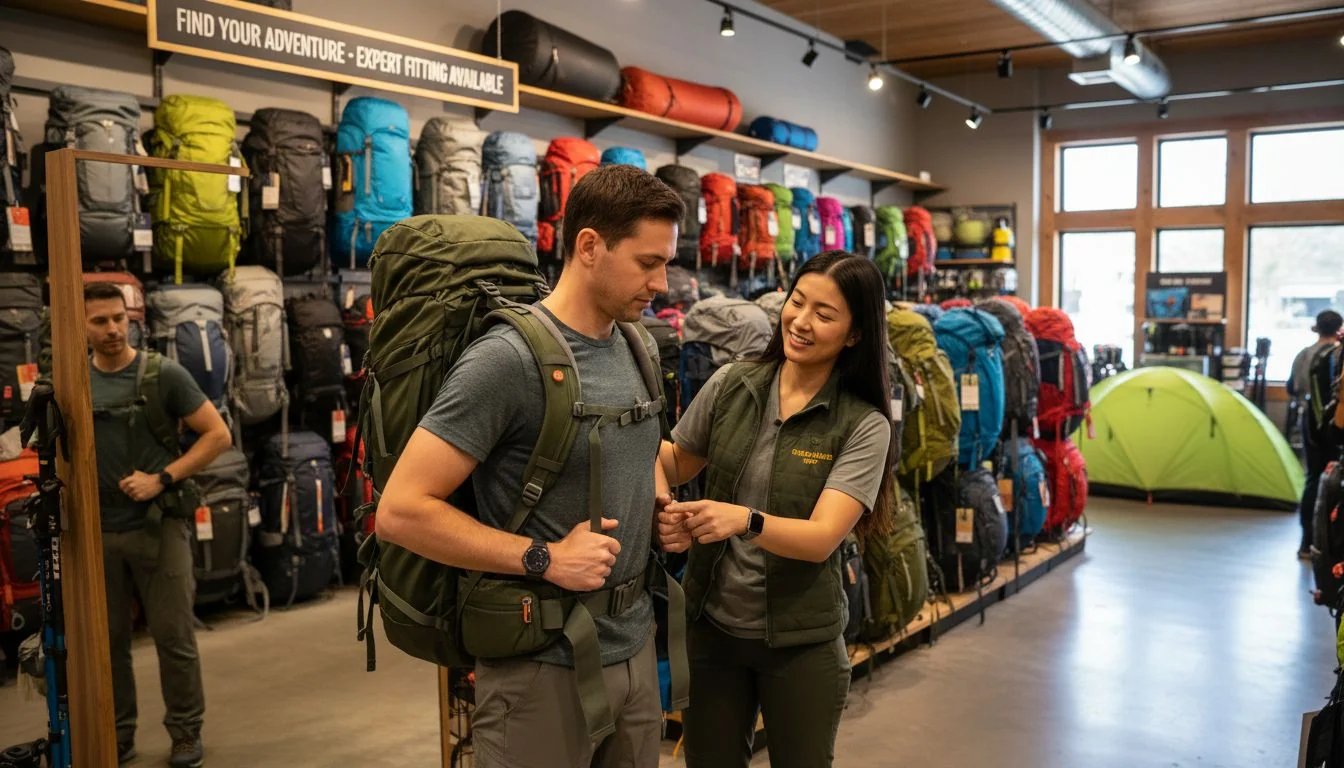
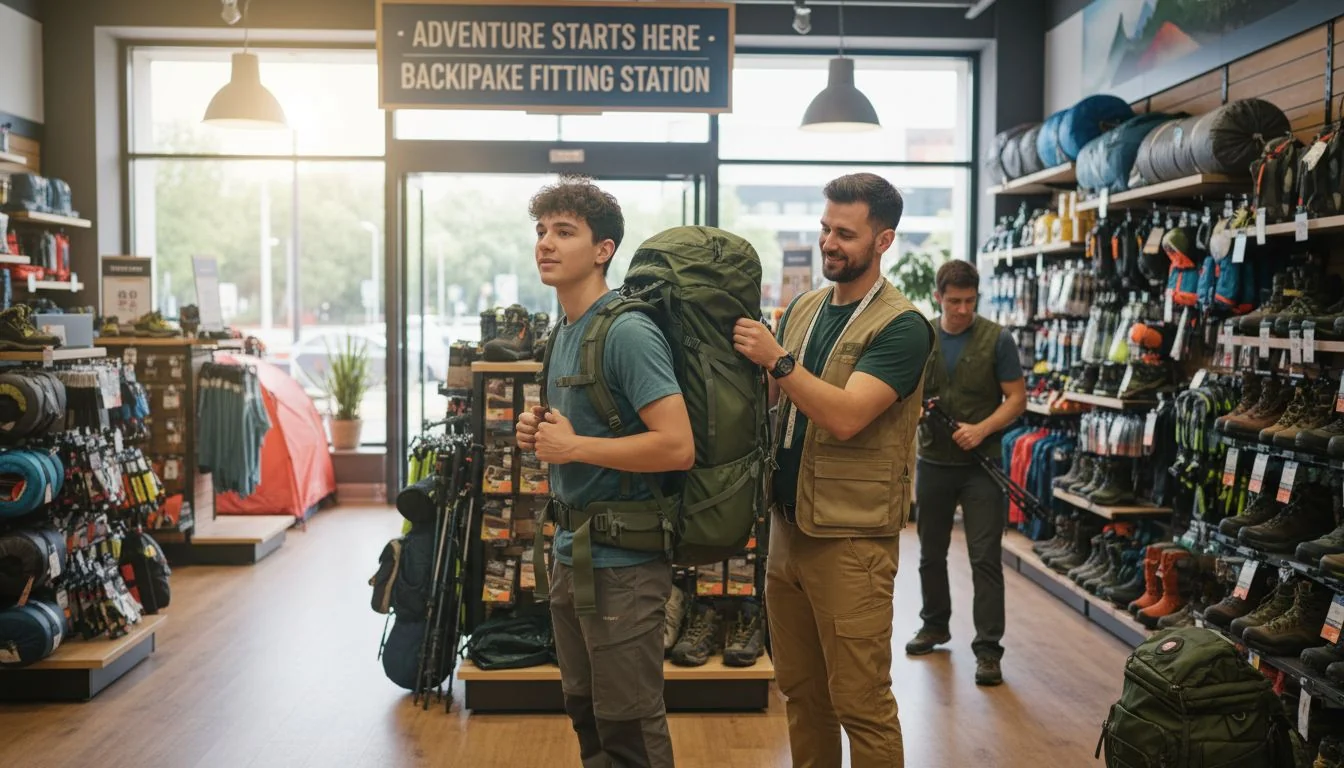
Key Tip: Go to a store and get fitted by someone who knows what they’re doing. A $200 pack that fits you perfectly is a thousand times better than a $400 pack that doesn’t. The fit is more important than any other feature.
[claim claim=”Beginners should buy the cheapest backpack available to save money.” istrue=”false” explanation=”The cheapest packs often lack proper suspension and adjustability, leading to discomfort and a negative first experience. Investing in a mid-range pack ($150-$220) with good fit is a better strategy.”]
[claim claim=”A well-fitting hip belt is crucial for carrying weight comfortably.” istrue=”true” explanation=”A good hip belt should rest on the iliac crest (the top of the hip bones) and is designed to transfer about 80% of the pack’s weight to the hips, which are better equipped to carry heavy loads than the shoulders.”]
When Is It Worth It to Splurge on a Premium ($350+) Pack?
Are you wondering if you’ll ever really need that $400+ backpack? You don’t want to waste money on features you won’t use. Here’s who actually benefits from a premium pack.
A premium pack is worth the splurge if you are a thru-hiker obsessed with weight, a frequent backpacker who demands maximum comfort, or someone who regularly carries very heavy loads (50+ lbs) and needs a super-strong suspension system.
Spending over $350 on a backpack only makes sense if you have very specific, demanding needs. For 90% of hikers, a mid-range pack is more than enough. But if you fall into one of these three categories, the extra cost can be a game-changer.
1. The Thru-Hiker / Ultralighter
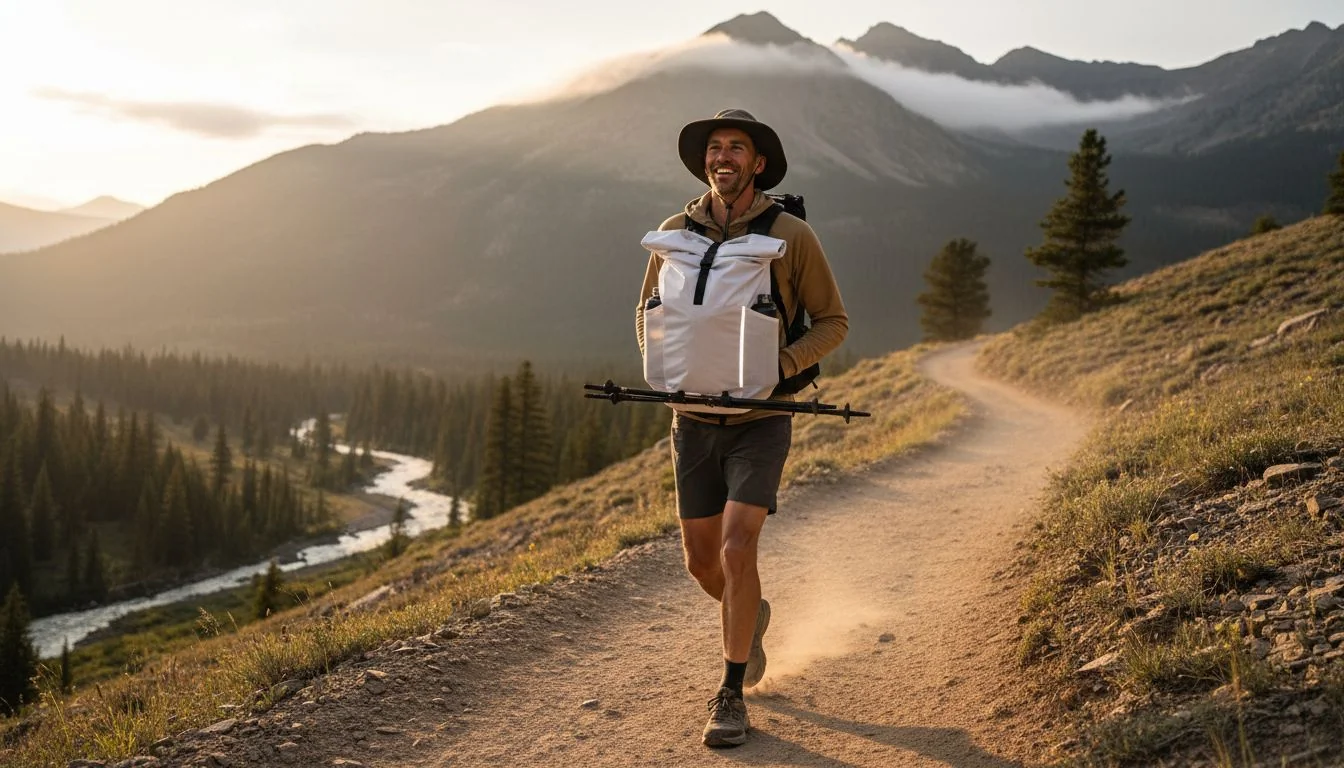
You are hiking for weeks or months at a time, and every single ounce matters. You are paying a premium for ultralight (and often less durable) materials like Dyneema to get your base weight as low as possible. Shaving pounds off your back makes a huge difference when you’re hiking 20 miles a day, every day.
2. The Serious Weekender
You go backpacking more than 10 times a year. For you, the pack needs to feel like an extension of your body. You’ll pay for a top-tier suspension system, like the one in an Osprey Atmos AG, that hugs your back and provides incredible ventilation and comfort over long miles.
3. The "Heavy Hauler"
You are a guide, a backcountry photographer with lots of camera gear, or a parent carrying equipment for your family. You need a pack with a "bomber" suspension system built to comfortably handle 50, 60, or even 70 pounds. Packs like the Mystery Ranch Terraframe have external frames designed for these massive loads, something a standard pack can’t handle.
[claim claim=”Premium backpacks are a necessary purchase for all serious hikers.” istrue=”false” explanation=”Only hikers with specific needs, like ultralight goals, the need to carry extremely heavy loads, or those who hike very frequently, truly benefit from the features of a premium ($350+) pack.”]
[claim claim=”Mystery Ranch backpacks are known for their robust suspension systems designed for heavy loads.” istrue=”true” explanation=”Mystery Ranch is a brand favored by wildland firefighters, military personnel, and hunters for its ‘overbuilt’ frames and load-carriage systems that excel at comfortably managing weights of 50 lbs and more.”]
How Does the Backpack Size and Capacity Influence Its Price?
You’re looking at packs and notice the bigger ones cost more. Is it just because they’re bigger, or is there more to it? Let’s connect a pack’s size to its price tag.
Yes, larger backpacks with more capacity8 (measured in liters) almost always cost more. This is because they use more material and, more importantly, require stronger, more complex frame and suspension systems to support the heavier loads they are designed to carry.
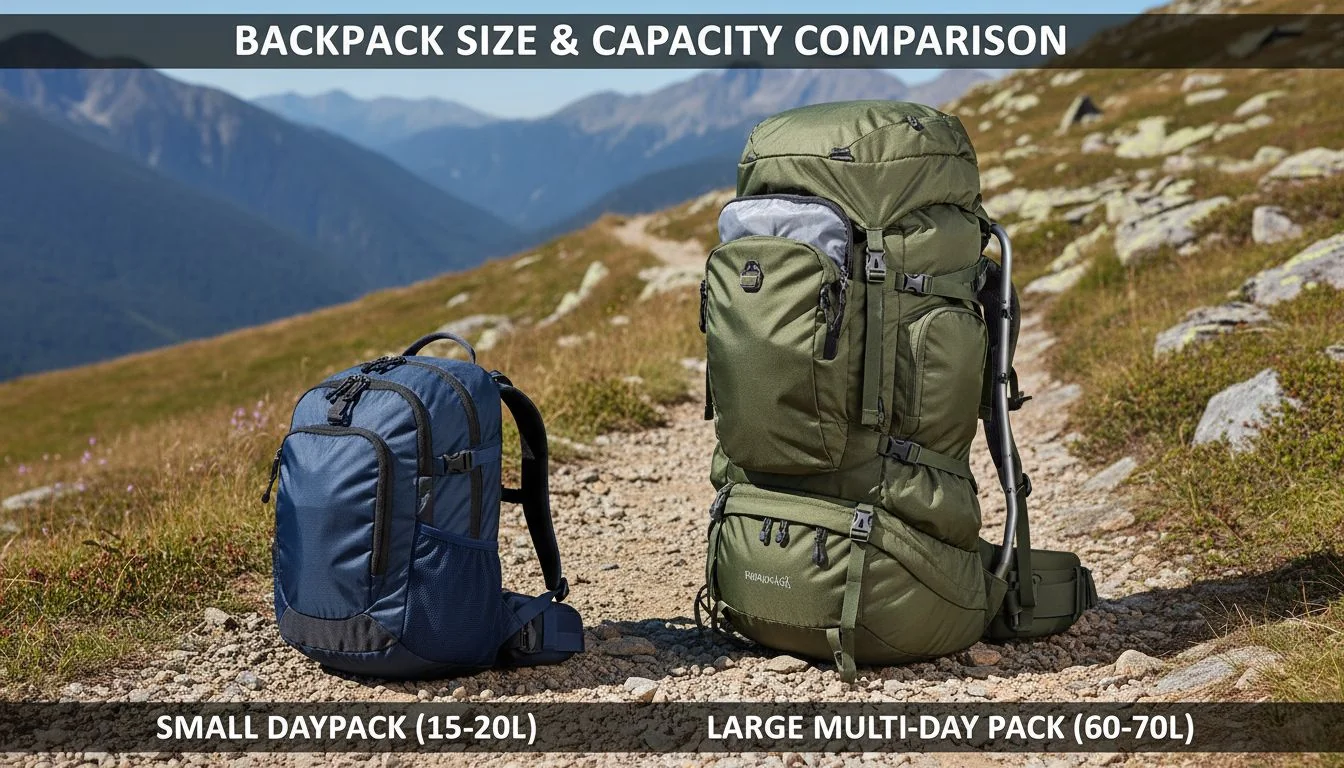
It’s easy to think a 60L pack costs more than a 30L pack just because it uses twice the fabric. But the fabric is only part of the story. The real cost increase comes from the engineering needed to carry weight. A 30L daypack might just have a simple foam back panel. But a 60L pack designed to carry 40 pounds needs a serious internal frame (often aluminum), a heavily padded and structured hip belt, and load-lifter straps to keep the weight stable.
Think of it like a vehicle. A small car and a heavy-duty truck are both vehicles, but the truck needs a bigger engine, a stronger frame, and a more robust suspension to do its job. It’s the same with backpacks. The price scales not just with size, but with the strength of the underlying structure.
| Capacity (Liters) | Typical Use | Price Influence |
|---|---|---|
| 15-30L | Daypack | Lower cost; simple frame, less material. |
| 30-50L | Weekend Trips | Mid-range cost; basic frame, more features. |
| 50-70L | Multi-Day Trips | Higher cost; robust frame & suspension. |
| 70L+ | Expeditions | Premium cost; heavy-duty frame for massive loads. |
[claim claim=”A 60L backpack costs twice as much as a 30L backpack because it uses twice the fabric.” istrue=”false” explanation=”While it uses more fabric, the main cost increase comes from the more robust and complex internal frame, suspension system, and padding required to comfortably carry the heavier loads a larger pack allows.”]
[claim claim=”Backpack capacity is measured in liters.” istrue=”true” explanation=”The volume of a backpack’s main compartments and pockets is universally measured in liters (L), which indicates how much gear it can hold.”]
Conclusion
Choosing a hiking backpack comes down to matching your needs with the right price. Focus on getting a perfect fit and the features you’ll actually use on the trail.
Looking for the perfect hiking backpacks that fits your brand’s needs? Reach out to Osgoodway now and begin customizing your exclusive backpack!
People Also Ask (PAA) / Common Questions
What’s the Difference Between a $50 Backpack and a $200 One?
A $50 backpack is basic, often made with less durable materials and fewer features. A $200 backpack offers better comfort, durability, and advanced features like adjustable straps, suspension systems, and weather-resistant materials, making it ideal for longer hikes.
Are Expensive Backpacks Really More Comfortable?
Yes, expensive backpacks are more comfortable due to superior suspension systems, better weight distribution, and features like padded straps and breathable back panels, which reduce fatigue on long treks.
Is It Necessary to Buy an Expensive Backpack for Short Hikes?
For short hikes, it’s not essential to buy an expensive backpack. Budget-friendly backpacks under $100 can provide adequate comfort and functionality for casual day hikes. However, for multi-day treks or if you plan to hike frequently, investing in a higher-quality pack may offer better comfort, durability, and features that enhance your hiking experience.
How Long Does a Good Hiking Backpack Last?
A good hiking backpack can last anywhere from 3 to 10 years, depending on the materials, frequency of use, and maintenance. Premium backpacks made from durable materials like ripstop nylon or Cordura tend to last longer. Regular maintenance, such as cleaning and storing your backpack properly, can also help extend its lifespan. Higher-quality backpacks typically offer better longevity, making them a worthwhile investment for frequent hikers.
How Do Materials Affect the Cost of Hiking Backpacks?
Materials are a major factor in determining the cost of a hiking backpack. Budget backpacks often use polyester or standard nylon, which are less durable and weather-resistant. Premium backpacks are made from high-performance materials like ripstop nylon, Dyneema, or Gore-Tex, which are lighter, more durable, and provide better protection against the elements. These materials increase the cost of the backpack, but they also improve its comfort, durability, and overall performance on longer hikes.
References
-
Explore top-rated hiking backpacks to find the perfect fit for your adventures. ↩
-
Learn how durability impacts the cost and longevity of your hiking backpack. ↩
-
Understanding the price range helps you budget effectively for your hiking gear. ↩
-
Discover essential comfort features that enhance your hiking experience. ↩
-
Learn why Dyneema is a popular choice for ultralight and durable backpacks. ↩
-
Explore different suspension systems to choose the best one for your needs. ↩
-
Find out how an adjustable frame can improve fit and comfort on the trail. ↩
-
Learn how the capacity of a backpack influences its price and suitability for different hikes. ↩