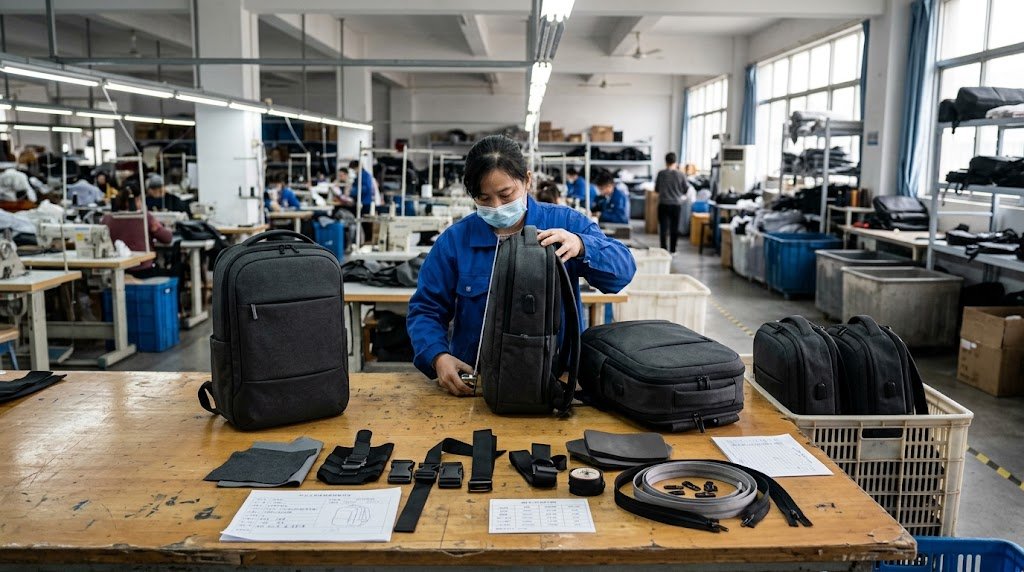
Are you tired of seeing your backpack lose its shape, color, or durability over time? Taking proper care of your backpack can extend its lifespan and ensure it stays looking good throughout the school year.
Backpacks need maintenance just like any other item that gets daily use. Regular care ensures that your backpack can withstand the rigors of school life while keeping your books, electronics, and other supplies safe and secure. Whether it’s cleaning, repairing, or storing, knowing the best practices for maintaining your backpack will help you avoid unnecessary damage.
Let’s dive into how you can properly care for your backpack to make it last for many school years to come.
Regular Cleaning: Keep Your Backpack Fresh and Functional

No one wants a dirty, smelly backpack, but with regular use, it’s bound to get a little grimy. Cleaning your backpack is essential not only for aesthetics but also for maintaining its functionality. Here are a few cleaning tips:
- Spot clean regularly: Use a damp cloth or sponge with a small amount of mild detergent to clean up small stains. Focus on areas like the straps, base, and corners that accumulate grime. Avoid using harsh chemicals, which may damage the fabric or fade the colors.
- Deep cleaning when needed: For a more thorough clean, check the care label. Some backpacks are machine washable, while others require hand washing. Fill a basin with lukewarm water and a gentle detergent, then scrub the backpack gently using a soft-bristled brush. Rinse thoroughly to remove soap residue.
- Dry thoroughly: Air-dry your backpack in a well-ventilated area. Hang it upside down with all zippers and compartments open to allow airflow. Avoid dryers or heat sources like radiators, as excessive heat can damage fabric, zippers, and adhesives.
- Odor management: If your backpack smells musty, sprinkle a small amount of baking soda inside and let it sit overnight before vacuuming it out. For persistent odors, consider using odor-eliminating sprays designed for fabrics.
A clean backpack not only looks better, but it also helps prevent odors and the buildup of bacteria, which is particularly important if you carry food or drinks in your bag.
Storage Tips: How to Keep Your Backpack in Shape
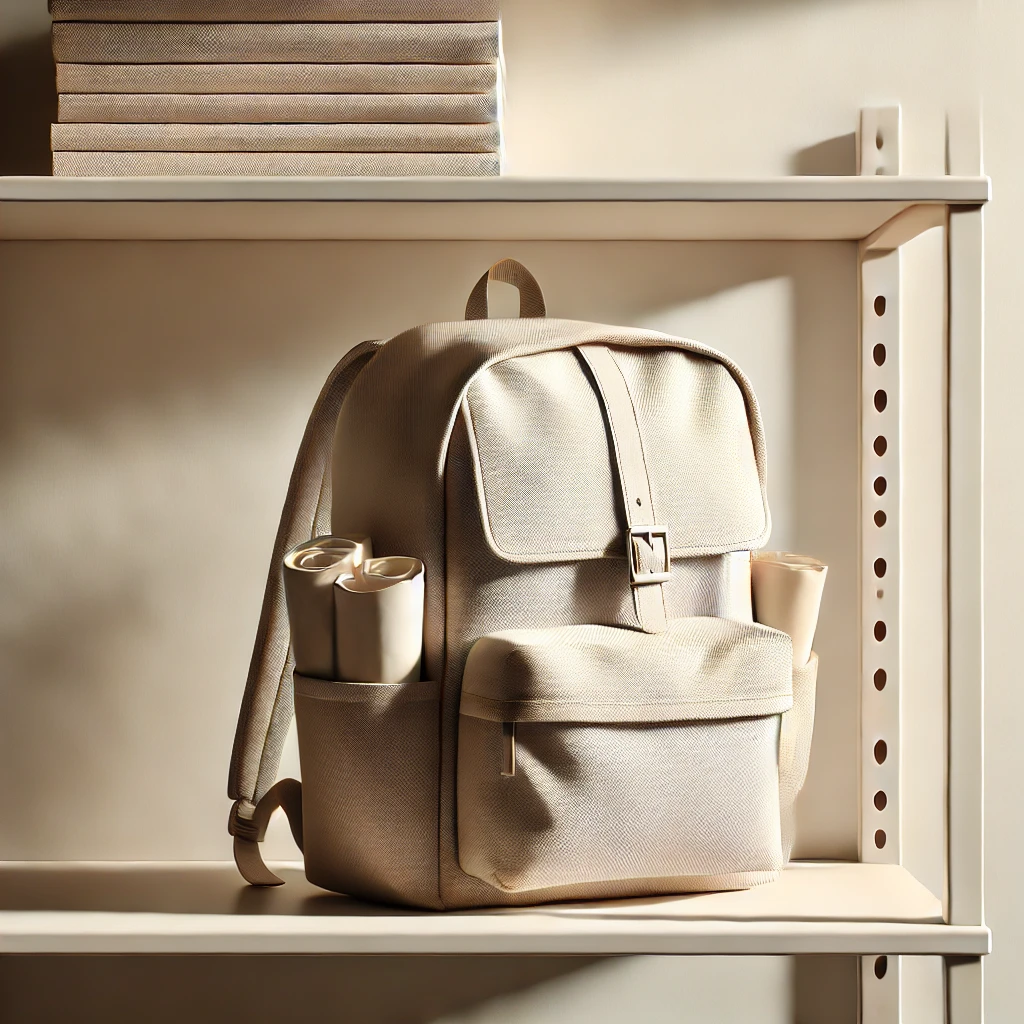
When you’re not using your backpack, proper storage is key to preserving its shape and functionality. Whether you’re storing it over the summer or for a short break, follow these tips to keep it in top condition:
- Empty the backpack: Always empty your backpack completely before storing it. Remove any items like pens, loose papers, or snacks that could create stains or attract insects.
- Stuff the backpack: To keep your backpack from losing its shape, stuff it with tissue paper or a soft material to maintain its structure. This will prevent sagging or bending in areas like the bottom or straps.
- Store in a cool, dry place: Avoid storing your backpack in areas with excessive moisture or extreme temperatures, as this can cause the fabric to degrade or encourage the growth of mold and mildew.
By storing your backpack correctly, you’ll prevent unnecessary wear and tear and ensure that it’s ready to use when school starts again.
Avoid Overloading Your Backpack: Protect the Straps and Zippers
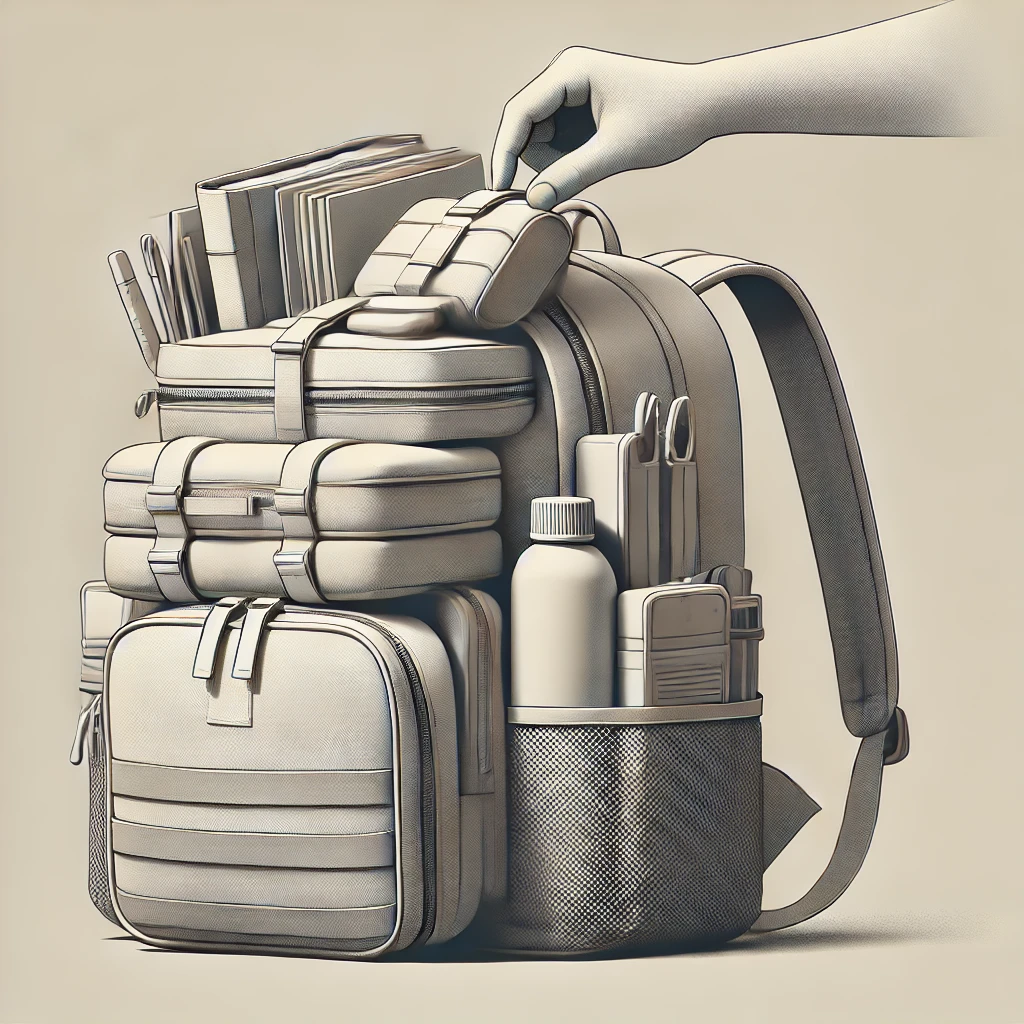
Overloading your backpack can cause undue strain on the straps and zippers, leading to damage over time. Here’s how to avoid overloading and ensure that your backpack stays in good condition:
- Distribute weight evenly: Pack heavier items at the bottom of your backpack and lighter items at the top. This helps maintain balance and reduces stress on the straps.
- Don’t overstuff: It might be tempting to cram everything into your backpack, but overstuffing it can lead to broken zippers or torn seams. Make sure your backpack is the right size for your load.
- Use the compartments wisely: Keep larger items in the main compartment and use the smaller pockets for smaller, lighter items. This will help evenly distribute the weight and avoid unnecessary strain on the zippers.
By managing the weight of your backpack, you’ll reduce the risk of damaging key parts like the zippers, straps, and stitching.
Repairing Small Damages Early: Prevent Bigger Issues
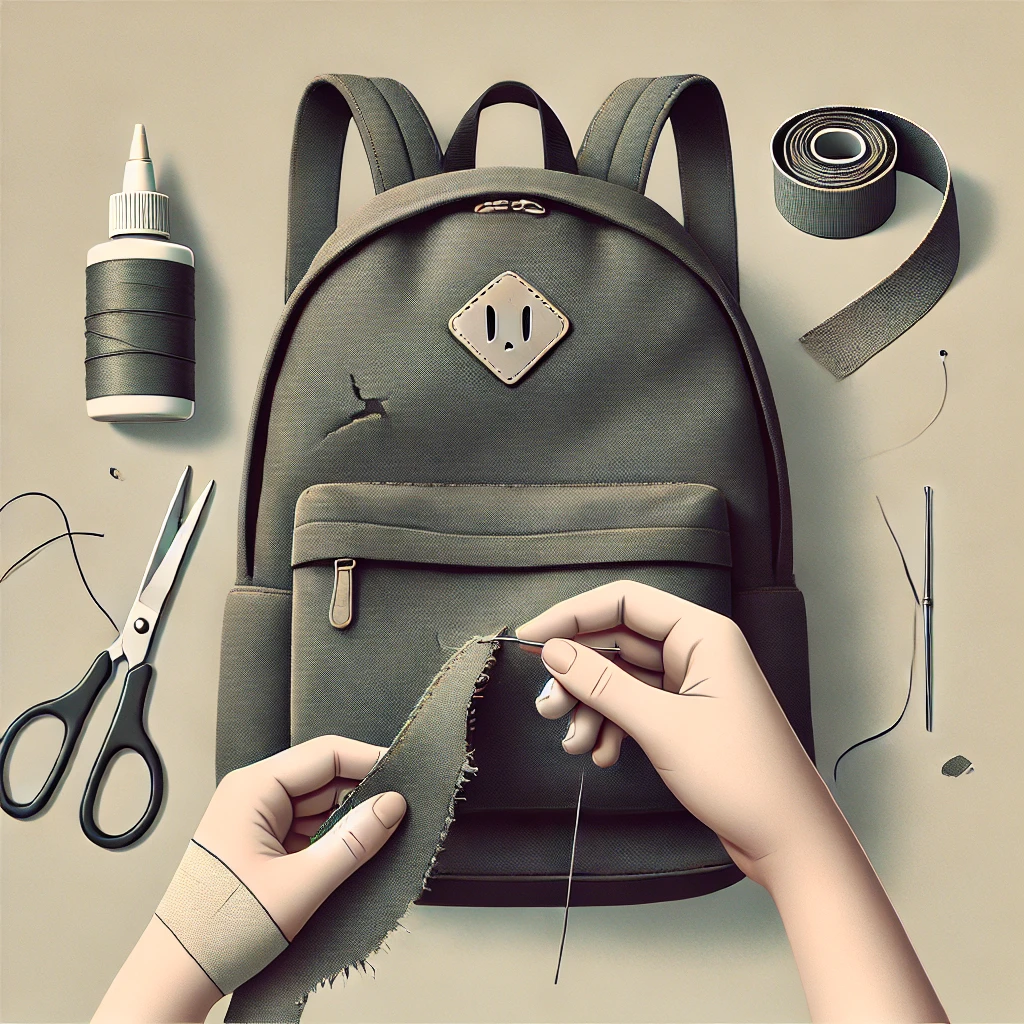
If you notice any small rips or tears in your backpack, it’s important to repair them right away to prevent further damage. Small issues can turn into major problems if left unchecked.
- Patch small tears: For small holes, use a fabric patch or some heavy-duty fabric glue to seal up the area. If your backpack has a rip in the lining, you can use a needle and thread to stitch it up.
- Fix broken zippers: If a zipper is stuck or broken, try lubricating the zipper track with a bit of pencil lead or wax paper. If that doesn’t work, consider replacing the zipper or seeking professional help.
- Reinforce weak straps: If you notice that your backpack’s straps are starting to loosen or fray, reinforce them by sewing or using strong adhesive to patch up the area.
Addressing small repairs early can prevent bigger issues and save you money in the long run.
Avoid Extreme Weather Exposure: Protect Your Bag from the Elements

Extreme weather conditions can take a toll on your backpack. Whether it’s rain, snow, or intense sun, here’s how to protect your bag from the elements:
- Use a rain cover: Many backpacks come with a built-in rain cover or have a separate rain cover available. This helps protect your backpack from getting soaked in a downpour.
- Avoid prolonged exposure to the sun: Direct sunlight can cause colors to fade and materials to weaken. If possible, keep your backpack out of direct sunlight when it’s not in use.
- Keep your bag dry: After being exposed to rain or snow, dry your backpack as soon as possible to prevent moisture buildup. A damp backpack can cause mold or mildew to form inside.
By protecting your backpack from harsh weather, you’ll preserve the integrity of the material and keep it in top shape for longer.
Replacing Parts When Necessary: Keep Your Backpack Functional
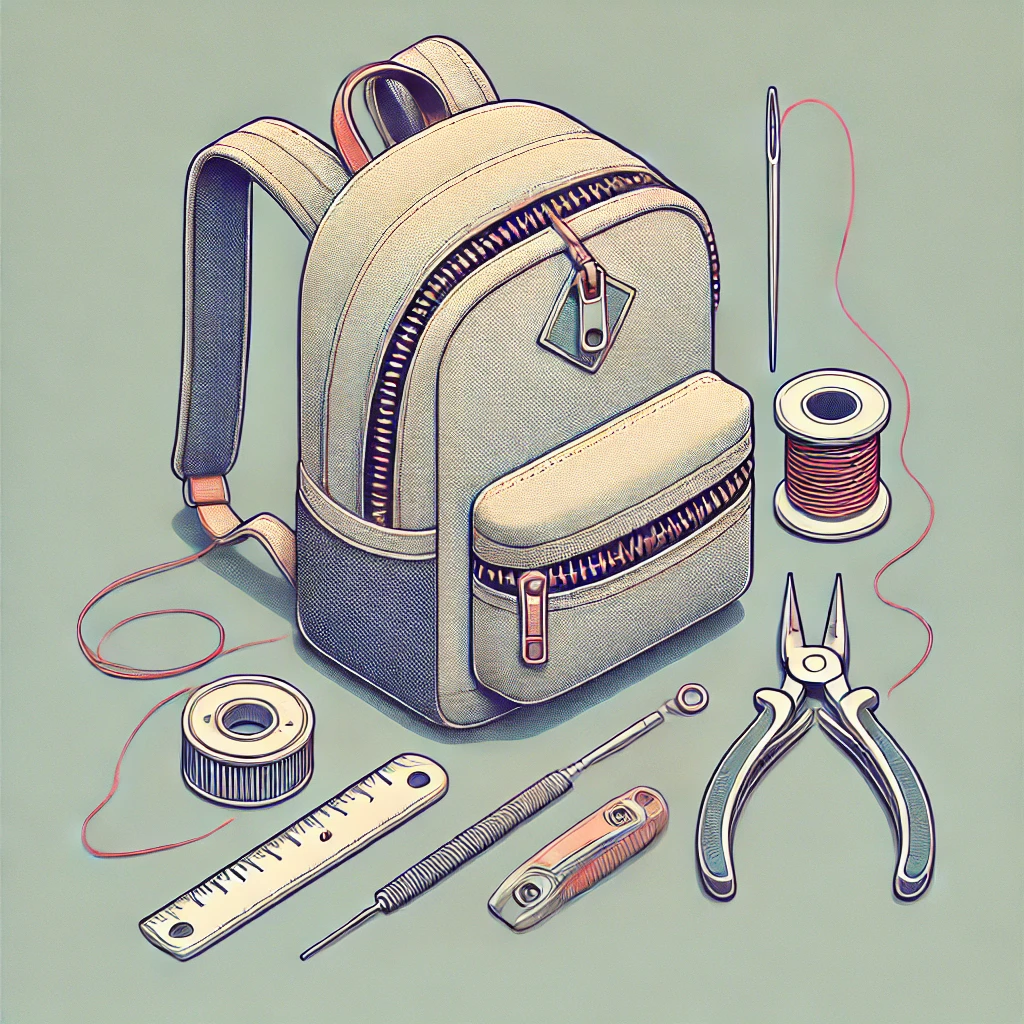
As your backpack ages, certain parts may start to show signs of wear and tear. Instead of buying a whole new bag, you can replace or repair certain components.
- Replace zippers: If a zipper breaks or gets stuck, replacing it can often be more cost-effective than replacing the whole bag.
- Check for strap adjustments: If the straps start to fray or lose their elasticity, consider replacing or reinforcing them to keep the bag functional.
- Reinforce stitching: If the stitching comes loose at the seams, it can be repaired with a simple needle and thread, restoring the bag to its original strength.
By replacing worn-out parts, you can extend the life of your backpack without having to invest in a new one.
Handle with Care: Minimize Wear and Tear
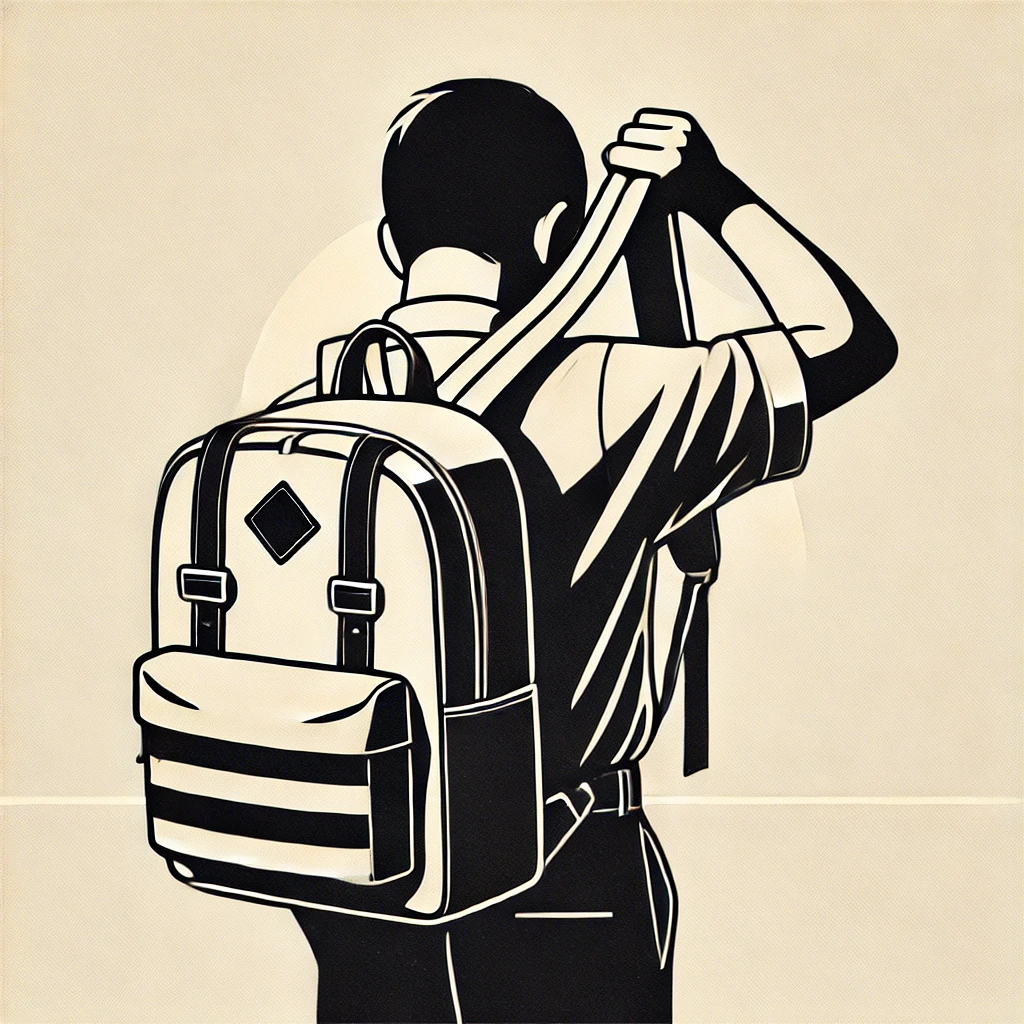
How you handle your backpack daily affects its longevity.
Carry appropriately: Adjust the straps so the backpack sits comfortably on your back, reducing strain on the fabric and straps.
Lift properly: Always lift your backpack by its straps or handle, rather than pulling on the fabric.
Avoid dragging: Never drag your backpack on the ground, as this can scuff or tear the material.
Conclusion: A Little Maintenance Goes a Long Way
Caring for your backpack doesn’t have to be difficult, but it’s essential for maintaining its longevity and functionality. Regular cleaning, proper storage, and timely repairs can help ensure that your backpack stays looking great and working well for years to come.
At OSGW Bag Manufacturing, we craft durable backpacks designed to last. With the right care, your backpack can stay a reliable companion for years to come. Ready to put these tips into practice and give your backpack the care it deserves? Let’s make it last!