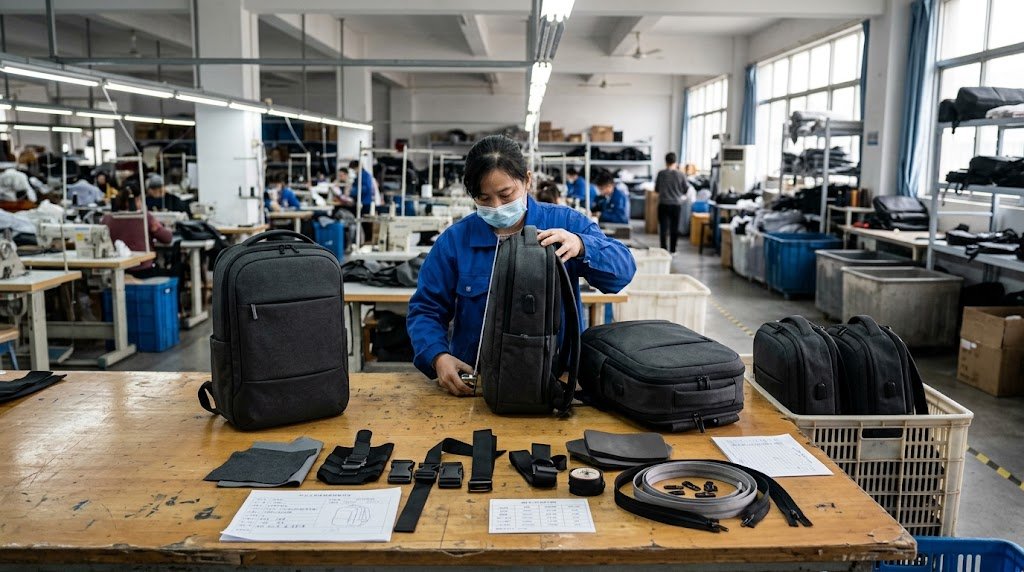
Sourcing the right fabric is one of the most crucial steps in backpack and bag manufacturing. The quality of your product depends heavily on the fabrics you choose—whether you’re aiming for durability, eco-friendliness, or cost-effectiveness. Many businesses struggle to find reliable fabric suppliers, which can impact the overall quality and longevity of their backpacks.
The best approach to sourcing quality materials is to first define your product needs. Once you know the specific qualities required—such as durability, water resistance, or sustainability—you can start searching for suppliers that offer these materials. Reliable sources can be found through trade shows, online platforms, and factory visits.
That said, it’s essential to align your material choices with market trends. Let’s explore the key factors to consider when sourcing quality backpack materials.
What Fabrics Are Best for Backpack Manufacturing?
When selecting fabrics for backpacks, it’s important to prioritize durability, water resistance, and the intended use of the product. Here are some of the best fabrics commonly used in backpack manufacturing:
| Fabric Type | Durability | Water Resistance | Weight | Best Uses | Cost |
|---|---|---|---|---|---|
| Cordura Nylon | Very High | Medium | Medium | Outdoor, Tactical, Heavy Duty | High |
| Ballistic Nylon | Extremely High | Medium | Heavy | Military, Heavy Duty Backpacks | High |
| Polyester | Medium | Medium | Light | School, Fashion, Daypacks | Low |
| Ripstop Nylon | High | High | Light | Hiking, Outdoor, Travel | Medium |
| Canvas | High | Low (unless waxed) | Heavy | Travel, Lifestyle, Vintage | Medium |
| Recycled Polyester/Nylon | Medium to High | Medium to High | Light to Medium | Eco-Friendly Backpacks | Medium to High |
| TPU-Coated Fabrics | Very High | Very High | Medium | Waterproof, Extreme Conditions | High |
1.Nylon (Cordura, Ballistic Nylon)
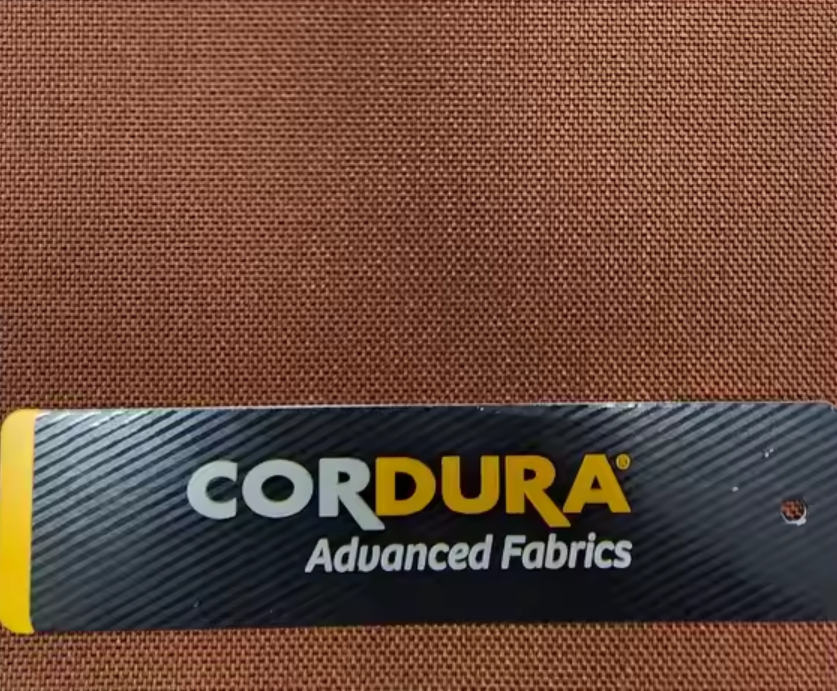
Nylon is one of the most popular materials for backpacks, particularly Cordura and Ballistic Nylon. These fabrics are known for their high durability, resistance to abrasions, and ability to handle heavy loads. Cordura is often favored for outdoor and tactical backpacks due to its toughness, while Ballistic Nylon has a tighter weave, making it incredibly strong and resilient against tearing. These materials are perfect for backpacks intended for rugged environments or heavy-duty use.
2. Polyester
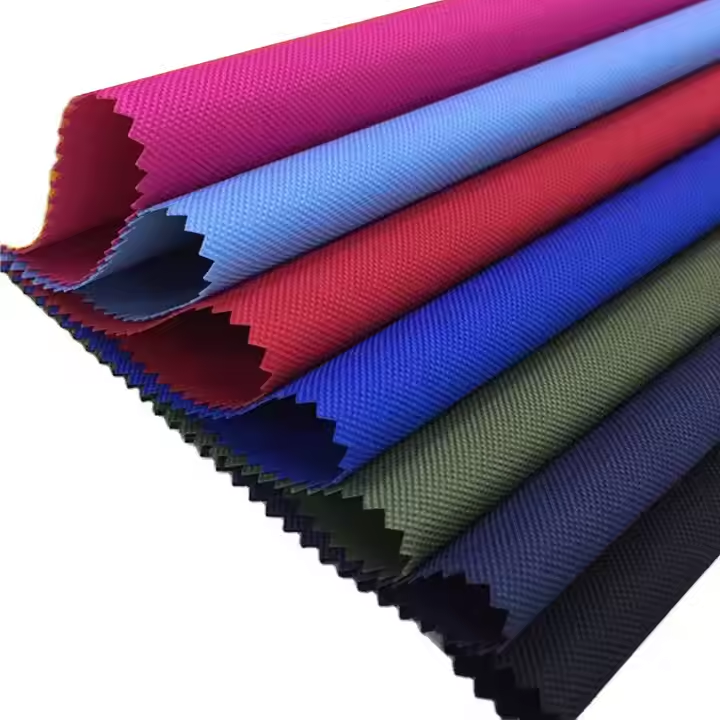
While not as durable as nylon, polyester is a cost-effective alternative that still offers good resistance to water and UV damage. It’s commonly used in fashion or daypacks where heavy wear and tear aren’t a primary concern. Polyester backpacks also tend to be lightweight, making them ideal for everyday use or school bags.
3.Ripstop Nylon
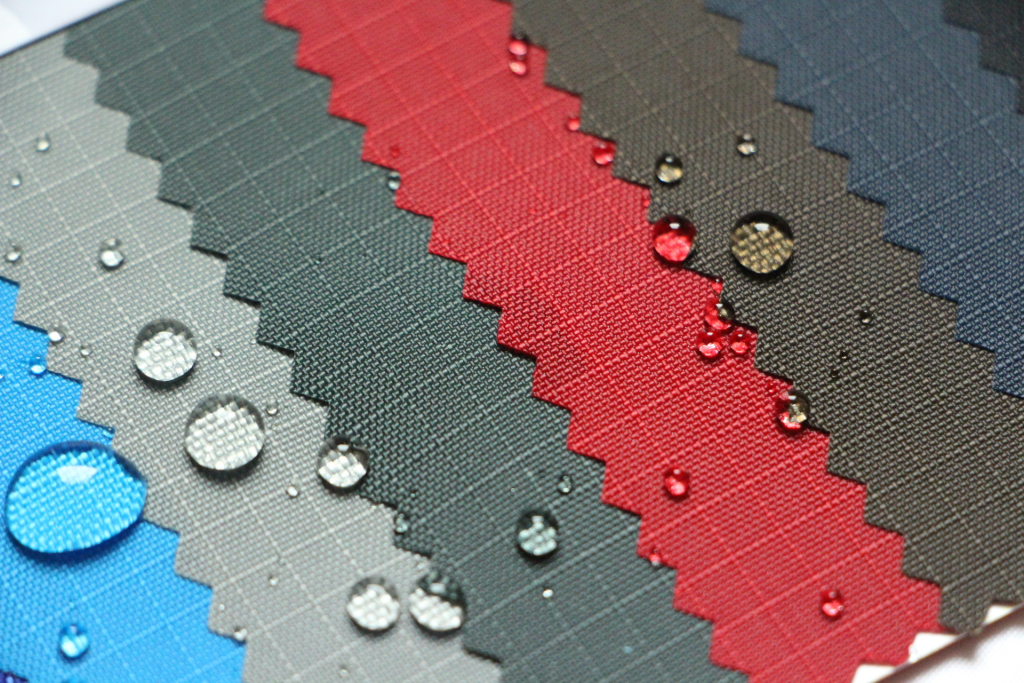
Ripstop nylon is a woven fabric with reinforced threads at regular intervals to prevent small tears from spreading. This makes it a great option for lightweight outdoor or hiking backpacks. It is water-resistant and durable, offering good protection against rough weather conditions.
4.Canvas
Traditionally made from cotton, canvas is a heavy-duty fabric that has been used in backpacks for many years. Modern canvas often comes with a waxed coating, making it water-resistant. While it’s heavier than synthetic options like nylon or polyester, canvas offers a vintage, rugged appeal and is often used for travel or casual lifestyle backpacks.
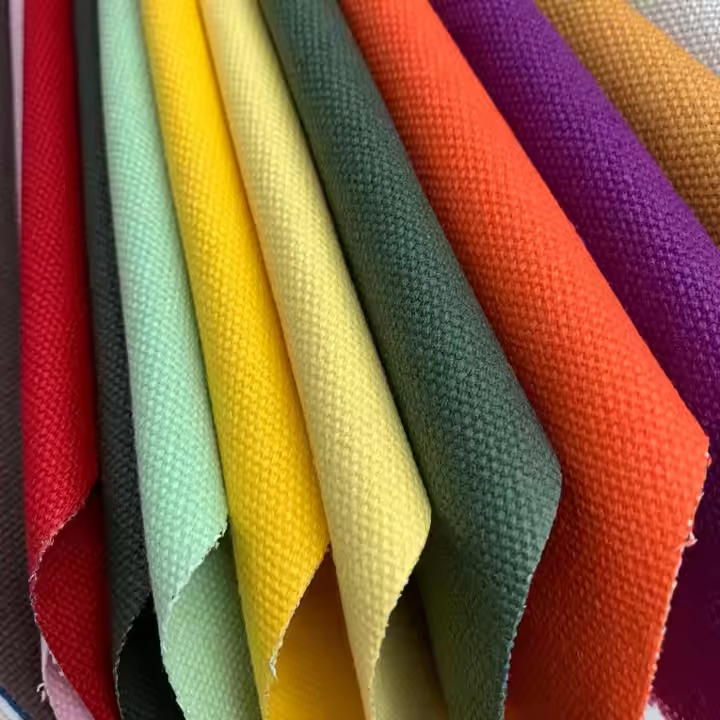
5.Recycled Materials (Recycled Polyester, Nylon)
With the growing demand for eco-friendly products, recycled polyester and nylon are becoming popular options in backpack manufacturing. These materials maintain the durability of their non-recycled counterparts but are produced using less energy and raw materials, making them an environmentally conscious choice.
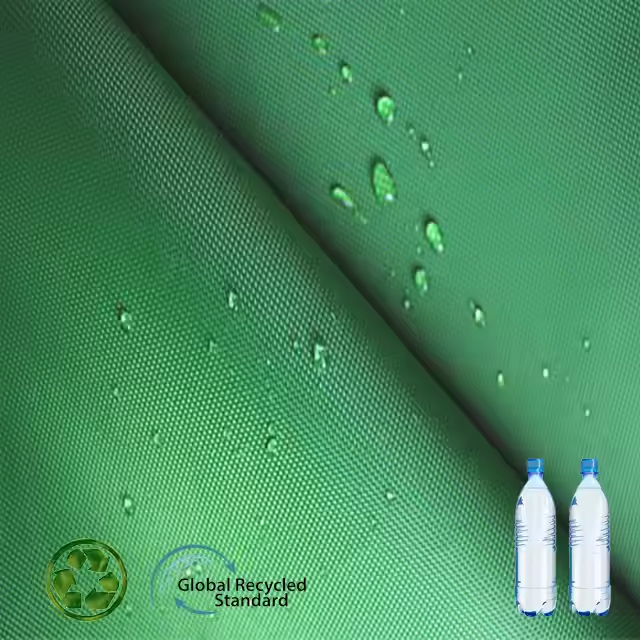
6.Thermoplastic Polyurethane (TPU) Coated Fabrics
TPU coatings are often applied to fabrics like nylon or polyester to enhance water resistance. This is especially beneficial for waterproof backpacks or those used in extreme outdoor conditions. TPU-coated fabrics offer excellent durability and resistance to abrasions while maintaining flexibility.
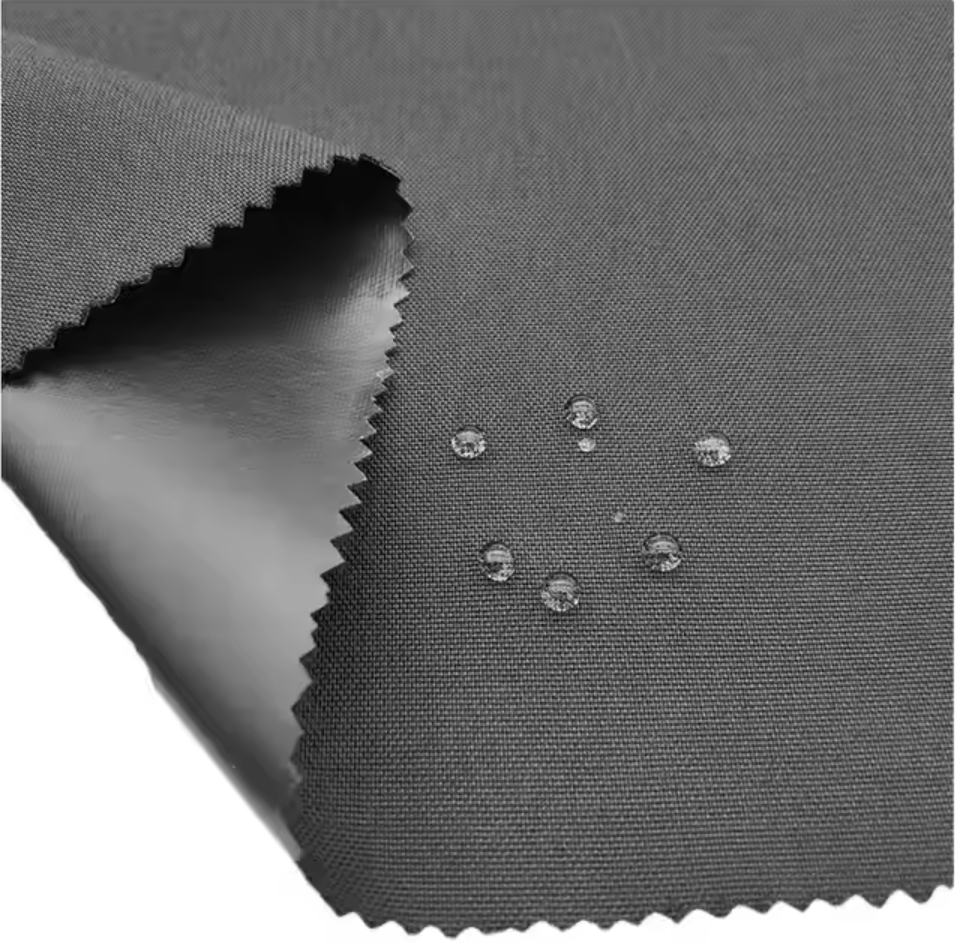
For a more detailed look at different fabrics and their uses in bag manufacturing, check out our comprehensive guide on the Top 11 Fabrics for Making Bags.
Choosing the best fabric for your backpacks depends on your target market and product requirements. Whether you need lightweight, heavy-duty, or eco-friendly options, there are a variety of fabrics to fit different needs. Always consider the balance between cost, performance, and environmental impact when making your selection.
- Which fabric offers the best durability for travel business backpacks?
Materials like Cordura and ballistic nylon are widely regarded for their toughness. Learn more about their durability HERE. - How do I source sustainable fabrics for eco-friendly backpacks?
As eco-friendly products gain traction, you’ll want to consider options like recycled polyester or organic cotton. - How do water-resistant materials impact backpack performance?
For outdoor and travel backpacks, water resistance is a must. Look into fabrics such as Ripstop nylon or TPU coatings. - What are the cost-effective fabric options for large orders?
Balancing quality and cost is crucial. Polyester tends to be a cost-effective choice while still offering durability. - How important are certifications when sourcing materials?
Certifications can be crucial for sourcing materials, especially when dealing with sensitive or regulated industries. They provide assurance of quality, safety, and compliance with standards.Certifications like OEKO-TEX or ISO 9001 ensure that materials meet quality and safety standards. Find more informations HERE. - What role does fabric weight play in backpack performance?
The weight of your fabric affects the backpack’s durability and comfort. Heavier fabrics like canvas offer more durability, while lighter options like Ripstop nylon are more flexible.
How to Evaluate Material Suppliers?
When it comes to choosing the right supplier for backpack materials, there’s more to it than just finding a company that offers the lowest price. The supplier’s reliability, quality control, and ability to meet your production needs are equally important. Here’s a more in-depth look at how to effectively evaluate material suppliers:
1. Assess Supplier Reputation
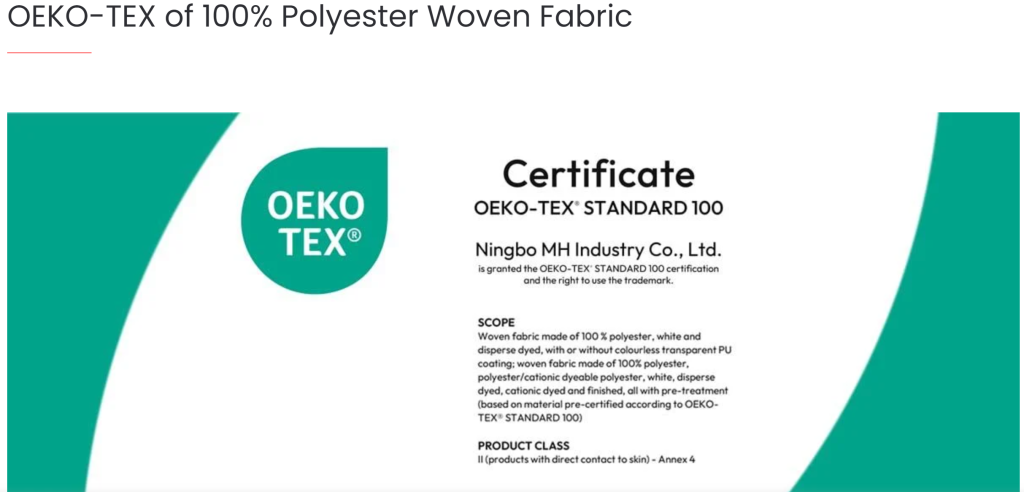
Start by researching the supplier’s track record. Look for online reviews, testimonials, and case studies from other clients. A reputable supplier will have a proven history of delivering high-quality materials on time and with consistency. It’s also a good idea to check for any certifications, like ISO 9001 or OEKO-TEX, which indicate that the supplier follows strict quality management practices.
2. Request Samples
Never commit to a large order without first testing the materials. Request samples to evaluate the fabric’s quality, texture, durability, and how well it aligns with your product needs. Make sure the samples meet your specifications for color, finish, and feel. This hands-on inspection can save you from potential issues down the line.
3. Examine Production Capacity and Flexibility
It’s crucial to ensure the supplier can handle your order volume, especially if you plan to scale up production. Ask about their production capacity and whether they can meet your deadlines. Additionally, gauge their flexibility—can they adjust to changes in your order size, customization needs, or material specifications?
4. Evaluate Communication and Responsiveness
The quality of communication with your supplier plays a significant role in the success of your partnership. Responsive, clear, and proactive communication is a good indicator that the supplier will be easy to work with in the long run. If they’re slow to reply or unclear about their processes from the beginning, it may signal potential issues during production.
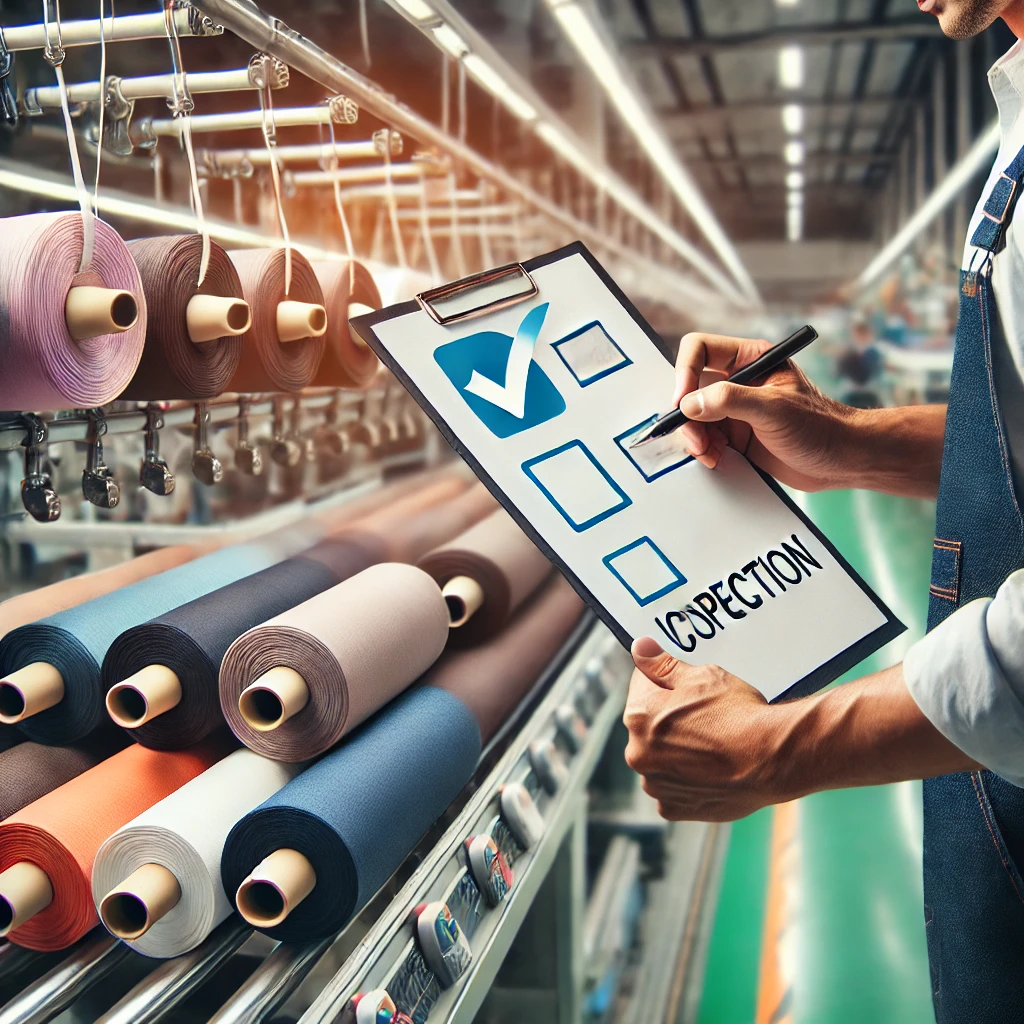
5. Check Quality Control Measures
Ask about their quality control processes. Do they conduct inspections at various stages of production? How do they handle defective materials or quality issues? A reliable supplier will have stringent quality control measures in place to ensure consistency and prevent defects from reaching your production line.
6. Consider Shipping and Logistics
Logistics can have a major impact on your business, especially when sourcing materials from overseas suppliers. Ensure that your supplier has experience managing international shipping, customs, and regulations. You should also discuss their lead times, shipping costs, and options for tracking shipments to avoid delays.
By taking the time to evaluate these factors, you’ll not only find a reliable supplier but also build a long-term partnership that ensures quality and smooth operations for your backpack manufacturing needs.
Once you’ve sourced the perfect fabrics, it’s time to negotiate the best deal for your bulk backpack orders. Learn expert tips in our guide: Expert Tips for Negotiating Bulk Backpack Orders.
More Questions You Should Consider
When evaluating your material sourcing strategy, there are several additional questions that can help guide your decision-making:
- Are there sustainable materials that balance both performance and cost?
Many eco-friendly materials, such as recycled polyester and organic cotton, provide a balance between environmental responsibility and product quality. While sustainable materials might initially seem more expensive, they often offer long-term benefits in branding, customer loyalty, and reduced environmental impact. Explore certified sustainable materials that fit your budget. - How do I ensure my fabrics comply with environmental regulations?
Compliance with environmental regulations is critical, especially as consumers become more eco-conscious. Ensure your suppliers meet global standards such as OEKO-TEX or GOTS (Global Organic Textile Standard). Ask for documentation that verifies the environmental impact of their production processes. - Can I find local suppliers to reduce shipping costs and lead times?
Sourcing materials locally can reduce shipping expenses, shorten lead times, and offer easier quality control. However, local suppliers may not always have the range or competitive pricing of overseas options. Balance these factors based on your production needs and timeline. - What role do trade shows play in finding new materials?
Trade shows offer a unique opportunity to meet a wide variety of suppliers in one place. Events like the Outdoor Retailer or Intertextile Shanghai showcase the latest innovations in fabric technology, allowing you to see, touch, and compare materials firsthand. These events also help build relationships with suppliers, which can lead to better deals and collaboration. - Should I consider working with a sourcing agent?
A sourcing agent can simplify the process of finding reliable suppliers, especially if you are sourcing materials from unfamiliar regions. Agents handle negotiations, quality control, and logistics, which can save time and reduce risks. However, you’ll need to factor in the cost of their services when calculating overall expenses. - What are the best online platforms for finding fabric suppliers?
Platforms like Alibaba, Global Sources, and ThomasNet are popular for sourcing fabrics globally. These platforms allow you to browse a vast selection of suppliers, compare prices, and view reviews. Many suppliers also provide digital catalogs, making it easier to research and make informed decisions.
Considering these questions will help refine your sourcing strategy and ensure you select materials that meet both your performance and budgetary needs.
Conclusion
Sourcing high-quality materials for backpacks involves balancing product requirements, cost, and supplier reliability. By defining your needs, doing thorough research, and asking the right questions, you can find suppliers that provide materials matching your specifications and market demands. Always be sure to maintain strong relationships with your suppliers to ensure long-term quality and consistency.
Related article that you might find interesting:
What Certifications Do You Need for Backpack Exports?
Bag Choosing Advice and Care Tips
Explore Our Diverse Range of Custom Bags & Custom Backpacks
Can the Bags be Customized? How Much Does it Cost?
Eco-Friendly Backpack Production – A Sustainable Choice for the Future
Expert Tips for Negotiating Bulk Backpack Orders: How to Ensure a Win-Win Deal?