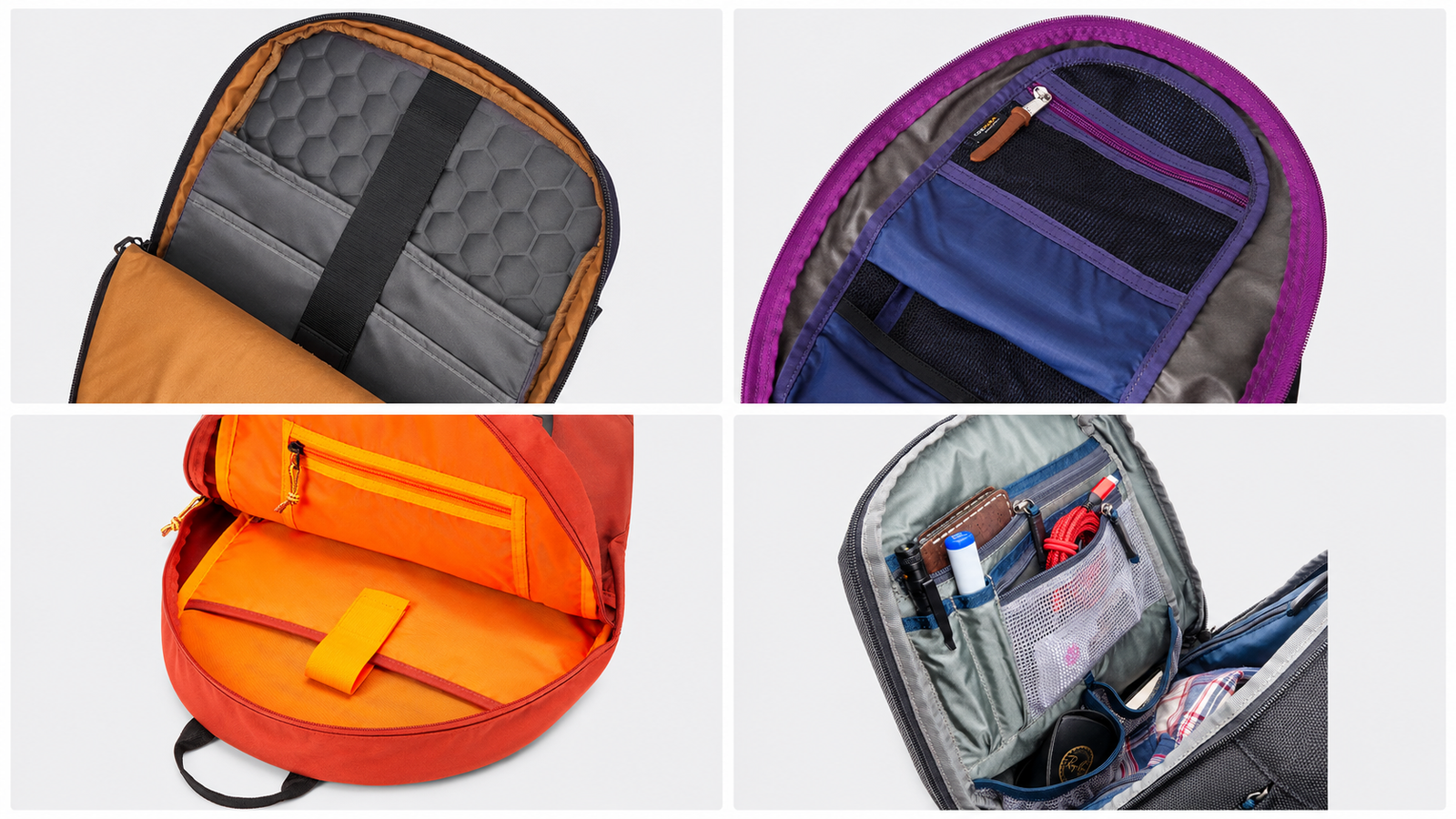
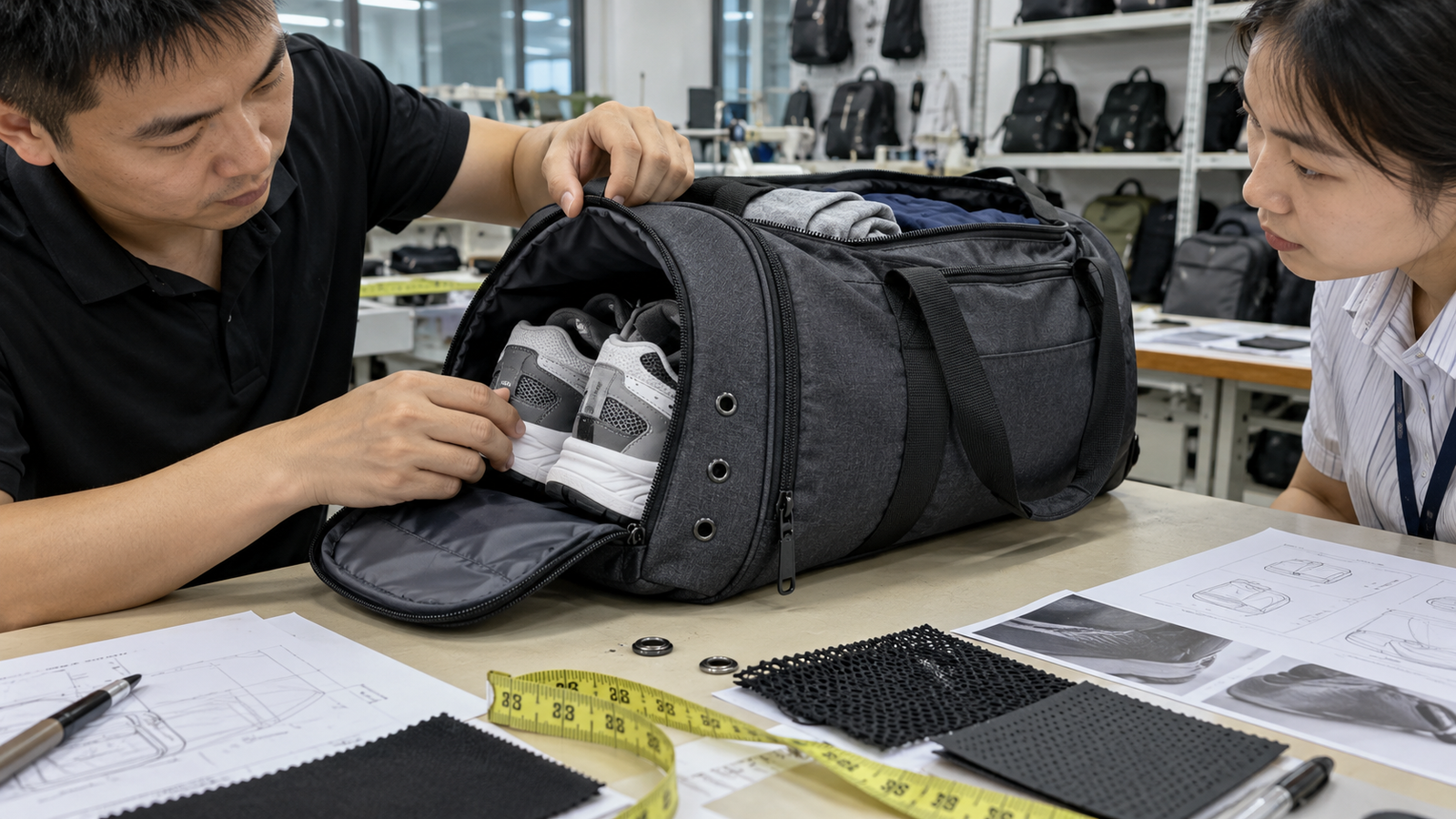
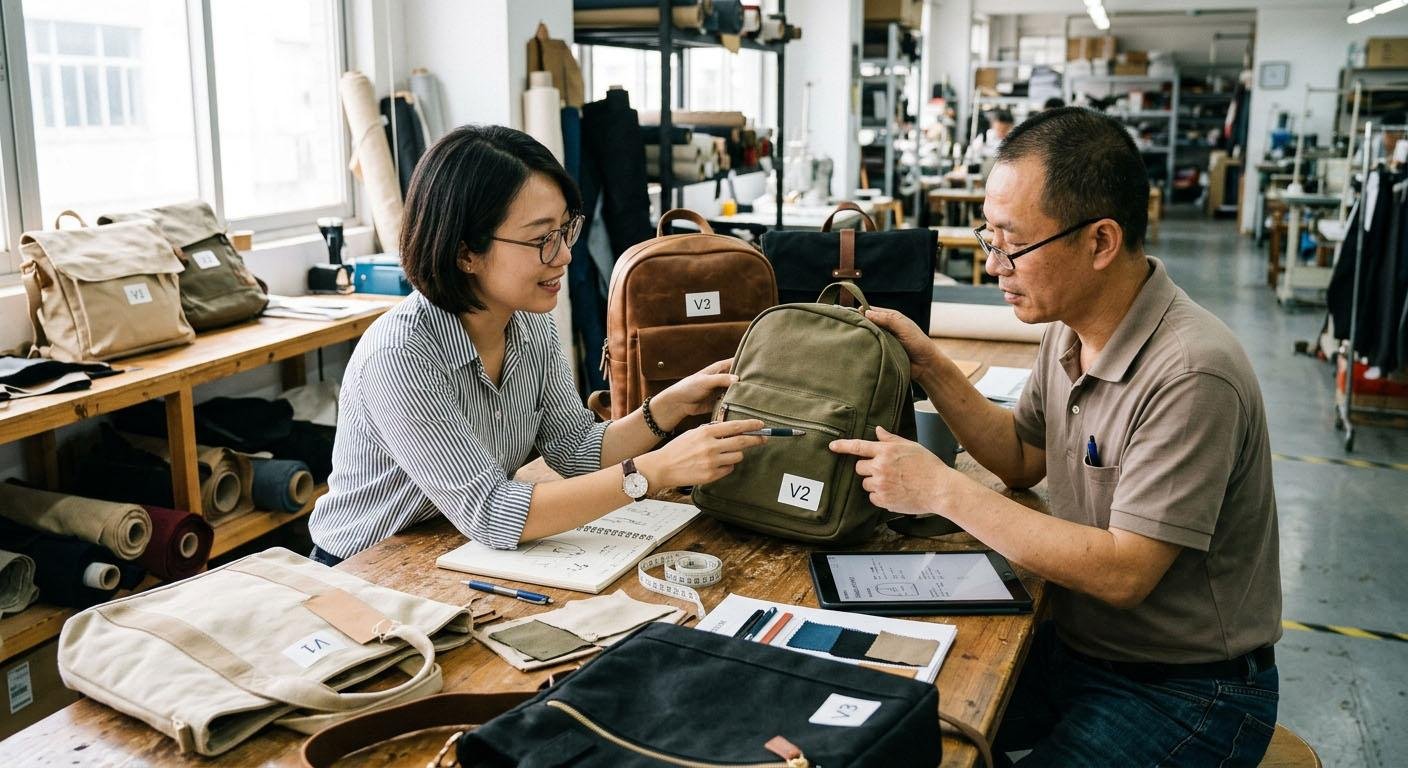
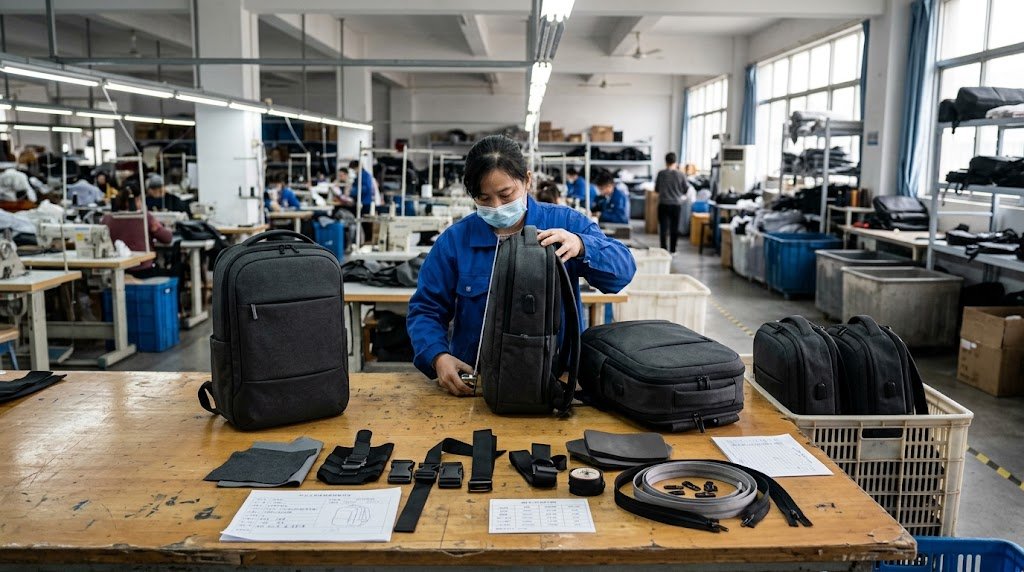
Most buyers come to us with a liter count and a logo. That’s not enough. Without a clear category, the whole development process starts on the wrong foot.
Hiking backpacks fall into four working categories: day packs (15–35L, frameless or minimal support), overnight and mid-range packs (35–60L, light internal frame), multi-day trekking packs (50–70L, full internal frame), and expedition packs (70L+, load-bearing suspension). Each one carries different OEM implications for materials, back panel construction, and tooling.
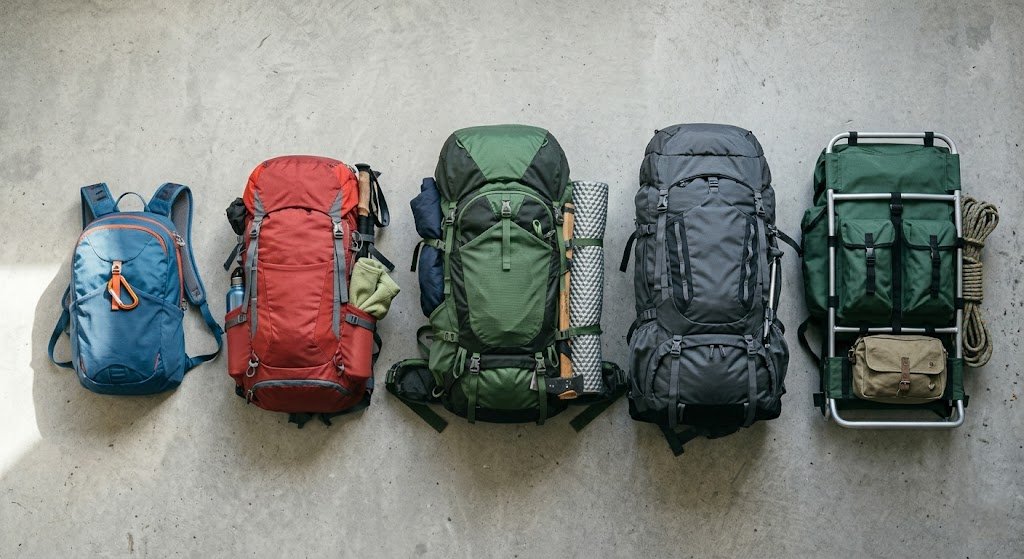
I want to walk through each category the way we talk about it in production — not as a gear review, but as a framework you can use before you write your first inquiry. Getting it right at the brief stage saves sample rounds, time, and money.
Quick Comparison: Types of Hiking Backpacks at a Glance
Before diving into each category, here is a side-by-side overview of how the four types differ at the production level. This table is what we wish every buyer had read before sending us an RFQ.
According to TGO Magazine’s guide to hiking backpack types, the industry standard breakdown runs from daypacks at 15–35L through to expedition packs at 70L and above — a volume-based framework that maps directly onto the OEM construction differences we see in production.
| Category | Volume Range | Frame Type | Hip Belt | Typical Fabric | Sample Complexity | MOQ | Lead Time |
|---|---|---|---|---|---|---|---|
| Day Pack | 15–35L | Frameless / foam stay | Minimal or none | 210D–420D nylon or polyester | Low | 500 pcs/color | ~45 days |
| Overnight / Mid-Range Pack | 35–60L | Light internal frame or foam stay | Basic padded belt | 420D–600D ripstop or Cordura | Medium | 500 pcs/color | 45–60 days |
| Multi-Day Trekking Pack | 50–70L | Full internal aluminum stays | Load-bearing, padded | 420D–600D ripstop or Cordura | Medium–High | 500 pcs/color | 45–60 days |
| Expedition Pack | 70L+ | Full internal frame + frame sheet | Heavy-duty suspension and robust load-lifters | 500D–1000D Cordura or equivalent | High | 500 pcs/color | 60–75 days |
Frame Systems Used Across Hiking Backpack Categories
| Frame System | Typical Construction | OEM Complexity | Common Positioning |
|---|---|---|---|
| Frameless | Foam insert or thin mesh layer | Low | Day hiking and ultralight products |
| Internal Frame | Aluminum stays, frame sheet and structured suspension | Medium–High | Overnight, trekking and most expedition packs |
| External Frame | Separate rigid chassis and independent hardware | High | Specialized heavy or bulky load applications |
The columns that matter most to your sourcing brief are frame type, hip belt, and sample complexity. Those three variables drive tooling decisions, sample revision cycles, and ultimately the per-unit cost.
Does Liter Count Actually Define the Category?
A lot of buyers think it does. They come in asking for "a 45L hiking pack" and expect that to be a complete brief. It isn’t.
A 45L bag can be a weekend trekking pack with a structured internal frame, a climbing-specific pack with a top-loading tubular frame, or even an urban travel bag with a padded laptop sleeve. The liter count tells us volume. The frame structure and back system tell us what the bag actually is.
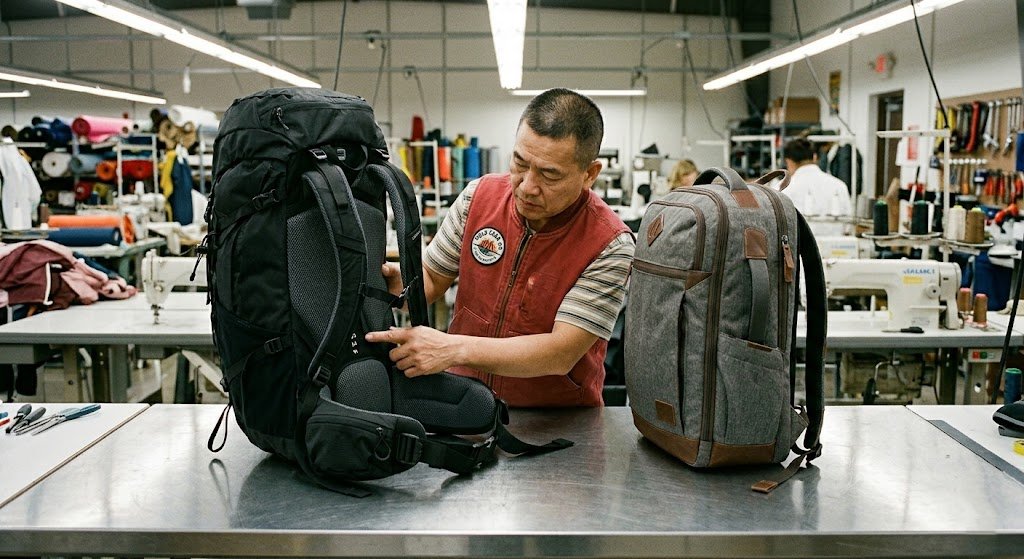
This comes up constantly in our buyer conversations. Someone sends us a reference image of a 40L pack, but the reference is a travel bag and the intended use is mountain hiking. The structural requirements are completely different, and that gap only shows up during sampling — usually after one or two rounds have already been paid for.
Why does frame type change your OEM order plan?
The frame is not a cosmetic feature. It is the structural skeleton of the bag, and it determines how we build the back panel, how we source materials, and how long the sample process takes.
Here is how the three main frame types break down from a production standpoint:
| Frame Type | Back Panel Construction | OEM Complexity | Common Use Case |
|---|---|---|---|
| Frameless | Foam pad or none | Low | Day hiking, ultralight |
| Internal Frame | Aluminum stays + structured panel | Medium–High | Multi-day trekking |
| External Frame | Separate metal/plastic chassis | High | Expedition, heavy loads |
Frameless packs
- Back panel: foam insert or thin mesh layer
- Production complexity: low
- Tooling costs are lower and sample turnaround is faster
- Best entry point for day hike and ultralight trail market
Internal frame packs
- Back panel: aluminum stays + load lifter system + optional suspended mesh back
- Production complexity: medium–high
- Back panel construction drives most revision cycles
- Buyer must specify carry weight and torso length range before sampling
External frame packs
- Back panel: separate metal or plastic chassis with independent hardware and assembly steps
- Production complexity: high
- Higher per-unit cost due to separate hardware sourcing and additional assembly steps
- Niche demand today; suited for heavy expedition use or military-style loadout applications
Getting clear on frame type before you send an RFQ saves you time, money, and at least one sample round.
For a complete comparison of fit, ventilation, load control, and use cases, read our external vs. internal frame backpack guide.
What Is a Day Pack, and What Are Its OEM Limits?
Day packs are the entry point of the category — and also the most commonly mis-specified product we receive briefs for.
Day packs run from 15L to 35L, use frameless or minimal-frame construction, and are designed for single-day use: a summit push, a trail run, a long day hike. They hold water, snacks, a light jacket, and a first-aid kit. They are not designed to transfer load to the hips, and they are not built for overnight gear.
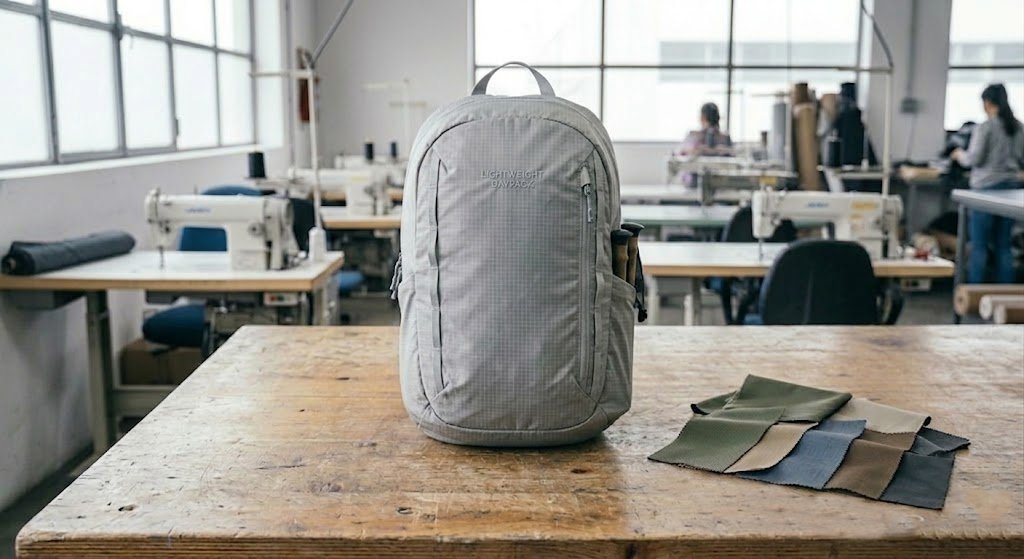
These two categories sit at different retail price points and serve different end users. That matters for how you position your private label and how much your production unit cost will be. If you’re earlier in the brand-building stage, our guide on how to build a private label hiking backpack brand walks through how category choice affects branding, positioning, and margin from the ground up.
What defines a day pack at the production level?
| Variable | Day Pack (15–35L) |
|---|---|
| Frame system | Frameless or single foam stay |
| Hip belt | Minimal or none |
| Back panel | Simple foam or mesh |
| Material weight | Lighter denier fabrics (210D–420D) |
| Sample complexity | Lower |
| Typical MOQ | 500 pcs per color |
| Production lead time | ~45 days |
For buyers targeting urban outdoor lifestyle brands or entry-level hiking retail, day packs are a clean, cost-efficient starting point. The construction is simpler, the material costs are lower, and sample-to-production fidelity is easier to achieve.
The mistake we see most often: a buyer submits a reference image of a 30L roll-top bag used for urban commuting and asks us to build a "hiking daypack." The two look similar in photos. They are completely different products at the construction level. Use scenario framing prevents that confusion.
What Is the Difference Between an Overnight Pack and a Multi-Day Trekking Pack?
This is the pairing buyers mix up most in our intake process — partly because the volume ranges overlap, and partly because the category names are used interchangeably in retail.
Overnight and mid-range packs run from 35L to 60L and are designed for 1–2 night weekend trips or heavy single-day outings such as winter hill days requiring crampons, a helmet, and extra layers. Multi-day trekking packs run from 50L to 70L and are built for 3–5 night trips, accommodating extra food, clothing layers, and more robust camping gear. The construction logic is similar, but the suspension demands are higher as volume and load increase.
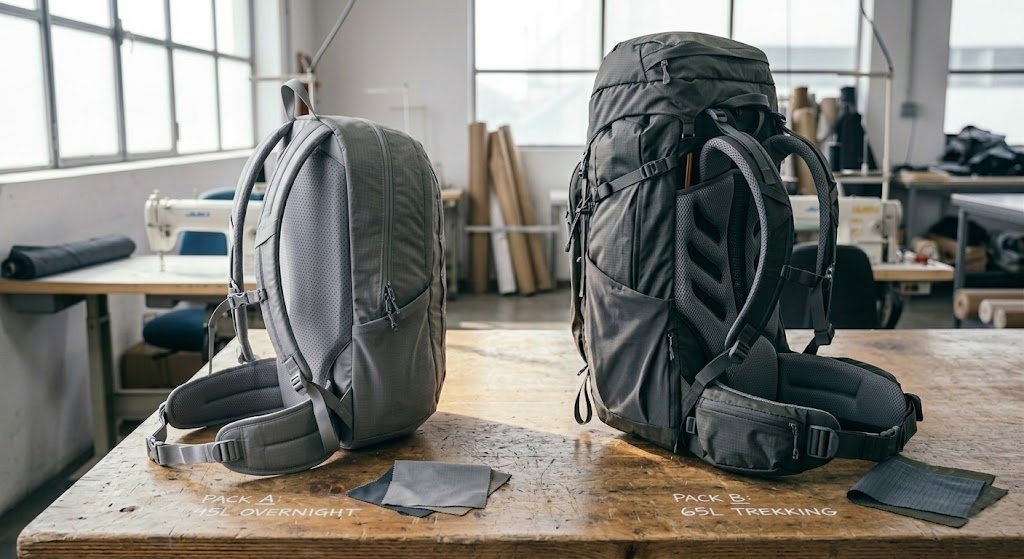
How do the two compare at the production level?
| Variable | Overnight / Mid-Range Pack (35–60L) | Multi-Day Trekking Pack (50–70L) |
|---|---|---|
| Frame system | Light internal frame or foam stay | Full internal aluminum stays |
| Hip belt | Basic padded belt | Load-bearing, padded |
| Back panel | Structured, basic ventilation | Structured, often ventilated with load lifters |
| Material weight | 420D–600D ripstop or Cordura | 420D–600D ripstop or Cordura |
| Sample complexity | Medium | Medium–High |
| Typical MOQ | 500 pcs per color | 500 pcs per color |
| Production lead time | 45–60 days | 45–60 days |
For overnight and mid-range packs, the key OEM input is the hip belt spec. A basic padded belt is structurally different from a load-bearing hip belt — different foam density, different attachment hardware, different pattern. Buyers who leave hip belt type undefined at the brief stage almost always require a revision round after the first sample.
For multi-day trekking packs, the full suspension system — hip belt, load lifters, shoulder harness — is where most of the development risk sits. If you are targeting EU markets, the body sizing expectations differ from US or Asian markets, and that affects how we cut the torso panels and set the hip belt attachment points. Buyers who tell us their target user demographic upfront — height range, weight range, primary market — get better first samples.
What Makes an Expedition Pack Its Own Category?
Buyers who are new to the hiking segment sometimes treat expedition packs as "bigger trekking packs." They are not. The structural demands are different enough that they represent a distinct product category from an OEM standpoint.
Expedition packs are 70L and above, built for trips lasting 5+ nights, winter backpacking, or mountaineering applications. They use full load-bearing suspension systems with adjustable torso lengths, reinforced hip belts, and high-denier fabrics built for extended use and rough terrain. The design complexity is higher than multi-day trekking packs, and the tooling and development cost reflects that.
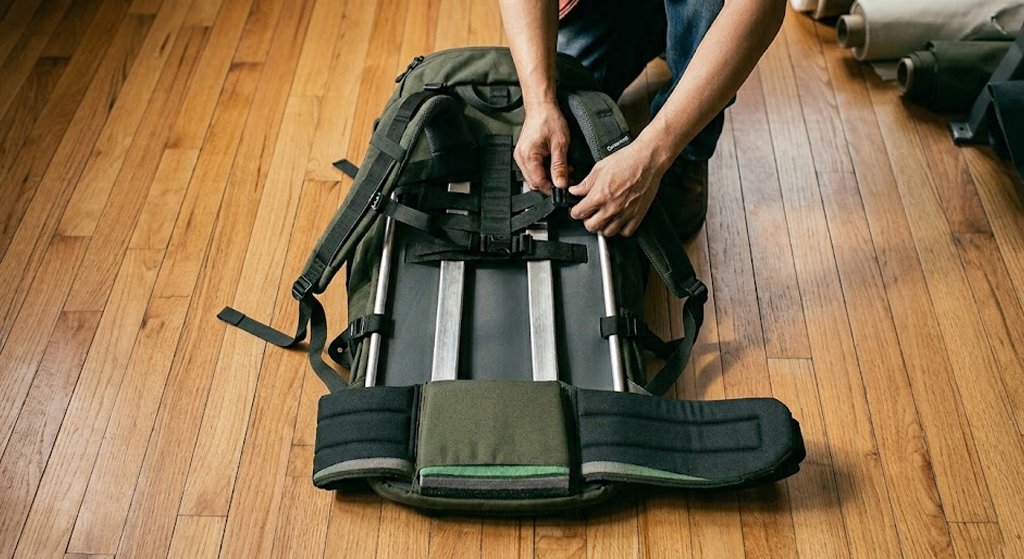
In our production experience, buyers who come in with an expedition pack brief often underestimate the sample timeline. The suspension system alone — hip belt, shoulder harness, load lifter straps, sternum strap — requires multiple fittings and adjustments before we reach a sample that performs as expected.
What does the development process look like for expedition packs?
The biggest difference between an expedition pack and a standard multi-day pack is the suspension system. For expedition packs, the suspension is not a simple fixed harness. It is an adjustable, load-transferring system that needs to work across a range of body sizes.
Here is a breakdown of the construction elements that require the most attention during development:
| Component | Why It Matters in OEM Development |
|---|---|
| Adjustable torso length | Requires additional webbing channels and hardware; sizing must be defined before pattern is cut |
| Load-bearing hip belt | Needs foam density spec and sizing input from buyer; affects comfort and return rate |
| Frame sheet + stays | Material gauge and rigidity must match intended load range; wrong spec = poor load transfer |
| High-denier outer fabric | 500D–1000D Cordura or equivalent; increases unit cost but necessary for product durability claim |
| Top lid / brain | Often removable; requires separate hardware and zipper spec |
| Ice axe / gear loops | Webbing spec and placement must be confirmed before pattern is finalized |
When customizing heavy-duty packs, missing a single premium placement can hurt the bag’s field performance. If you want a deep dive into how to evaluate these individual components from a quality perspective, read our technical guide on what are the important features of a good hiking backpack?.
Each of these components adds a decision point to the brief. Buyers who come in with a complete spec sheet — fabric weight, load range, target market, body size range — move through sampling faster and with fewer revision cycles.
The Brief Information That Actually Moves the Sample Forward
After reviewing hundreds of OEM inquiries for hiking packs, here is the specific information that separates briefs that result in a strong first sample from briefs that require three rounds of correction.
If you’re also thinking about margin at this stage, our guide on how to source high-margin hiking backpacks in bulk covers how spec decisions made here — fabric choice, frame type, MOQ — directly affect your landed cost and retail margin.
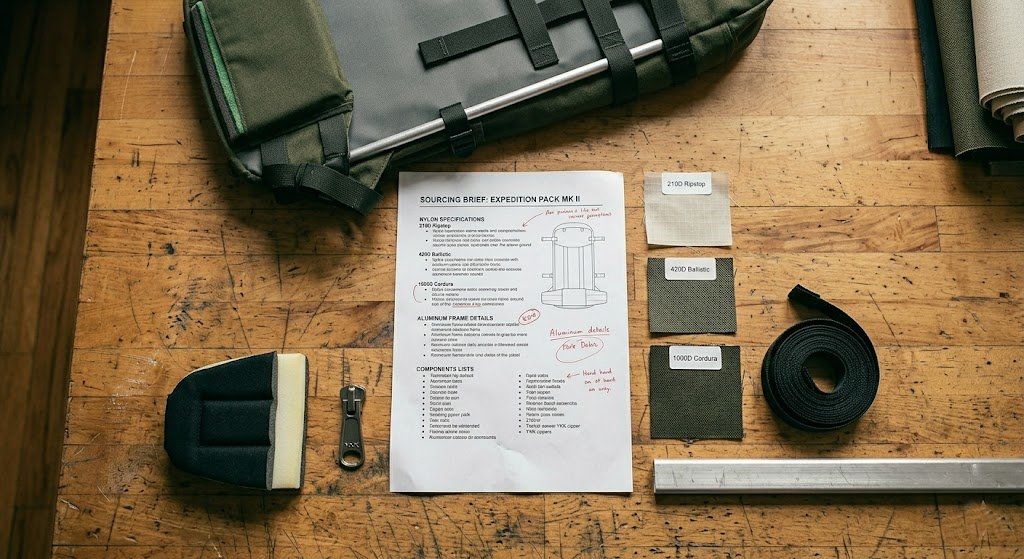
For all hiking pack categories:
- Intended carry weight (not just volume)
- Primary market — EU, US, Asia-Pacific (affects sizing, compliance requirements, and hardware preferences)
- Target retail price point (affects material ceiling and construction approach)
- Frame type preference (frameless / internal / external) confirmed before inquiry, not decided during sampling
For overnight, trekking, and expedition packs specifically:
- Torso length range for your target user demographic
- Hip belt sizing — S/M/L allocation, or one-size-adjustable
- Fabric denier and material type (if you have a preference; if not, tell us the durability claim you want to make on your product)
- Load range the pack is designed to carry
This is the brief that moves a project forward without unnecessary sample rounds. We see most delays come from buyers who arrive with the first two or three items answered but leave the rest open. Factories fill those gaps with assumptions — and those assumptions are usually optimized for ease of production, not for what the buyer actually needs.
Conclusion
Frame type, use scenario, and pack category are the three inputs that shape every downstream sourcing decision in hiking pack OEM development. A liter count and a logo tell us almost nothing. A category, a frame type, a use scenario, a target market, and a load range tell us almost everything.
Get these clear before you write your first inquiry, and the development process moves faster, costs less, and produces a first sample that is actually close to what you need.
Take a look at our range of OEM hiking backpacks — day packs through expedition packs — to see how these specs translate into real production samples.
Ready to get a factory quote? Tell us your specs → Contact Osgoodway