Are you torn between using a duffel bag or another type of travel bag? Many people face this challenge when deciding which bag is best for their specific needs.
Duffel bags offer great flexibility, space, and portability, making them ideal for casual travel, gym sessions, and weekend getaways. However, their lack of organization and structure can be problematic for some users.
Duffel bags shine in specific situations but may not always be the perfect choice depending on your needs. By delving into the advantages and disadvantages of these bags, I hope to provide you with a balanced view that empowers you to make an informed decision.
What Makes a Duffel Bag Different from Other Travel Bags?
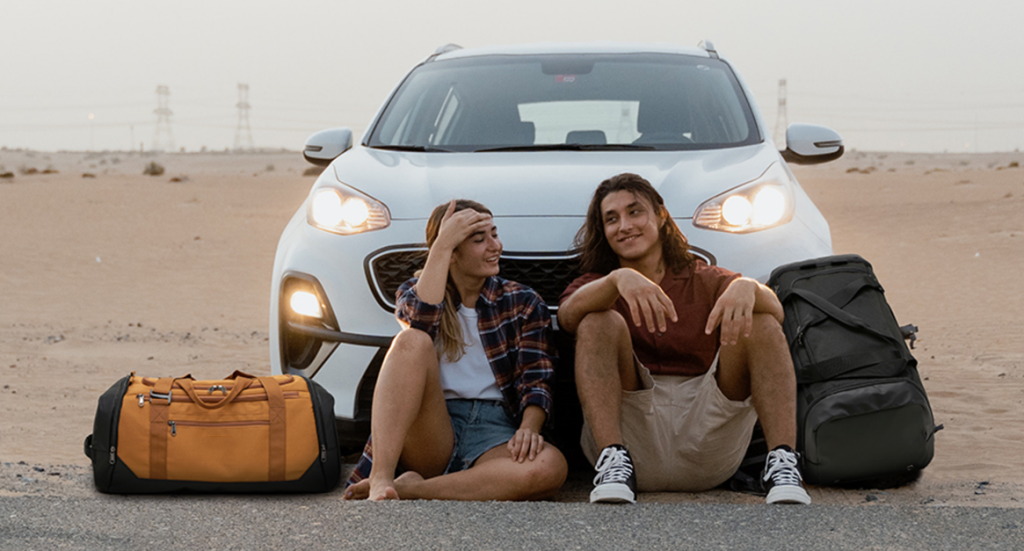
Duffel bags are a world apart from traditional backpacks and suitcases, and I’ve seen firsthand how they can revolutionize the way we pack and travel. What truly sets them apart is their soft, cylindrical shape—no rigid compartments, no stiff structure. This gives you the freedom to pack just about anything, from clothes to awkwardly shaped gear, without worrying about whether it will fit. But that flexibility comes with its own set of challenges, particularly when it comes to keeping things organized.
Unlike backpacks, which are designed for weight distribution and have multiple compartments for easy access, duffel bags focus on maximizing space and offering simplicity. This makes them incredibly easy to pack, especially for casual trips or when you need to throw together a few essentials quickly. However, they don’t provide the structure or security that a rolling suitcase might, making them a better choice when you need quick access and maneuverability—perfect for navigating busy airports or tight spaces.
Here’s a comparison table that highlights the key attributes of duffel bags versus other types of travel bags (backpacks, rolling suitcases, etc.).
| Feature | Duffel Bags | Backpacks | Rolling Suitcases | Tote Bags |
|---|---|---|---|---|
| Space | Very spacious and flexible. Great for packing bulky items. | Moderate space, depends on size and compartments. | High capacity but rigid, offers organized packing. | Typically smaller, good for light packing. |
| Organization | Lacks internal compartments. Can be challenging for smaller items. | Multiple compartments. Easy to organize. | Highly organized. Multiple compartments and dividers. | Limited organization. Few pockets. |
| Durability | Varies by material. Higher-end models (e.g., ballistic nylon) are durable. | Depends on material (lightweight fabrics vs. durable ones). | Highly durable. Hard-shell cases often offer more protection. | Varies. Can be durable but often less resistant than duffels or suitcases. |
| Weight | Lightweight. Easier to carry, especially in smaller sizes. | Light to moderate weight. Generally light for day-to-day use. | Heavy. Especially with wheels, frames, and hard shells. | Lightweight. Generally easy to carry for short distances. |
| Maneuverability | High. Easy to carry, move around, and fit into tight spaces. | Moderate. Best suited for carrying on your back but can be cumbersome. | Low. Bulky to move in crowded areas, can be hard to carry when not rolling. | Moderate. Easy to carry, but may not be as ergonomic for long distances. |
| Best for | Casual trips, gym sessions, weekend travel, sports equipment. | Day-to-day use, hiking, school, short commutes. | Business travel, long trips, organized packing, air travel. | Short trips, day trips, beach outings, casual use. |
| Ideal for | Flexible packing needs. Quick access to contents. | Carrying essentials. Comfort for carrying on your back. | Long-haul travel. Security and organization for formal trips. | Light loads. Short-distance, stylish travel. |
To help you decide, let’s explore the pros and cons of duffel bags.
What Are the Key Pros of Using a Duffel Bag?
Why should you consider using a duffel bag for your next trip?
The advantages of duffel bags include their versatility for different activities, spacious design that accommodates awkward items, lightweight construction for easy carrying, and stylish options that blend fashion with functionality.
These benefits make duffel bags a popular choice among travelers and gym-goers alike.
Key Pros of Using a Duffel Bag: Space, Flexibility, and More
Versatility for Different Activities
One of the greatest advantages of duffel bags is their versatility. Whether you’re heading to the gym or embarking on a weekend trip, these bags can handle it all. For instance, a gym-goer can effortlessly pack clothes, towels, and shoes into a duffel bag without worrying about space constraints. Similarly, travelers appreciate the ability to toss in clothes and toiletries without fussing over compartments.
Spacious and Flexible Design
The flexible design of duffel bags allows them to accommodate a wide variety of items. Unlike structured suitcases or backpacks that can limit what you can pack, duffels can adapt to hold awkwardly shaped items like sports equipment or bulky jackets. This adaptability makes them an excellent choice for those who need to transport unconventional gear.
Lightweight and Easy to Carry
Compared to traditional suitcases or large carry-ons, duffel bags are typically lightweight and easy to carry. Many feature ergonomic designs with padded shoulder straps or handles that enhance comfort during transit. This is particularly advantageous for short trips where ease of movement is essential.
Stylish and Sporty
In addition to their practicality, many duffel bags come in trendy designs that allow users to blend functionality with fashion. From sleek leather styles suitable for professional settings to vibrant patterns perfect for casual outings, there’s a duffel bag to match every aesthetic.
What Are the Main Cons of Duffel Bags?
While duffel bags offer undeniable benefits like flexibility, spaciousness, and easy portability, they may not always be the best fit for every situation. As much as they excel in many areas, there are some downsides to consider.
While duffel bags are convenient and easy to pack, their lack of organization, absence of wheels, and minimal structure can be drawbacks. Without compartments, keeping smaller items organized can be difficult, and the lack of wheels makes them harder to carry when fully packed.
Let’s dive into the cons to give you a clearer picture of when a duffel bag might not be the ideal choice.
The Cons of Duffel Bags: Limited Organization and Mobility
Lack of Organization
Due to their flexible structure, duffel bags can sometimes be a challenge to organize. There are no compartments to keep smaller items separated, which means you might find yourself searching through the entire bag for your keys or toiletries. For someone who needs quick access to organized items, this can be a real downside.
No Wheels for Heavy Loads
Unlike suitcases, most duffel bags don’t come with wheels, which can make carrying heavy loads over long distances a real hassle. If you’re traveling with a fully packed duffel, the weight may become cumbersome, especially if you have to walk long distances through airports or train stations.
Not Ideal for Business Travel
While duffel bags are excellent for casual trips, they may not be the most professional-looking option for business travel. They lack the structured look of a briefcase or a wheeled suitcase, making them less ideal for formal or corporate environments where a polished look is expected.
Durability Issues with Some Materials
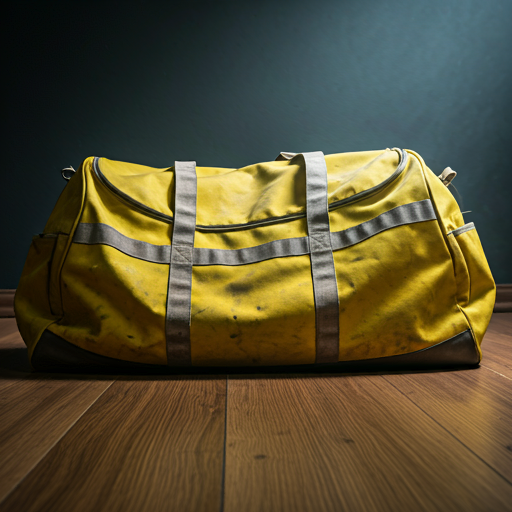
Not all duffel bags are made equal. While higher-end models are crafted from durable materials like ballistic nylon or leather, cheaper options made from thin polyester or canvas may wear out quickly. This is especially true for bags that are frequently packed to capacity, as the constant strain can lead to material degradation over time.
What Key Features Should You Look for When Ordering a Duffel Bag?
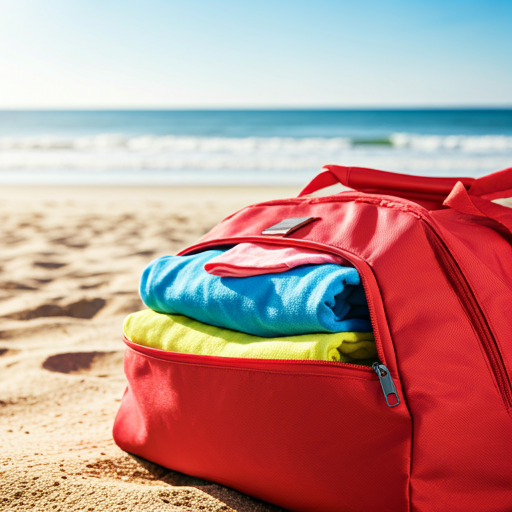
When selecting a duffel bag, consider factors like material durability, appropriate size for your needs, comfortable straps or handles, and any additional pockets that enhance organization. These features can greatly improve usability.
Knowing what to look for will ensure you choose the best bag for your lifestyle.
Material
Opt for durable materials like ballistic nylon or high-quality leather for longevity and resistance to wear. Ballistic nylon is especially known for its rugged durability, while leather offers a premium, stylish look.
Compartments and Pockets
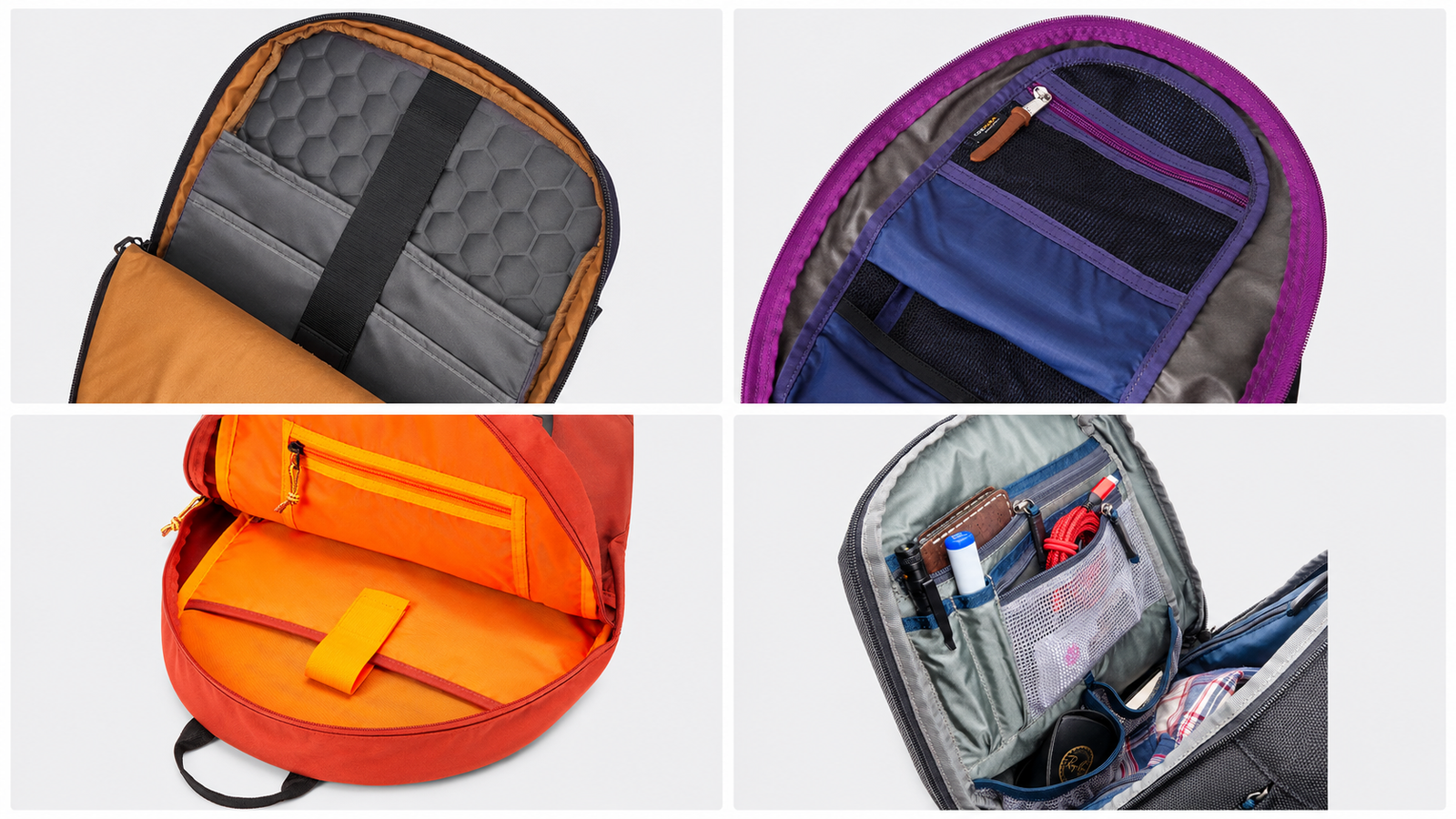
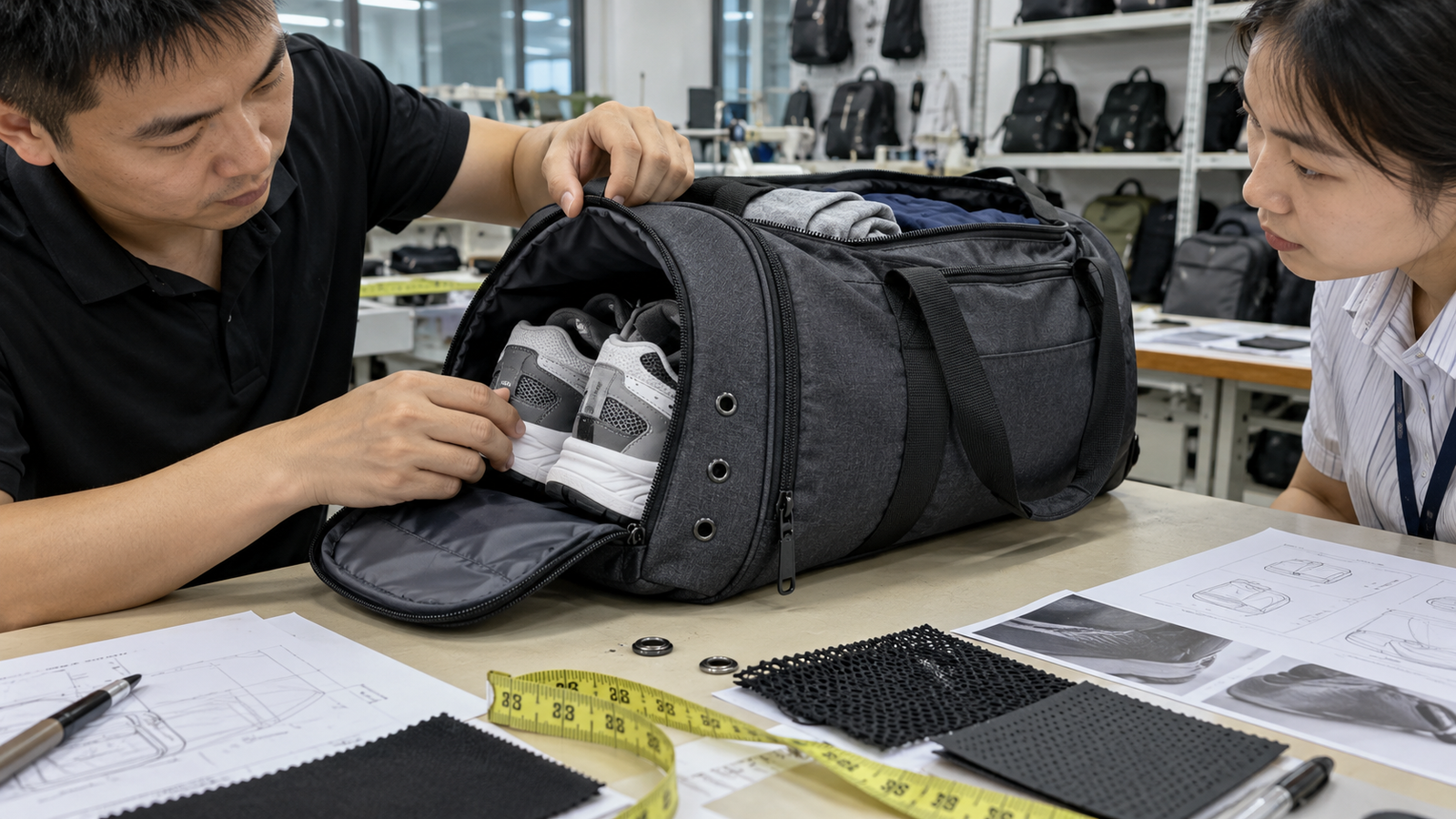
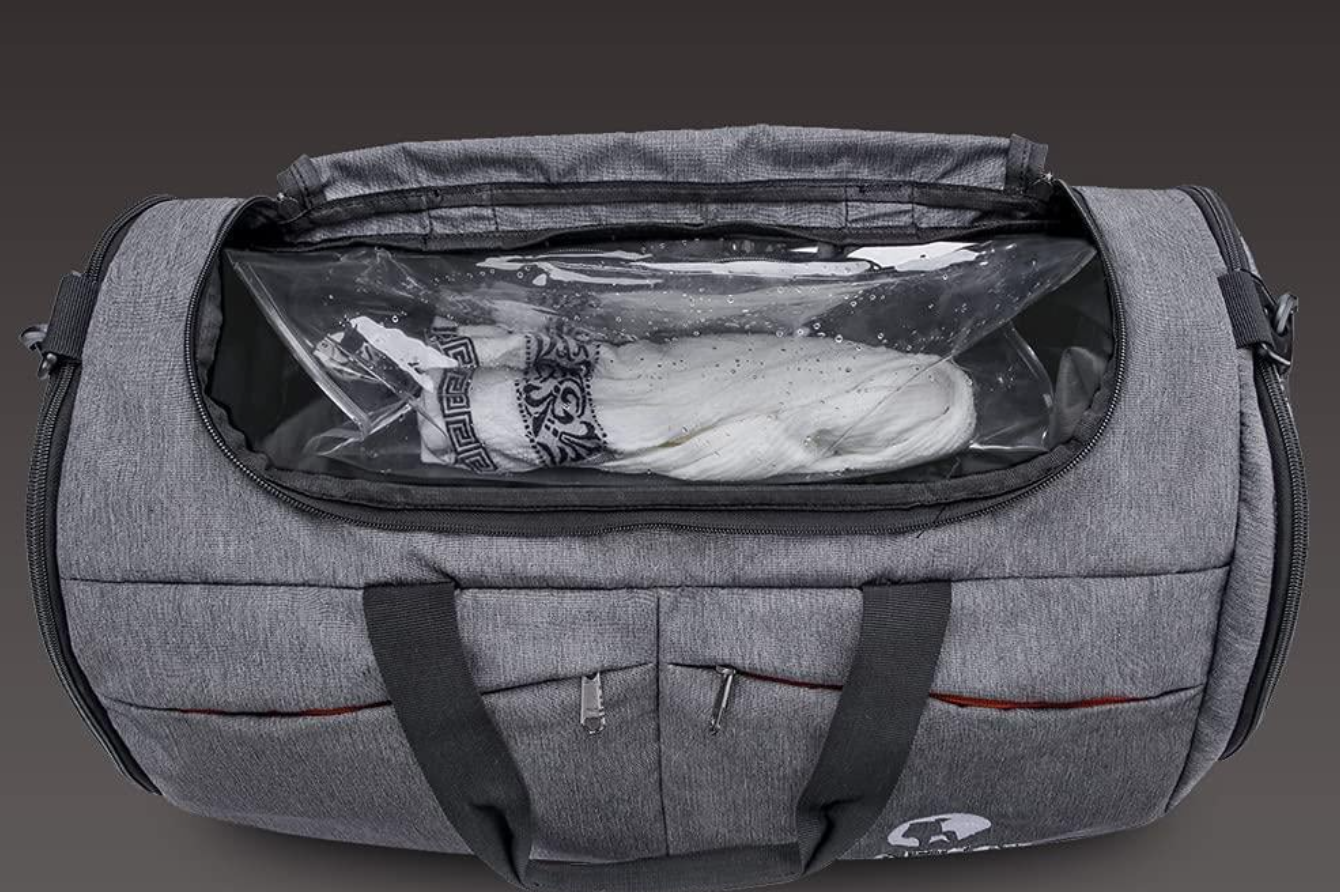
While duffel bags are typically unstructured, some models come with additional compartments for better organization. Look for bags with pockets for shoes, toiletries, or electronics to keep your items accessible and secure.
Size and Capacity
Duffels come in various sizes, so choose one that fits your trip’s duration. A medium-sized bag (40-50L) is ideal for short trips, while larger options (60L+) work well for extended vacations. Consider carry-on size if you’re flying.
Straps and Handles
Comfort is key. Look for padded, adjustable shoulder straps and handles to ease carrying, especially for heavier loads. Some bags even offer waist belts to distribute weight more evenly during long hauls.
Zippers and Closures
Durable, smooth zippers are essential. YKK zippers are a reliable choice, and waterproof or weather-resistant closures will protect your belongings during rainy conditions.
Style and Aesthetics
Choose a design that matches your personal style. For business travelers, a sleek, professional design may be best, while rugged, utilitarian styles are perfect for active use.
Water Resistance and Durability
If you’re heading into unpredictable weather, select a bag with water-resistant fabric and sealed seams to keep your gear dry.
Additional Features
Features like compression straps, external loops, and RFID-blocking pockets can enhance functionality. Consider your specific needs, such as extra storage or device protection.
“After understanding the key features to look for when ordering a duffel bag, the next important step is ensuring that you choose the right size. Measuring your duffel bag correctly is crucial to ensure it fits your needs perfectly—whether you’re packing for a short trip, a workout session, or a longer journey.
To guide you through this process, check out our comprehensive Step-by-Step Guide on How to Measure Your Duffel Bag Size to make sure you’re choosing the right dimensions for your travel or lifestyle needs.”
When Should You Choose a Duffel Bag Over Other Types of Bags?

In what situations should you choose a duffel bag over other types?
A duffel bag is an excellent choice when you need flexibility, ample packing space, and quick access to your belongings. It’s perfect for short trips, weekend getaways, gym sessions, or even outdoor adventures. However, if you’re planning a business trip or need to carry heavier items for a long journey, you may want to consider a more structured, supportive option like a rolling suitcase.
Identifying your specific needs will help determine if a duffel bag is right for you.
Weekend Getaways
When planning a weekend trip, duffel bags are often the perfect option. Their spacious interior allows you to pack several days’ worth of clothing and essentials easily. The single-compartment design simplifies packing and unpacking, making it quick to access what you need. Additionally, their flexibility means they can fit into tight spaces, whether in your car or an overhead compartment on a flight.
Want to learn more about weekend bags and their different types? Check out our blog post:What is a Weekend Bag and What Are the Best Weekend Bag Types?
Gym or Sports Activities
For gym-goers and athletes, duffel bags are a practical choice. They provide ample room for workout gear, shoes, and clothing while being easy to carry. Many gym sport duffel bags are constructed from durable materials that can withstand wear and tear, making them suitable for frequent use. Their straightforward design also makes them easy to clean after intense workouts.
Adventure and Outdoor Trips
If you’re heading out for an adventure or outdoor trip, a duffel bag is an excellent companion. Their rugged construction often features water-resistant materials, protecting your gear from the elements. Duffel bags can accommodate camping equipment, clothing, and other essentials without the constraints of rigid suitcases. However, keep in mind that carrying heavy loads over long distances may be uncomfortable without proper shoulder support.
Travel Flexibility
In situations where you need a bag that can adapt to various uses—like transitioning from a gym bag to a travel bag—duffel bags excel. Some designs even come with convertible straps that allow them to be worn as backpacks. This hands-free option is particularly beneficial when navigating busy airports or uneven terrain.
Budget-Friendly Option
If affordability is a priority, duffel bags generally come with a lower price tag compared to hard-shell suitcases. Their simpler construction means you can find high-quality options without breaking the bank. This makes them an attractive choice for those looking for functionality without excessive costs.
In summary, choosing a duffel bag over other types of bags is ideal for weekend getaways, gym sessions, outdoor adventures, and budget-friendly travel. Their spaciousness and flexibility make them versatile companions for various activities. Understanding when to use a duffel bag will ensure you have the right gear for your needs.
Still unsure if a duffel bag can meet all your needs? Let’s explore key factors to consider before making your final decision.
Conclusion: Should You Choose a Duffel Bag?
Duffel bags are a fantastic option for those who need a flexible, spacious, and lightweight bag for their travels or gym routines. However, they come with some drawbacks, such as limited organization and lack of wheels for heavy loads.
A duffel bag is an excellent choice for casual travel, short trips, or gym use. But if you’re someone who needs more structure, or if you have business-related needs, it might not be the best fit for you.
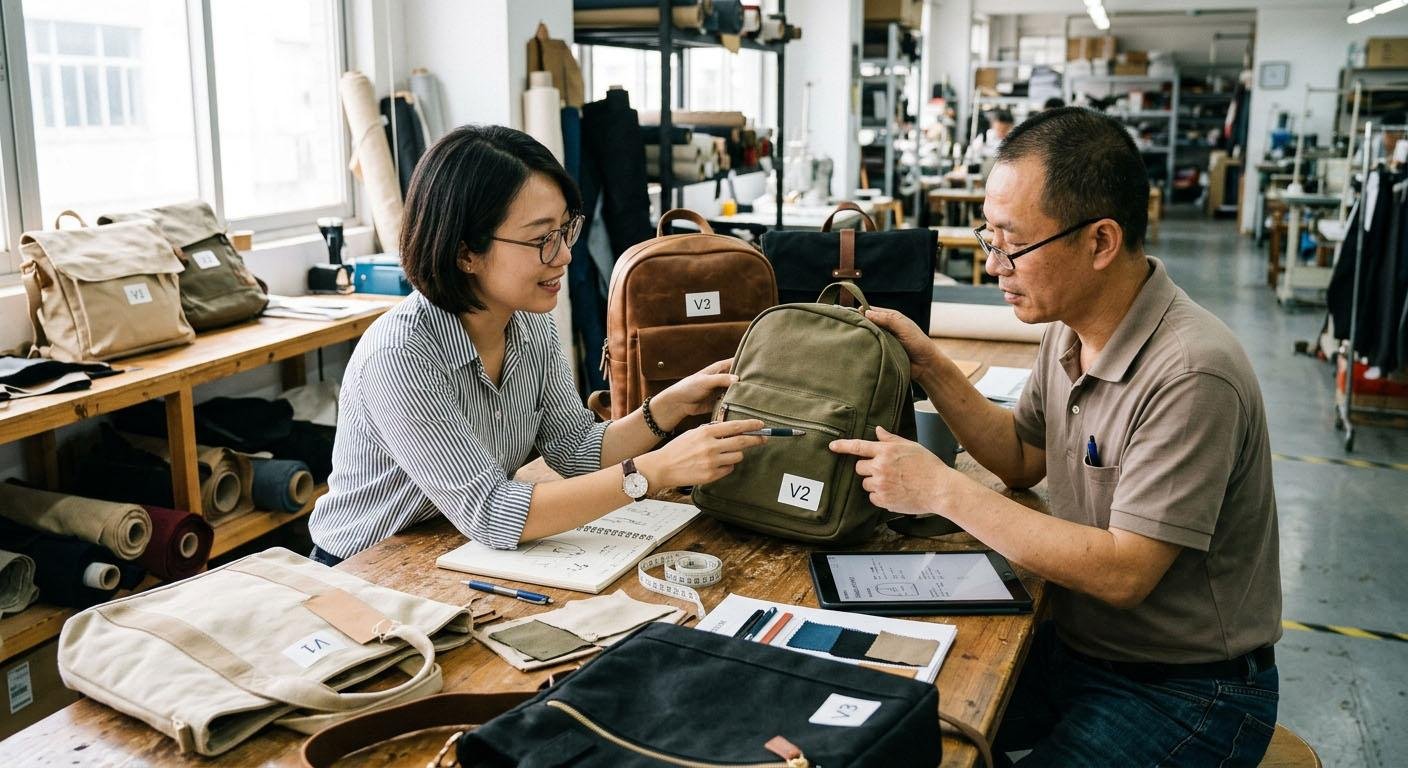
At OSGOODWAY, we manufacture high-quality OEM/ODM bags for various needs. Whether you’re looking for stylish duffel bags or custom designs, we provide durable and functional solutions for every type of traveler.
People Also Ask
- What are the advantages of using a duffel bag?
- Duffel bags are versatile, spacious, and easy to carry. They offer flexibility for packing various items and are lightweight, making them perfect for short trips or gym visits.
- Can a duffel bag be used for air travel?
- Yes, duffel bags are often used as carry-ons for air travel. Their flexible design allows for easy packing, but be mindful of airline restrictions on size and weight.
- What size duffel bag is ideal for a weekend trip?
- A medium-sized duffel bag, typically between 40-50 liters, is ideal for a weekend trip. It provides enough space for clothes, toiletries, and other essentials.
- How do you pack a duffel bag for travel?
- Roll your clothes to save space, use packing cubes for better organization, and be mindful of the bag’s shape to avoid overpacking.
- Are duffel bags more comfortable than backpacks?
- Duffel bags can be more comfortable than backpacks for short trips because they offer a more natural carry, though backpacks provide better weight distribution for longer walks.
- What are the best materials for a durable duffel bag?
- High-quality duffel bags are made from materials like ballistic nylon, leather, or heavy-duty polyester for durability and longevity.
- Can a duffel bag be a carry-on for airlines?
- Yes, many duffel bags fit the size requirements for carry-ons, but always check with your airline’s guidelines before packing.
- Are there any downsides to using a duffel bag for the gym?
- One downside is the lack of compartments for organizing smaller items like shoes, toiletries, or gym accessories.
- What is the difference between a duffel bag and a rolling suitcase?
- Duffel bags are soft, flexible, and lightweight, making them easy to carry, while rolling suitcases are more rigid and provide better organization and protection for fragile items.
- Are duffel bags more expensive than backpacks or suitcases?
- Duffel bags can vary in price, but generally, they are comparable in price to high-quality backpacks and suitcases. Premium materials and brands can increase the price.