


Struggling to choose the right backpack fabric? The wrong choice can ruin a design. I’ll guide you through the best materials for quality and durability.
Backpacks are typically made from nylon, polyester, leather, canvas1, and specialty fabrics like CORDURA® or Ballistic Nylon. Nylon and polyester dominate for durability and water resistance, canvas offers a vintage look, while ripstop and ballistic weaves improve tear resistance. Premium options like CORDURA® ensure quality and long life.
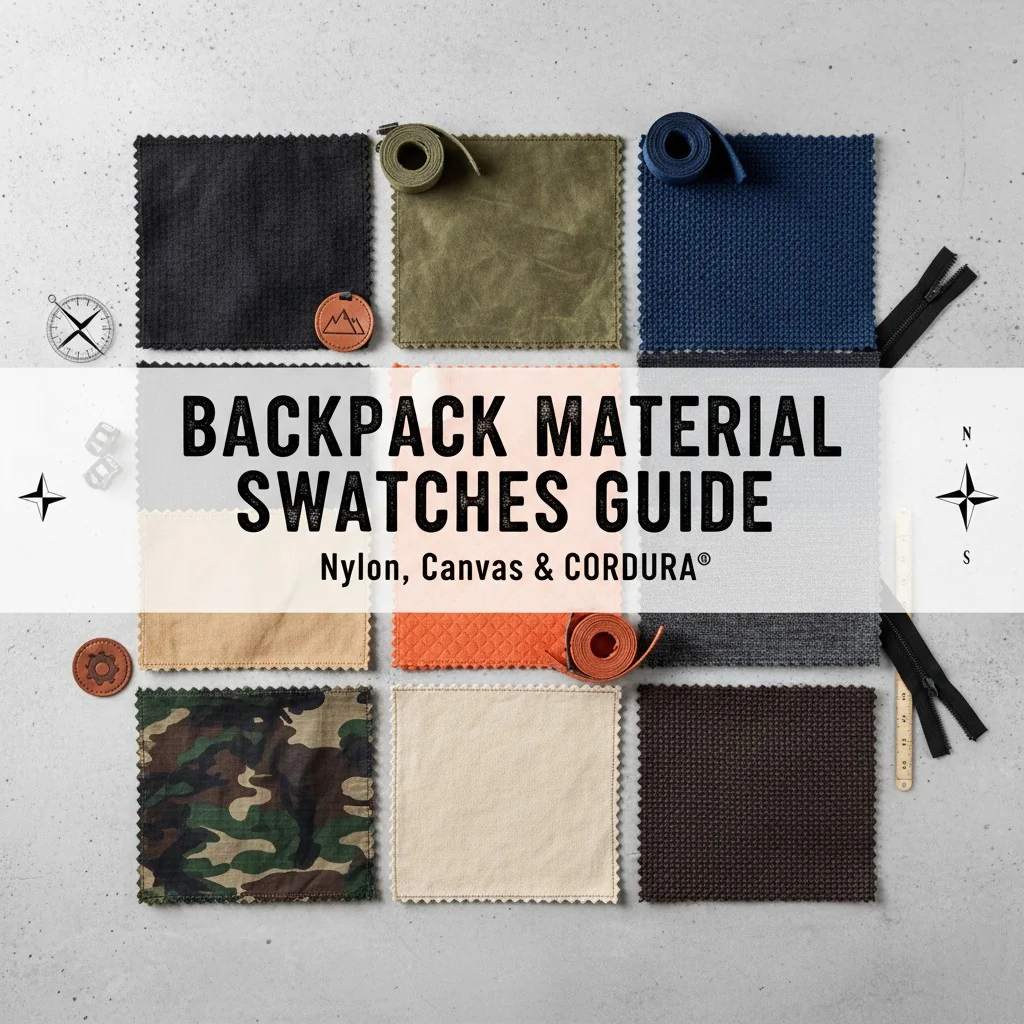
Choosing the right material is more than just picking a fabric; it’s about understanding how it performs. I’ve spent years working with these materials, and I’ve seen what works and what doesn’t. It’s the foundation of any great bag design, and getting it right is crucial for your brand’s reputation. Let’s break down the most common options so you can make an informed decision for your next collection.
[claim claim=”All backpack materials are waterproof.” istrue=”false” explanation=”Most backpack materials are water-resistant, not fully waterproof. They often require special coatings or liners to become waterproof.”]
[claim claim=”The material of a backpack is a key factor in its overall durability and function.” istrue=”true” explanation=”The choice of fabric directly impacts a backpack’s resistance to tears, abrasion, water, and UV light, defining its suitability for different uses.”]
Prefer watching? Here’s the full video guide 👇
What Are the Most Common Materials Used in Backpacks?
Confused by terms like nylon and polyester? It’s easy to get lost. I’ll clarify the core differences to help you select the perfect base material for your designs.
Backpacks combine synthetic fibers like nylon,polyester and leather, premium fabrics like CORDURA®, and heritage materials like canvas. They use ripstop weaves for tear resistance and eco-friendly options, balancing weight, durability, and water resistance.
When I first started in this industry, I thought nylon and polyester were almost interchangeable. A client taught me a valuable lesson. They chose a beautiful, smooth nylon for an outdoor line, not realizing its lower UV resistance2 would be an issue in sunny climates. The colors faded faster than expected. We switched to a high-grade polyester for the next production run, and the product’s longevity improved dramatically. It’s these small details that make a huge difference in customer satisfaction.
1. Common Backpack Materials
1.1 Nylon
Nylon is a synthetic polyamide fiber, created by melting and spinning plastics into long fibers. It’s one of the most popular materials used in backpacks, particularly for its strength and durability.
- Pros:
- Highly durable and abrasion-resistant.
- Smooth, silky finish that adds to its aesthetic appeal.
- Cons:
- Poor UV resistance compared to polyester. Prolonged exposure to the sun can cause the material to weaken and fade.
- Best for:
- Ideal for outdoor and performance backpacks where durability is essential, but UV exposure isn’t constant.
1.2 Polyster
Polyester is one of the most widely used synthetic fibers for backpacks due to its strong properties and low cost.
- Pros:
- Strong UV resistance, making it ideal for prolonged exposure to sunlight.
- Lightweight, wrinkle-free, chemical-resistant, and durable.
- Cons:
- Quality can vary greatly. Low-grade polyester is common in cheaper backpacks.
- Best for:
- School, commuter, and general-purpose backpacks, where long-term durability is key, but UV exposure is limited.
1.3 Leather
Leather is a natural material made from animal hides, commonly used in high-quality backpacks for both its durability and luxury feel.
- Pros:
- Offers a premium, timeless look that’s perfect for fashion-forward designs.
- Durable and can last for decades with proper care.
- Aging beautifully over time, developing a unique patina.
- Cons:
- Heavy compared to synthetic fabrics, and requires maintenance (conditioning and cleaning).
- Expensive, making it less suitable for mass-market backpacks.
- Best for:
- Luxury, fashion-oriented, or high-end backpacks.
2. Fabric Weaves That Improve Performance
2.1 Canvas
Canvas is a dense weave, traditionally made from cotton but now often blended with synthetic fibers for enhanced performance.
- Pros:
- Rugged and structured, giving a timeless and vintage feel to the backpack.
- Ideal for heavier weights and durability.
- Cons:
- Heavier than modern synthetics, making it less ideal for lightweight hiking gear.
- Best for:
- Lifestyle and vintage-style backpacks that emphasize durability and aesthetics over lightweight use.
2.2 Ripstop
Ripstop is a specific weave pattern, not a material, but it can be used with various fibers such as nylon, polyester, or polypropylene. It is known for its grid-like pattern that makes it resistant to tears and rips.
- Pros:
- Provides military-grade durability and higher tear resistance, ideal for tough environments.
- The grid pattern reinforces the fabric, preventing rips from spreading.
- Cons:
- Slightly stiffer texture compared to plain weaves, which may affect the feel and flexibility.
- Best for:
- Tactical, outdoor, and high-performance backpacks, where durability and resistance to tearing are paramount.
3. Branded & Premium Backpack Fabrics
3.1 CORDURA®
CORDURA® is the industry benchmark for durable, high-performance fabrics, used by several well-known backpack brands, including JanSport.
- Pros:
- Known for long-lasting durability and high strength, even under heavy use.
- A reliable choice for quality, backed by a strong reputation in the market.
- Cons:
- Premium price, but worth it for the durability and longevity.
- Best for:
- Premium, long-lasting outdoor and travel backpacks that require superior strength and resistance to wear.
3.2 Corda Nylon (Korean Alternative)
Corda Nylon is a licensed production of nylon by Kolon International, often used as a more affordable alternative to CORDURA®.
- Pros:
- More affordable than CORDURA® without compromising on strength and durability.
- Cons:
- Quality varies across factories, and the consistency of the fabric may not be as tightly controlled.
- Best for:
- Budget-conscious but durable designs, offering a reliable material without the higher price tag.

3.3 Ballistic Nylon
Originally developed by DuPont during WWII to protect soldiers from shrapnel, ballistic nylon has since evolved into a premium fabric for heavy-duty use.
- Pros:
- Uses a 2×2 basket weave, creating a denser and stronger structure than regular nylon.
- Extreme durability that can withstand intense wear and tear.
- Cons:
- Heavier than other materials, which might not suit lighter applications.
- Best for:
- Tactical, business travel, or heavy-duty backpacks, where high durability and a rugged design are essential.
When choosing materials for a backpack, you should consider factors like durability, weight, UV resistance, and how the material will perform under specific use cases. Whether you’re looking for premium durability (CORDURA®) or a more affordable option (like Polyester or Corda Nylon), understanding the fabric properties and weaves will help you select the best material for your needs.
[claim claim=”Nylon has better UV resistance than polyester.” istrue=”false” explanation=”Polyester generally has superior resistance to UV degradation compared to nylon, making it a better choice for backpacks frequently exposed to direct sunlight.”]
[claim claim=”Polyester is a type of synthetic polyamide fiber.” istrue=”false” explanation=”Polyester is a synthetic polymer, but nylon is the one that is a synthetic polyamide fiber. They are different types of plastics.”]
How Do Different Backpack Fabrics Compare in Weight, Denier, and Weave?
When choosing the best fabric for your backpack, understanding the weight, denier, and weave of the material is crucial. These factors determine the fabric’s strength, durability, and how it performs in different conditions. Each material, from nylon to leather, has unique characteristics that make it suitable for different types of backpacks, whether for daily use, outdoor adventures, or luxury designs.
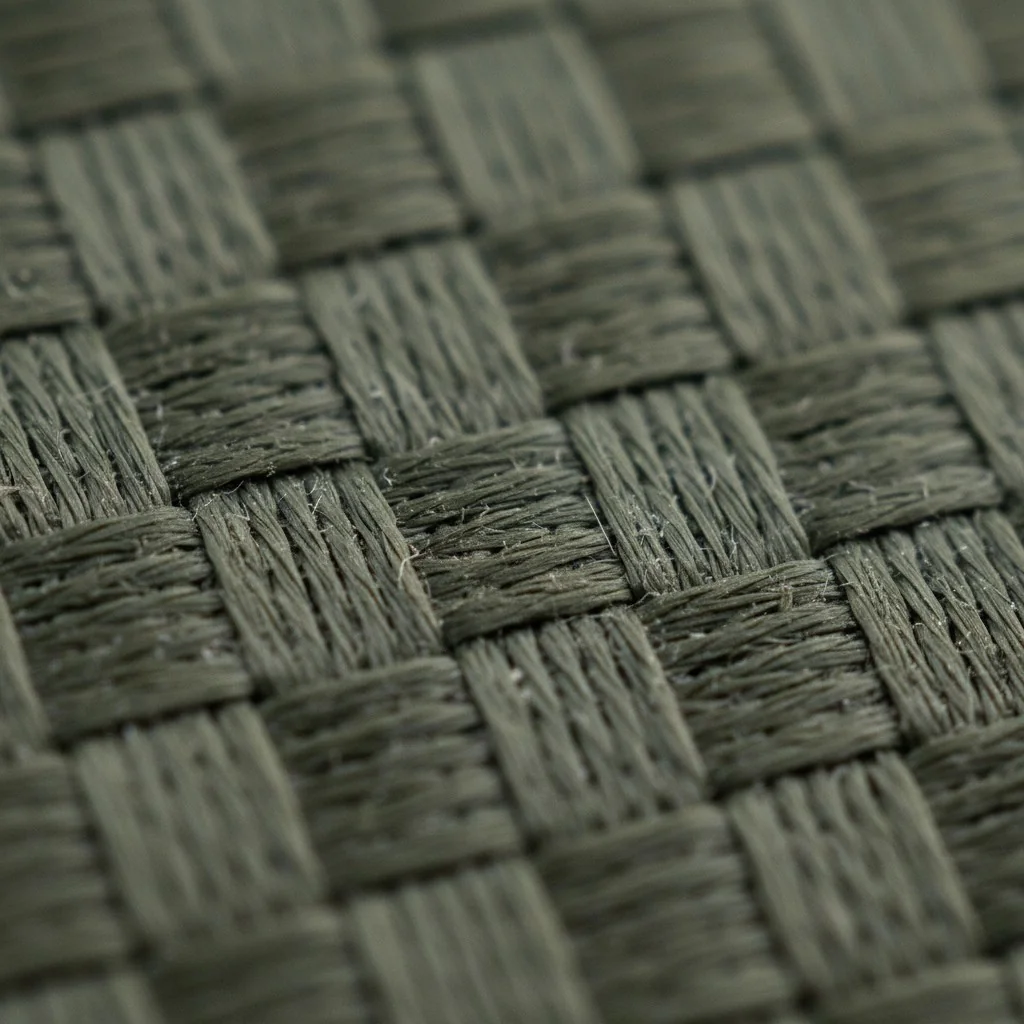
In this section, we’ll compare some of the most common backpack material based on their denier, weight, and weave types. We’ll also highlight how these attributes affect the performance and durability of the fabric.
Typical Fabric Comparisons
| Material | Denier Range | Weight (GSM) | Weave Type | Durability | Notes |
|---|---|---|---|---|---|
| Nylon | 210D – 1050D | 150–400 GSM | Plain / Ripstop | High | Strong, but UV sensitive |
| Polyester | 300D – 600D | 180–350 GSM | Plain / Ripstop | High | UV & water-resistant |
| Canvas | 10–20 oz/yd² | 300–500 GSM | Plain dense | Medium–High | Heavy but classic |
| CORDURA® Nylon | 500D – 1000D | 220–400 GSM | Plain / Ripstop | Very High | Branded, QC guaranteed |
| Ballistic Nylon | 840D – 1680D | 350–500 GSM | 2×2 Basket Weave | Extreme | Military-grade toughness |
| Leather | – | 400–1200 GSM | Smooth / Pebbled | Very High | Premium, durable, ages beautifully with time. |
[claim claim=”Ripstop is a type of material, not a weave.” istrue=”false” explanation=”Ripstop is a weaving technique that reinforces fabric to resist tearing. It can be applied to various materials like nylon or polyester.”]
[claim claim=”Canvas is a lightweight material ideal for hiking backpacks.” istrue=”false” explanation=”Traditional canvas is known for being heavy and durable, not lightweight. It’s more suited for lifestyle or retro-style bags than performance hiking packs.”]
Which Materials Suit Specific Use Cases?
Matching the material to the customer’s lifestyle is key. A city commuter needs something different than an outdoor adventurer. I’ll show you how to pair fabrics with functions.
For strong sun and outdoor use, choose polyester for its UV resistance. For extreme durability and tear resistance, Ballistic Nylon3 or ripstop fabrics are best. For a vintage or lifestyle look, canvas is ideal. For premium, guaranteed quality, CORDURA® is the top choice.
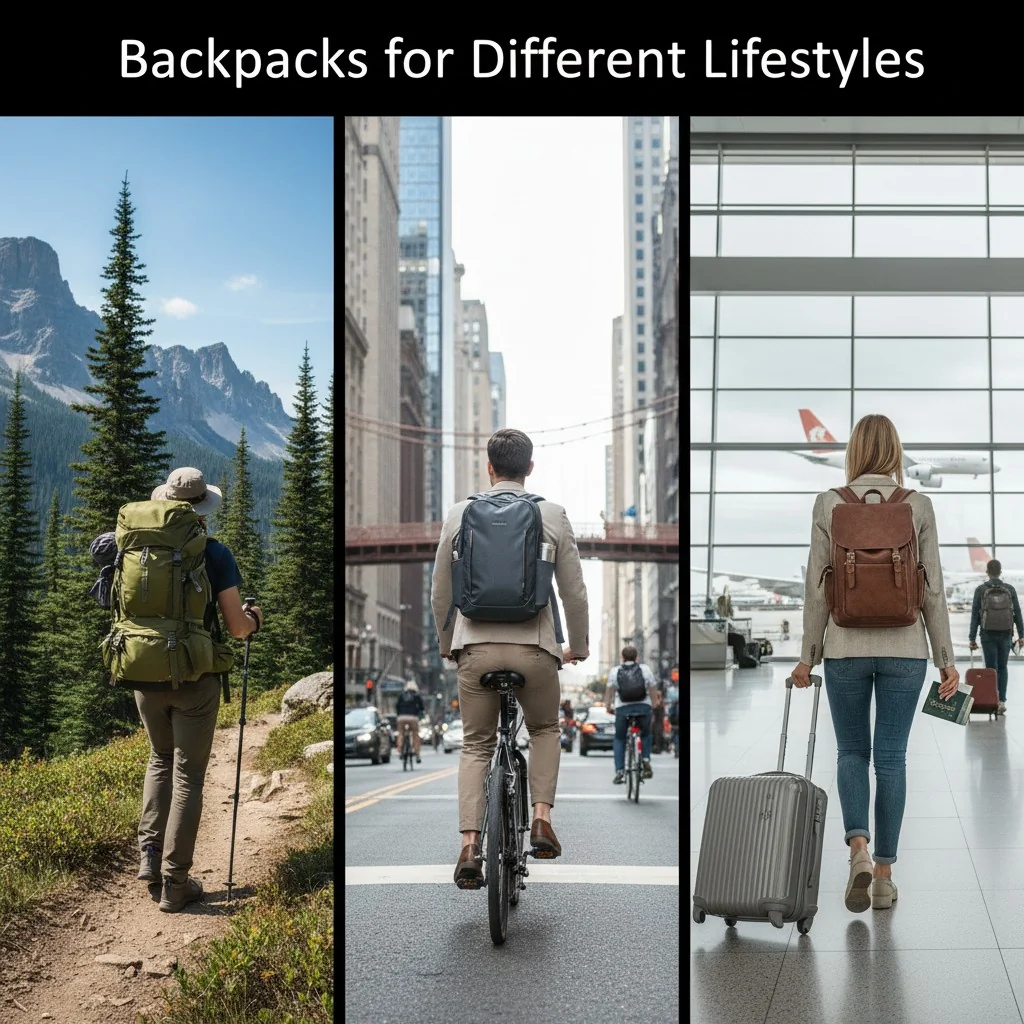
A client once approached us to create a high-end business travel line. We could have used standard polyester, but I suggested Ballistic Nylon. The feedback was incredible.
Customers loved the sleek, professional look and the peace of mind that their expensive laptops were protected by a fabric originally designed for flak jackets. It’s about telling a story with your material choice and delivering on a specific promise of performance. Your material selection should directly reflect how your customer will use the bag.
Matching Fabric to Function
Here’s a simple guide I use when consulting with brands. It helps clarify which material to start with based on the primary goal of the backpack.
| Use Case | Recommended Material | Why? |
|---|---|---|
| Daily Commute / School | Polyester (600D) | Great balance of durability, cost, and UV resistance. |
| Outdoor / Hiking | Ripstop Nylon or Polyester | Lightweight, tear-resistant, and weather-resistant. |
| Heavy-Duty / Tactical | Ballistic Nylon | Extreme abrasion and tear resistance for rugged use. |
| Lifestyle / Vintage | Canvas or Waxed Canvas | Offers a classic aesthetic and is very durable. |
| Premium / High-End | CORDURA®, Leather | Brand recognition, guaranteed quality, superior durability, and leather adds luxury and longevity. |
This table is a starting point. From here, you can explore different weights (deniers) and finishes to perfectly tailor the bag to your brand’s needs.
[claim claim=”Polyester is the best choice for backpacks requiring extreme tear resistance.” istrue=”false” explanation=”While durable, polyester is not the top choice for extreme tear resistance. Ballistic Nylon or fabrics with a ripstop weave offer superior performance in preventing tears.”]
[claim claim=”Ballistic Nylon was originally developed for military flak jackets.” istrue=”true” explanation=”DuPont developed Ballistic Nylon during WWII to protect airmen from shrapnel and ballistic impacts, hence its name and reputation for extreme durability.”]
What Are the Cost Trade-Offs of Different Materials?
The price of a backpack is not arbitrary; it’s a direct reflection of the cost, performance, and sourcing of its materials and components. While two bags might look similar, the difference between a $50 and a $250 backpack often comes down to fabric technology, hardware reliability, and manufacturing complexity.
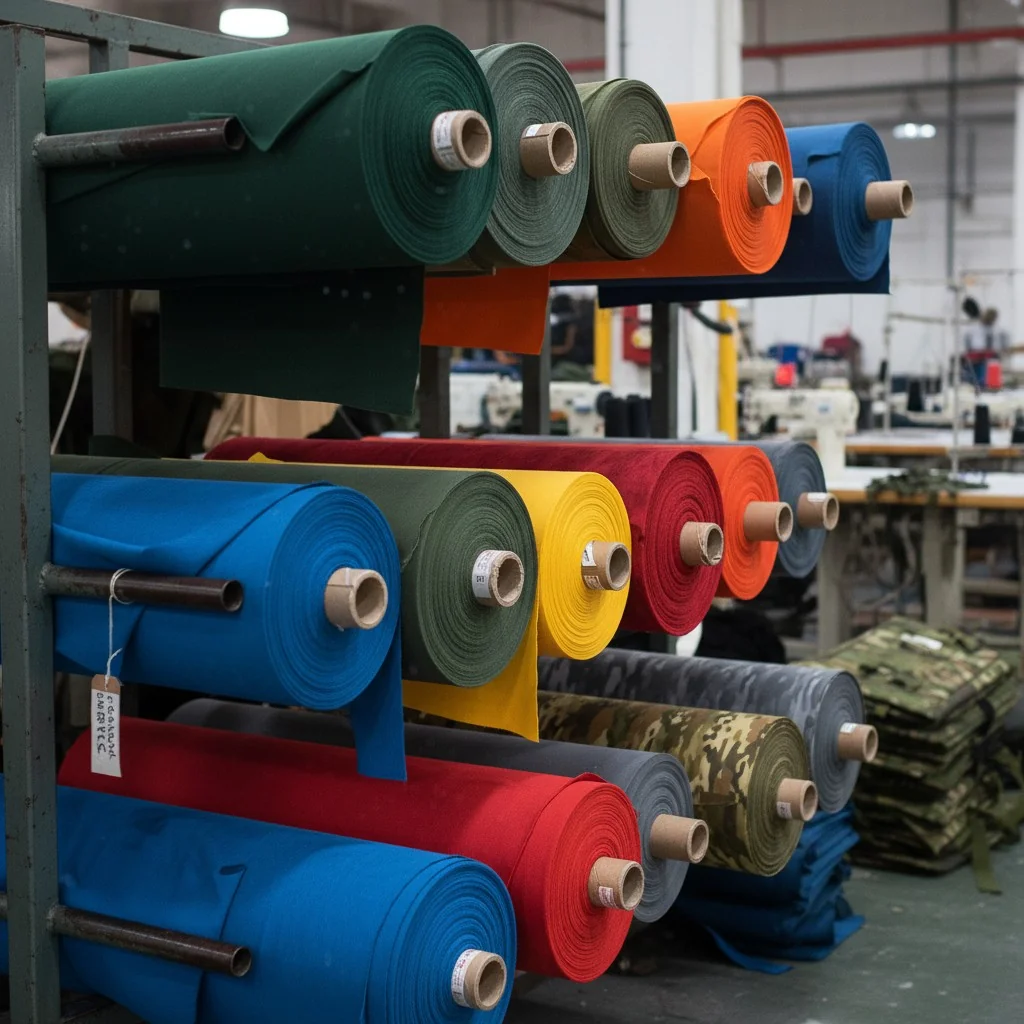
Understanding these trade-offs allows you to invest wisely, ensuring you pay for the performance you actually need. Here’s a breakdown by market tier.
Tier 1: The Entry-Level / Budget Backpack ($30 – $80)
At this price point, the primary goal is functionality at the lowest possible cost.
Common Fabrics
- Standard Polyester (600D): This is the workhorse of the budget category. It’s inexpensive to produce, holds color well, and offers decent water and UV resistance.
- Basic Nylon: A lower-denier (210D-400D) nylon might be used, but it will typically lack the advanced coatings and tight weave of more expensive versions.
- Canvas: Basic, un-waxed cotton canvas may be used for a classic, heavy-duty look, though it is often heavier and less water-resistant than synthetics.
The Cost Trade-Off
| What You Get | What You Give Up |
|---|---|
| An affordable backpack perfectly suitable for light, infrequent use. | Long-term durability, significant weather resistance, and hardware reliability. It will wear out faster under daily, heavy use. |
Tier 2: The Mid-Range / Enthusiast Backpack ($80 – $200)
This is the sweet spot for most consumers, where value and performance intersect. Brands invest in materials that are proven to last.
Common Fabrics
- High-Quality Ripstop Nylon (420D-630D): Stronger and more tear-resistant than basic nylon, offering an excellent strength-to-weight ratio.
- Branded Fabrics (e.g., CORDURA® 500D/1000D): This is a major step up. CORDURA® fabrics, typically high-tenacity nylon, guarantee a high level of abrasion and tear resistance.
- Waxed Canvas & Leather Trim: Higher-quality, waxed canvas may be used for its rugged aesthetic, often paired with small accents of leather for structure and style.
- High-Quality Recycled Polyester: Sustainable options with performance matching virgin materials are common here.
The Cost Trade-Off
| What You Get | What You Give Up |
|---|---|
| A durable, reliable, and comfortable backpack that can withstand years of daily commuting or travel. This is an investment in longevity. | You aren’t paying for the absolute lightest or most waterproof materials on the market. The bag is a "jack-of-all-trades." |
Tier 3: The Premium / Specialty Backpack ($200+)
This tier is defined by cutting-edge materials where cost is secondary to performance. These bags are built for specific, demanding use cases.
Common Fabrics
- Ballistic Nylon: High-denier (840D-1680D) Ballistic Nylon is a heavy, tightly woven fabric originally developed for military use. It offers extreme abrasion resistance and durability for the toughest gear.
- Full-Grain Leather: Packs built for high-end style or business may use full-grain leather, prized for its aging patina and premium cost, though its weight limits its use in technical gear.
- Laminated Composites (e.g., X-Pac™): These are multi-layer fabrics laminated together to be lightweight, tear-resistant, and highly waterproof.
- Ultra-High-Performance Synthetics: The pinnacle materials like Dyneema® Composite Fabric (DCF) for ultralight alpine use.
The Cost Trade-Off
| What You Get | What You Give Up |
|---|---|
| Unparalleled performance for a specific need—either the lightest possible weight, complete waterproofness, or extreme durability. You are paying for peak innovation. | Price. You are often paying a significant premium for incremental gains in performance. Specialized materials can be stiffer, noisier, or require more maintenance. |
Summary Table: Cost vs. Material
| Tier | Price Range | Key Fabrics | Key Components | The Bottom Line |
|---|---|---|---|---|
| Entry-Level | $30 – $80 | Polyester, Basic Nylon, un-waxed Canvas | Generic Zippers & Buckles | Affordability over Longevity |
| Mid-Range | $80 – $200 | Ripstop Nylon, CORDURA® (Nylon/Polyester), Waxed Canvas | YKK® Zippers, Duraflex® Buckles | Balanced Durability for Long-Term Value |
| Premium | $200+ | Ballistic Nylon, Full-Grain Leather, Advanced Laminates | YKK® AquaGuard®, Fidlock® | Peak Performance for a Specific Need |
Manufacturer’s Perspective: A significant portion of a quality backpack’s cost is in materials you can’t see. The difference between a generic zipper and a YKK® zipper might only be $1-2 in raw cost, but it eliminates the number one warranty claim and failure point. Investing in branded, tested materials like CORDURA® and YKK® costs more upfront but builds a more reliable product and a stronger brand reputation, justifying the higher retail price.
Are Premium Branded Fabrics Like CORDURA® Worth the Cost?
Premium materials come with a higher price tag. Is it just marketing, or does it translate to real value? I’ll break down the investment in branded fabrics.
Branded fabrics like CORDURA® offer superior durability and strict quality control, justifying their higher cost for premium products. Alternatives like Corda Nylon provide a budget-conscious option, but quality can be less consistent. The trade-off is between guaranteed performance and cost.
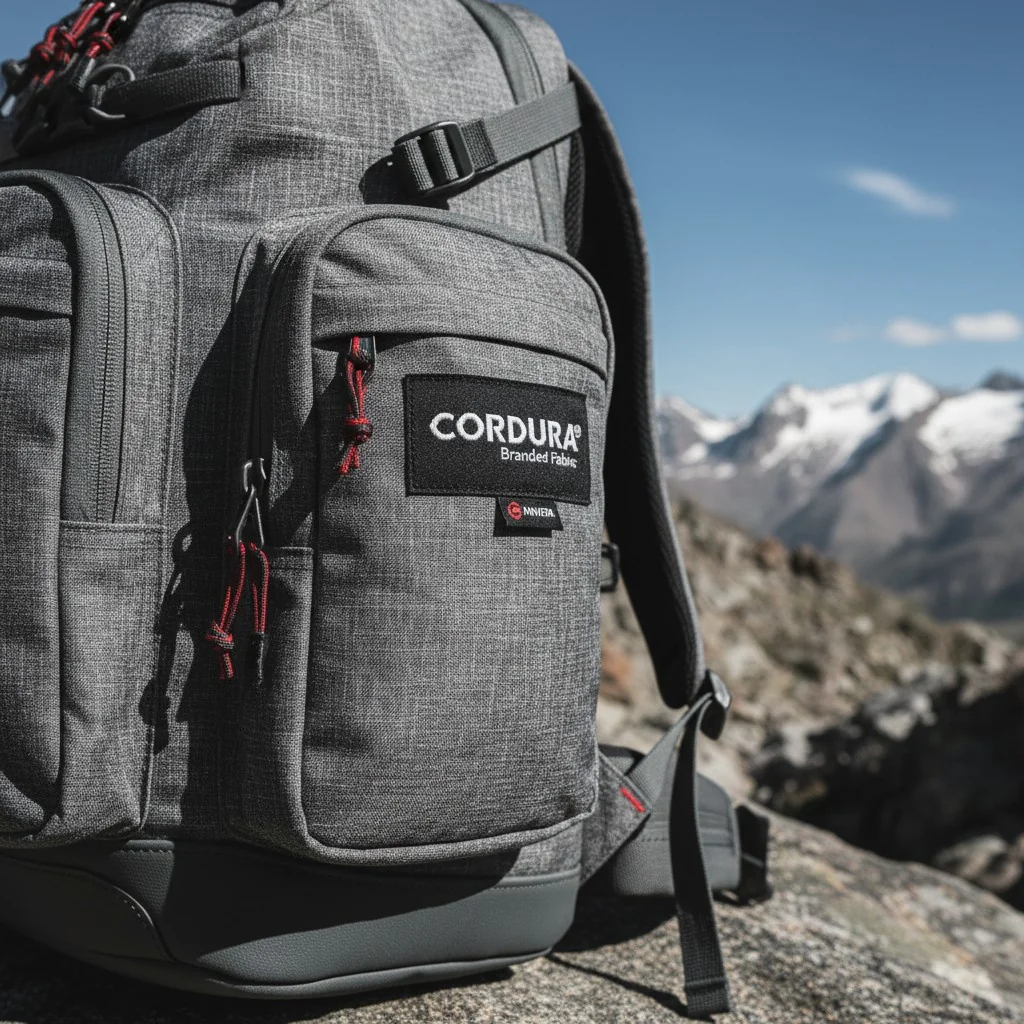
I always advise clients like you, Olivia, who work with high-end brands, to seriously consider CORDURA®. The brand recognition alone adds perceived value for the end customer. They know the name and trust it.
However, for a mid-market launch or a brand focused on accessibility, a well-vetted Corda Nylon supplier can be a very smart move. It’s all about aligning the material cost and story with your brand’s promise and final price point. There’s no single right answer, only the right answer for your specific project.
The Branded Fabric Debate: CORDURA® vs. Alternatives
CORDURA®: This isn’t just one fabric. It’s a brand of fabrics known for best-in-class durability and abrasion resistance4. Originally a type of rayon, it’s now most famous for its air-textured nylon fabrics. When you use CORDURA®, you are buying into a system of quality control and brand reliability that many top-tier outdoor and military brands, like JanSport in its early days, have trusted for decades.
Corda Nylon: This is a Korean alternative produced by Kolon International. It offers similar properties to CORDURA® at a more accessible price point. The main challenge is that quality can be less consistent because it’s licensed out to multiple factories. It requires a more hands-on approach to quality control from your end.
[claim claim=”Corda Nylon is a premium fabric made by DuPont.” istrue=”false” explanation=”Corda Nylon is a Korean alternative to CORDURA®, produced by Kolon International and licensed to various factories. CORDURA® is the brand historically associated with DuPont.”]
[claim claim=”CORDURA® fabric is known for its high standards of quality control and durability.” istrue=”true” explanation=”The CORDURA® brand is built on a reputation for exceptional strength, abrasion resistance, and consistent quality, which is why it’s trusted by top military and outdoor gear companies.”]
How Can You Identify Quality Backpack Materials Before Buying?
A fabric name alone doesn’t guarantee quality. How do you spot a superior material from a cheap imitation? I’ll share the key indicators I always look for.
Identify quality by checking the fabric’s denier5 or GSM (weight/density), looking for a tight, consistent weave, and asking for test results on abrasion, tear strength, and water resistance. Branded fabrics often signify higher quality control.
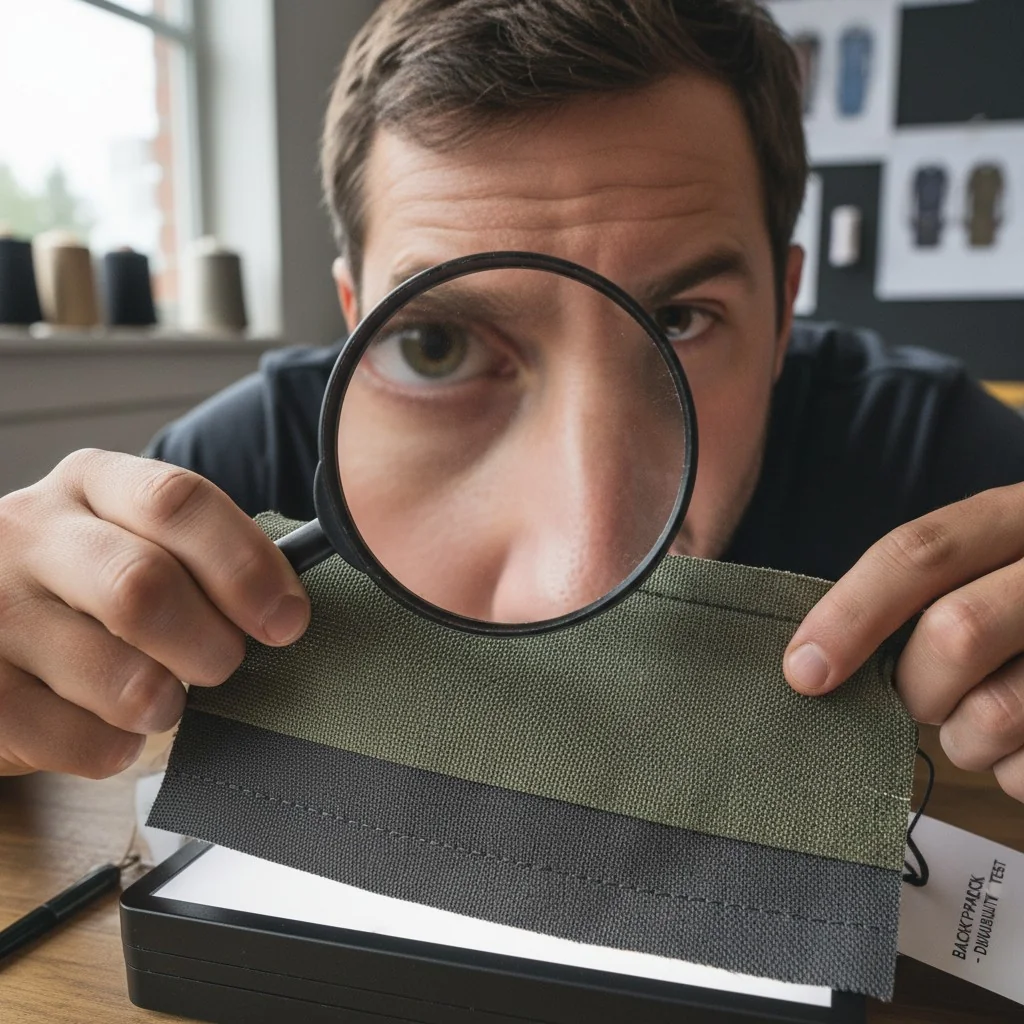
Material names alone do not guarantee performance. A “polyester backpack” could be excellent or poor depending on its fiber quality, weave, tear strength6 and finishing. Always look for test reports or brand certifications.
Key Fabric Quality Tests
The term "polyester" can describe a fabric worth $1 per yard or $10 per yard. The name means nothing without the specs. Here’s what to look for:
| Test Metric | Purpose | Good Result (Benchmark) |
|---|---|---|
| Denier (D) / Yarn Count | Measures fiber thickness & strength | 420D – 1050D for backpacks |
| GSM (Grams per m²) | Fabric weight (density of weave) | 150–300 GSM for daily, 400+ GSM for heavy-duty |
| Abrasion Resistance | Martindale / Taber rub test | 20,000+ cycles (outdoor grade) |
| Tear Strength | Resistance against rips | 15–20 N minimum |
| UV Resistance | Colorfastness under sunlight | 4–5 grade or above (ISO scale) |
| Water Resistance | Hydrostatic head / spray rating | 1,000–3,000 mm for commuter, 5,000+ mm for outdoor packs |
[claim claim=”A higher denier number always means a better quality fabric.” istrue=”false” explanation=”While a higher denier indicates a thicker yarn, it doesn’t solely determine quality. The weave, finish, and fiber quality are equally important. A well-made 500D CORDURA® can outperform a poorly made 1000D generic nylon.”]
[claim claim=”The Martindale test is used to measure a fabric’s abrasion resistance.” istrue=”true” explanation=”The Martindale test is a standard method where a fabric is rubbed until it shows signs of wear, providing a score that indicates its durability and resistance to abrasion.”]
Conclusion
Choosing the right backpack material means balancing durability, weight, cost, and style. Understanding these fabrics empowers you to create products that last and delight your customers.
People Also Ask About Backpack Materials
What is the most durable backpack material for travel?
The most durable backpack material is typically a high-denier nylon, such as 1000D CORDURA® Nylon or 1050D Ballistic Nylon. These fabrics are engineered for extreme abrasion and tear resistance, making them ideal for rough travel, outdoor use, and heavy-duty carry where maximizing long-term durability is essential.
Is polyester or nylon better for a backpack?
Nylon is generally stronger and more abrasion-resistant, making it better for heavy loads and rugged terrain. Polyester is better in bright, wet conditions because it has superior UV resistance (resists fading) and is more water-repellent, making it the better choice for budget-friendly school backpacks or bags frequently exposed to sunlight.
Why is leather used on backpack straps and trim?
Leather is used on backpack straps and trim primarily for its exceptional tensile strength and aesthetic quality. Full-grain leather can handle high stress points without tearing and develops a rich patina over time, adding a premium, classic look to the bag. It is often chosen for high-end vintage-style backpacks where style and durability are both priorities.
Is canvas a good backpack material for daily use?
Yes, canvas is a good backpack material for daily use, especially waxed cotton canvas. While standard canvas is heavy and absorbs water, the waxed version offers excellent abrasion resistance, a rugged, timeless look, and water resistance superior to basic cotton. Canvas is popular for stylish urban or college backpacks because it blends classic aesthetics with natural durability.
What is the difference between CORDURA® and Ballistic Nylon?
CORDURA® is a brand name for a range of high-performance fabrics (often nylon with air-textured yarn), known for its superior abrasion resistance and canvas-like texture. Ballistic Nylon is a specific weave pattern (a heavy, tight basket weave, usually 840D or 1050D) known for having higher tear and tensile strength. Both are top choices for heavy-duty professional backpacks, but Ballistic Nylon is typically heavier and smoother.
References
-
Find out why canvas is favored for its aesthetic and durability in lifestyle backpacks. ↩
-
Learn about the importance of UV resistance in selecting materials for outdoor backpacks. ↩
-
Understand the unique properties of Ballistic Nylon and its applications in rugged gear. ↩
-
Explore the methods used to test abrasion resistance and its significance for backpacks. ↩
-
Understand how denier impacts the strength and durability of backpack materials. ↩
-
Discover how tear strength affects the longevity and reliability of backpack materials. ↩






