


Picture this: you’re navigating a busy airport, juggling your laptop, a coffee cup, and a heavy backpack that seems to get heavier with every step. Or perhaps you’re a professional rushing between meetings, struggling to carry all your materials. In these scenarios, the right gear can make all the difference. Enter the wheeled backpack—a perfect hybrid solution that combines the convenience of rolling luggage with the functionality of a traditional backpack.
A wheeled backpack is a versatile travel companion that allows you to easily transition between carrying and rolling your belongings. It features wheels and an extendable handle, making it perfect for navigating busy environments while providing comfort and ease of transport.
Curious about how these innovative bags can enhance your travel and work experience? Let’s explore the key reasons why choosing a wheeled backpack might be the best decision for your lifestyle.
What is a Wheeled Backpack?

A wheeled backpack is a hybrid piece of luggage that combines the functionality of a traditional backpack with the convenience of rolling luggage. It typically features wheels and an extendable handle, allowing users to easily pull it along when needed. This design makes it ideal for navigating busy environments like airports or train stations.
Wheeled backpacks come in various styles, including convertible options that can be worn as a backpack or rolled like a suitcase, making them suitable for different travel needs and preferences.
What are the different types of wheeled backpacks?
Wheeled backpacks come in various types, each designed to meet different travel needs and preferences. Here are some common types:
| Type | Description |
|---|---|
| Travel Wheeled Backpacks | Spacious main compartments, multiple pockets, and often includes a laptop sleeve. Designed for travelers, they can be carried as backpacks or rolled, providing flexibility for diverse travel situations. |
| Business Wheeled Backpacks | Tailored for professionals with compartments for laptops, documents, and business essentials. Formal designs make them suitable for professional environments and work travel. |
| Hiking Wheeled Backpacks | Built for durability with storage for outdoor gear, these are hybrids of hiking packs and rolling luggage, often including rugged materials, hydration pockets, and sturdy wheels for various terrains. |
| Hybrid Wheeled Backpacks | Combines features of traditional backpacks and rolling luggage. They offer versatility and can adapt to different travel modes, useful for both urban travel and longer trips. |
| Kids’ Wheeled Backpacks | Lightweight and smaller in size, designed with children in mind, and often feature fun colors or themes. These are ideal for school or short trips. |
| Expandable Wheeled Backpacks | Feature expandable compartments, allowing extra storage space when needed. Ideal for longer trips or when carrying additional items, yet compact when not expanded. |
| Carry-On Wheeled Backpacks | Sized to meet airline carry-on standards, suitable for short trips and easily stowed in overhead compartments. Lightweight and organized for quick access to travel essentials. |
| Rolling Duffel Backpacks | A mix between duffel bags and wheeled backpacks, offering a large, spacious interior. They can be carried or rolled, making them suitable for sports, camping, or longer trips with larger items. |
What are the Key Reasons to Choose a Wheeled Backpack?
Versatility
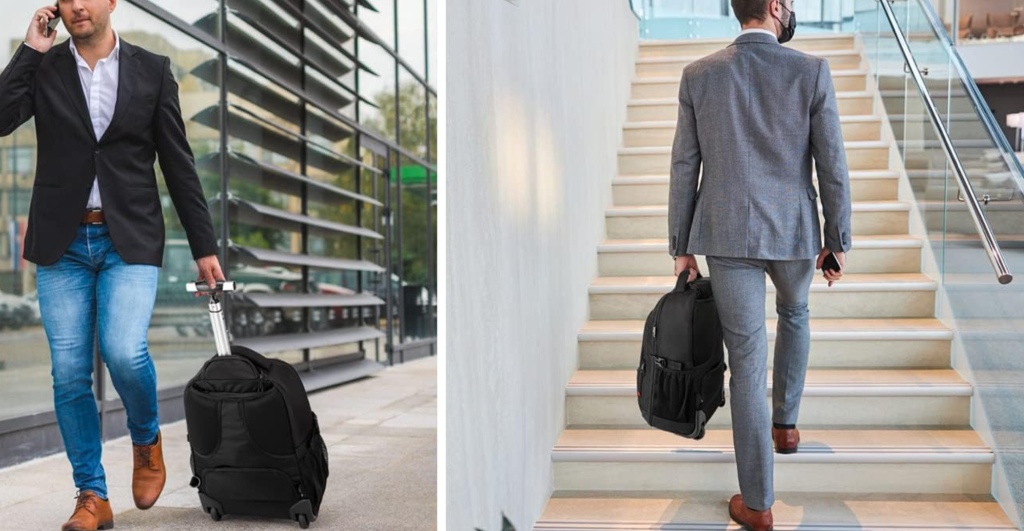
One of the most significant advantages of wheeled backpacks is their versatility. They serve dual purposes as both a backpack and wheeled luggage, making them suitable for various travel scenarios.
For instance, during business trips, you can roll your bag through the airport and then easily switch to carrying it on your back when navigating crowded city streets. Popular models like the High Sierra Freewheel Wheeled Backpack cater to different travel needs, offering features that enhance functionality.
Ergonomics & Comfort
One of the standout advantages of wheeled backpacks is their ergonomic design. Pulling a wheeled backpack instead of carrying it significantly reduces strain on your back and shoulders. This feature is especially beneficial during long commutes or travel days when fatigue can set in quickly.
Many wheeled backpacks also come with convertible straps, allowing users to switch between carrying it on their back or rolling it along the ground. This versatility ensures that you can choose the most comfortable option based on your situation. Furthermore, comfort features such as padded straps, adjustable handles, and hip belts enhance usability when worn.
Durability & Quality Materials
When investing in travel gear, durability is key. Wheeled backpacks are often made from high-quality materials like water-resistant fabrics and reinforced wheels that ensure long-lasting use. These materials are designed to withstand the rigors of travel while protecting your belongings from the elements.
Additionally, many wheeled backpacks are built to resist wear and tear from rough handling during transit. This durability makes them perfect for frequent travelers who need reliable gear that can endure various conditions.
Organization & Accessibility

Wheeled backpacks excel in organization with multiple compartments designed to keep your items neatly stored and easily accessible. These organizational pockets help travelers store electronics, clothes, office supplies, and more without hassle.
Some models open like a suitcase, allowing for easy packing and quick access to items without having to dig through everything in your bag. This thoughtful design feature enhances efficiency during travel or work situations where time is of the essence.
Space Efficiency
Wheeled backpacks are designed to maximize storage space while remaining compact. They often fit within airline carry-on regulations, allowing frequent travelers to avoid checked baggage fees and save time at the airport.
Easy Access
Many wheeled backpacks come with quick-access pockets for essentials like tickets, passports, and chargers. This feature allows travelers to grab what they need without digging through their entire bag.
Stylish Options
Modern wheeled backpacks come in various styles and designs, catering to different tastes. This allows frequent travelers to choose a bag that reflects their personal style while remaining functional.
Multi-Functionality
Some wheeled backpacks are designed for specific purposes, such as business travel or outdoor adventures. This multi-functionality means that travelers can find a bag that meets their unique needs, whether for work or leisure.
Wheeled Backpacks vs. Other Travel Gear
Wheeled Backpacks vs. Traditional Backpacks
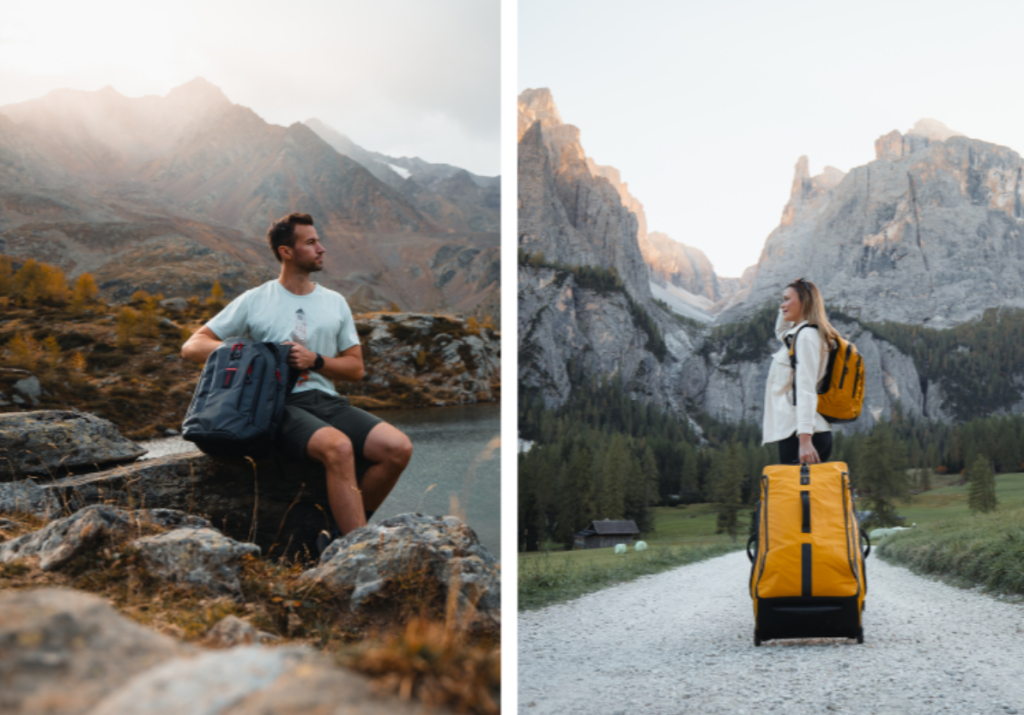
When comparing wheeled backpacks to traditional backpacks, each option has its pros and cons.Wheeled backpacks offer the convenience of rolling when needed but may be bulkier than standard backpacks when worn on your back.
Traditional backpacks are generally lighter and more comfortable for long hikes or uneven terrain but lack the versatility of wheels.Best use cases for each type depend on your travel style: if you frequently navigate urban environments with smooth surfaces, a wheeled backpack may be ideal; however, if you often hike or traverse rugged terrain, a traditional backpack might be more suitable.
| Feature | Wheeled Backpacks | Traditional Backpacks |
|---|---|---|
| Ease of Transport | Easy to roll, reducing strain | Requires carrying, can be strenuous |
| Weight | Generally heavier due to wheels and frame | Typically lighter and more compact |
| Storage Capacity | Often has multiple compartments | Limited compartments, may be less organized |
| Versatility | Can be carried or rolled | Primarily carried |
| Comfort | Padded straps and ergonomic handles | Often designed for comfort with support |
| Mobility | Great for urban environments | Better for hiking and rugged terrain |
| Durability | Made from weather-resistant materials | Varies, but often durable |
| Appearance | More casual, may lack formal look | Available in various styles, often more formal |
| Packing Efficiency | Can fit within carry-on regulations | May require more careful packing |
| Best Use Cases | Business trips, urban travel | Outdoor activities, casual travel |
Wheeled Backpacks vs. Suitcases
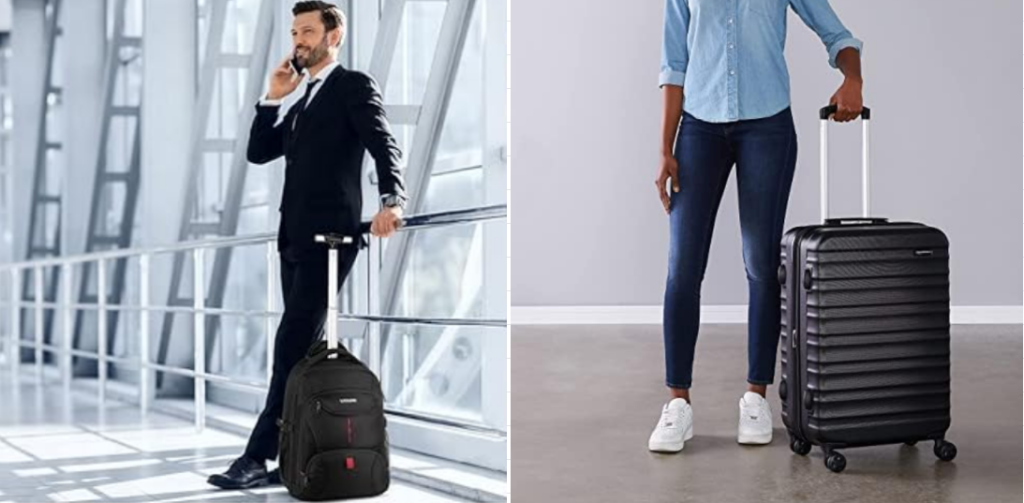
Wheeled backpacks also differ from suitcases in terms of space efficiency and ease of transport.While suitcases can offer more structured storage for clothing and larger items, they can be cumbersome in crowded areas where maneuverability is essential.
Wheeled backpacks provide greater flexibility in transport; they can be carried like a backpack when needed while still offering ample storage space for clothes and accessories.Ideal scenarios for each type depend on your specific travel needs: choose a wheeled backpack for mixed environments where both carrying and rolling are necessary; opt for a suitcase when traveling primarily by car or staying in one location.
| Feature | Wheeled Backpacks | Suitcases |
|---|---|---|
| Ease of Transport | Easy to roll, can be carried on back | Primarily rolled, not carried on back |
| Weight | Generally lighter than large suitcases | Can be heavier, especially hard-shell models |
| Storage Capacity | Moderate storage with organizational features | Larger storage capacity for extended trips |
| Versatility | Can switch between rolling and carrying | Fixed design, primarily for rolling |
| Mobility | Great for crowded spaces, stairs, and uneven terrain | Best on flat surfaces, can be cumbersome in tight areas |
| Durability | Made from weather-resistant materials | Hard-shell options provide better protection for fragile items |
| Packing Efficiency | Fits within carry-on regulations | Varies; larger suitcases may require checked baggage |
| Appearance | More casual, may lack formal look | Available in a variety of styles, often more polished |
| Organization | Multiple compartments for easy access | May have dividers but generally less organized than backpacks |
| Best Use Cases | Short trips, urban travel, business travel | Longer vacations, family trips, and when packing more items |
Competitor Analysis
In the growing market of wheeled backpacks, several leading brands stand out:
- Osprey: Known for their durability and comfort features.
- High Sierra: Offers budget-friendly options with solid performance.
- The North Face: Renowned for stylish designs combined with functionality.
Key features that set these brands apart include price points, warranty offerings, and customer reviews highlighting user experiences with different models. Recent market research indicates trends toward increased consumer preference for versatile travel gear that combines functionality with style.
How do I choose the right size for a wheeled backpack?
Choosing the right size depends on your intended use. For daily commuting or school, a smaller model (20-30L) should be sufficient. For travel, especially longer trips, consider larger sizes (40L or more), but make sure they meet airline carry-on dimensions if you plan to fly with them. Here’s a breakdown to help you select the ideal size for your purposes:
Summary Table
| Primary Use | Recommended Capacity | Notes |
|---|---|---|
| Daily Commute or School | 20-30 liters | Compact and organized; laptop sleeves and pockets for essentials. |
| Weekend/Short Business Trips | 30-40 liters | Enough space for clothing, electronics, and toiletries. |
| Extended Travel (1+ weeks) | 40-60 liters | Large capacity, ideal for travelers with multiple packing needs. |
| Carry-On | 35-45 liters | Check airline guidelines; compact enough for overhead compartments. |
| Expandable | Varies | Adds flexibility by increasing storage for longer trips when needed. |
1. Consider Your Primary Use Case
- Daily Commute or School: For commuting or school use, a smaller wheeled backpack (around 20-30 liters) is generally sufficient. This size is perfect for carrying essentials such as a laptop, books, lunch, and personal items. Models designed for business or academic use often include laptop sleeves and organizational compartments.
- Weekend Trips or Short Business Travel: For short trips, such as weekend getaways or overnight business trips, look for a mid-sized wheeled backpack (typically 30-40 liters). This size provides space for a change of clothes, toiletries, and electronics while remaining compact enough for convenient transport.
- Longer Vacations or International Travel: If you’re traveling for a week or more, especially internationally, a larger wheeled backpack (40-60 liters) may be the best choice. Many larger wheeled backpacks include expandable compartments, providing extra space when needed and allowing you to pack efficiently without needing an additional suitcase.
2. Check Airline Carry-On Regulations
If you plan to use your wheeled backpack as a carry-on, be sure to check airline size limits. Most airlines allow carry-ons up to 22 x 14 x 9 inches (around 35-45 liters in volume), but these dimensions can vary by airline and destination. Choosing a backpack specifically labeled as “carry-on compliant” ensures it will fit in overhead compartments on most flights
3. Think About Weight and Portability
Larger wheeled backpacks can accommodate more, but they’re also heavier, which can be challenging if you frequently need to lift or carry them. Consider how comfortable you are carrying a backpack of a specific size and whether you’ll mostly use the rolling feature or occasionally wear it on your back. For those who may need to lift or carry it frequently, a smaller, lighter model might be more practical
4. Factor in Organizational Needs
For users with multiple devices or those who carry both work and personal items, a well-organized wheeled backpack with multiple compartments is essential. A size between 30-45 liters often offers the best balance of space and compartmentalization, allowing you to separate work essentials from personal items without adding unnecessary bulk
5. Account for Expandable Features
Some wheeled backpacks offer expandable compartments, providing extra room when you need it. If you’re looking for flexibility, an expandable model might be the ideal choice since it allows you to adjust the capacity based on your trip length or packing needs. This feature is especially useful for longer trips where you may need extra room for souvenirs or additional clothing
Selecting the right size ensures that your wheeled backpack meets your needs without adding unnecessary weight or bulk, making it a versatile companion for any journey.
What Ideal Features Should You Look for in a Wheeled Backpack?
Have you ever found yourself frustrated with a backpack that just doesn’t meet your travel needs? The wrong features can lead to discomfort and inconvenience, especially when you’re on the go. Choosing a wheeled backpack with the right features can significantly enhance your travel experience, making it more enjoyable and hassle-free.
When selecting an ideal wheeled backpack, consider essential features such as sturdy wheels for smooth maneuverability, comfortable ergonomic handles, and durable materials that withstand wear and tear. Additionally, look for organizational compartments that make packing and accessing your belongings easier.
Ready to discover which specific features will elevate your travel game? Let’s dive deeper into the ideal characteristics to look for in a wheeled backpack.
Wheel Quality
Sturdy wheels are essential for smooth movement. Look for durable wheels, especially oversized or all-terrain options that provide better maneuverability across different surfaces. High-quality wheels will enhance your overall experience by making it easier to navigate through crowded areas or uneven terrain.
Comfortable Straps and Handles
Ergonomic handles are crucial for comfort during extended use. Choose models with adjustable handles that fit your height comfortably while providing good grip during transport. Additionally, consider strap designs that allow you to switch between carrying modes easily—many models feature straps that can be hidden away when using wheels.
Durability & Water Resistance
Opt for backpacks made from high-density nylon or polyester that offer water resistance and durability against harsh conditions. These materials will protect your belongings from moisture while ensuring that your bag withstands daily wear and tear.
What are the disadvantages of rolling /Wheeled backpacks?(and How Can You Overcome Them)?
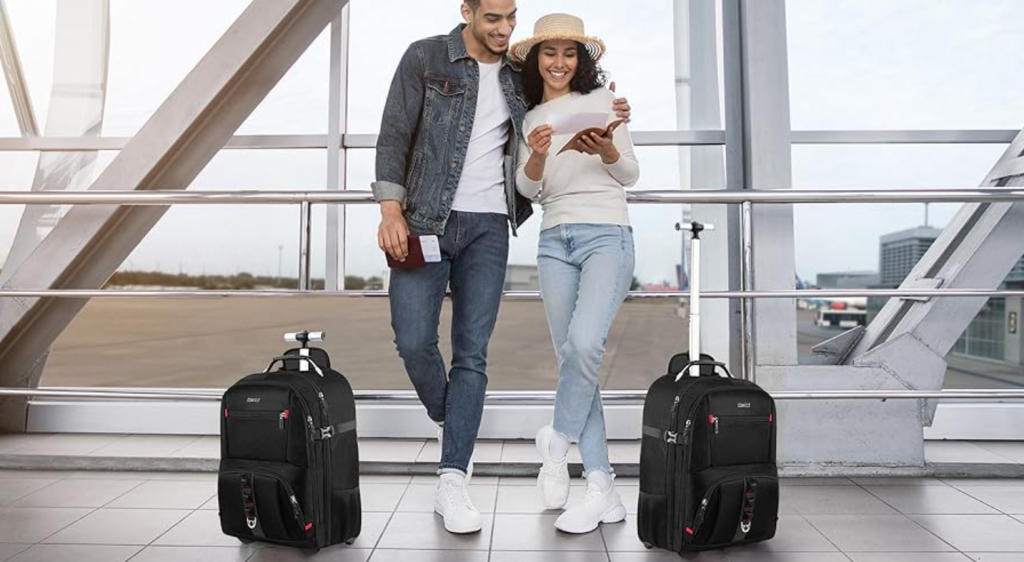
While wheeled backpacks offer many advantages, they also come with some notable drawbacks that can impact your travel experience. Have you ever found yourself struggling with a bag that was too heavy or uncomfortable to carry? Understanding these challenges is essential for making an informed choice about your travel gear.
Disadvantages of wheeled backpacks include added weight, limited comfort when worn as a backpack, and bulkiness that can make them less suitable for certain travel situations. However, there are ways to mitigate these issues and choose the right bag for your needs.
Curious about how to navigate these challenges? Let’s explore the common drawbacks of wheeled backpacks and discover effective strategies to overcome them.
What Are the Main Drawbacks of Wheeled Backpacks?
1). Is Weight a Significant Concern?
One of the most common issues with wheeled backpacks is their weight. Wheeled backpacks tend to be heavier than traditional backpacks or rolling duffel bags, primarily due to the wheels, frame, and additional materials used in their construction. This added weight can be problematic, especially if you’re trying to keep your luggage under airline weight limits or if you need to carry it for extended periods.
To overcome this challenge, look for lightweight models specifically designed to minimize weight without sacrificing durability. Many brands now offer lightweight wheeled backpacks that provide the functionality you need without the extra bulk.
2). How Comfortable Are They When Worn as a Backpack?
Comfort is another area where wheeled backpacks may fall short. Many models lack sufficient padding and ergonomic support, making them uncomfortable to wear for long durations. The shoulder straps may not be designed for heavy loads, leading to discomfort or strain on your shoulders and back.
To address this issue, consider investing in a high-quality wheeled backpack with well-padded shoulder straps and an adjustable harness system. Some models also feature additional support elements like hip belts or sternum straps, which can help distribute weight more evenly when carrying the bag.
3). Do They Take Up More Space?
Wheeled backpacks can also be bulkier than standard backpacks, which may pose challenges in tight spaces, such as airplane aisles or crowded public transport. The wheels and frame contribute to a less flexible design, making it harder to fit them into overhead compartments or under seats.
To mitigate this drawback, opt for compact designs that maximize space efficiency without compromising on functionality. Look for models that open like a suitcase for easy packing and organization, allowing you to make the most of the available space.
4). Are They Suitable for All Travel Conditions?
Wheeled backpacks may not be ideal for all travel conditions, particularly in areas with rough terrain or uneven surfaces where rolling is impractical. For instance, cobblestone streets or hiking trails can make it difficult to maneuver a wheeled backpack effectively.
To overcome this limitation, consider choosing a hybrid model that offers both wheels and traditional backpack straps. This way, you can easily switch between rolling and carrying modes based on your environment.
Conclusion: Is a Wheeled Backpack Right for You?
In summary, wheeled backpacks offer numerous benefits that cater perfectly to both travel and professional use. They provide effortless mobility, ergonomic comfort, durability against wear and tear, and organized storage options—all essential features for today’s active lifestyle.
If you’re looking for a versatile solution that combines convenience with functionality—whether you’re commuting to work or embarking on an adventure—consider exploring wheeled backpacks that match your needs!
FAQs (Frequently Asked Questions)
Can wheeled backpacks fit in overhead compartments?
Yes! Most wheeled backpacks are designed within airline carry-on size limits, making them suitable for overhead compartments on flights.
Are wheeled backpacks suitable for rough terrains or hiking?
While they excel on flat surfaces like airports and city streets, wheeled backpacks are not ideal for rough terrains or hiking due to their design limitations.
How much weight can a wheeled backpack carry comfortably?
The weight capacity varies by model; however, most wheeled backpacks comfortably carry between 30-50 pounds (13-23 kg). Always check manufacturer specifications before loading up! This article provides an engaging overview while addressing common questions about why choosing a wheeled backpack is essential! If there are any additional adjustments you’d like me to make or further keywords you’d like included, just let me know!
Is a rolling backpack better than a regular backpack?
Rolling backpacks can be better than regular backpacks in many situations, particularly when carrying heavy loads or traveling long distances. They reduce back and shoulder strain, making them ideal for airport travel, business commuting, and school use. However, regular backpacks may be preferred for activities requiring agility and movement, such as hiking or cycling, where wheels could be cumbersome.
What are the main benefits of a wheeled backpack?
Wheeled backpacks offer several advantages, including reduced strain on your back and shoulders, flexibility to switch between rolling and carrying, and often additional compartments for better organization. They are especially useful for travelers who navigate crowded spaces like airports and professionals who need to carry laptops and documents.
Do wheeled backpacks cost more than regular backpacks?
Yes, wheeled backpacks generally cost more due to the added components like wheels, retractable handles, and reinforced frames. Prices vary based on brand, size, and additional features, but the investment can be worthwhile for users who need the added flexibility and ergonomic benefits.
What’s the difference between a hybrid wheeled backpack and a traditional wheeled backpack?
Hybrid wheeled backpacks combine features of both a regular backpack and rolling luggage, allowing you to switch between carrying and rolling more seamlessly. Traditional wheeled backpacks are often more rigid and less suited for extended carrying, whereas hybrids provide more comfort for wearing on your back






