Travel has changed. With stricter airline carry-on size limits and a growing demand for convenience, the carry-on backpack has become essential for modern travelers.
As a frequent traveler, I know the challenge of finding a bag that fits airline restrictions yet holds all your essentials. A carry-on backpack meets those needs—it’s compact enough to meet most size requirements but spacious enough for everything you need, without sacrificing comfort or style.
These backpacks are more than just luggage; they offer a practical, ergonomic solution for travelers. Whether you’re on a business trip, a weekend getaway, or an adventure, the carry-on backpack provides the flexibility and efficiency you need.
In this blog, we’ll explore why carry-on backpacks are so popular, how they work, and how to choose the best one for your travels.
What Is a Carry-On Backpack?
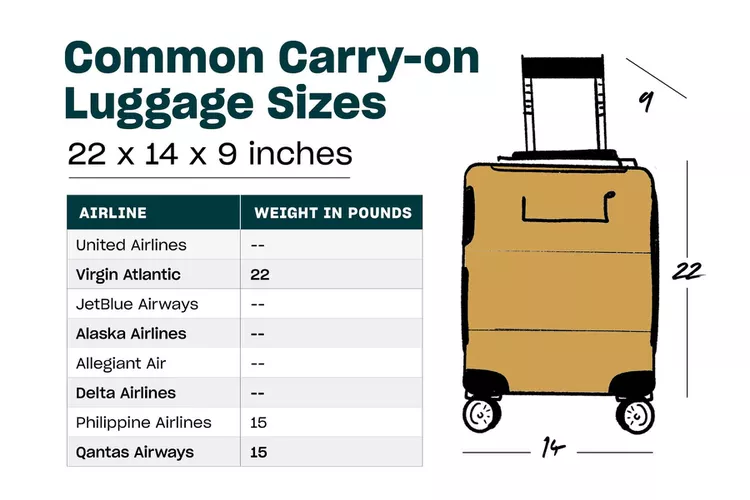
A carry-on backpack is a compact travel bag designed to fit airline size limits, typically measuring 22 x 14 x 9 inches (56 x 36 x 23 cm). It usually weighs between 15-22lbs, depending on the airline, and is small enough to fit in the overhead bin. Ideal for short trips, business travel, or avoiding checked baggage fees, it offers hands-free convenience while meeting carry-on requirements for most airlines.
The beauty of a carry-on backpack lies in its ability to balance size, convenience, and flexibility. It allows you to navigate through busy airports with ease, ensuring you have everything you need within reach without the bulk of larger luggage.
In the next section, we’ll explore the key features that make an ideal carry-on backpack. Understanding these essential elements will help you choose a bag that not only meets airline requirements but also offers comfort, organization, and durability for your travels.
What Are the Key Features of an Ideal Carry-On Backpack?
Frustrated with choosing the right carry-on backpack? You need a bag that fits airline requirements while offering comfort, organization, and durability. Let’s explore the essential features that make an ideal travel companion.
The ideal carry-on backpack should be compact enough to meet size restrictions, yet spacious enough to hold your essentials. Key features include water-resistant materials, organizational compartments, padded straps, and security enhancements like RFID-blocking pockets.
Ready to find out what features you shouldn’t compromise on? Let’s dive deeper into each one.
Size and Capacity
The ideal carry-on backpack should fit within the standard airline size limits, typically 22 x 14 x 9 inches (56 x 36 x 23 cm), and offer 25 to 40 liters of space. This provides just enough room for your essentials without being too bulky.
Durable and Water-Resistant Materials
Look for backpacks made from high-quality, water-resistant materials like nylon or polyester. This ensures your gear stays protected from the elements, especially when traveling through rainy or humid environments.
Organizational Compartments
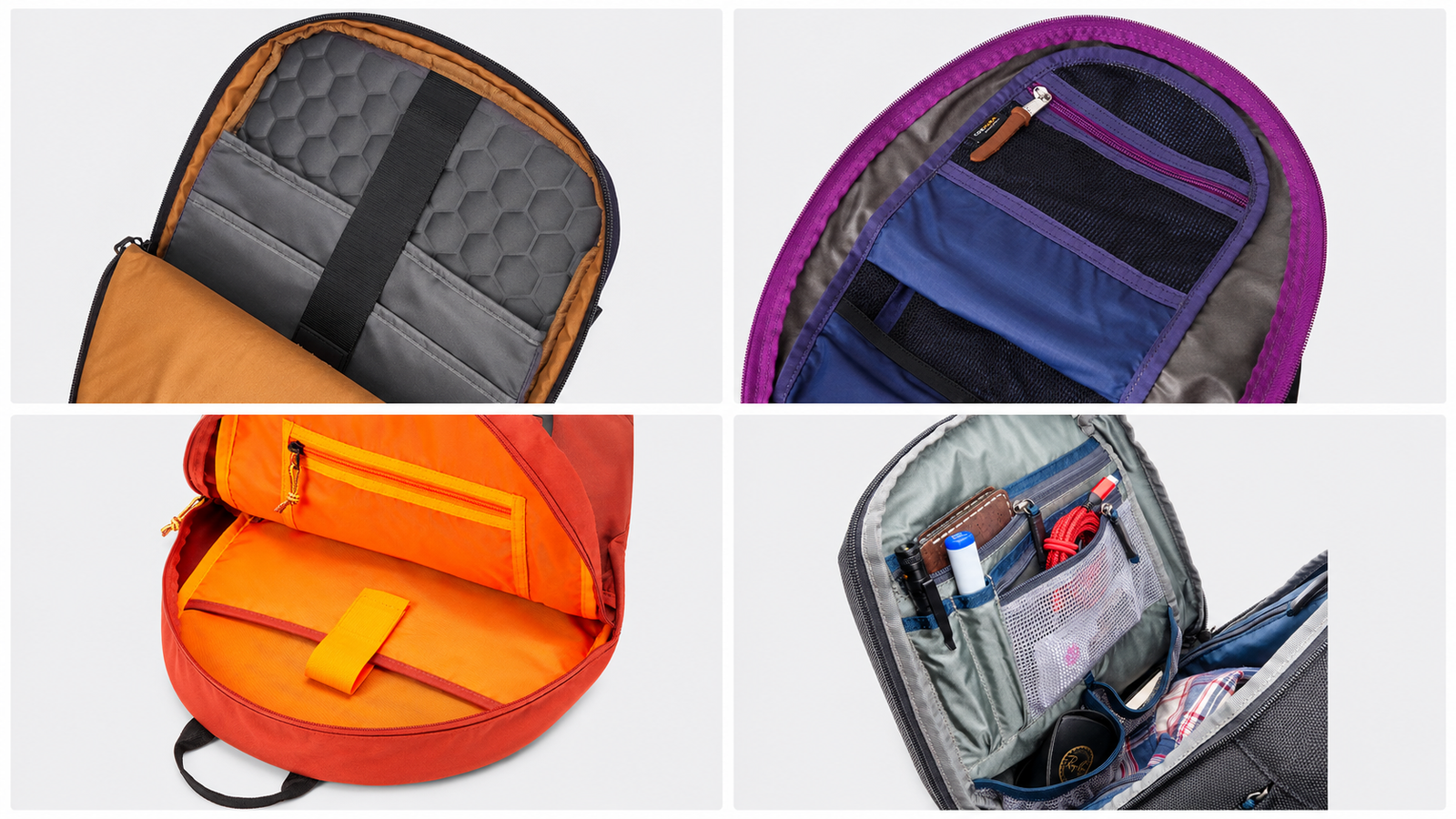
A well-designed carry-on backpack should offer multiple compartments to keep everything organized. Features like a laptop sleeve, hidden pockets for valuables, side pockets for water bottles, and front-loading zippers for easy access can make packing and unpacking seamless.
Comfortable Carrying System
Since you’ll likely be wearing the backpack for long stretches, comfort is essential. Look for padded shoulder straps, an ergonomic back panel, and breathable mesh to reduce heat and sweat. Chest and waist straps can also help distribute weight more evenly, easing the load on your shoulders.
Expandability
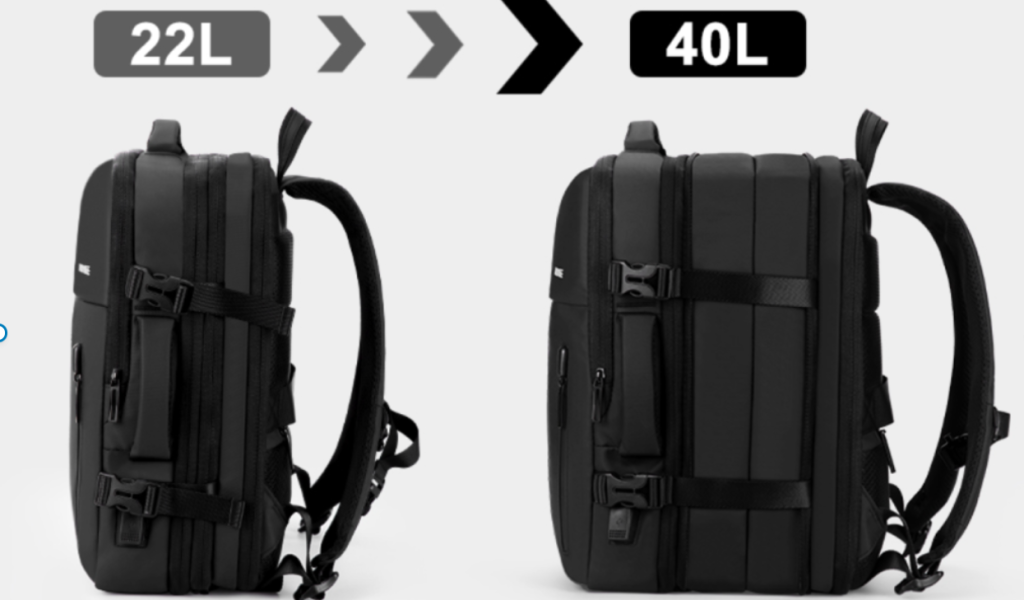
Some carry-on backpacks offer expandable zippers or adjustable compartments, allowing you to increase the bag’s capacity when needed, without exceeding airline restrictions.
Security Features
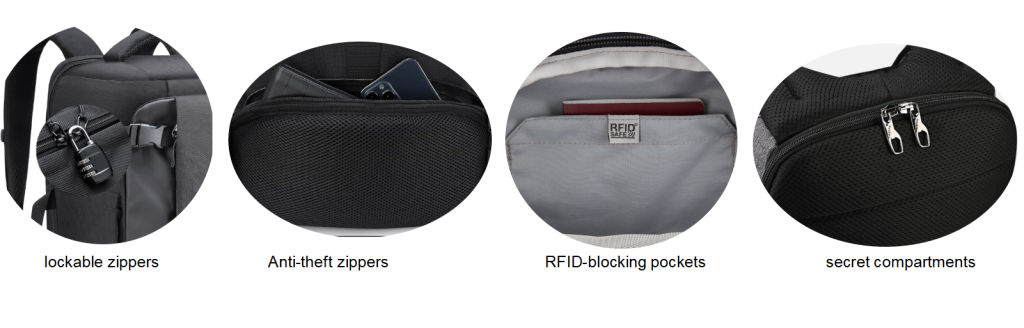
Traveling can sometimes feel risky, but an ideal carry-on backpack offers added security features like Anti-theft zippers,RFID-blocking pockets, lockable zippers, or secret compartments to keep your belongings safe.
With these features in mind, a carry-on backpack can provide the perfect balance of convenience, comfort, and practicality for modern travelers. Next, we’ll dive into how to choose the best carry-on backpack for your specific needs.
How to Choose the Right Carry-On Backpack for Every Travel Needs?
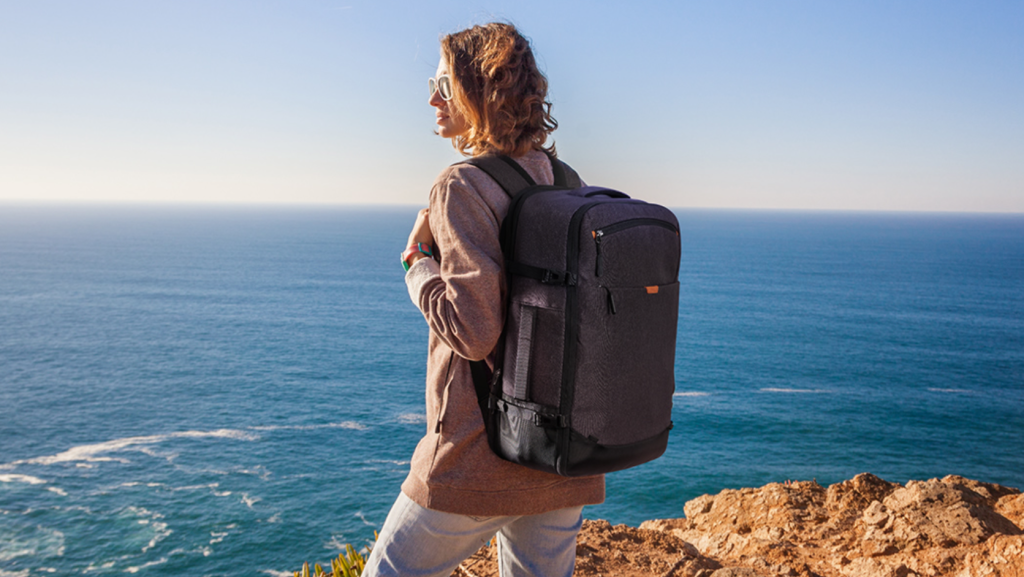
Selecting the perfect carry-on backpack is crucial for ensuring a smooth travel experience. With a myriad of options available, it can be overwhelming to determine which backpack best suits your specific travel style and needs. As an expert in the travel gear industry, I’ve compiled essential criteria to help you make an informed decision. Whether you’re a business traveler, a weekend adventurer, or someone who enjoys spontaneous getaways, here’s how to choose the right carry-on backpack for every travel scenario.
For Business Travel
Business travelers require backpacks that strike a balance between functionality and professionalism. When selecting a carry-on backpack for work-related trips, consider the following features:
- Dedicated Laptop Compartment: Look for a backpack with a padded compartment that securely fits your laptop. This feature not only protects your device but also allows for easy access during security checks.
- Organizational Pockets: A well-organized interior with pockets for documents, pens, business cards, and other essentials is crucial. This helps keep everything in place and easily accessible when you need it.
- Professional Design: Opt for a sleek and understated design that complements business attire. Neutral colors like black or navy are often best for maintaining a professional appearance.
- Comfort Features: Since business travelers may spend long hours on the go, ensure the backpack has ergonomic features such as padded shoulder straps and back panels for added comfort.
For Short-Term Travel
Weekend getaways or short trips require a different approach when choosing a carry-on backpack. Here are some key considerations:
- Lightweight Design: Choose a lightweight backpack that won’t add unnecessary bulk to your travel gear. This is especially important if you plan to do a lot of walking or exploring.
- Sufficient Storage Space: While you want to keep it compact, ensure the backpack has enough capacity to hold essentials for a couple of days. Look for models with expandable compartments or external pockets for quick access to items like water bottles or snacks.
- Versatile Style: A versatile design that can transition from day to night is ideal. Consider backpacks that can double as daypacks during your travels.
- Easy Packing Features: Look for backpacks with top-loading openings or clamshell designs that allow you to pack efficiently and access your items easily.
For Outdoor Adventures
If you’re an adventure enthusiast who enjoys hiking, camping, or other outdoor activities, your carry-on backpack needs to be rugged and functional. Here’s what to look for:
- Durable Materials: Opt for backpacks made from high-quality, water-resistant materials such as ripstop nylon or polyester. These fabrics withstand wear and tear from outdoor conditions.
- Comfortable Fit: Ensure the backpack has adjustable straps and a hip belt to distribute weight evenly during hikes. Ventilated back panels can also enhance comfort on warm days.
- Multiple Compartments: Look for backpacks with various compartments to organize gear efficiently. Features like hydration reservoir sleeves or external attachment points for trekking poles can be beneficial.
- Weather Resistance: Consider backpacks with built-in rain covers or waterproof zippers to protect your belongings from unexpected weather changes.
For Family Travel
Traveling with family requires careful planning and organization. When selecting a carry-on backpack suitable for family trips, consider these features:
- Ample Storage Space: Choose a larger backpack with enough capacity to accommodate essentials for both adults and children. Compartments should be spacious enough to hold clothing, snacks, toys, and other necessities.
- Kid-Friendly Features: If traveling with young children, look for backpacks with easy-access pockets for snacks or toys that can keep them entertained during long journeys.
- Durability: Family trips can be demanding on gear; therefore, opt for backpacks made from durable materials that can withstand rough handling by kids.
- Comfortable Carrying Options: Ensure the backpack has padded shoulder straps and back support since parents may need to carry additional weight while managing children’s needs.
Avoiding Common Pitfalls
While choosing the right carry-on backpack is essential, there are some common pitfalls travelers should avoid:
- Oversized Designs: Be mindful of airline carry-on size restrictions when selecting your backpack. An oversized bag can lead to extra fees or inconvenience at check-in.
- Overly Complicated Features: While innovative designs are appealing, avoid backpacks with too many compartments or features that could complicate packing and accessing your belongings.
- Ignoring Comfort Needs: Don’t overlook comfort features such as padded straps and breathable materials—especially if you plan on carrying your bag for extended periods.
Choosing the right carry-on backpack tailored to your travel needs can significantly enhance your overall experience. By considering factors such as purpose (business vs. leisure), storage capacity, comfort features, and durability, you’ll be better equipped to find the perfect bag that meets your requirements.
With the right carry-on backpack in tow, you’ll be ready to tackle any journey—whether it’s a quick business trip, an adventurous weekend getaway, or a family vacation—confidently and stylishly. Remember, investing time in selecting the right gear will pay off in convenience and enjoyment throughout your travels!
When choosing the best carry-on backpack, you can refer to some professional backpack reviews: The Wirecutter: Best Carry-on Backpacks
How Do I Measure the Right Size for a Carry-On Backpack?
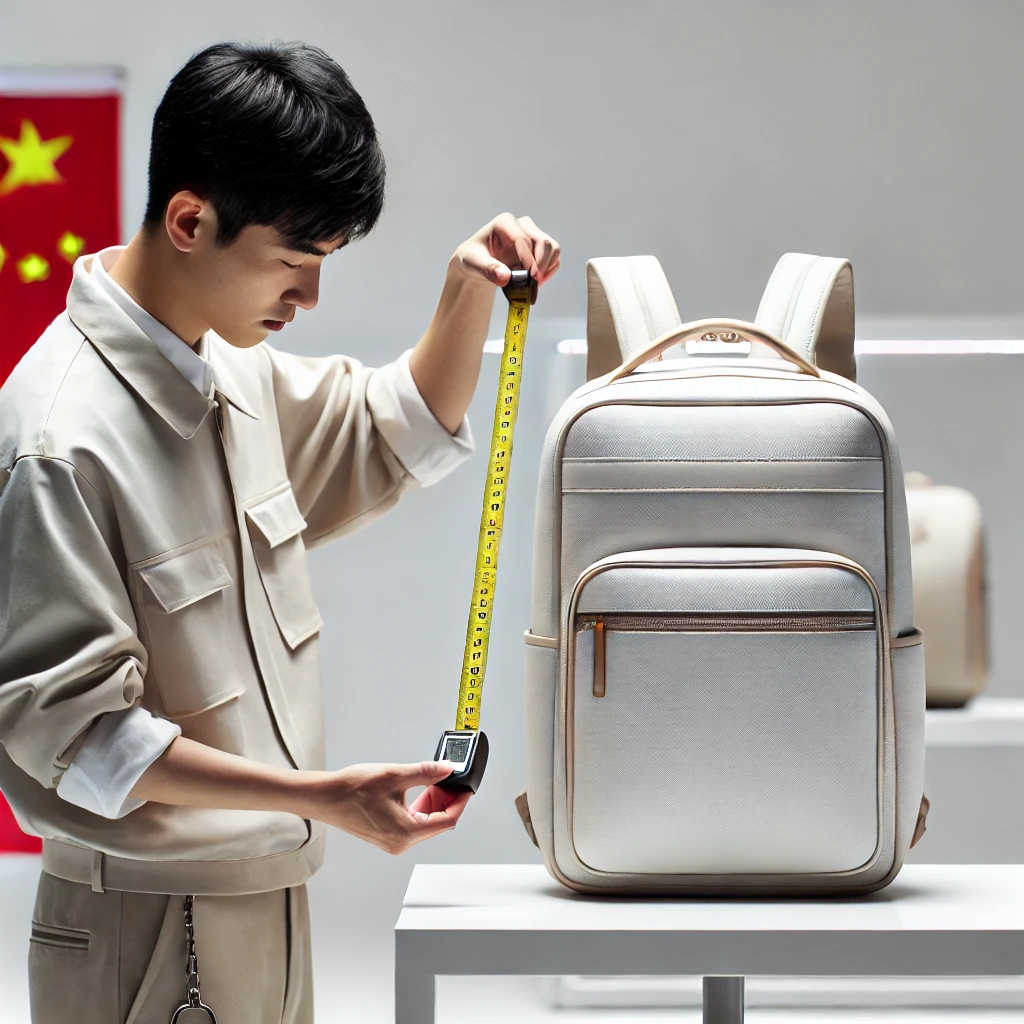
One of the most important factors when choosing a carry-on backpack is ensuring that it meets the airline’s size and weight regulations. Measuring your backpack correctly is essential to avoid any unexpected surprises at check-in. In this section, we’ll walk you through how to measure your backpack and make sure it’s the perfect size for travel.
Know Airline Carry-On Size Restrictions
Before measuring your backpack, familiarize yourself with the carry-on size restrictions set by the airlines you plan to fly with. Most airlines have specific dimensions for carry-on luggage, typically ranging from 22″ x 14″ x 9″ (56 cm x 36 cm x 23 cm) to slightly larger sizes. However, these dimensions can vary, so it’s essential to check the specific requirements of each airline.
Measuring Your Backpack
To accurately measure your carry-on backpack, follow these steps:
- Gather Your Tools: You’ll need a flexible measuring tape (like the kind used in sewing) or a standard ruler.
- Find a Flat Surface: Lay your backpack on a flat surface, ensuring it’s empty and unzipped for accurate measurements.
- Measure Height: Stand the backpack upright on its base. Measure from the bottom of the bag to the highest point of the bag (usually the top of the main compartment). This measurement is your height.
- Measure Width: Next, measure across the widest part of the bag from one side to the other. This measurement is your width.
- Measure Depth: Finally, measure from the front of the bag to the back (the depth). This is typically measured at its fullest point, which may be at the bottom or middle of the bag.
Consider Additional Features
When measuring your carry-on backpack, keep in mind that certain features can affect its overall size:
- Pockets and Compartments: External pockets or side compartments can add to the overall dimensions. Make sure to include these in your measurements if they are not compressible.
- Expandable Sections: Some backpacks come with expandable compartments that allow for extra storage when needed. If you plan to use this feature, measure it in both its compressed and expanded states.
- Straps and Handles: If your backpack has external straps or handles that protrude significantly, consider their impact on size when measuring. While they may not contribute directly to capacity, they can affect how well your bag fits in overhead compartments or under seats.
Test Fit with Airline Guidelines
Once you have your measurements, compare them against airline guidelines:
- Check Dimensions Against Airline Policies: Check Dimensions Against Airline Policies: Ensure that your backpack’s dimensions fall within the acceptable range for carry-on luggage according to your chosen airline. For a comprehensive guide on carry-on luggage sizes and restrictions by various airlines, refer to this resource: KAYAK’s Carry-On Luggage Size Guide
- Use a Carry-On Size Checker: Some airports provide carry-on size checkers—devices that allow you to test whether your bag meets size restrictions before boarding. If available, use one of these tools for peace of mind. For more information on where to find baggage sizers at airports, check out this article on Travel + Leisure’s Airline Carry-On Size Guide
Packing Considerations
Even if your backpack meets size requirements, consider how you plan to pack it:
- Weight Limitations: Airlines often impose weight limits on carry-on luggage as well. Ensure that you can comfortably pack all necessary items without exceeding these limits.
- Packing Techniques: Utilize packing cubes or compression bags to maximize space and keep your items organized within your carry-on backpack. This will help you make the most of every inch while adhering to size restrictions.
What Materials Are Best for Durable Carry-On Backpacks?
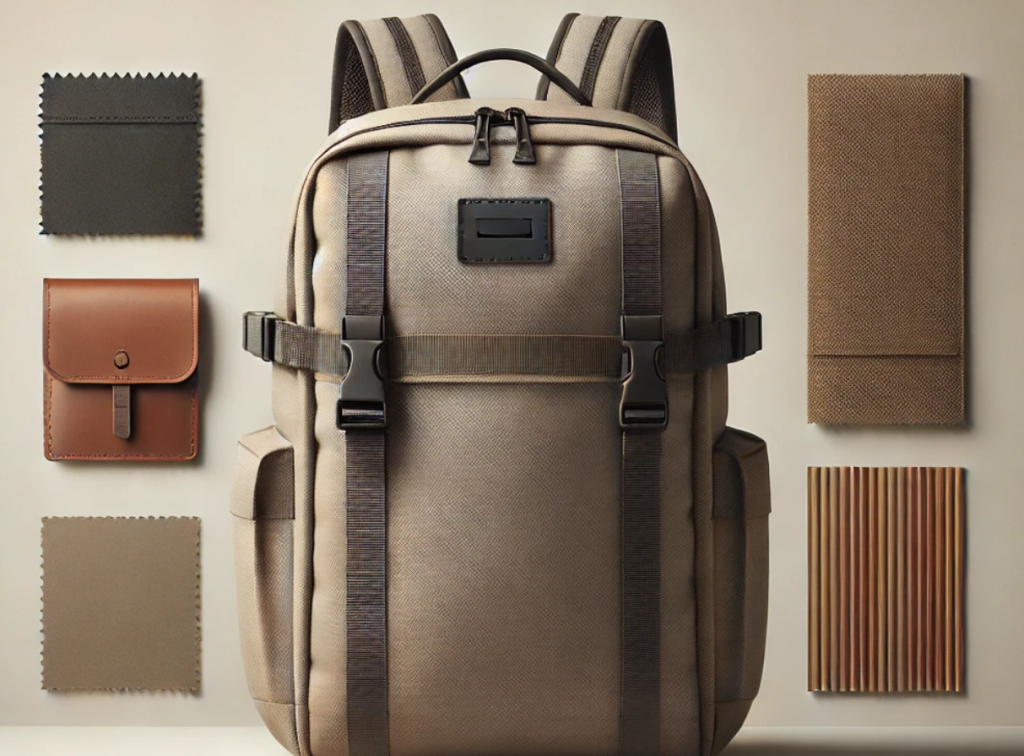
When selecting a carry-on backpack, durability is a top priority. After all, your bag needs to withstand the rigors of travel—from being tossed in overhead compartments to enduring weather conditions or rough handling. Choosing the right materials will ensure your carry-on backpack lasts longer and performs better. Let’s take a look at the most durable materials used in carry-on backpacks.
Nylon (Cordura or Ballistic Nylon)
Nylon is one of the most popular materials for backpacks due to its strength, resistance to wear and tear, and relatively lightweight nature. Cordura nylon and ballistic nylon are two premium variations that are highly resistant to abrasions, tears, and punctures. These materials can handle the stress of long-term travel and are often used in military or tactical backpacks, making them an excellent choice for durability.
- Pros: Lightweight, tear-resistant, durable.
- Cons: Can be less water-resistant unless treated.
Polyester
Polyester is another common material for backpacks, offering great resistance to shrinking and stretching. It’s also more affordable than nylon, making it a popular choice for budget-friendly options. While not as durable as nylon, high-denier polyester (especially in higher thread counts like 600D or 1200D) can offer good durability and water resistance.
- Pros: Affordable, water-resistant, lightweight.
- Cons: Less abrasion-resistant than nylon.
Ripstop Fabric
Ripstop fabric, usually made from nylon or polyester, is woven with a special reinforcing technique that makes it resistant to tearing. Small, grid-like patterns in the fabric prevent a tear from spreading, which can be crucial for backpacks that are constantly exposed to rough conditions, like trekking or city commuting. Many high-end travel backpacks incorporate ripstop fabric in high-stress areas for extra durability.
- Pros: Resistant to tearing and ripping, lightweight.
- Cons: Can be less soft or flexible than standard fabrics.
Leather (Full-Grain or Top-Grain)
For travelers seeking a stylish yet durable option, leather backpacks offer a timeless look with excellent longevity. Full-grain leather is the most durable, developing a patina over time, while top-grain leather is slightly more flexible and smooth. Leather is great for everyday travel and offers a premium feel, but it does require more maintenance (cleaning and conditioning) to maintain its appearance and water resistance.
- Pros: Timeless style, durable, ages well.
- Cons: Heavier, requires more care, expensive.
Waterproof or Water-Resistant Materials
For travelers who often venture into rainy or humid environments, having a waterproof backpack is essential. Materials like PVC-coated fabrics, TPU (thermoplastic polyurethane), or waterproof zippers are often used in backpacks designed for wet conditions. While they provide excellent water resistance, backpacks made from these materials tend to be bulkier and less breathable.
- Pros: Keeps belongings dry, ideal for rainy climates.
- Cons: May be heavier, less breathable.
EVA Foam (Ethylene Vinyl Acetate)
For added durability and protection, EVA foam is sometimes used for structural support in backpacks, especially for laptop or camera compartments. This lightweight foam provides cushioning to protect delicate electronics from bumps and drops. While EVA is not a fabric used for the main body of the backpack, it plays a key role in making specific compartments more durable.
- Pros: Excellent for padding and protection, lightweight.
- Cons: Not suitable as the main material for the entire backpack.
Waxed Canvas
For a more rugged, vintage look, waxed canvas offers a durable, water-resistant fabric that’s naturally resistant to wear and tear. While not as modern or sleek as other materials, waxed canvas offers a natural, timeless appeal. It’s ideal for travelers who want a durable backpack that stands the test of time and improves with age.
- Pros: Water-resistant, durable, ages well.
- Cons: Can be heavier, requires maintenance to keep waterproof.
Which Material Is Best for You?
Choosing the best material for your carry-on backpack depends on your travel style, destination, and personal preferences.
For frequent flyers, nylon or polyester with ripstop reinforcement is often the best option for its durability and lightweight nature. If you’re more style-conscious and plan on using your bag for business travel, leather or waxed canvas can offer both durability and an upscale look.
For adventure travelers who face various weather conditions, waterproof materials or EVA foam are worth considering for extra protection.
Why Are Carry-On Backpacks Essential for Modern Travelers?
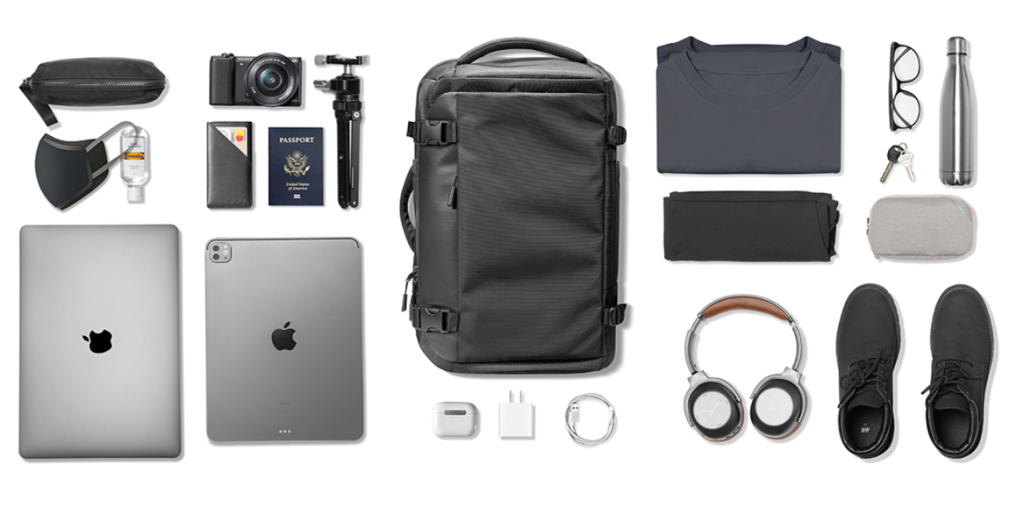
The demand for compact and efficient travel options has escalated in recent years due to strict luggage size regulations. As travelers become more discerning about their gear, they seek multi-functional products that can adapt to various travel scenarios.
Let’s delve into why these backpacks are essential for anyone looking to navigate the world efficiently.
Convenience and Time Savings
One of the most significant advantages of using a carry-on backpack is the convenience it provides. Unlike larger suitcases that require time-consuming check-ins and baggage claims, a carry-on backpack allows you to keep your belongings close at hand. You can skip long lines at baggage carousels and head directly to your destination, which is especially beneficial during layovers or tight connections.
With everything within reach, you can easily access your essentials—be it a book, laptop, or a light jacket—without rummaging through a large suitcase. This ease of access not only saves time but also enhances your overall travel experience, allowing you to focus on what truly matters: enjoying your journey.
Flexibility and Freedom
The compact nature of carry-on backpacks offers unparalleled flexibility. They enable you to navigate crowded airports, train stations, and city streets with ease. The ability to move swiftly without the hindrance of a bulky suitcase is invaluable, especially when you need to climb stairs or hop on public transportation.
Moreover, carry-on backpacks empower you to adapt to changing travel plans seamlessly. If your flight gets delayed or canceled, having all your belongings with you means you can quickly switch to alternative routes or modes of transportation without the stress of waiting for checked bags to be rerouted. This freedom allows for spontaneous decisions and unexpected adventures—qualities that every traveler cherishes.
Peace of Mind and Security
Traveling with a carry-on backpack provides peace of mind regarding the safety and security of your belongings. By keeping your luggage with you at all times, you minimize the risk of theft or loss. Important documents, electronics, and valuables remain under your watchful eye, reducing the chances of damage or mishandling.Additionally, carry-on luggage eliminates concerns about lost bags or delayed deliveries. Your backpack travels with you throughout your journey, ensuring it arrives at your destination simultaneously. This assurance allows you to concentrate on enjoying your trip rather than fretting over lost items.
Enhanced Organization
Many modern carry-on backpacks are designed with multiple compartments and pockets that facilitate organization. This thoughtful design enables travelers to store various items—like electronic gadgets, toiletries, snacks, and clothing—efficiently. With dedicated spaces for each item, finding what you need becomes a breeze.
For instance, a well-organized backpack can have specific pockets for passports and boarding passes, keeping them easily accessible during security checks or boarding processes. This level of organization not only streamlines your travel experience but also ensures that everything remains in its place throughout your journey.
Market Insights: The Growing Demand for Carry-On Backpacks

According to recent market reports on the carry-on backpack industry, the carry-on backpack market is booming. Valued at $3.28 billion in 2023, it is expected to grow to $5.1 billion by 2032, with a CAGR of 5.01%. This growth is driven by an increase in global travel, as well as the demand for more functional and stylish backpacks. The market is seeing innovations in materials and design, with key players like Timbuk2, Nike, and Herschel Supply Co shaping the industry. North America leads the market, but Asia-Pacific is seeing rapid growth as travel trends evolve.
Comfort and Ergonomics
Comfort is another key factor that makes carry-on backpacks essential for modern travelers. Unlike traditional suitcases that can be cumbersome to drag around, backpacks are designed with ergonomics in mind. They evenly distribute weight across your back and shoulders, making them easier to carry for extended periods.F
eatures like padded straps and back panels enhance comfort further, allowing travelers to navigate busy terminals without discomfort or fatigue. This ergonomic design is particularly beneficial when traveling through uneven terrain or crowded spaces where maneuverability is crucial.
Cost-Effectiveness
Traveling with a carry-on backpack can also be more cost-effective than checking luggage. Many airlines charge fees for checked bags, which can add up quickly if you’re traveling frequently. By packing efficiently into a carry-on backpack, you can avoid these extra costs while still having everything you need for your trip.
Additionally, since you’re not waiting for checked luggage upon arrival, you can save on transportation costs as well—no need for taxis or shuttles that cater specifically to luggage retrieval.
Adaptability Across Travel Styles
Carry-on backpacks are incredibly versatile and cater to various travel styles—from business trips to weekend getaways and adventure travel:
- Business Travelers: For those on work trips, backpacks with dedicated laptop compartments and organizational pockets are essential for maintaining a professional appearance while ensuring easy access during security checks.
- Weekend Getaway Travelers: Lightweight designs allow for efficient packing without being cumbersome during short trips.
- Adventure Enthusiasts: Rugged materials and waterproof features make certain backpacks ideal for outdoor activities where durability is paramount.
This adaptability means that no matter what type of traveler you are, there’s likely a carry-on backpack that fits your needs perfectly.
How Backpack Manufacturers Are Meeting Modern Traveler Demands?
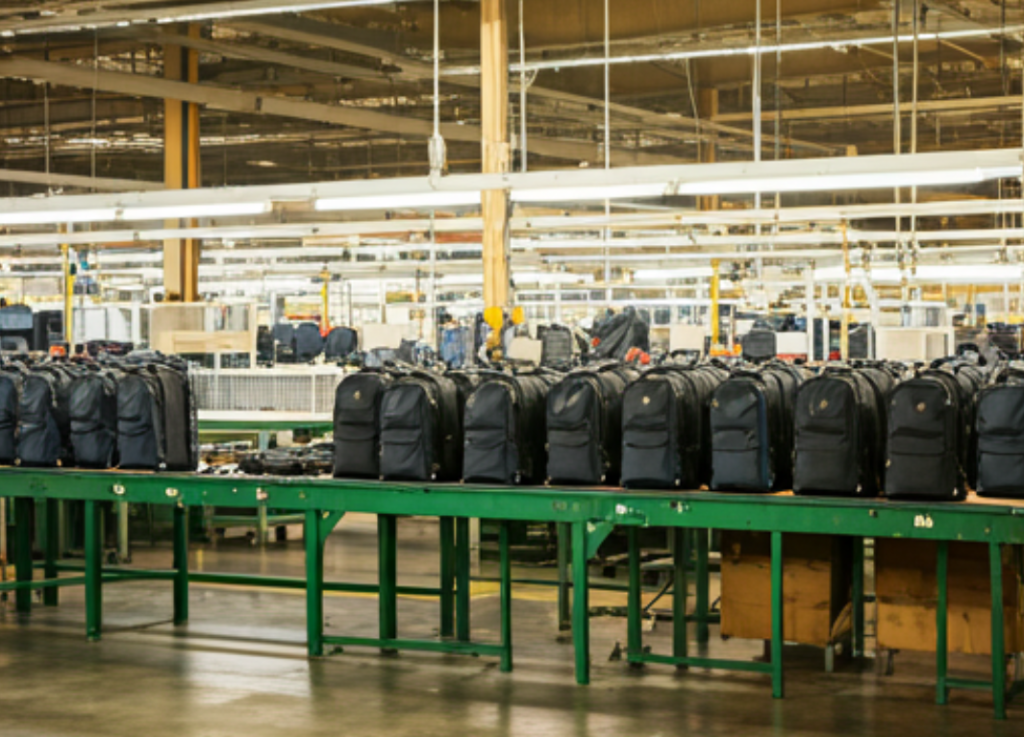
As the travel landscape evolves, so too do the needs and preferences of modern travelers. Backpack manufacturers are responding to these changes by innovating their designs and incorporating features that cater to the diverse requirements of today’s consumers. From enhanced functionality to sustainability, here’s how manufacturers are adapting to meet the demands of modern travelers.
Embracing Smart Technology
With the rise of technology in our daily lives, many backpack manufacturers are integrating smart features into their designs. Smart backpacks now come equipped with:
- USB Charging Ports: These allow travelers to charge their devices on the go, making it easier to stay connected during long journeys.
- RFID-Blocking Pockets: To protect sensitive information from electronic theft, many backpacks now include compartments specifically designed to block RFID signals.
- GPS Tracking: Some brands are incorporating GPS technology to help users locate their bags if they are lost or stolen. This feature addresses a common concern among travelers—keeping track of their belongings.
These technological advancements reflect a growing demand for backpacks that align with a tech-savvy lifestyle, providing convenience and security for modern travelers.
Focusing on Sustainability
As consumers become increasingly aware of environmental issues, backpack manufacturers are prioritizing sustainability in their production processes. This shift includes:
- Eco-Friendly Materials: Many brands are now using recycled materials, organic fabrics, and sustainable production methods. For instance, companies like REI Co-op and Osprey have made significant strides in offering eco-friendly options that appeal to environmentally conscious consumers.
- Durability and Longevity: Manufacturers are emphasizing durability by using robust materials that promise long-lasting performance. This focus on quality not only reduces waste but also aligns with consumer preferences for products that offer better value over time.
By adopting sustainable practices, backpack manufacturers are not only meeting consumer demand but also contributing positively to the environment.
For more information on sustainable backpacks, read our Eco-Friendly Backpack Production article。
Customization and Personalization
The trend towards customization is gaining momentum as consumers seek products that reflect their personal style and needs. Backpack manufacturers are responding by offering:
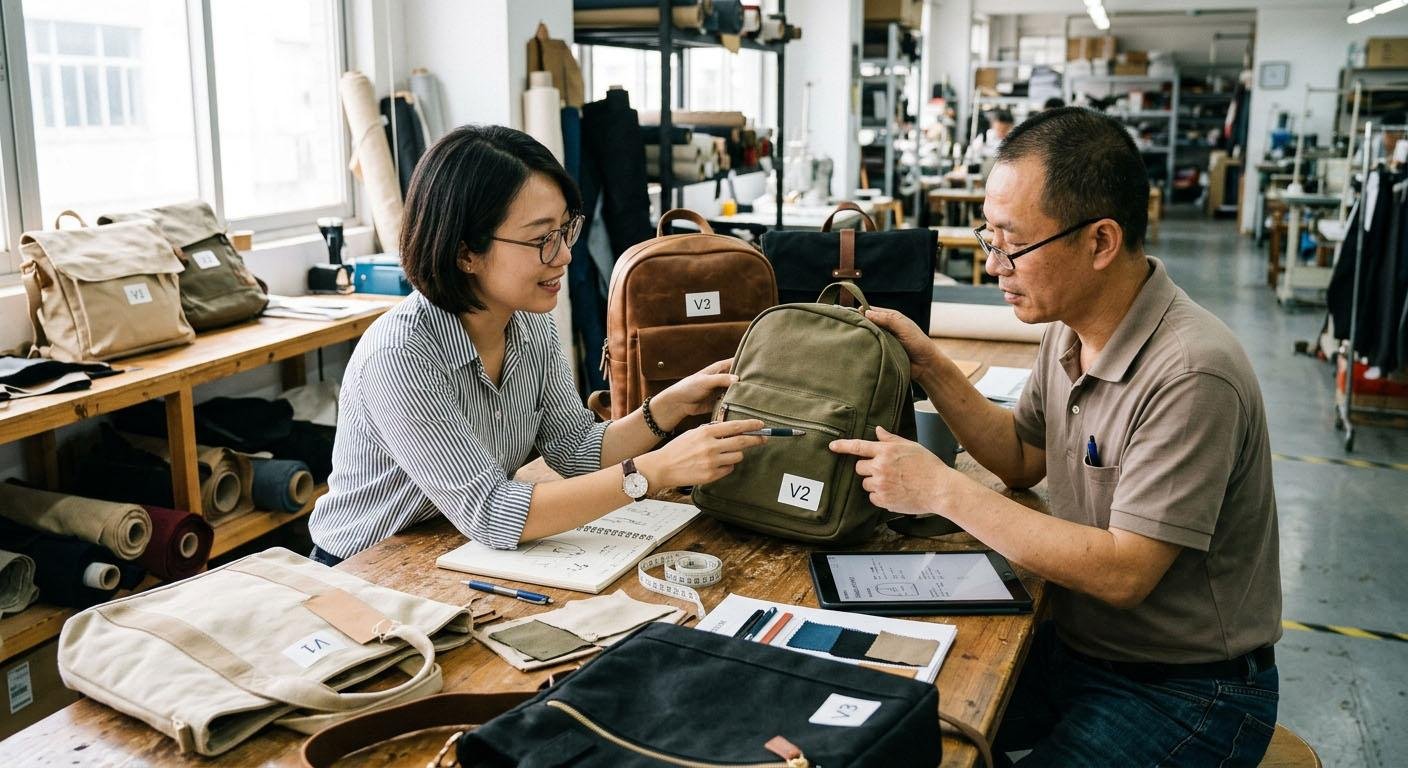
- Personalized Designs: Many brands allow customers to customize colors, patterns, and features of their backpacks, enabling them to create a product that suits their individual tastes.
- Modular Designs: Some innovative backpacks come with detachable components or modular systems that allow users to add or remove pockets and accessories based on their specific travel requirements. This adaptability caters to a wide range of activities—from business trips to outdoor adventures.
Customization not only enhances user satisfaction but also fosters brand loyalty as consumers feel more connected to products that represent their unique identities.
What is the customization process for backpacks at OSGOODWAY ? Click HERE to get an happy answer.
Enhanced Security Features
Security is a top priority for many travelers, especially those on business trips or traveling in unfamiliar areas. Manufacturers are addressing these concerns by incorporating advanced security features such as:
- Lockable Zippers: These provide an added layer of protection against theft and unauthorized access.
- Hidden Pockets: Many backpacks now include discreet compartments for valuables such as passports, wallets, and electronics, allowing travelers to keep important items secure yet accessible.
- Anti-Theft Designs: Features like cut-resistant straps and reinforced stitching help deter theft and enhance overall safety during travel.
By focusing on security, manufacturers are ensuring that travelers can enjoy peace of mind while on the move.
Versatile Designs for Various Travel Needs
Modern travelers often require bags that can adapt to different situations—whether it’s a business meeting or an outdoor excursion. Manufacturers are responding with versatile designs that include:
- Convertible Backpacks: These bags can be transformed from a backpack into a briefcase or messenger bag, allowing users to switch styles based on their needs.
- Multi-Functional Compartments: Backpacks with various compartments designed for specific purposes (like laptop sleeves, water bottle holders, and quick-access pockets) enhance organization and usability across different travel scenarios.
Such versatility ensures that consumers can rely on one bag for multiple purposes without compromising functionality.
Tips for Making Your Carry-On Backpack Stand Out in a Competitive Market
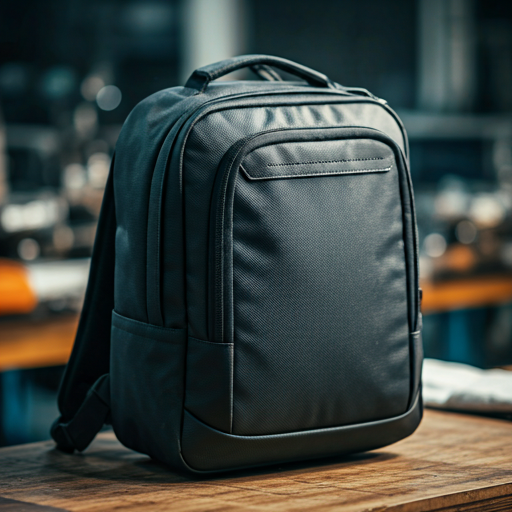
In a saturated market filled with various travel gear options, creating a carry-on backpack that stands out is essential for manufacturers aiming to attract modern travelers. Here are some actionable design suggestions that can differentiate a backpack from the competition and meet the evolving needs of consumers.
Ergonomic Design
Prioritize Comfort: One of the most critical aspects of any carry-on backpack is its comfort during use. Ergonomic design plays a vital role in ensuring that users can carry their backpacks without experiencing fatigue or discomfort. Key features to consider include:
- Padded Straps and Back Panels: Incorporating padded shoulder straps and back panels can significantly reduce pressure points and enhance comfort during long periods of wear. Brands like Targus have implemented ergonomic principles in their designs, ensuring better weight distribution and fit for users of varying body types1.
- Adjustable Features: Allowing for adjustability in the straps and back panel ensures that the backpack can accommodate different body shapes and sizes, promoting better posture and reducing strain on the back and shoulders.
- Breathable Materials: Using breathable fabrics for the back panel can improve airflow, keeping users comfortable even during extended wear.
Size vs. Capacity
Find a Balance: It’s essential to create backpacks that meet airline size regulations while maximizing internal storage capacity. Travelers often seek bags that can hold all their essentials without exceeding carry-on limits.
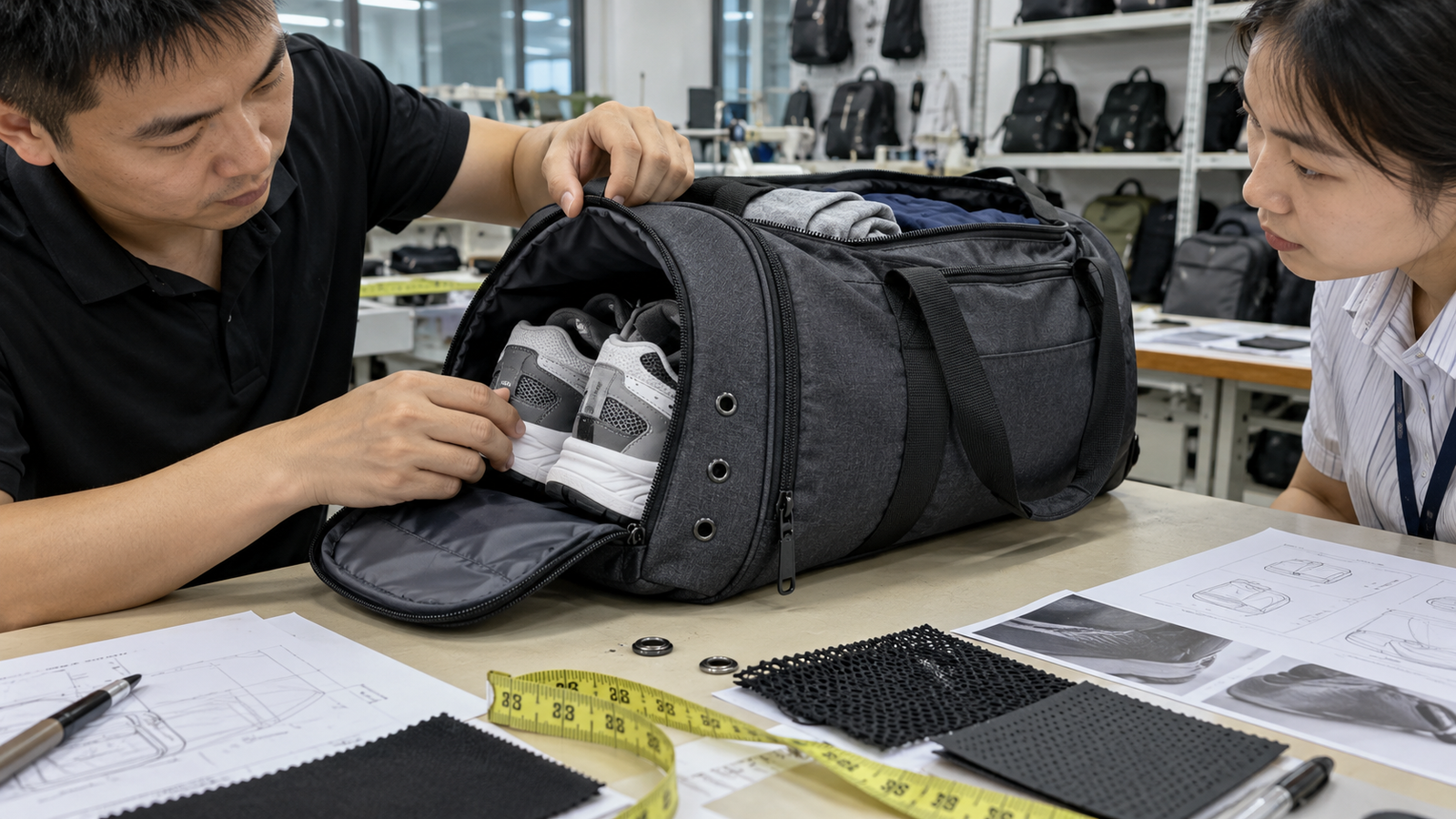
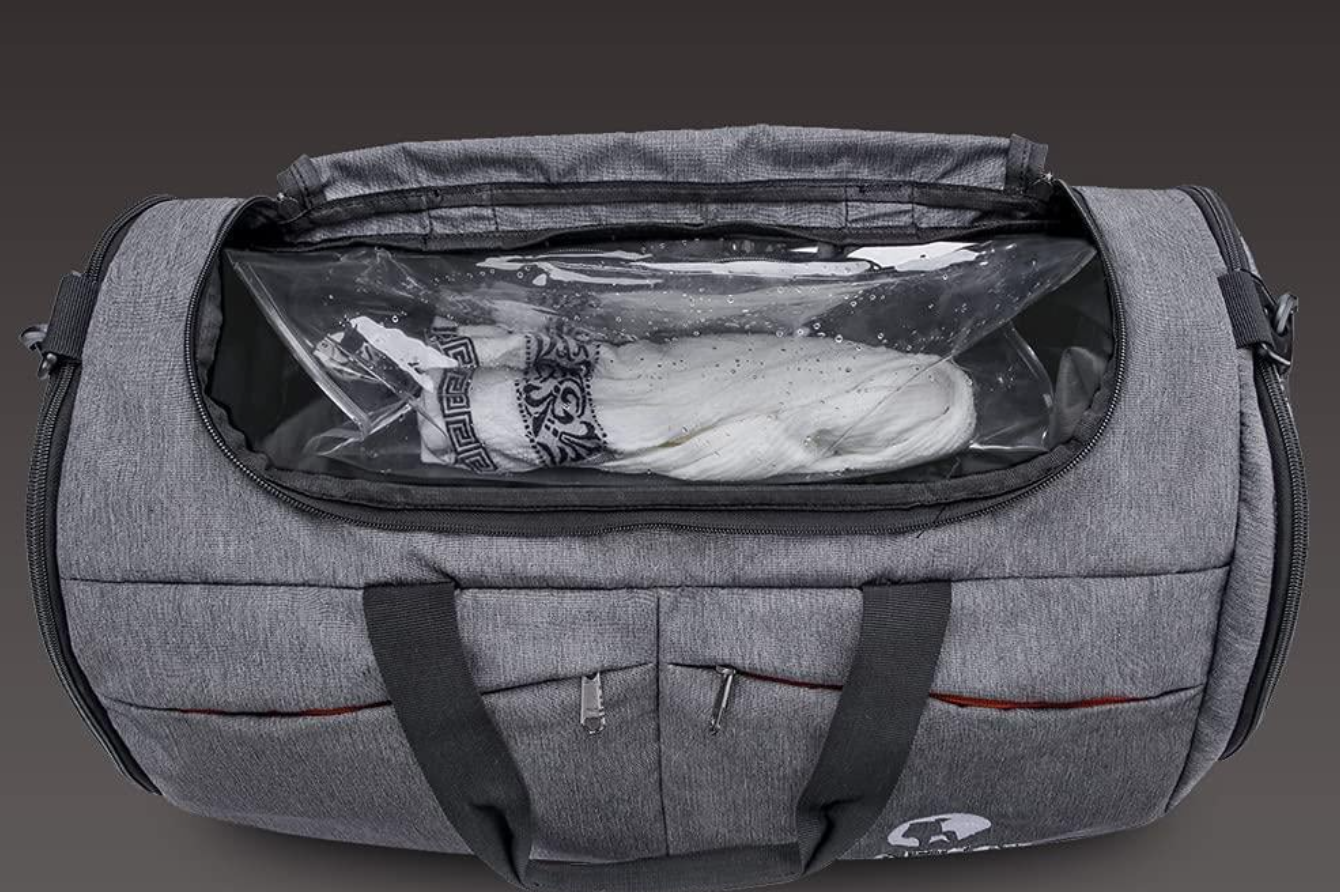
- Compact Yet Spacious Designs: Manufacturers should focus on innovative designs that allow for efficient packing without compromising on space. For example, backpacks with expandable compartments or clever internal organization systems can help maximize storage while keeping the bag within size limits.
- Multiple Access Points: Incorporating multiple access points (such as side zippers or back panels) allows users to reach their belongings easily, making packing and unpacking more convenient.
Innovative Features
Add Extra Value: To truly stand out, carry-on backpacks should incorporate innovative features that enhance usability and convenience:
- Removable Daypacks: Offering a detachable daypack within the main backpack provides added flexibility for travelers who may want to explore without carrying their entire bag.
- Expandable Designs: Backpacks that can expand or contract based on user needs are highly desirable. For instance, models like the Peak Design Travel Backpack feature expansion zippers that allow users to increase capacity when needed while maintaining a sleek profile when not in use.
- Smart Organization Solutions: Including dedicated compartments for laptops, tablets, water bottles, and other essentials helps keep items organized and easily accessible. Innovative packing solutions, such as compression bags or modular systems, can further enhance organization.
These design suggestions provide actionable insights for brands looking to differentiate themselves in the crowded backpack market. By focusing on ergonomic comfort, balancing size with capacity, and incorporating innovative features, manufacturers can create carry-on backpacks that not only meet but exceed modern travelers’ expectations.
Conclusion
The benefits of carry-on backpacks extend beyond mere functionality; they provide solutions to common travel challenges such as limited space, security concerns, and comfort during transit. With advancements in ergonomic design, innovative features, and sustainable materials, these backpacks cater to the diverse needs of today’s travelers.
As you search for the perfect carry-on backpack, consider partnering with Osgoodway Bag, your trusted OEM and ODM manufacturer. We specialize in customizable solutions that meet your unique needs, from innovative designs to sustainable materials.
Visit us at www.osgwbag.com to explore our offerings and let us help you create the ideal carry-on backpack that enhances the travel experience for modern adventurers!