


Staying hydrated on the move is a hassle. Fumbling with water bottles interrupts your activity and flow. A hydration backpack1 offers a simple solution for hands-free, convenient hydration.
A hydration backpack is a specialized pack that holds a water reservoir2, or "bladder," connected to a drinking tube. This design allows you to drink water hands-free, making it perfect for athletes and outdoor enthusiasts who need to stay hydrated without stopping their activity.
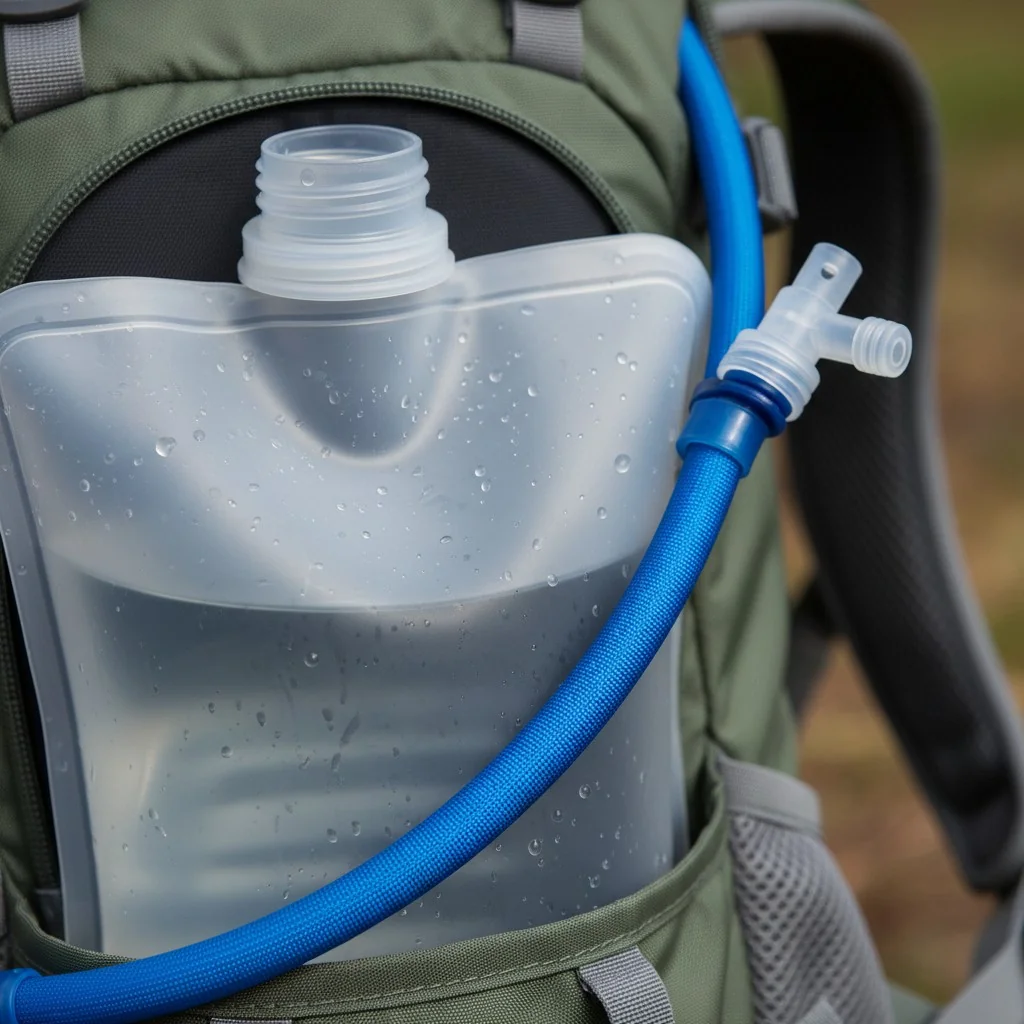
When I first started in the bag industry, I saw hydration packs as a niche item for serious athletes. But over the years, I’ve watched them become a mainstream accessory for everyone from casual hikers to festival-goers. For a brand owner like you, understanding this product isn’t just about a new trend; it’s about tapping into a growing market focused on convenience and wellness. Let’s dive into what makes these bags so popular and how you can add them to your product line.
[claim claim=”All hydration packs are completely waterproof.” istrue=”false” explanation=”While the water reservoir is waterproof, the backpack material itself may only be water-resistant. Many packs require a separate rain cover for full protection.”]
[claim claim=”Hydration packs can help you drink more water during physical activity.” istrue=”true” explanation=”The convenience of the drinking tube encourages more frequent, smaller sips, which can lead to better overall hydration compared to stopping to use a water bottle.”]
What Is a Hydration Backpack and What Are Its Key Features?
You see them everywhere, but you might not know the specifics. This makes it hard to decide if they are the right product for your brand. Let’s break down the core components.
A hydration backpack is a system designed for easy drinking. It includes a water bladder, a hose, and a bite valve3, all housed in a specially designed pack. Key features are the reservoir capacity, storage space, and an ergonomic fit for comfort.
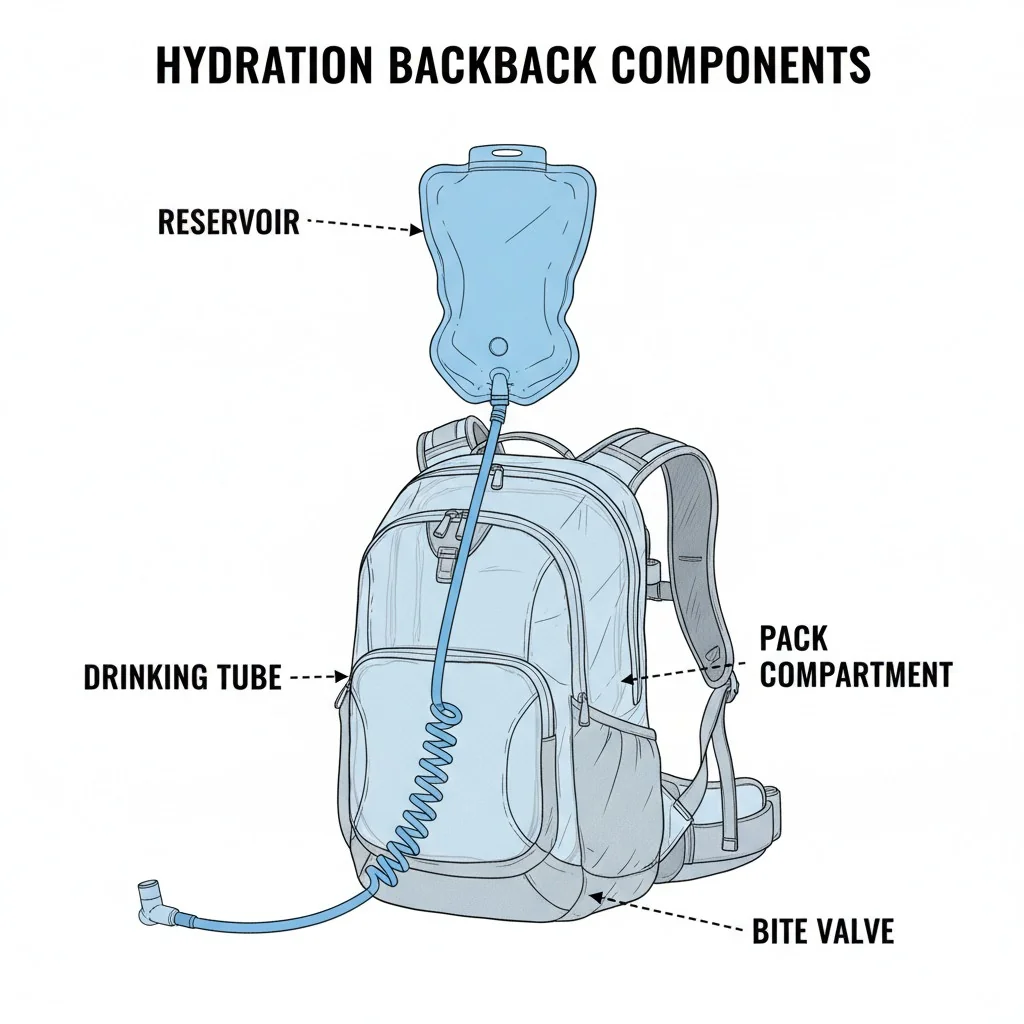
When a client first asked me to source a hydration pack, I had to learn the anatomy of one very quickly. It’s more than just a bag with a water pouch. Each component is designed for a specific purpose, and the quality of each part affects the user’s experience. Understanding these details is crucial for creating a product that customers will love.
The Core Components
A hydration pack is a system with three main parts:
- The Water Reservoir (Bladder): This is the soft, flexible container that holds the water. They are usually made from BPA-free plastic and come in various sizes, typically from 1 to 3 liters.
- The Drinking Tube and Bite Valve: The tube connects to the bladder and runs over the shoulder. The bite valve at the end acts as a mouthpiece. You gently bite down and sip to drink. It’s designed to be leak-proof when not in use.
- The Backpack: This holds the reservoir and any other gear. These packs are designed for stability and comfort, with adjustable straps and often a dedicated, insulated compartment for the bladder to keep water cool.
| Feature | Description | Importance for Your Brand |
|---|---|---|
| Reservoir | The water container (1L-3L). | Offer different sizes for different activities (e.g., 1.5L for runners, 3L for hikers). |
| Bite Valve | The mouthpiece for drinking. | A high-quality, leak-proof valve is a key selling point. |
| Pack Storage | Pockets for keys, phone, snacks. | The amount of storage defines the pack’s use case (minimalist vs. daypack). |
| Fit & Adjustability | Sternum and waist straps. | A good fit prevents bouncing and ensures comfort, leading to better reviews. |
[claim claim=”Hydration pack reservoirs are made from the same plastic as disposable water bottles.” istrue=”false” explanation=”Most reservoirs are made from durable, taste-free, and BPA-free materials like TPU (thermoplastic polyurethane) or PEVA, designed for repeated use.”]
[claim claim=”The design of a hydration pack includes specific routing for the drinking tube.” istrue=”true” explanation=”Packs have clips or loops on the shoulder straps to secure the drinking tube, keeping it accessible and out of the way.”]
How Does a Hydration Backpack Work?
The mechanism might seem complicated. You might worry it could leak or be difficult for customers to use. In reality, it’s a very simple and clever system that relies on basic physics.
A hydration pack works using gravity and suction. Water is stored in the reservoir inside the pack. When you bite the valve and suck, you open a seal and draw water through the hose directly from the bladder.
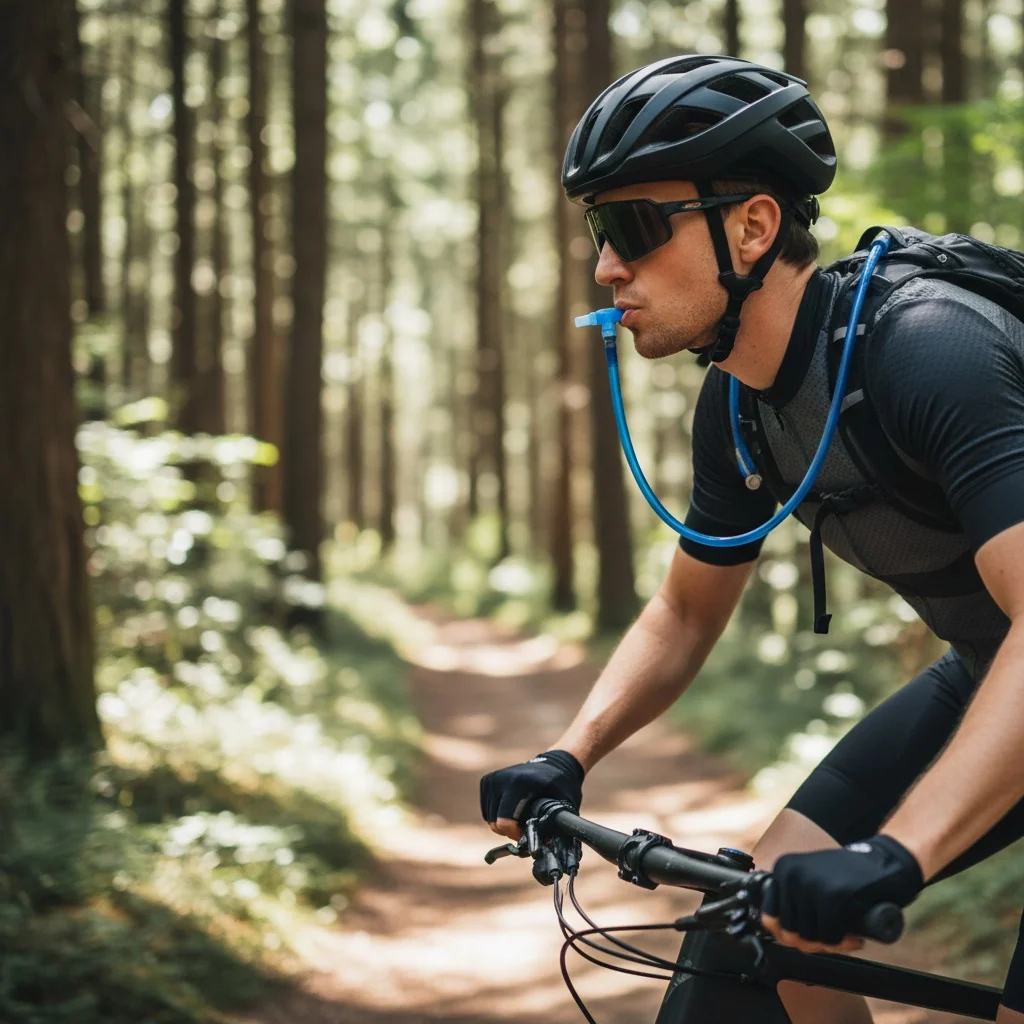
I love the simple genius of the design. There are no complex pumps or electronics. It’s just a well-designed system that makes staying hydrated incredibly efficient. The key is the bite valve, which is the gatekeeper of the whole operation. A good valve is the difference between a seamless experience and a frustrating, leaky mess. When I work with manufacturers, I always stress-test the bite valves because I know how important they are.
A Simple Breakdown of the Process
- Fill and Go: You start by filling the reservoir with water and sealing it. Most have a large opening that makes filling and cleaning easy. You then place it inside its dedicated sleeve in the backpack.
- Gravity’s Pull: The drinking tube connects to the bottom of the reservoir. Gravity helps pull the water down into the tube, so it’s always ready at the bite valve. This means you don’t have to suck very hard to get the water flowing.
- The Magic of the Bite Valve: The bite valve is a self-sealing mechanism. It stays closed to prevent leaks. When you apply gentle pressure with your teeth and sip, the slit in the valve opens, allowing water to flow. When you release, it seals shut again. It’s a hands-free, on-demand system.
[claim claim=”You have to pump a button to get water out of a hydration pack.” istrue=”false” explanation=”Hydration packs work on a simple suction system. You just bite the valve and sip; no pumping or buttons are required.”]
[claim claim=”The bite valve is designed to prevent leaks even when the hose is hanging down.” istrue=”true” explanation=”High-quality bite valves have a self-sealing design that keeps water from dripping out, even with pressure from the water in the reservoir.”]
How Do You Use a Hydration Backpack Correctly?
Using it wrong can lead to leaks or a bad taste. A poor first experience can ruin the product’s appeal for a customer. Following a few simple steps ensures perfect use every time.
To use it correctly, fill the bladder but don’t overfill it. Squeeze the air out before sealing to stop water from sloshing. Route the hose through the shoulder strap guides. Most importantly, clean and dry it after every use.
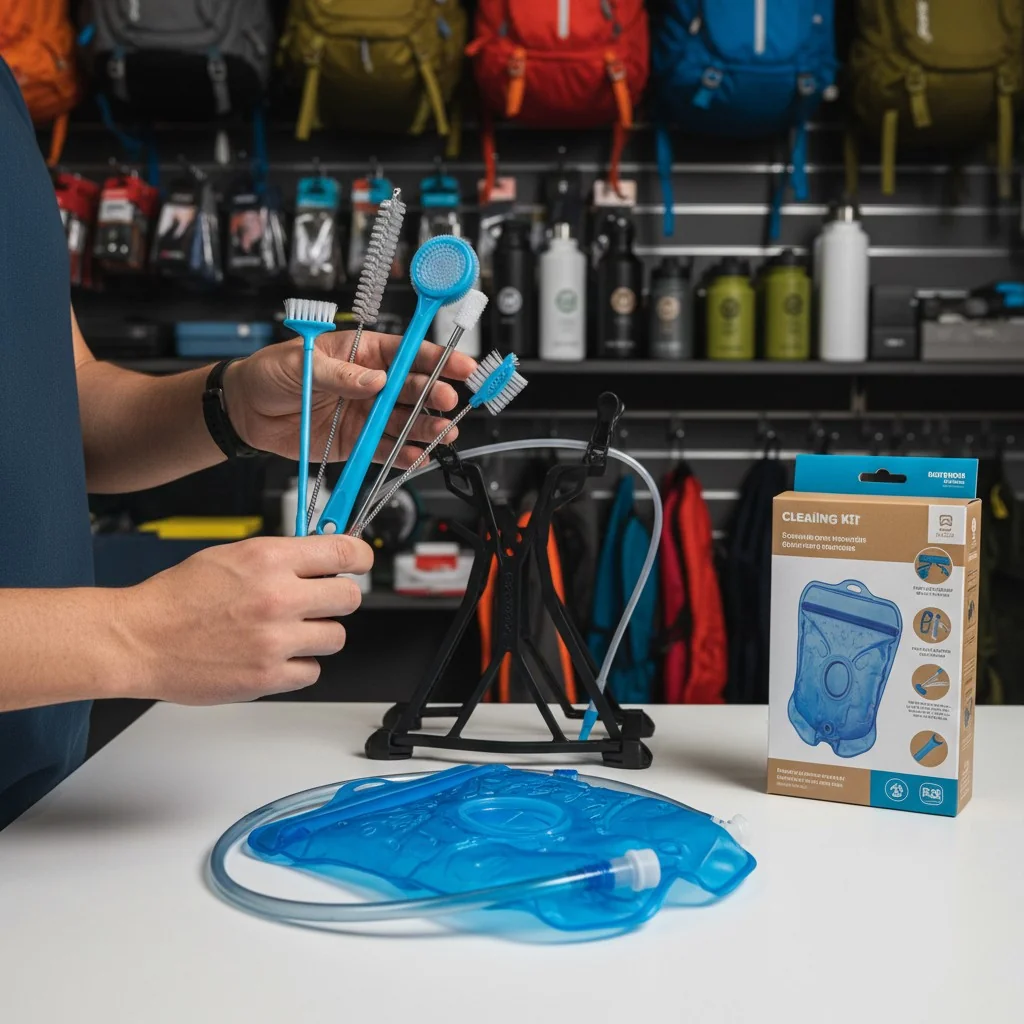
I can’t stress the cleaning part enough. I once forgot to clean my own pack after a long hike, and the next time I used it, the water tasted awful. It’s the most common customer complaint, and it’s completely avoidable. As a brand owner, including a simple cleaning guide with your product can dramatically improve customer satisfaction and reduce negative reviews. It shows you care about the customer’s experience beyond the initial purchase.
Best Practices for Use and Maintenance
- Proper Filling: When filling the reservoir, leave some space at the top. After sealing it, turn it upside down and suck the air out through the tube until you get water. This eliminates air pockets and prevents that annoying sloshing sound.
- Wearing the Pack: Adjust the shoulder, chest (sternum), and waist straps for a snug fit. The pack should feel like part of your body and not bounce around when you move. Secure the drinking tube through the clips on the shoulder strap so it’s easy to reach.
- Cleaning is Key: This is the most critical step. After each use, rinse the bladder with warm, soapy water. Use a long brush to clean the tube. To dry it, hang it upside down with the opening propped open to allow air to circulate.
| Frequency | Cleaning Task | Why It’s Important |
|---|---|---|
| After Every Use | Rinse bladder and tube with water. | Prevents immediate bacteria growth. |
| Weekly (or after storing) | Deep clean with soap or a cleaning tablet. | Removes any buildup and neutralizes odors. |
| Before Storing | Ensure bladder and tube are 100% dry. | Prevents mold and mildew from forming. |
[claim claim=”You can put your hydration bladder in the dishwasher to clean it.” istrue=”false” explanation=”The high heat of a dishwasher can damage the plastic seams of the reservoir, causing it to leak. Hand washing is the recommended method.”]
[claim claim=”Storing a wet hydration bladder can lead to mold growth.” istrue=”true” explanation=”Moisture trapped inside a sealed bladder creates the perfect environment for mold and bacteria to grow, which is why thorough drying is essential.”]
When Should You Use a Hydration Backpack?
Are they only for extreme athletes? You might be missing out on a huge market if you think so. The truth is, they are versatile enough for many activities, from intense sports to casual outings.
You should use a hydration pack for any activity where you need convenient, hands-free hydration4. This includes hiking, running, cycling, and skiing. They are also perfect for music festivals, theme parks, and long travel days.

I’ve seen the customer base for these packs expand so much. Initially, my clients were all outdoor or sports brands. Now, I’m working with lifestyle and travel brands to design hydration packs. They’re adding stylish designs, unique materials, and features for urban use. The Outdoor Industry Association reported in 2022 that outdoor participation has grown by over 26% since 2020. This surge means more people are looking for gear that supports an active lifestyle, and hydration packs are at the top of the list.
A Pack for Every Occasion
- Endurance Sports: For activities like trail running, long-distance cycling, or marathons, a hydration pack is essential. It allows athletes to drink without breaking their stride. For these users, lightweight, vest-style packs are most popular.
- Outdoor Recreation: Hikers, skiers, and snowboarders love hydration packs. They can carry enough water for a full day and still have room for extra layers, food, and safety gear. The hose won’t freeze as easily as water in a bottle in cold weather.
- Festivals and Theme Parks: These venues often have long lines for water fountains. A hydration pack lets you carry your own water all day, saving time and money. Many packs are now designed with anti-theft features and fun aesthetics for this crowd.
- Travel and Sightseeing: When exploring a new city, a small hydration pack is more convenient than carrying a bottle. It keeps your hands free for taking photos, checking maps, or shopping.
[claim claim=”Hydration packs are only useful for activities lasting more than three hours.” istrue=”false” explanation=”They are useful for any activity where convenience is a priority, even short ones. For a 1-hour run or a walk in the park, a small pack is more comfortable than carrying a bottle.”]
[claim claim=”Using a hydration pack at a music festival can save you money.” istrue=”true” explanation=”Most festivals have free water refill stations. Bringing your own hydration pack allows you to avoid buying expensive bottled water throughout the day.”]
Why Choose a Hydration Backpack Over Traditional Water Bottles?
Water bottles seem simple and cheap. But for active users, they can be clunky, inefficient, and even unsafe to handle while moving. Hydration packs offer superior convenience, capacity, and performance.
Choose a hydration pack for its larger water capacity, hands-free access, and balanced weight distribution. These benefits encourage consistent sipping, which is better for performance and prevents dehydration during long activities.
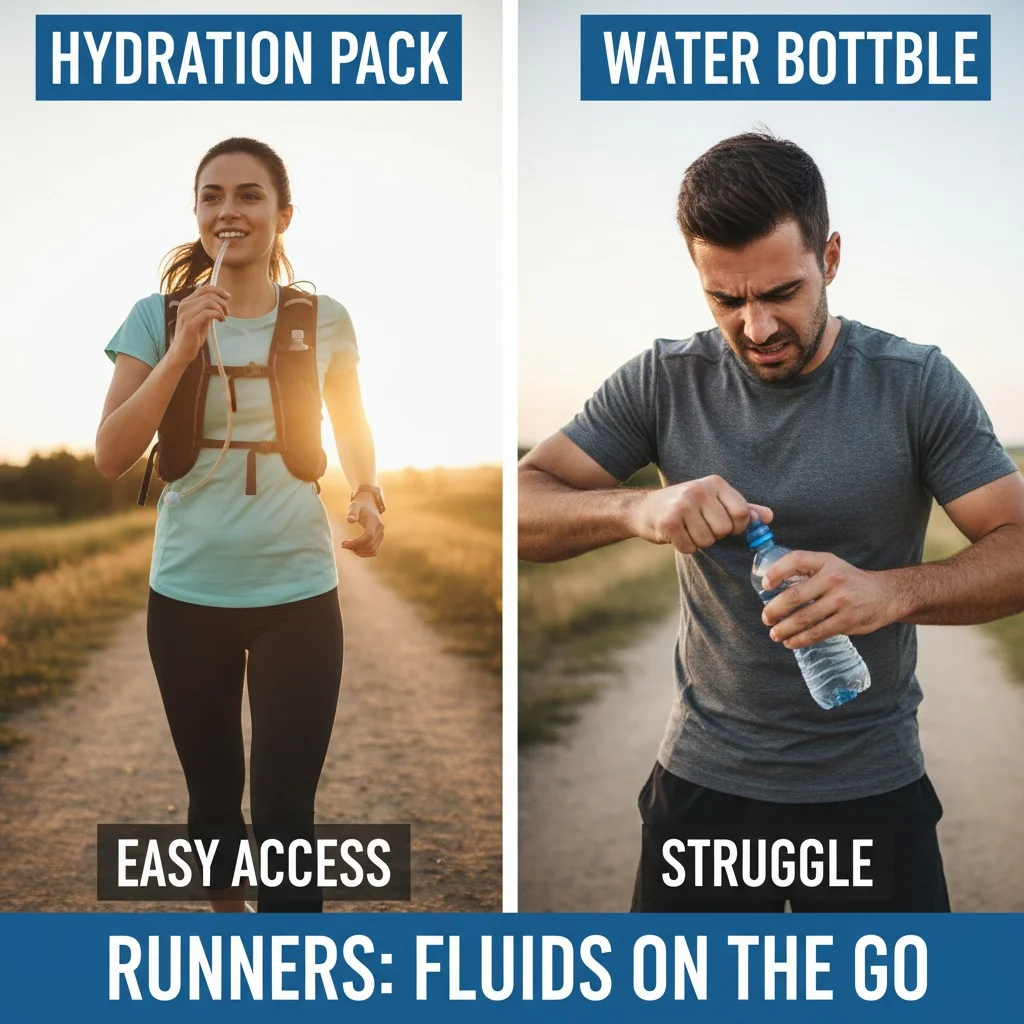
The data backs this up. I recently read a study showing that 64% of endurance athletes prefer hydration packs over bottles. The reasons they cited were exactly what I’ve been discussing: capacity, weight distribution, and uninterrupted hydration. When you’re trying to maintain a certain pace or navigate a tricky trail, stopping to unscrew a water bottle cap is a major disruption. A hydration pack removes that barrier completely, which is a huge performance advantage.
Head-to-Head: Pack vs. Bottle
| Feature | Hydration Backpack | Traditional Water Bottle |
|---|---|---|
| Accessibility | Hands-free, sip anytime | Requires stopping, using one or both hands |
| Capacity | High (1.5L – 3L+) | Low (0.5L – 1L) |
| Weight Distribution | Evenly spread across the back | Unbalanced, often in hand or a side pocket |
| Hydration Style | Encourages frequent, small sips | Leads to infrequent, large gulps |
| Convenience | High, especially during motion | Low, can be awkward to carry and use |
For a brand, this comparison is your marketing message. You’re not just selling a bag; you’re selling a better, more efficient way to hydrate. You’re selling uninterrupted performance and convenience.
[claim claim=”Drinking from a hydration pack is less hygienic than a water bottle.” istrue=”false” explanation=”If cleaned properly, a hydration pack is just as hygienic. The bite valve is often more protected from dirt and germs than the exposed mouthpiece of a water bottle.”]
[claim claim=”Hydration packs help maintain your center of gravity better than water bottles.” istrue=”true” explanation=”The water is held close and flat against your back, which is more stable than a sloshing bottle held in your hand or in a bouncing side pocket.”]
How Do You Choose the Right Hydration Pack for Your Brand?
So many options exist in the market. Choosing the wrong features or style can lead to unsold inventory and a disconnect with your target audience. The key is to focus on what your specific customer needs.
To choose the right pack, first define the primary activity of your target customer. For runners, a small vest is best. For hikers, a larger pack with storage is better. Key factors are reservoir size, pack capacity, and an adjustable fit.
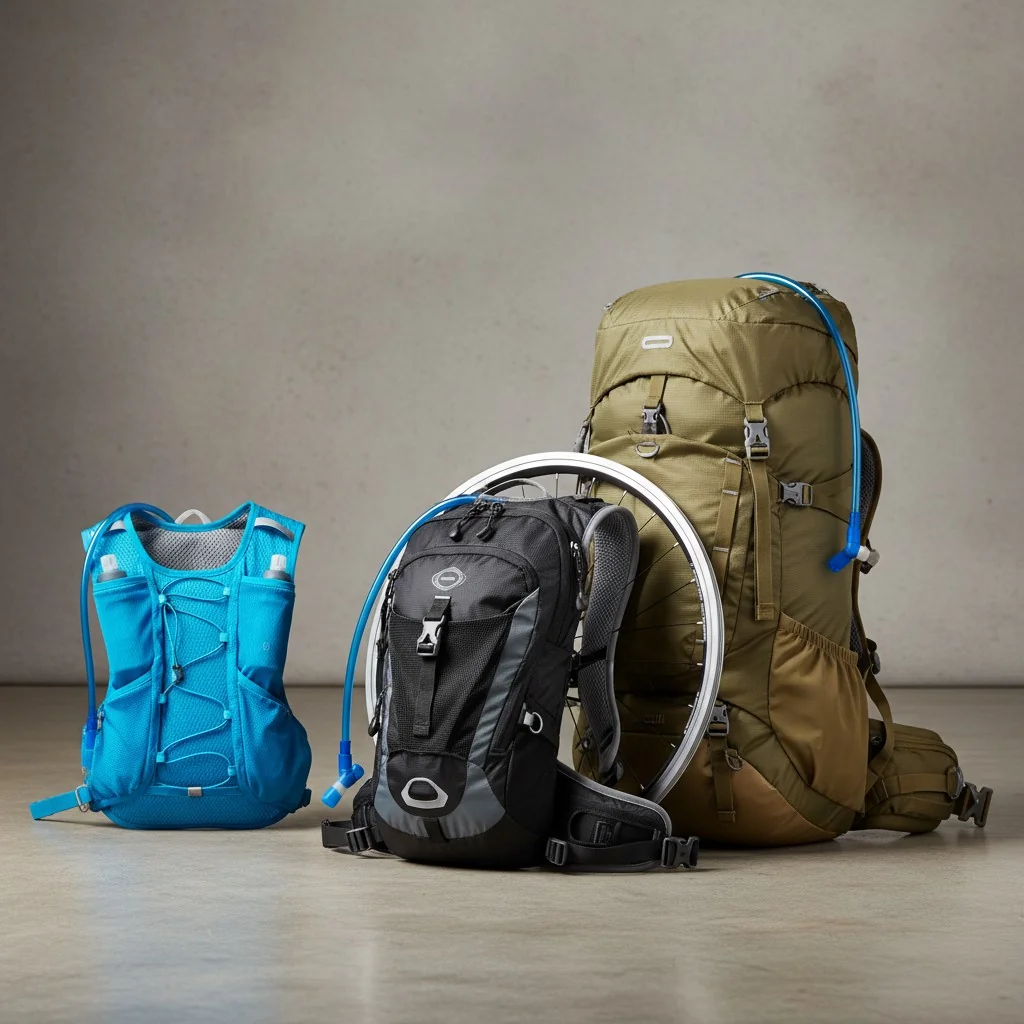
This is where my experience as a manufacturer and brand consultant really comes into play. I always tell my clients, like Emily, to start with their customer avatar. Who are you selling to? What do they do? A pack designed for a marathon runner will fail with a casual day-hiker, and vice-versa. Once you know the who and the what, you can build the perfect product. This is also where customization becomes your secret weapon. You can choose specific materials, colors, and features that speak directly to your audience.
A Brand Owner’s Guide to Choosing Hydration Packs
- Define the Use Case: What will your customer do with this pack? This determines everything else.
- Select Capacity (Water & Gear): Match the capacity to the activity’s duration and needs.
- Prioritize Fit and Comfort: An uncomfortable pack will get bad reviews. Look for adjustable straps, breathable back panels, and lightweight materials.
- Consider Customization and Materials: This is how you stand out. Think about sustainable fabrics like RPET, unique colorways, or adding smart features like anti-theft pockets or reflective trim for safety.
| Activity | Reservoir Size | Pack Storage | Key Features |
|---|---|---|---|
| Trail Running | 1L – 1.5L | 2L – 5L | Lightweight vest, front pockets, no bounce |
| Cycling | 1.5L – 2L | 5L – 10L | Slim profile, helmet clip, tool organizer |
| Day Hiking | 2L – 3L | 15L – 25L | Padded straps, waist belt, room for layers |
| Festivals/Urban | 1L – 2L | 5L – 15L | Stylish design, anti-theft pockets, unique colors |
[claim claim=”One size hydration pack fits all users.” istrue=”false” explanation=”Fit is crucial. Many packs come in different torso lengths or have highly adjustable straps to fit different body types, which is essential for comfort.”]
[claim claim=”Adding features like reflective trim can increase a hydration pack’s market appeal.” istrue=”true” explanation=”Safety features like reflective details and safety whistles are valuable selling points, especially for runners, cyclists, and hikers who are active in low-light conditions.”]
What Are the Market Growth and Consumer Trends for Hydration Gear?
Is this just a fleeting trend, or is it a solid market to invest in? Committing to a new product line is a big risk. The good news is that all the data points to strong, steady growth.
The hydration gear market is booming, driven by a global focus on health, wellness, and outdoor activities5. Consumers want convenient, high-performance products. The global sports hydration market is projected to reach $18.6 billion by 2030.
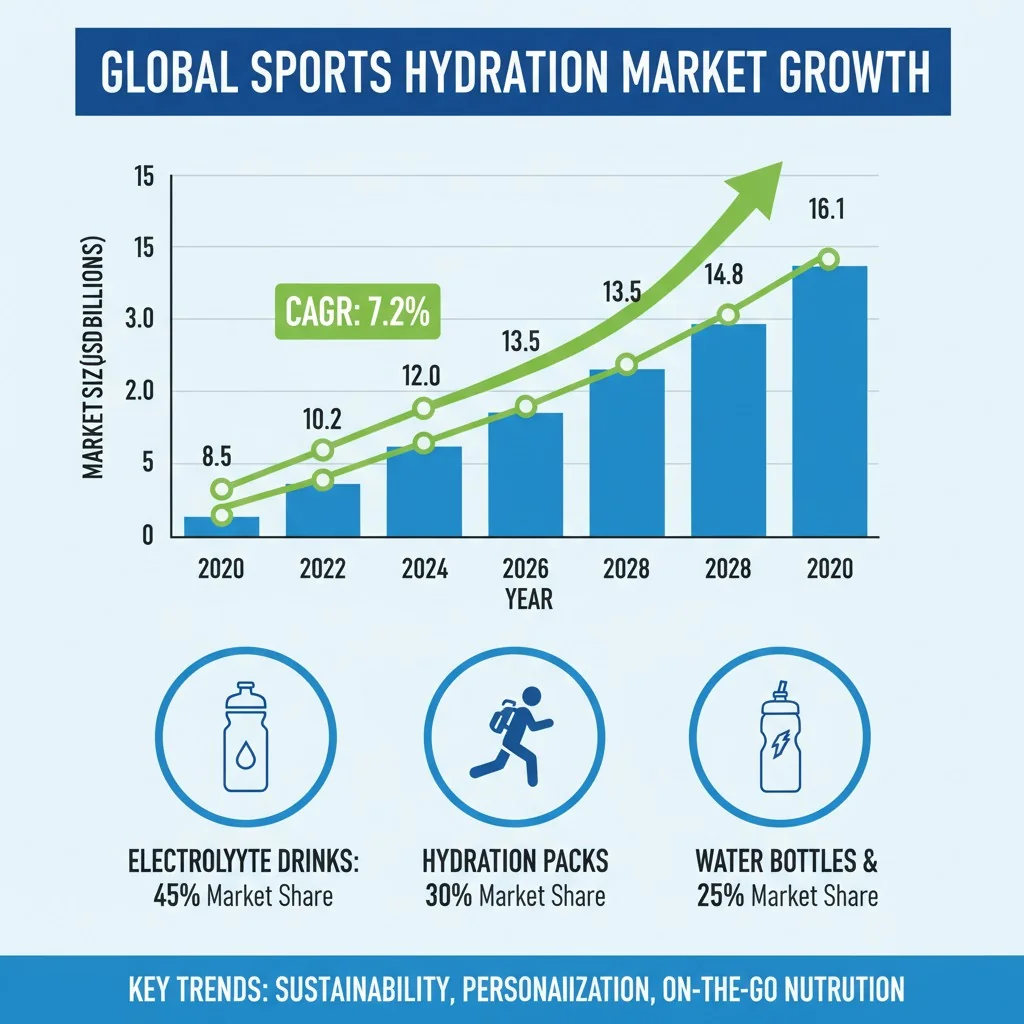
I’m constantly watching market data to advise my clients, and the numbers for hydration gear are exciting. According to a 2023 report from Grand View Research, the market was valued at $13.2 billion and is growing at a 5.1% compound annual growth rate. This isn’t a bubble; it’s a sustained shift in consumer behavior. People are more active, and they are willing to invest in gear that makes their activities better and safer.
Key Market Drivers and What They Mean for Your Brand
- Market Size and Growth: The projected growth to $18.6 billion by 2030 shows long-term stability. This is a reliable category to invest in for brands looking to expand their offerings.
- Increased Outdoor Participation: With a 26% rise in outdoor activities since 2020 (Outdoor Industry Association, 2022), the customer base for hydration packs has never been larger. You have more potential buyers than ever before.
- The Wellness Trend: Hydration is a cornerstone of the wellness movement. These packs are seen not just as sports equipment, but as tools for a healthy lifestyle. This broadens their appeal beyond just athletes.
What this means for your brand: There is a clear opportunity to enter a growing market. You can succeed by creating a high-quality, well-designed product that targets a specific niche within this large and diverse audience. Whether it’s eco-conscious hikers or style-focused festival-goers, there’s a customer waiting for your product.
[claim claim=”The hydration pack market is shrinking due to environmental concerns about plastic.” istrue=”false” explanation=”The market is growing. Many brands are addressing environmental concerns by using durable, long-lasting, and recycled materials (like RPET) for their packs and reservoirs.”]
[claim claim=”The demand for hydration packs is driven solely by elite athletes.” istrue=”true” explanation=”While athletes are a core group, the market’s growth is largely fueled by casual recreational users, travelers, and lifestyle consumers seeking convenience.”]
Frequently Asked Questions (FAQ)
Q1: How do I clean a hydration pack?
A: After each use, rinse the bladder and tube with warm water. For a deep clean, use a mixture of warm water and a bit of soap or a specialized cleaning tablet. Use brushes to scrub the inside of the bladder and tube. Most importantly, make sure everything is completely dry before storing it to prevent mold.
Q2: Can I put drinks other than water in my hydration pack?
A: It’s generally not recommended. Sugary sports drinks, juice, or electrolyte powders can leave residue that is difficult to clean and can promote bacteria growth. If you do use them, you must clean the bladder and tube immediately and thoroughly after use.
Q3: How do I get rid of the plastic taste?
A: Before the first use, rinse the bladder with a solution of lemon juice and water or baking soda and water. Let it sit for an hour, then rinse thoroughly. This usually neutralizes any initial plastic taste from the manufacturing process.
Q4: What size hydration pack do I need?
A: It depends on your activity. For short runs or walks (1-2 hours), a 1-1.5 liter reservoir is enough. For half-day hikes or bike rides, go for 2 liters. For all-day adventures, a 3-liter reservoir is best to ensure you have enough water.
Q5: Are hydration packs worth it?
A: Yes, for anyone who is active or values convenience. They allow you to carry more water comfortably, drink hands-free without stopping, and encourage better hydration habits, which can improve performance and overall enjoyment of your activity.
Conclusion
Hydration packs are a practical, growing product category. Understanding their features and the market helps brands like yours meet modern consumer demands for convenience, performance, and a healthy lifestyle.
References
-
Explore the advantages of hydration backpacks for athletes and outdoor enthusiasts, enhancing convenience and hydration. ↩
-
Learn about the functionality of water reservoirs in hydration packs and their impact on hydration efficiency. ↩
-
Discover the importance of bite valves in hydration packs and how they enhance user experience. ↩
-
Understand the benefits of hands-free hydration for athletes and active individuals. ↩
-
Learn about various outdoor activities where hydration packs provide significant advantages. ↩






