


In today’s world, where environmental concerns are at the forefront of many decisions, the question arises: What makes an eco-friendly backpack, and why should we care about it? As an expert in the bag manufacturing industry and a proud member of the global shift toward sustainability, I can confidently say that eco-friendly backpacks are more than just a trend — they are the future of fashion, functionality, and environmental responsibility.
Let’s dive into what eco-friendly backpacks are all about, how they benefit the environment, and why your next backpack purchase should be sustainable.
What Is an Eco-Friendly Backpack?
An eco-friendly backpack, at its core, is designed with the environment in mind. It’s made using materials that have a minimal environmental impact, such as recycled fabrics, organic cotton, and vegan leather alternatives. These backpacks aim to reduce waste, conserve resources, and lower the carbon footprint during their production process. Simply put, they are backpacks that support a cleaner, greener planet.
But why does this matter? The fast-paced consumer culture often leads to the production of cheap, mass-produced products that contribute to pollution and waste. Eco-friendly backpacks, however, stand as a solution to this, offering a sustainable alternative for individuals looking to make a positive impact with their purchases.
Why Are Eco-Friendly Backpacks Important?
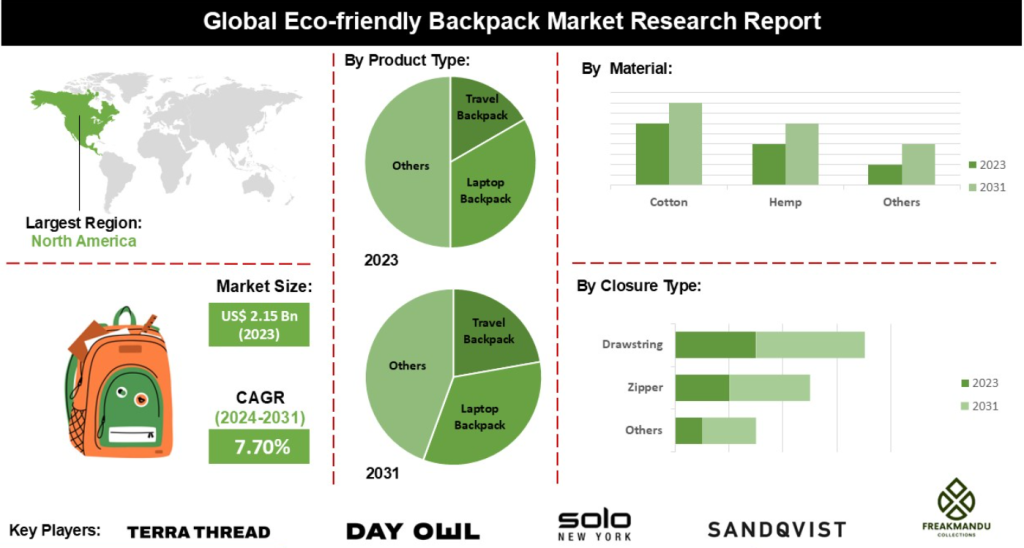
Eco-friendly backpack market size is valued at USD2.15 billion in 2023 and is predicted to reach USD 3.84 billion by the year 2031 at a 7.70% CAGR during the forecast period for 2024-2031. see full report HERE.
Eco-friendly backpacks are important for several reasons. Let’s break it down:
Reducing the Environmental Impact of Traditional Backpacks
Traditional backpacks are typically made from synthetic materials like PVC, nylon, and polyester, all of which contribute to environmental pollution. These materials are often not biodegradable, meaning they can sit in landfills for centuries. Additionally, the manufacturing processes of these materials tend to involve harmful chemicals and a significant amount of energy, further contributing to environmental degradation.
Conserving Natural Resources
Eco-friendly backpacks are often made from renewable resources, such as organic cotton, hemp, and plant-based leathers. These materials require fewer resources to produce and help reduce the need for chemical fertilizers and pesticides that damage ecosystems.
Supporting Waste Reduction
One of the primary benefits of eco-friendly backpacks is the use of recycled materials. For example, recycled polyester (rPET) is made from plastic bottles, helping reduce plastic waste. Backpacks made from recycled fabrics prevent waste from ending up in landfills and encourage the recycling of materials, which is crucial in today’s world.
Ethical Manufacturing
Eco-friendly backpacks are typically produced under fair labor conditions, with ethical manufacturing practices in place. Brands committed to sustainability often ensure that workers are paid fairly, work in safe environments, and that the production processes are free from child labor or exploitative practices.
Consumer Awareness and Demand
As more consumers become aware of the environmental impact of their purchases, the demand for eco-friendly products, including backpacks, has skyrocketed. Brands are responding by offering products that meet these expectations, and this shift toward sustainability is having a tangible impact on the industry.
In sum, eco-friendly backpacks represent a much-needed shift toward a more responsible and sustainable way of living. By choosing these backpacks, consumers contribute to protecting the environment, conserving natural resources, and supporting ethical production practices.
Types of Eco-Friendly Materials Used in Backpacks
For eco-friendly backpacks, the materials used are key. Sustainable materials not only reduce the environmental footprint of the backpack but also contribute to a cleaner and more circular economy.
Eco-friendly backpacks are made from materials like recycled fabrics (rPET, recycled nylon), organic cotton, hemp, and vegan leather alternatives (Piñatex, mushroom leather). These materials reduce waste, use fewer resources, and have a minimal environmental impact.
Let’s explore some of the most common materials used in eco-friendly backpacks:
Comparison Table: Types of Eco-Friendly Materials
| Material | Source | Environmental Benefit | Key Characteristics | Durability |
|---|---|---|---|---|
| Recycled Polyester (rPET) | Recycled plastic bottles or fabrics | Reduces plastic waste and conserves petroleum resources. | Lightweight, versatile, water-resistant, strong | High |
| Recycled Nylon | Repurposed fabric or fishing nets | Decreases landfill waste, reduces energy and water consumption in production. | Strong, durable, resistant to wear and tear | High |
| Organic Cotton | Cotton grown without pesticides | Reduces water usage, prevents soil degradation, and avoids chemical use. | Soft, breathable, biodegradable | Moderate to High |
| Hemp | Plant fiber | Requires minimal water, no pesticides, and is biodegradable. | Strong, durable, naturally antimicrobial | Very High |
| Piñatex (Pineapple Leather) | Pineapple plant fibers | Reduces agricultural waste and offers a biodegradable alternative to leather. | Lightweight, flexible, sustainable alternative to leather | High |
| Mushroom Leather | Mycelium (mushroom root structure) | Plant-based, biodegradable, and cruelty-free alternative to animal leather. | Flexible, durable, and water-resistant | Moderate to High |
| Cork | Harvested from cork oak trees | Renewable, biodegradable, and prevents deforestation. | Water-resistant, lightweight, durable | Moderate to High |
| Jute | Plant fiber | Biodegradable and requires minimal water and pesticides. | Strong, lightweight, biodegradable | Moderate |
| Bamboo Fabric | Bamboo plant | Requires little water, grows rapidly, and is biodegradable. | Soft, breathable, antimicrobial, lightweight | Moderate |
1. Recycled Materials
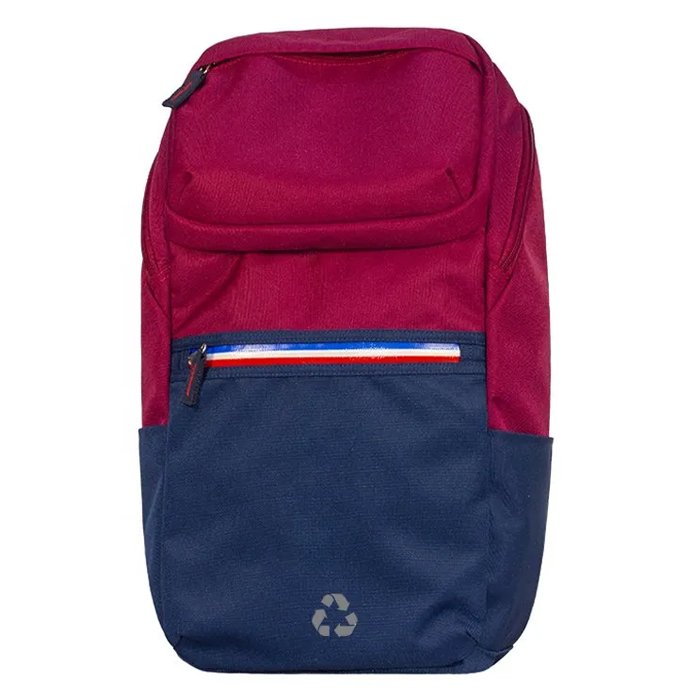
- Recycled Polyester (rPET): One of the most popular eco-friendly materials used in backpacks, recycled polyester (rPET) is made from plastic bottles or old fabrics that are melted down and repurposed into fibers. This process diverts plastic waste from landfills, reduces the need for virgin polyester, and helps conserve petroleum resources. Plus, it requires less energy than producing new polyester.
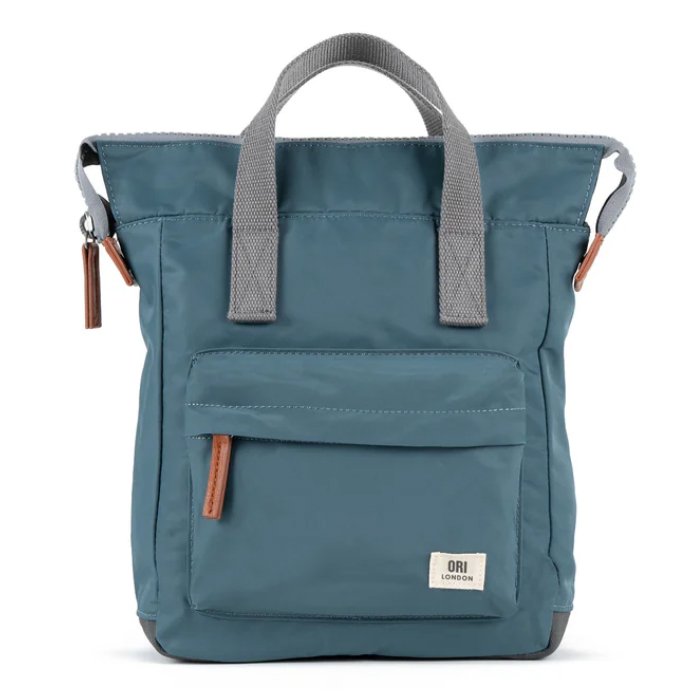
- Recycled Nylon: Like rPET, recycled nylon is made by repurposing old fabrics or discarded fishing nets. The process uses less water and energy compared to virgin nylon, making it a more sustainable choice for backpack production.
2. Organic Materials
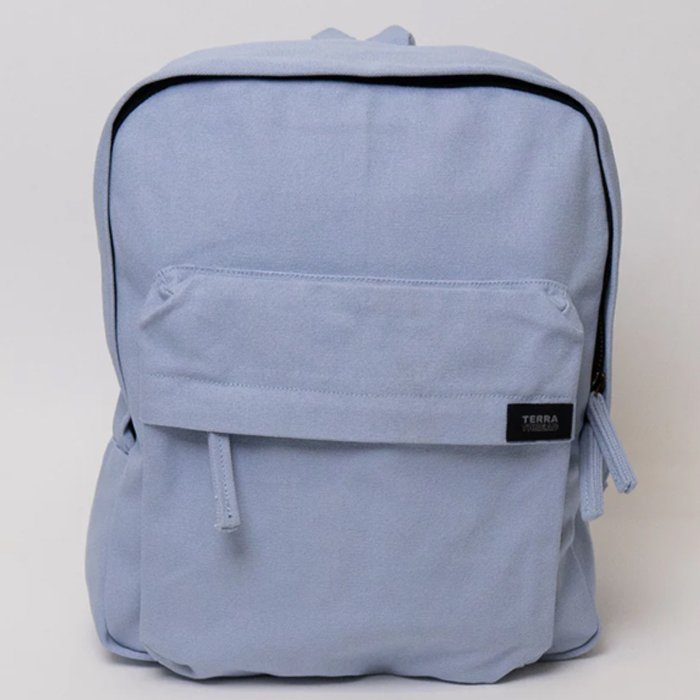
- Organic Cotton: Organic cotton is grown without harmful pesticides or synthetic fertilizers. It requires less water than conventional cotton and is much gentler on the environment. Backpacks made from organic cotton not only reduce water and chemical usage but also support healthier soil and better working conditions for farmers.
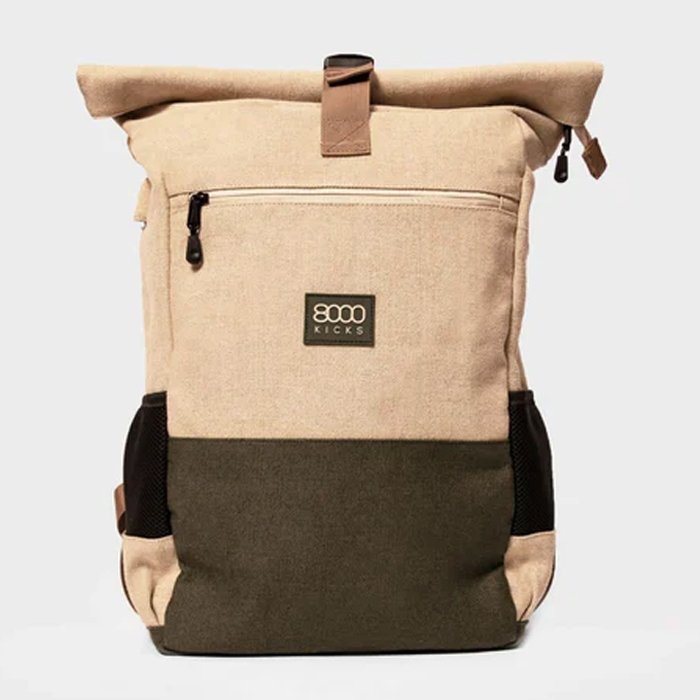
- Hemp: Hemp is one of the most sustainable fibers available, as it requires very little water and no pesticides to grow. It’s durable, lightweight, and biodegradable. Hemp backpacks are not only eco-friendly but also strong and long-lasting.
3. Vegan Leather Alternatives
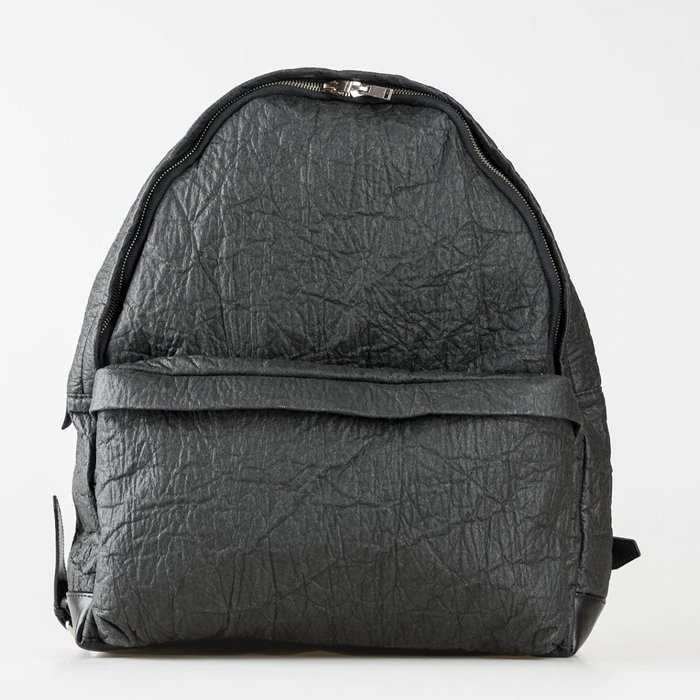
- Piñatex (Pineapple Leather): Made from the fibers of pineapple leaves, Piñatex is a sustainable, biodegradable alternative to traditional leather. It’s durable, stylish, and helps reduce agricultural waste by repurposing byproducts of the pineapple industry.
- Mushroom Leather: Also known as mycelium leather, this plant-based material is made from the root structure of mushrooms. Mushroom leather is an eco-friendly alternative to animal leather and is biodegradable, durable, and cruelty-free.

4. Natural Fibers
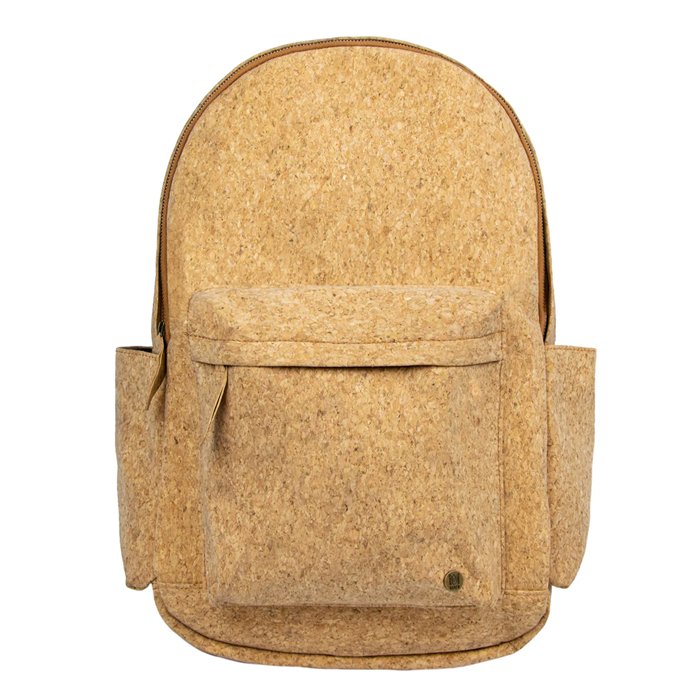
- Cork: Cork is a renewable material harvested from cork oak trees. The bark is stripped from the tree without harming it, and it regenerates over time. Cork is durable, lightweight, and naturally water-resistant, making it a great option for eco-friendly backpacks.
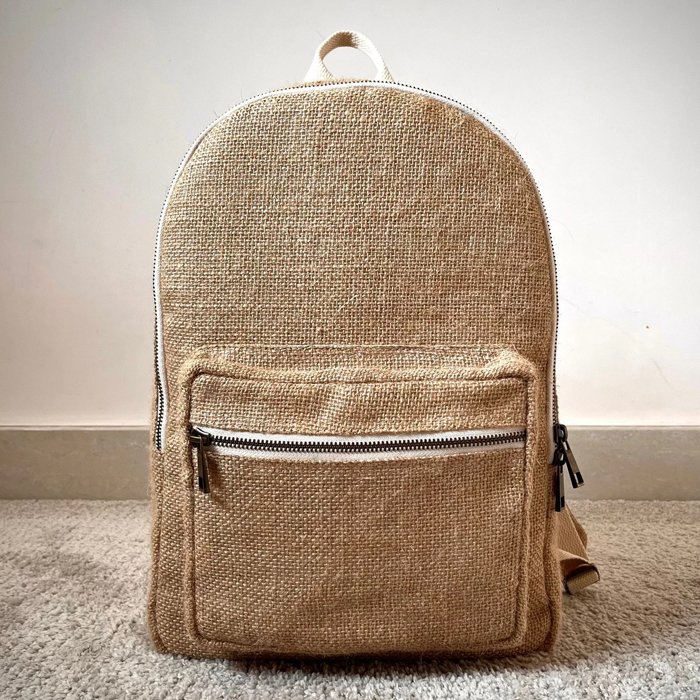
- Jute: Jute is a strong, natural fiber that’s often used for bags and accessories. It’s biodegradable, renewable, and requires minimal water and pesticides to grow, making it an excellent eco-friendly option.
5. Other Sustainable Fabrics
- Recycled Canvas: Canvas made from recycled cotton or polyester is another sustainable fabric used in eco-friendly backpacks. It’s durable, versatile, and reduces waste by repurposing old materials.
- Bamboo Fabric: Bamboo is a rapidly renewable resource, and fabric made from bamboo is soft, durable, and naturally antimicrobial, making it a good choice for backpacks.
By selecting a backpack made from these materials, you’re not only opting for a durable product but also helping reduce environmental harm.
What Are the Benefits of Using an Eco-Friendly Backpack?

Eco-friendly backpacks offer an alternative by reducing waste, conserving natural resources, and supporting ethical manufacturing practices. They help minimize your environmental footprint while providing durable, functional, and stylish products.
Choosing an eco-friendly backpack means making a positive change for the environment without compromising quality or style. Let’s dive deeper into the key benefits.
Reducing Carbon Footprint
When you choose an eco-friendly backpack, you’re actively reducing your personal carbon footprint. For example, by opting for a backpack made from recycled materials, you help divert waste from landfills and reduce the need for new resources. In fact, the environmental cost of creating a recycled product is often far lower than producing a new one.
Healthier Materials
Many eco-friendly backpacks are made from non-toxic materials that are free from harmful chemicals such as BPA, phthalates, and PVC. These chemicals are often found in traditional backpacks and can have adverse effects on both the environment and human health.
Supporting Ethical Manufacturing
Many eco-friendly brands operate under fair trade principles, ensuring that the workers involved in production are treated ethically. This often means fair wages, safe working conditions, and no child labor, contributing to better social standards.
Aesthetic and Functional Appeal
Eco-friendly backpacks come in a wide range of stylish designs, offering consumers the opportunity to make a fashion statement while supporting sustainability. Many eco-friendly backpacks also come with useful features such as ergonomic straps, multiple compartments, and water-resistant designs.
How to Choose the Best Eco-Friendly Backpack?

Struggling to find an eco-friendly backpack that fits your needs without compromising on quality?
When choosing an eco-friendly backpack, consider factors like sustainable materials, durability, ethical production, and functionality. Make sure it suits your lifestyle while aligning with your environmental values.
Ready to make a sustainable choice? Let’s break down the key considerations to keep in mind.
Materials Matter
Always check the materials used in the backpack. Recycled fabrics, organic cotton, and vegan leather alternatives are all great choices. Be cautious of terms like “eco-friendly” without backing up evidence of the product’s sustainable practices.
Consider Durability
A backpack is an investment, so you want one that will last. Look for backpacks made from high-quality materials, such as those mentioned above, and check the construction for signs of durability (e.g., reinforced stitching, high-quality zippers).
Certifications You Can Trust
Look for eco-certifications such as Global Recycled Standard (GRS), OEKO-TEX Standard 100 (ensuring no harmful chemicals), or Fair Trade Certification. These certifications guarantee that the backpack meets high environmental and ethical standards.
Balance Sustainability with Functionality
Ensure that the backpack suits your specific needs, whether it’s for commuting, travel, hiking, or everyday use. Look for backpacks with features such as padded laptop compartments, water-resistant coatings, and comfortable straps.
Consider the Brand’s Sustainability Practices
Research the brand’s commitment to sustainability. Do they practice ethical manufacturing? Are they transparent about their supply chain? Brands that prioritize environmental and social responsibility are often the best choice.
What Are the Common Myths About Eco-Friendly Backpacks?
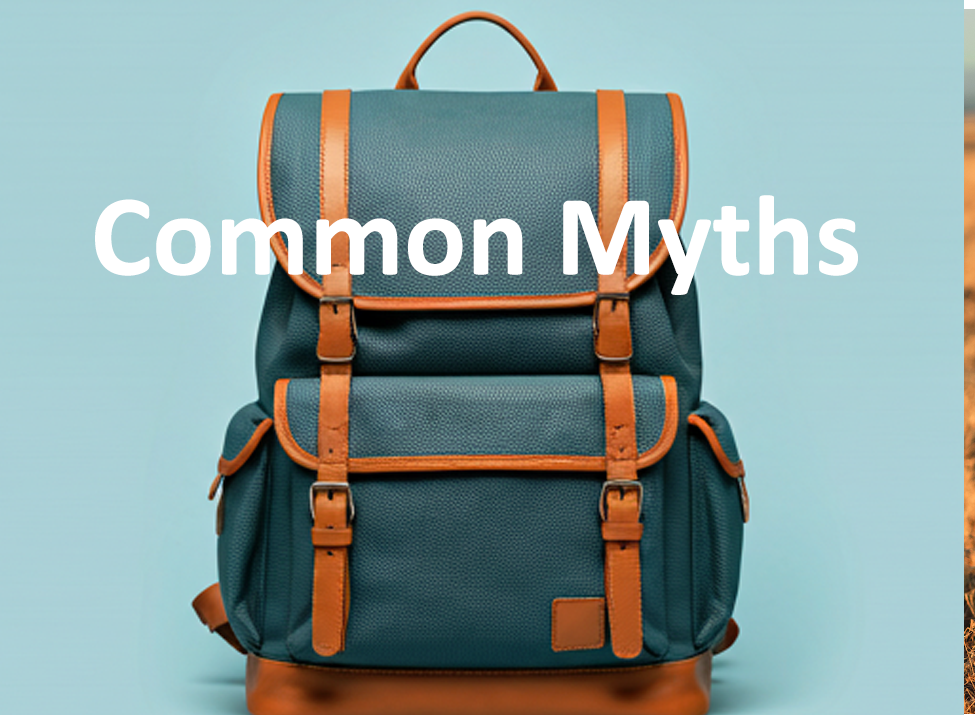
Do you think eco-friendly backpacks are less stylish, more expensive, or less durable?
There are several myths surrounding eco-friendly backpacks, but most of them aren’t true. These misconceptions often deter people from making more sustainable choices, but the reality is that eco-friendly backpacks can be just as fashionable, affordable, and long-lasting as traditional ones.
Let’s bust some of the common myths:
Eco-Friendly Means Expensive
Many people believe sustainable backpacks are too expensive. While some high-end eco-friendly brands may carry a premium price tag, plenty of affordable options are available. The long-term durability of these backpacks means you get more value for your money.
Not as Durable
Some assume that sustainable materials aren’t as strong as synthetic options. In reality, materials like recycled polyester, hemp, and Piñatex are highly durable and long-lasting, often outlasting their conventional counterparts.
Limited Style Options
Gone are the days of drab, beige backpacks. Eco-friendly backpacks come in a wide range of designs, colors, and styles to fit all tastes—proof that sustainability and fashion can go hand in hand.
By debunking these myths, it’s clear that eco-friendly backpacks are a practical, stylish, and cost-effective choice for anyone looking to make more sustainable purchases.
Eco-Friendly Backpacks: A Step Toward a Greener Future
By choosing an eco-friendly backpack, you’re not only making a responsible purchase, but you’re also contributing to a larger movement toward sustainable living. Every choice we make impacts the planet, and the demand for eco-friendly products is shifting industries toward more sustainable practices.
At Osgoodway, we take pride in our commitment to sustainability and offer a range of eco-friendly bags that are both stylish and functional. As an OEM/ODM manufacturer, we understand the importance of creating products that align with both consumer needs and environmental values.
FAQs
Are eco-friendly backpacks more expensive than regular ones?
Eco-friendly backpacks can be more expensive than conventional backpacks because sustainable materials tend to cost more to produce, and the ethical manufacturing processes involved may also add to the price. However, many consumers find the higher cost justifiable because these backpacks last longer, help reduce environmental harm, and support ethical production practices. Plus, several eco-friendly brands offer warranties, meaning the investment may be more cost-effective in the long run.
How can I tell if a backpack is truly eco-friendly?
To ensure a backpack is truly eco-friendly, look for certifications such as:
- Global Organic Textile Standard (GOTS): Certifies organic fabrics and responsible manufacturing.
- Fair Trade Certified: Ensures ethical labor practices.
- B Corp Certification: A sign that a company meets high standards of social and environmental performance.
- Recycled Content Labels: Such as GRS (Global Recycled Standard) or Recycled Claim Standard, which indicate that the materials are sustainably sourced
Can eco-friendly backpacks be used for hiking or travel?
Yes, many eco-friendly backpacks are designed with travel and hiking in mind. Brands like Cotopaxi, Fjällräven, and others create eco-friendly backpacks that are durable, spacious, and functional enough for outdoor adventures. They often feature padded compartments for laptops, water bottle pockets, and weather-resistant fabrics to protect your belongings during travel or hiking
Are eco-friendly backpacks safe to use?
Yes, eco-friendly backpacks are generally safe to use. Many are made from non-toxic materials and dyes, which are free from harmful chemicals like PFAS (per- and polyfluoroalkyl substances) that can be harmful to both people and the environment.
How are eco-friendly backpacks different from regular ones?
Eco-friendly backpacks differ from regular ones in their materials, production processes, and brand practices. They are typically made from recycled, biodegradable, or organic materials, unlike regular backpacks that may use virgin plastics or harmful dyes. Eco-friendly backpacks also tend to be produced in a way that reduces waste and environmental impact
Conclusion
An eco-friendly backpack is more than just a stylish accessory — it’s a statement. By choosing backpacks made from sustainable materials, you’re not only supporting responsible manufacturing practices but also making a tangible difference in the world. So, the next time you’re in the market for a new bag, think about the environment and choose a backpack that helps keep our planet green.
Remember, the choice is in your hands. Will you make the responsible, sustainable choice today?






