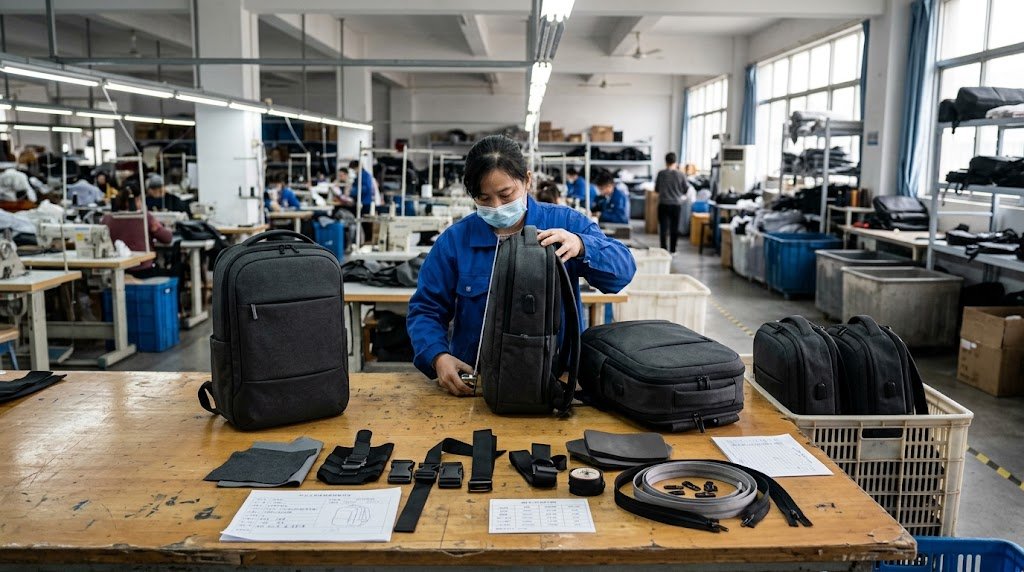
As an OEM/ODM bag manufacturer, I’ve learned that the materials used in backpacks are crucial to their performance, durability, and comfort. Whether you’re designing a hiking backpack or an everyday carry, choosing the right materials is key to creating a product that lasts and performs well.
Many people focus on design and features like zippers or straps, but the raw materials are what truly determine how well a backpack will hold up. The wrong fabric could lead to tears, poor straps could cause discomfort, and inadequate waterproofing could ruin your gear.
In this article, I’ll walk you through the essential materials needed to make a quality backpack and explain why they matter. Whether you’re a manufacturer, a designer, or a consumer, this guide will help you understand the key factors in choosing the right materials for any backpack.
Types of Raw Materials Used in Backpack Production
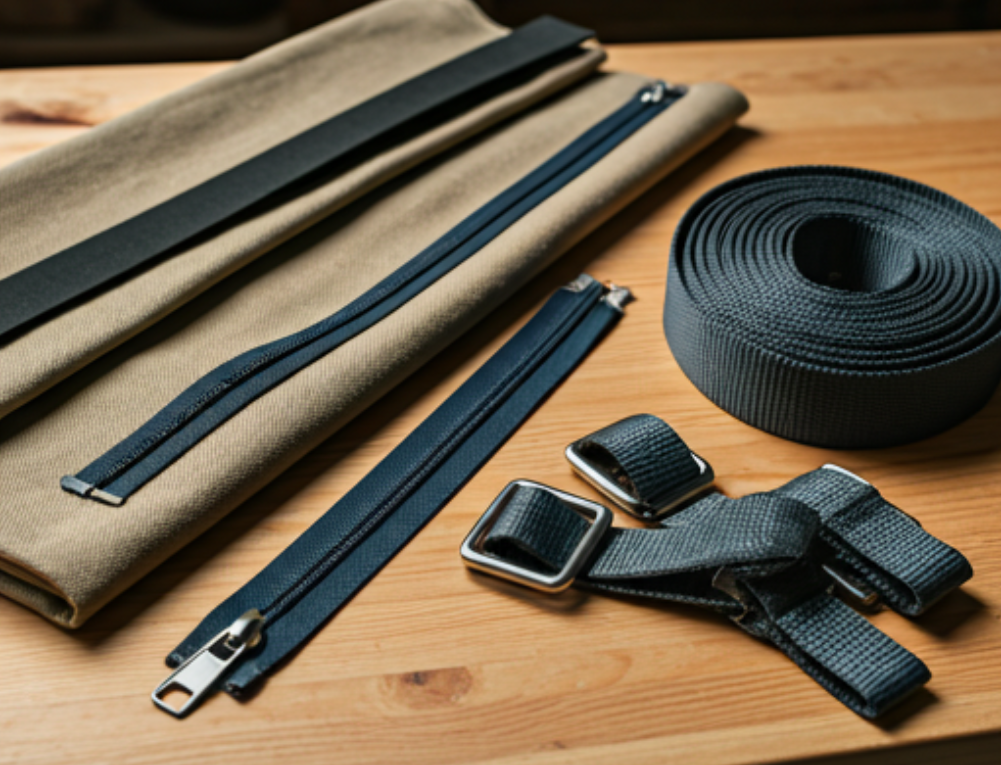
When designing a backpack, selecting the right materials is paramount. The fabric, hardware, and internal components all play a significant role in the performance, durability, and overall quality of the bag. Let’s take a closer look at the different materials commonly used in backpack construction, and why they matter.
1. Primary Fabrics
The fabric is the most visible and impactful part of any backpack, affecting both its durability and functionality. Different types of fabrics are chosen based on their intended use—whether it’s for urban commuting or outdoor adventures.
Nylon
Nylon is one of the most commonly used fabrics for backpacks. Known for its strength, lightweight nature, and water resistance, it’s ideal for creating versatile, durable backpacks. Nylon is often used for everyday carry bags, travel backpacks, and outdoor backpacks because it withstands wear and tear well.
Polyester
Another popular fabric, polyester is resistant to UV rays and tends to resist fading over time. While slightly less durable than nylon, it is more resistant to shrinking and wrinkles, making it a good choice for backpacks exposed to sun and rain. It’s often used in less rugged, more fashion-forward backpacks.
Ripstop Nylon
This is nylon fabric woven with a special reinforcing technique to prevent small tears from turning into large rips. It’s commonly used in high-performance, lightweight backpacks designed for hiking, camping, or other outdoor activities. The extra durability makes it more suitable for rougher environments.
Cordura
Made from high-denier nylon, Cordura is a brand of fabric known for its incredible durability and resistance to abrasion. It’s often used in tactical, military, and high-end backpacks that need to endure harsh conditions. While Cordura is heavier than typical nylon or polyester, its extreme strength makes it perfect for carrying heavy loads.
Canvas
Canvas is a thicker, sturdier fabric often used for classic-style backpacks. It’s highly durable but can be heavier than synthetic fabrics like nylon or polyester. While it may not be as water-resistant, its rugged, vintage aesthetic makes it a popular choice for casual daypacks and lifestyle bags.
Ballistic Nylon
This heavy-duty nylon fabric was originally developed for military use and is often used in high-end backpacks, luggage, and tactical bags. It’s known for its exceptional abrasion resistance and is ideal for backpacks that will undergo intense use or heavy load-bearing.
Polyurethane Coated Fabrics (PU Coating)
Some backpacks use fabrics coated with polyurethane to enhance water resistance. This coating prevents water from soaking into the fabric, making it an excellent choice for backpacks meant to withstand wet weather. PU-coated nylon or polyester is especially common in waterproof or water-resistant outdoor backpacks.
Leather
Leather is a premium material that brings both durability and a stylish aesthetic to backpacks. It’s often used in high-end, luxury backpacks, offering a classic, refined look. Leather is naturally strong and provides excellent resistance to wear and tear. However, it can be heavier and more expensive than synthetic materials, and it requires maintenance to prevent drying and cracking. Leather backpacks are popular in fashion-forward designs, as well as in professional, work-oriented bags.
2. Zippers, Buckles, and Hardware
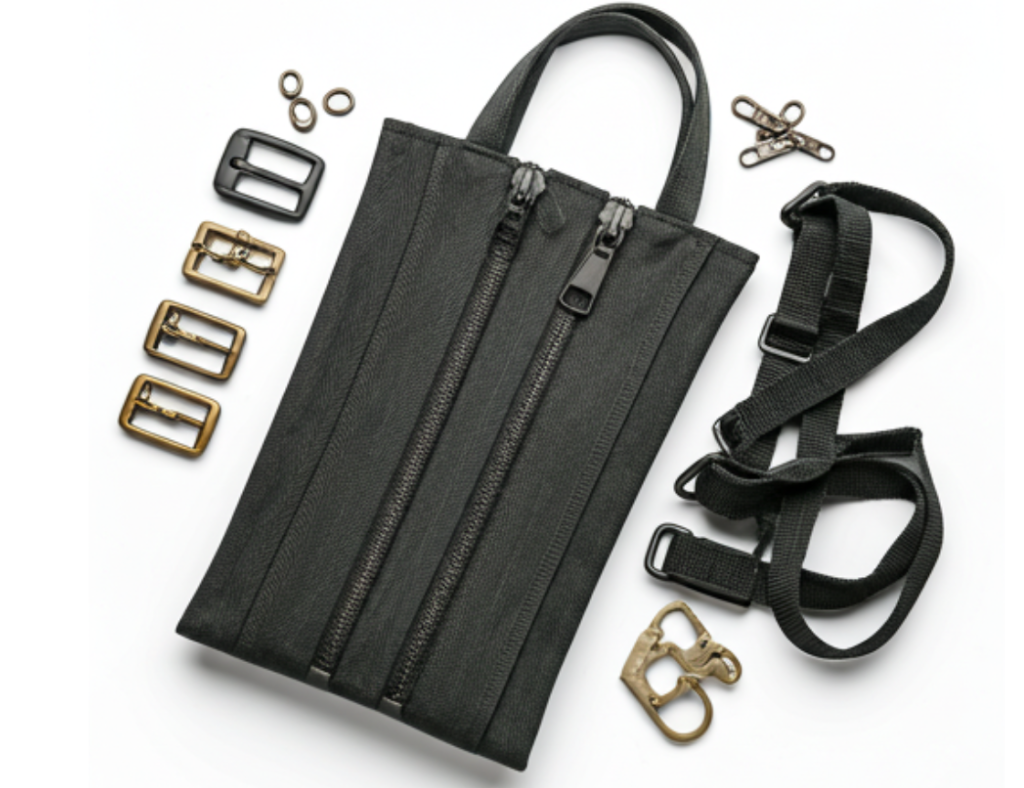
A backpack is only as durable as its components, and zippers, buckles, and other hardware are no exception. These functional elements must be strong, reliable, and long-lasting.
Zippers
Zippers are perhaps the most essential component of any backpack. When choosing zippers, the material, size, and construction all matter. YKK Zippers are the gold standard in the industry for their smooth operation and long lifespan. Waterproof zippers with rubber seals are often used in backpacks meant for hiking or outdoor activities where exposure to the elements is a concern.
Buckles
Buckles are typically made from high-strength plastic or metal, providing secure closures and adjustments. Plastic buckles are lightweight, making them ideal for most everyday backpacks, while metal buckles, like aluminum or steel, are used for backpacks designed to handle heavy loads and extreme conditions.
D-rings and Clips
Small metal or plastic rings used to attach accessories or adjust straps. These components should be made of durable materials to withstand continuous use and pressure.
Webbing
The straps and adjustment belts of a backpack are usually made from polyester or nylon webbing. This type of fabric is woven tightly to ensure durability and strength without adding excessive weight to the bag.
3. Padding and Internal Support
For comfort and structural integrity, backpacks require padding in key areas such as the shoulder straps, back panel, and bottom.
Foam Padding
Foam is a lightweight, yet effective material used to cushion areas that come into contact with your body, such as shoulder straps and back panels. It helps distribute the weight of the bag evenly, reducing strain on the wearer’s body.
EVA Foam
Ethylene-vinyl acetate (EVA) foam is commonly used in high-performance backpacks, especially in the back panels and shoulder straps. EVA is lightweight, durable, and offers excellent cushioning. It’s frequently used in sports bags, laptop bags, and travel backpacks.
Mesh
Mesh fabrics are often integrated into the back panel and straps of backpacks to enhance breathability and moisture-wicking. The addition of mesh ensures that sweat doesn’t accumulate, keeping the user more comfortable during prolonged wear. It’s especially beneficial in hiking, camping, and athletic backpacks.
Cushioning with Gel
Some premium backpacks incorporate gel padding in the straps and back panels for added comfort, especially in backpacks designed for heavy loads or long durations of wear.

4. Waterproofing and Durability Coatings
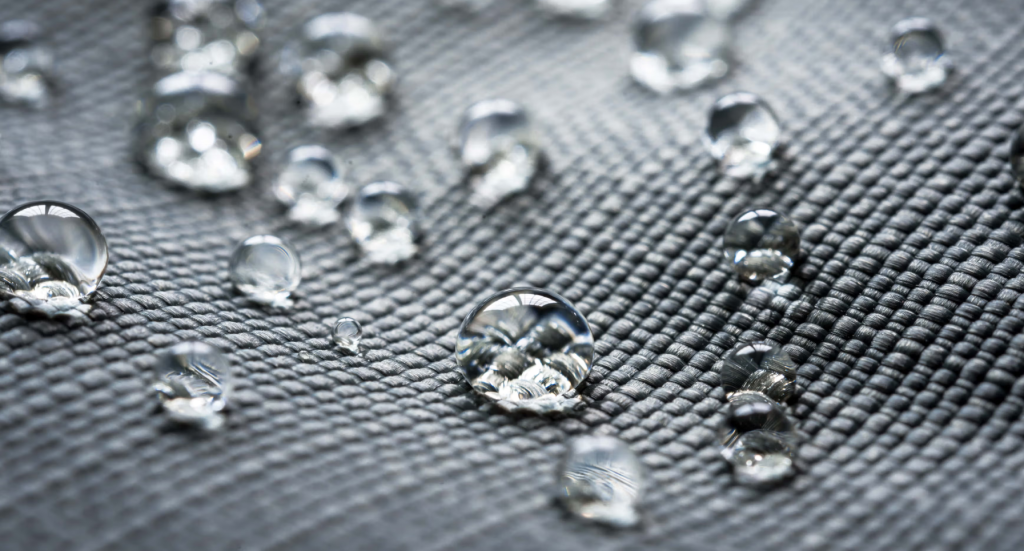
For outdoor and tactical backpacks, waterproofing and protective coatings are vital to ensure the contents stay dry and the bag remains durable in tough conditions.
Polyurethane (PU) Coatings: PU coatings are often used on fabric to make it water-resistant. A PU-coated nylon or polyester backpack will resist moisture better, keeping the contents dry in light rain or damp conditions.
DWR (Durable Water Repellent): DWR treatments are applied to fabrics to make them water-resistant, but not completely waterproof. Many outdoor backpacks feature DWR-treated fabrics that help water bead off the surface, protecting the contents in light rain.
GORE-TEX: For extreme weather conditions, GORE-TEX is a breathable, waterproof material often used in premium outdoor backpacks. It provides total waterproofing while allowing moisture (like sweat) to escape, making it ideal for hiking or mountaineering backpacks.
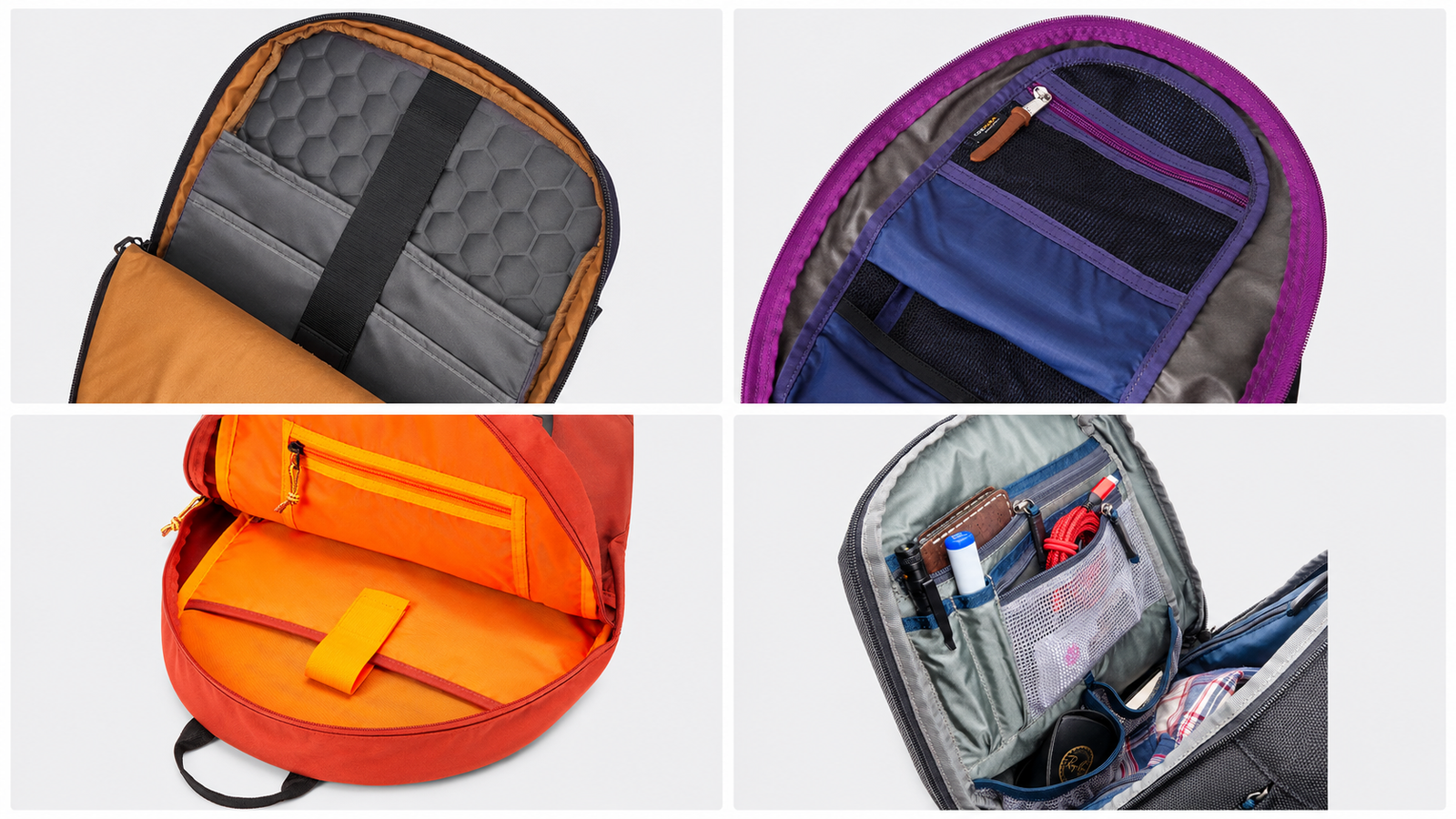
5. Internal Linings and Organizational Materials
The inside of a backpack isn’t just about space—it’s about organization and protecting your items from damage.
Ripstop Lining: Many backpacks feature a ripstop lining inside to prevent damage to the interior when packing heavy or sharp items like electronics or tools.
Soft Lining for Electronics: For backpacks designed to carry laptops, tablets, or cameras, soft fleece or felt lining is often used in the interior compartments to protect delicate items from scratches or impacts.
Mesh Pockets and Dividers: Mesh or fabric dividers are added inside backpacks to organize smaller items, like pens, wallets, or chargers. These compartments help users keep their belongings tidy and easily accessible.
Each of these materials contributes to the overall performance of a backpack. From fabric choices that balance weight and durability to padding that enhances comfort, selecting the right material ensures that the final product meets the needs of the user, whether for everyday carry or extreme outdoor activities.
How to Choose the Best Raw Materials for Your Backpack Needs?
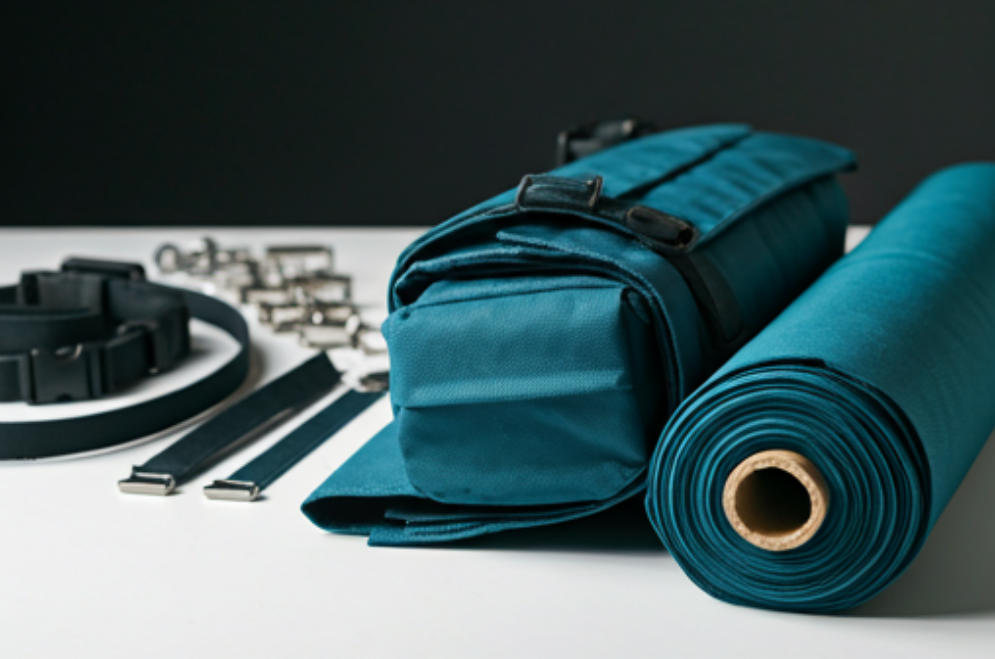
Choosing the right raw materials for your backpack involves more than just picking a fabric based on its appearance or price tag. It requires understanding the specific needs and intended use of the backpack, considering factors like durability, functionality, comfort, weather resistance, and style.
Here’s how to make an informed decision when selecting the best raw materials for your backpack:
1. Assess Your Purpose of the Backpack
The first step in choosing the right raw materials is to consider the primary use of the backpack. Will it be used for urban commuting, travel, hiking, or heavy-duty tactical purposes? The intended function will guide which materials offer the best balance of performance, durability, and cost-effectiveness.
- Everyday Use (Commuting, School, Travel): If the backpack is primarily for daily use, you’ll want a fabric that balances durability with light weight. Polyester and Nylon are often the best options here, as they are affordable, lightweight, and sufficiently durable to handle daily wear and tear. Look for water-resistant coatings (such as DWR) to protect your belongings during light rain.
- Outdoor and Hiking Backpacks: For backpacks meant for hiking or outdoor activities, you’ll need materials that can withstand rugged environments and protect your gear from the elements. Ripstop Nylon, Cordura, and Ballistic Nylon are excellent choices for their abrasion resistance and tear prevention. For added weather protection, look for waterproof or water-resistant fabrics, like GORE-TEX or PU-coated fabrics.
- Travel and Luggage Backpacks: If you’re designing a travel backpack or luggage, comfort and organizational features are key. Materials like EVA foam for cushioning, mesh for breathability, and nylon or polyester for lightweight yet durable outer shells are perfect. Leather can also be a stylish option for business and travel bags, offering a professional appearance while still being tough.
- Tactical or Military Backpacks: These types of backpacks require materials that offer the highest strength and durability. Ballistic Nylon, Cordura, and Ripstop fabrics are specifically designed to withstand extreme conditions and carry heavy loads. Heavy-duty metal buckles and reinforced straps are necessary for ensuring longevity under pressure.
2. Evaluate Durability and Strength
A backpack is only as good as its ability to endure the rigors of daily use and transport heavy loads without falling apart. Durability is an essential consideration when selecting raw materials.
- Abrasion Resistance: Materials like Cordura and Ballistic Nylon excel in resisting abrasions, which is crucial for backpacks that will experience rough handling, such as those used in hiking or tactical settings. Ripstop Nylon is another strong contender, especially if you’re worried about small tears or punctures turning into bigger issues.
- Weight Considerations: While Ballistic Nylon and Cordura offer exceptional durability, they can be heavier than fabrics like Nylon and Polyester. If weight is a concern, opt for Ripstop Nylon or Polyester, which offer a good balance between strength and weight. For a super lightweight backpack, materials like Microfiber and Polyester are also options worth considering.
3. Assess Comfort and Ergonomics
For backpacks designed for carrying heavy loads or for long periods, comfort is paramount. The materials chosen for internal components, straps, and back panels will play a major role in user comfort.
- Padding: Look for EVA foam for lightweight, flexible padding that provides superior comfort. Memory foam or gel pads can offer extra cushioning for shoulder straps and back panels. These materials help to distribute weight evenly and reduce pressure on the wearer’s body.
- Breathability: Mesh fabrics are essential for adding ventilation and breathability to the back panel and shoulder straps. This helps reduce sweat accumulation and makes wearing the backpack more comfortable during prolonged use.
- Shoulder Straps and Back Panels: If comfort is a top priority, ensure the shoulder straps and back panels are well-padded with foam or mesh fabric for added support. You’ll also want to make sure that these areas are ergonomically designed to promote even weight distribution.
4. Consider Weather Resistance and Waterproofing
For outdoor, tactical, or travel backpacks, protecting your gear from the elements is a key consideration. Depending on where and how the backpack will be used, weather resistance can be a deciding factor in material selection.
- Waterproofing: For backpacks exposed to rain or moisture, fabrics like GORE-TEX, PU-coated Nylon, or Waterproof Polyester are ideal for providing excellent protection from water. DWR (Durable Water Repellent) coatings are a good option for everyday bags that will only occasionally face wet conditions.
- Leather: While leather is not waterproof, treated leather can provide some water resistance, especially for light rain. However, for backpacks exposed to extreme weather, you might want to look into combining leather with water-resistant coatings or integrating a waterproof layer inside the bag.
5. Aesthetic and Style Considerations
A backpack’s material also plays a significant role in its appearance. Depending on your target audience and the type of backpack you’re designing, the aesthetic appeal of the material can be just as important as its functionality.
- Leather: If you’re aiming for a sophisticated or premium look, leather is a natural choice. Its rich texture and durability make it perfect for high-end backpacks that are designed to be both functional and stylish. Leather works well for business bags, fashion backpacks, and luxury items.
- Canvas: For a more casual, vintage-inspired aesthetic, canvas is a great material. It provides a classic look and is widely associated with everyday carry bags. It also offers durability but with a more laid-back style compared to other more technical fabrics like nylon or polyester.
- Sleek Modern Designs: Nylon and Polyester offer a sleek, modern look, particularly in urban backpacks. These materials come in a variety of colors and textures, offering versatility when trying to create something both practical and fashionable.
6. Cost-Effectiveness vs. Premium Materials
Lastly, while some materials like Leather and GORE-TEX are premium choices that offer exceptional durability and performance, they can also drive up the cost of production. It’s essential to evaluate whether the added expense is justified by the intended market and use.
- For high-end, luxury backpacks, the investment in premium materials like leather or Ballistic Nylon is well worth it.
- For everyday use or school backpacks, Polyester and Ripstop Nylon are more cost-effective options that still offer excellent performance and durability.
Selecting the best raw materials for your backpack depends largely on the intended use, durability requirements, comfort preferences, weather conditions, and aesthetic choices. By carefully considering these factors, you can make informed decisions that balance quality, functionality, and cost, ensuring that your final product meets both your needs and the expectations of your customers.

Challenges in Sourcing Raw Materials
Supply Chain Issues
Sourcing raw materials is not without its challenges. The global supply chain can be unpredictable, with fluctuations in prices due to demand shifts or geopolitical factors. As manufacturers, we must navigate these complexities to secure high-quality materials at reasonable prices. Ethical sourcing is also a growing concern; ensuring that our materials are produced sustainably and fairly is paramount.
Quality Control
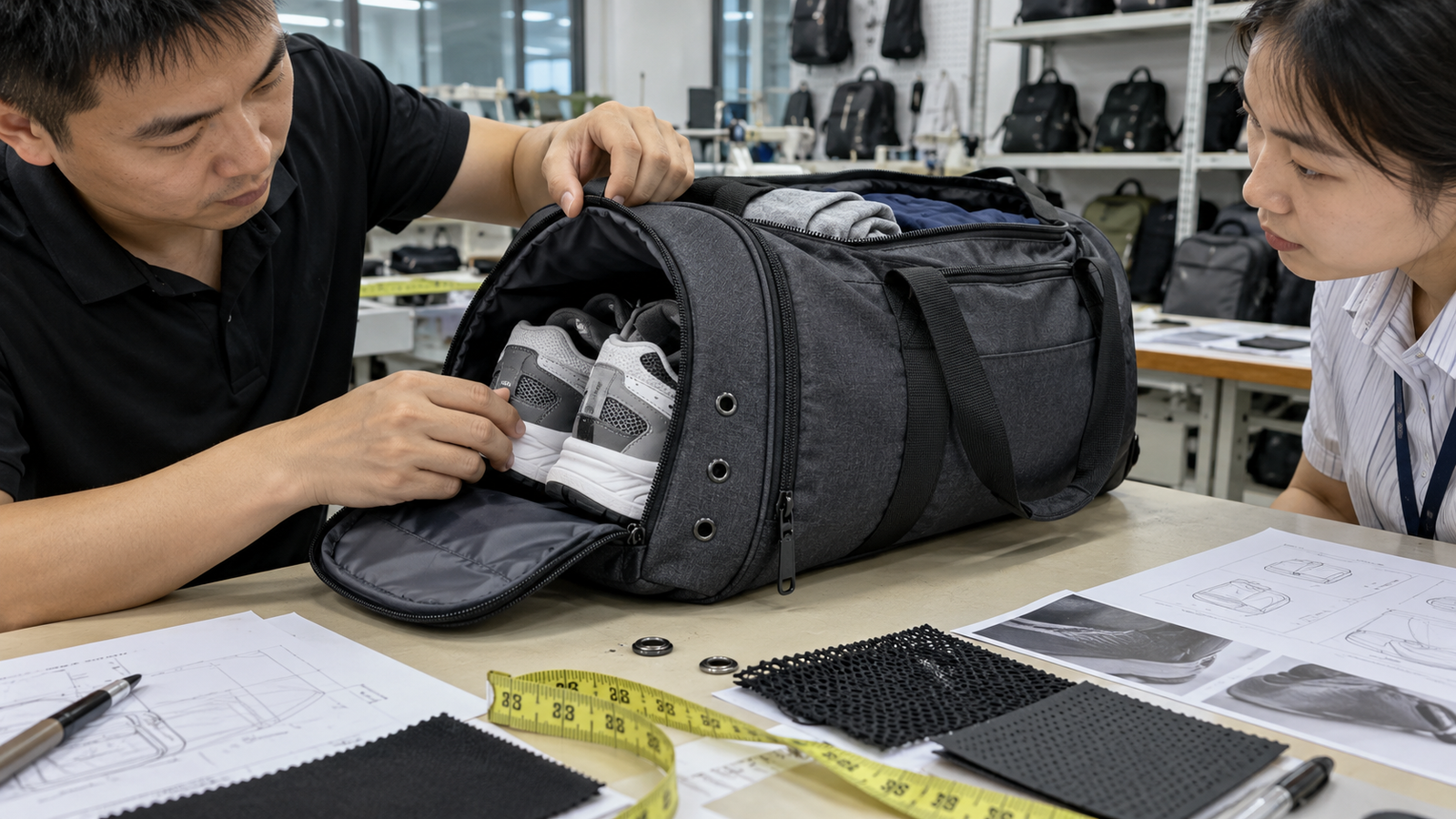
Maintaining consistent quality across batches of raw materials is another hurdle we face. Each material must undergo rigorous testing to meet durability and safety standards. This quality control process is vital to ensure that every backpack we produce meets our high expectations and those of our customers.
Cost Considerations in Backpack Manufacturing
When it comes to manufacturing costs, understanding the financial implications of raw material choices is crucial. For instance, while nylon may be more expensive than polyester, its durability can lead to longer-lasting products that justify the investment. Additionally, factors such as labor costs and overhead expenses must be considered when estimating overall production costs.
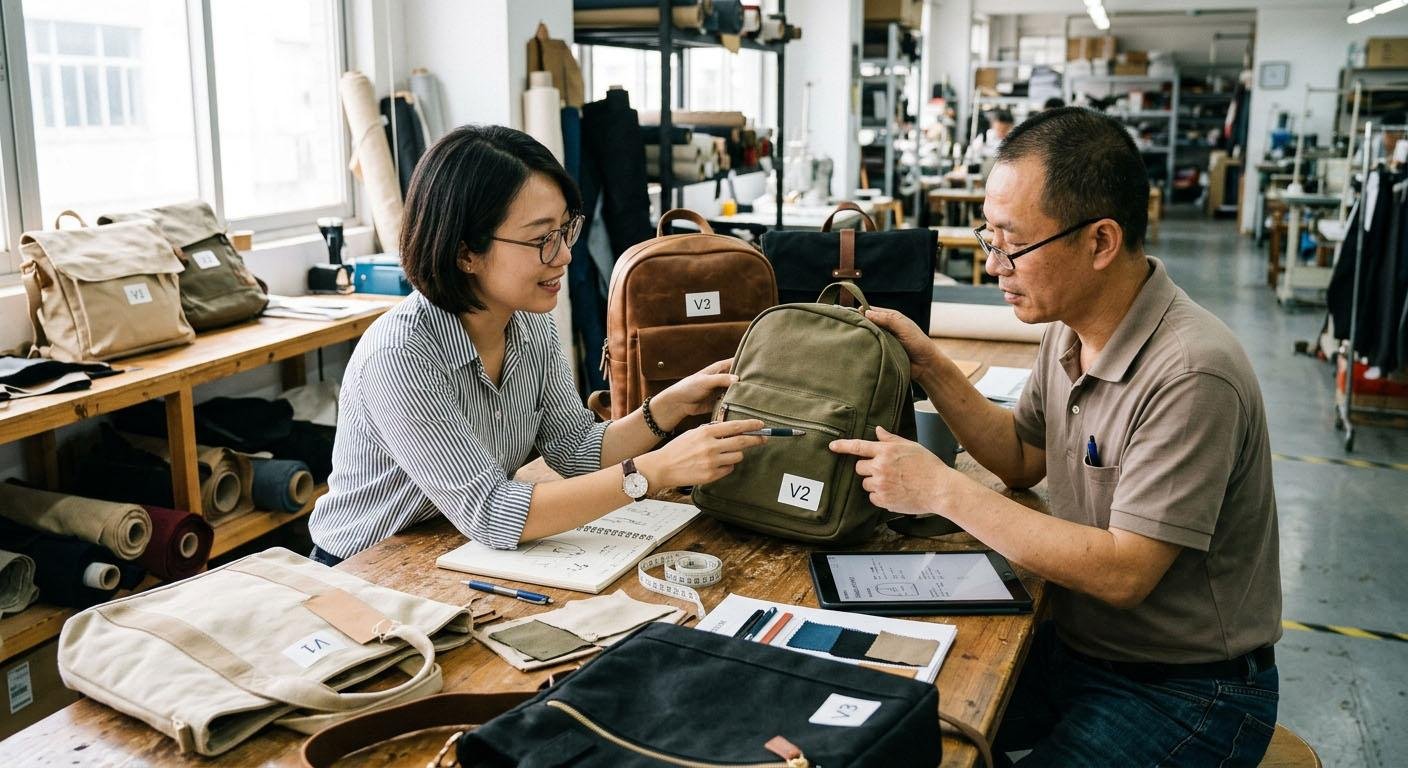
To strike a balance between quality and cost-effectiveness, I recommend conducting thorough market research to identify reliable suppliers who offer competitive pricing without compromising on material integrity.
Conclusion: Making Informed Choices for Backpack Manufacturing
In conclusion, selecting the right raw materials is fundamental to producing high-quality backpacks that meet consumer needs and expectations. As manufacturers, we have a responsibility not only to our customers but also to the environment. By prioritizing sustainable practices and ethical sourcing while maintaining stringent quality control measures, we can create backpacks that are not only functional but also contribute positively to our planet.
As you embark on your journey of backpack manufacturing or purchasing decisions, remember that every choice you make regarding raw materials will ultimately shape the final product’s performance and user satisfaction. Let’s work together towards creating backpacks that stand the test of time—both in style and sustainability.
What Are the Best Recycled Materials in Backpack Production?
How To Source Quality Fabrics for Backpack Bags?