


Choosing a new backpack feels overwhelming. You worry it will be too big and bulky, or too small to fit your essentials. This guide makes finding your perfect fit simple.
For general daily use, the best backpack size1 is between 21-30 liters. This range comfortably fits a laptop, a water bottle, a jacket, and other daily essentials. Minimalists who carry only a few items can opt for a 15-20 liter pack, while those who carry gym clothes or extra gear should consider a 30-40 liter backpack.
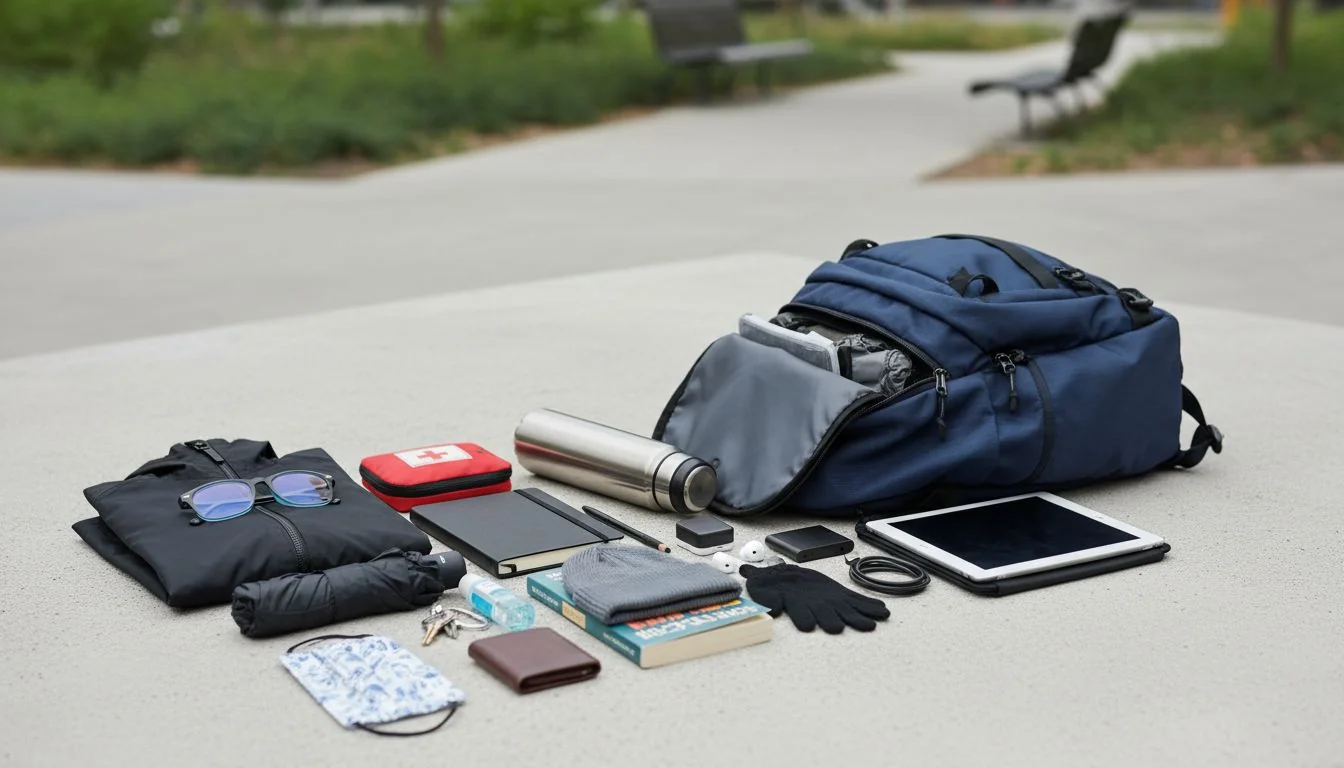
Finding that "just right" bag is a great feeling. It makes your day smoother and more organized. I’ve spent years designing and manufacturing bags, and I’ve learned that size is the most important decision you’ll make. But before we get into the details of choosing, we need to understand what the numbers on the tag actually mean. Let’s break down the language of backpack capacity2 so you can choose with confidence.
[claim claim=”The liter capacity of a backpack directly corresponds to the maximum weight in kilograms it can hold.” istrue=”false” explanation=”Liters measure volume (the amount of space inside), not weight. A bag’s comfortable carrying weight depends on its construction, materials, and strap design.”]
[claim claim=”A 30-liter backpack has 50% more volume than a 20-liter backpack.” istrue=”true” explanation=”The liter measurement is a direct, linear measure of internal volume. So, a 30L pack has exactly 10 more liters of space than a 20L pack.”]
What Are the Different Backpack Sizes and What Do They Hold?
Staring at a wall of backpacks with sizes like "18L" or "32L" is confusing. You end up guessing what will actually fit inside. Let’s translate those numbers into real-world items.
Backpack sizes are measured in liters to show their total volume. For daily use3, they fall into three main categories. Understanding what each size holds helps you see which one fits your life, whether you’re a minimalist or you pack for every possibility.
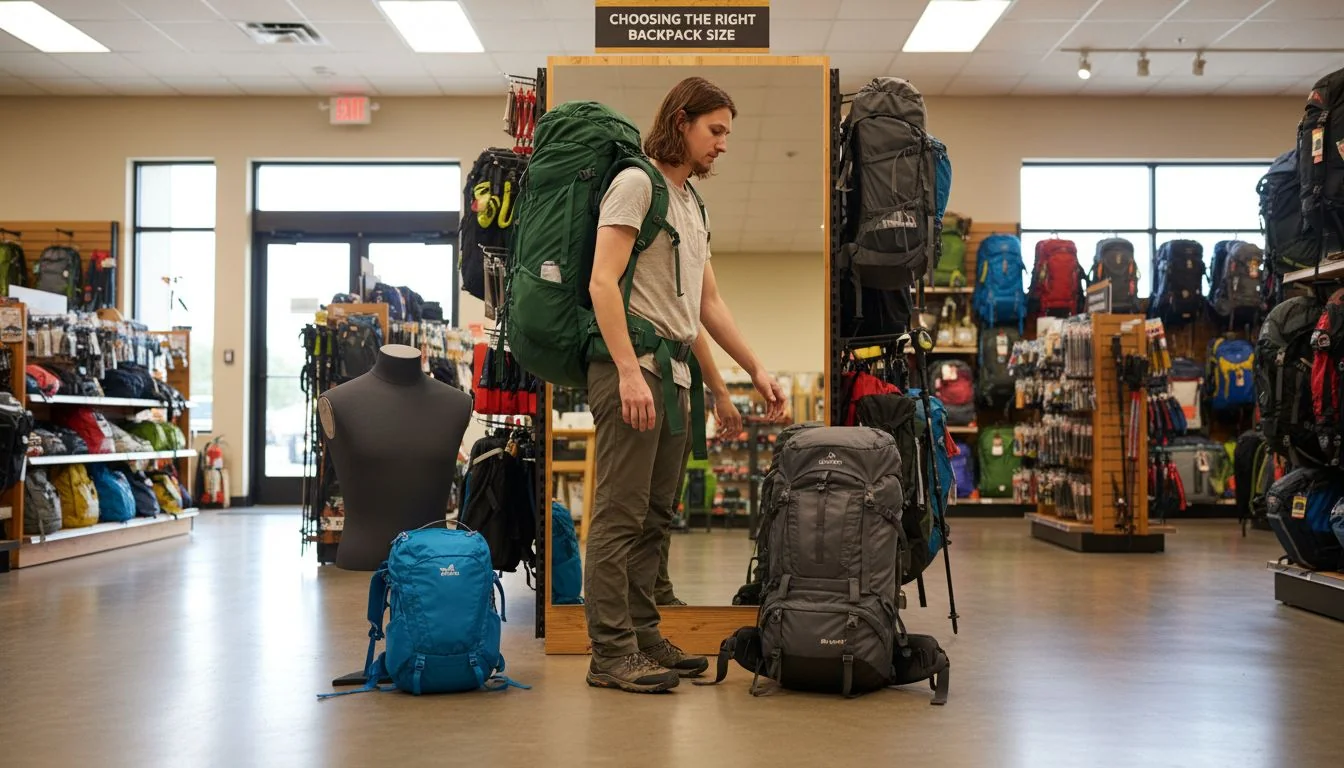
I’ve worked on designs across this entire spectrum, and each size serves a very specific person. It’s all about matching the bag’s volume to your daily cargo.
The Compact Carrier (15-20 Liters)
This is the minimalist’s choice. I think of it as a slim, streamlined bag for just the essentials. When we design bags in this range, the goal is to eliminate bulk. It’s perfect for someone who carries a tablet instead of a laptop or just needs a few items for a short trip.
- What it holds: A 13-inch laptop or tablet, a notebook, your phone, wallet, keys, and a small snack. It generally will not comfortably fit a bulky jacket or a large lunch container.
The Daily Driver (21-30 Liters)
This is the most popular and versatile size, and it’s the range most of our clients request for their core product lines. It’s the "just right" capacity for a standard day. It’s big enough for your work or school needs but not so big that it feels like you’re going on a camping trip.
- What it holds: A 15-inch laptop and its charger, a large water bottle, a packed lunch, a light jacket or sweater, and several books or notebooks.
The Extended Daypack (31-40 Liters)
This size is for people who pack for more than just the 9-to-5. It’s built for long days that blend work, the gym, and your social life. It’s also an excellent size for a travel bag.
- What it holds: Everything from the 21-30L category, plus a full change of gym clothes, a pair of shoes, a towel, and a toiletry kit.
[claim claim=”A 20-liter backpack is the standard size for international carry-on luggage.” istrue=”false” explanation=”While a 20L pack is small enough for a carry-on, the maximum size is typically around 40-45 liters, though this varies by airline.”]
[claim claim=”The liter capacity of a backpack is measured by filling the bag with small plastic pellets and then measuring their volume.” istrue=”true” explanation=”This is the industry-standard ASTM method for measuring the true, usable volume of all compartments in a backpack.”]
How Do I Choose Between a Backpack for Work, School, or Everyday Use?
A bag that’s perfect for campus might look out of place in the office. Using the wrong style can feel unprofessional or just be impractical. Let’s match the backpack to your daily mission.
The right choice depends on a balance of three things: Aesthetics, Organization, and Capacity. Your primary activity dictates which of these is most important. A student’s needs are very different from a professional’s.
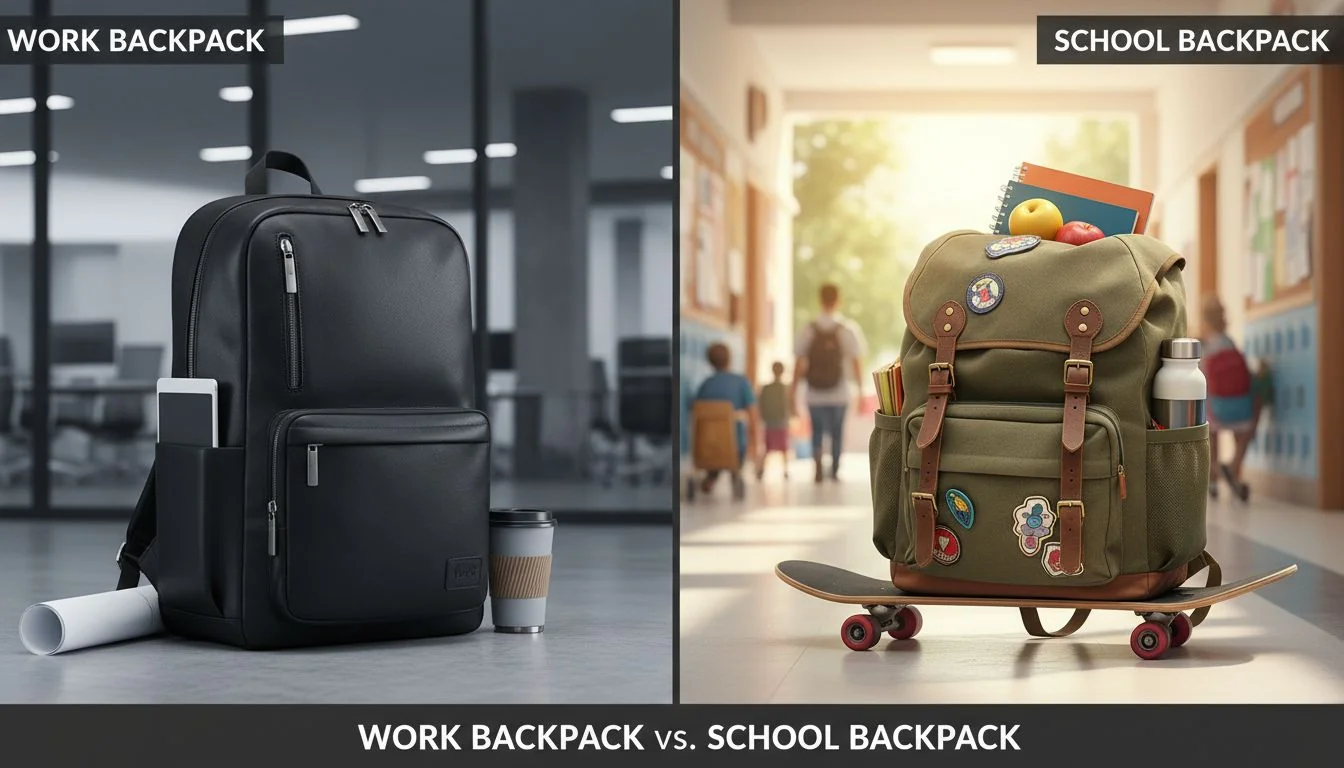
As a designer, I think about these three factors constantly. The look of the bag, how it organizes your gear, and how much it holds are the core of any good design.
For Work: Professionalism and Organization
-
Key Considerations:
- Aesthetic: Choose a sleek, structured design.
- Materials: Look for high-quality materials like waxed canvas, leather, or ballistic nylon.
- Organization: Prioritize compartments for technology (laptop, chargers, cables).
- Laptop Compartment: Ensure a well-padded section for your laptop.
- Size: Ideal size is 20-28 liters for a balance between portability and space.
-
Example: Mission Workshop Meridian Backpack – 26L
- Features: Modular LandSpeeder system, weather-resistant materials, padded laptop sleeve, and sleek professional design.
- Capacity: 26 liters, expandable with optional modules.
For School: Capacity and Durability
-
Key Considerations:
- Capacity: Needs to carry textbooks, laptop, and supplies.
- Compartment Design: Multiple large compartments help organize heavy books and delicate items.
- Durability: Strong, durable materials (reinforced stitching and tough fabrics).
- Size: Ideal size is 24-32 liters to manage heavy loads.
-
Example: Osprey Nebula 32 Backpack
- Features: Comfortable fit, capable of carrying heavy loads, and excellent organizational capabilities.
- Capacity: 32 liters, suitable for carrying textbooks and a laptop.
For Everyday Use: Versatility
-
Key Considerations:
- Versatility: A bag that can adapt to different daily activities (errands, meetings, trips).
- Personal Style: Reflect your style through your choice of color, design, or brand.
- Size: 21-30 liters offers a good balance of space and comfort for varied daily needs.
-
Example: Nordace Bergen Backpack
- Features: Lightweight, external USB charging port, and sleek design.
- Capacity: Approximately 25 liters, ideal for daily commuting and casual outings.
Quick Comparison Table
| Category | Key Considerations | Ideal Size | Example Product |
|---|---|---|---|
| Work | Sleek design, professional materials, tech organization | 20-28 liters | Mission Workshop Meridian Backpack – 26L |
| School | High capacity, durability, and strong compartment design | 24-32 liters | Osprey Nebula 32 Backpack |
| Everyday Use | Versatile, stylish, and balanced for daily activities | 21-30 liters | Nordace Bergen Backpack |
Choosing the right backpack size depends on your specific needs. Whether you need a sleek, professional bag for work, a durable, spacious one for school, or a versatile pack for everyday use, understanding the key considerations for each type of bag ensures you make the right choice.
By focusing on the ideal size and features for your lifestyle, you can find the perfect backpack to meet both your practical and style needs.
[claim claim=”Leather backpacks are always heavier and less durable than nylon backpacks.” istrue=”false” explanation=”While often heavier, high-quality, full-grain leather is extremely durable and can last for decades. The durability of nylon varies greatly depending on its denier (thickness).”]
[claim claim=”A structured backpack holds its shape even when empty, which can provide better protection for its contents.” istrue=”true” explanation=”Structured bags often use foam padding and stiffer materials, which prevent the bag from collapsing and offer a protective shell for electronics and fragile items.”]
How Do I Choose a Size for My Specific Needs: Student vs. Professional?
You’re still not sure which size is right for your role. You’re worried about buying a bag that’s too big or too small. Let’s look at a direct comparison to make it clear.
Matching the backpack size to your daily role is the key to finding the perfect fit. A student carrying heavy books has different needs than a minimalist who only carries a tablet. This simple chart breaks it down.
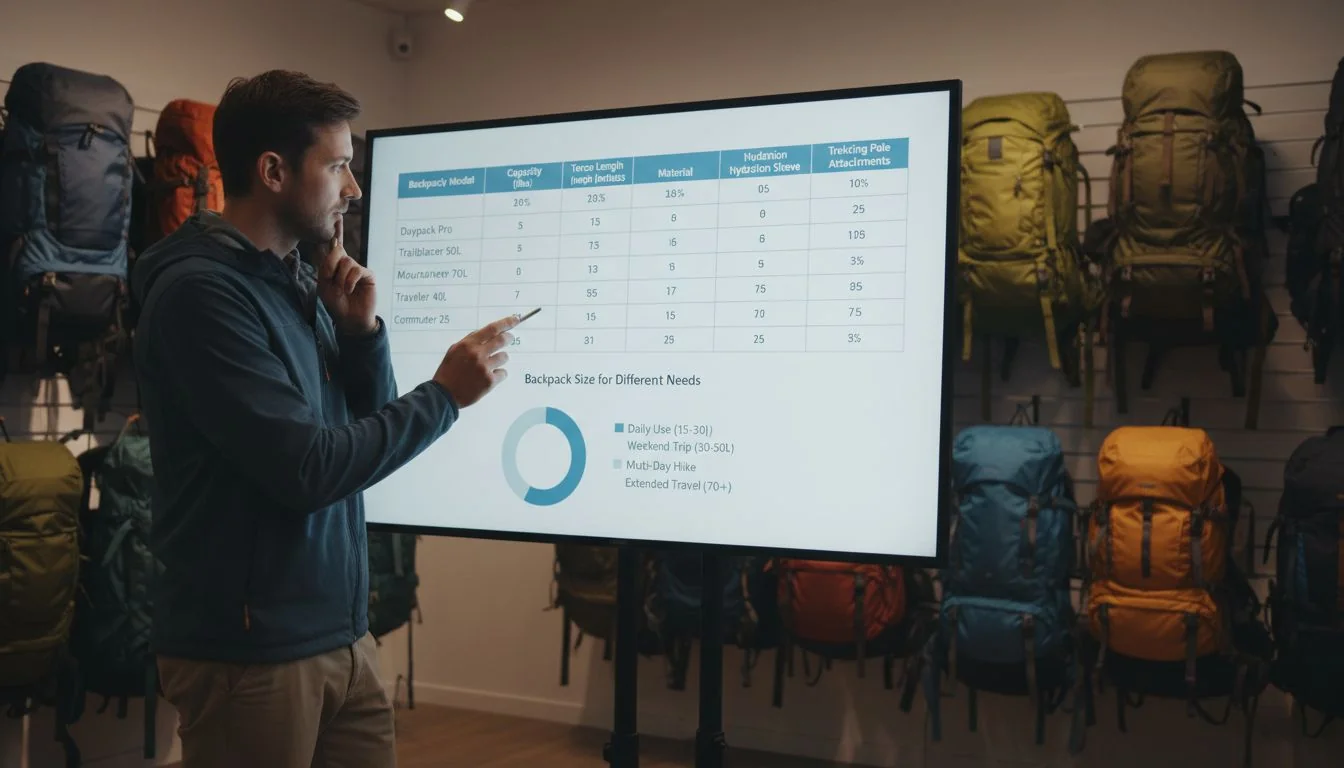
I often create profiles like these when starting a new design project. Thinking about the specific person who will use the bag helps me focus on the features that matter most to them.
A Direct Comparison for Your Daily Role
This table gives you a quick guide to help you decide. Find the persona that sounds most like you, and see what size and features we recommend.
| Persona | Typical Daily Carry | Recommended Size | Key Features to Look For |
|---|---|---|---|
| University Student | Laptop, 2-3 textbooks, notebooks, water bottle, chargers, lunch. | 24-32 Liters | Durable materials, multiple large compartments, comfortable straps for heavy loads. |
| Urban Professional | 15" Laptop, tablet, documents, chargers, light jacket, coffee thermos. | 20-28 Liters | Sleek professional look, smart organization, padded laptop sleeve, easy-access pockets. |
| Gym Commuter | Work items + gym clothes, shoes, towel, toiletry kit. | 30-40 Liters | Separate "wet/dry" or shoe compartment, expandable volume, good back ventilation. |
| Digital Minimalist | 13" laptop or tablet, notebook, phone, wallet, keys. | 15-20 Liters | Slim profile, lightweight construction, minimalist design, essential organization. |
The Gym Commuter is a great example of why a larger bag is sometimes necessary. One of the most common requests I get from brands creating these bags is for a separate, ventilated shoe compartment. It’s a feature that completely changes the user experience by keeping dirty shoes away from clean clothes and electronics.
For the Urban Professional, the focus is different. The bag must look just as good in a client meeting as it does on the subway, so a clean design and premium materials are essential.
[claim claim=”A 32-liter backpack is always better for a student than a 24-liter backpack.” istrue=”false” explanation=”Not necessarily. If a student primarily uses a laptop and digital textbooks, a smaller 24L pack might be more comfortable and less bulky. The best size depends on the specific course load.”]
[claim claim=”A ‘Digital Minimalist’ typically prioritizes a lightweight and slim backpack over large capacity.” istrue=”true” explanation=”This user profile values carrying only the essentials. Therefore, a low-profile, lightweight design is more important than the ability to carry extra items.”]

How Do I Choose a Backpack That Fits My Body Type?
Your backpack is constantly digging into your shoulders. It leaves you with an aching back at the end of the day. Let’s talk about fit and proportion, not just liter size.
A comfortable backpack is one that is proportional to your body. While precise torso measurements are critical for huge hiking packs, the key for daily use is proportion and good strap design. An ill-fitting bag will be uncomfortable no matter how much it holds.
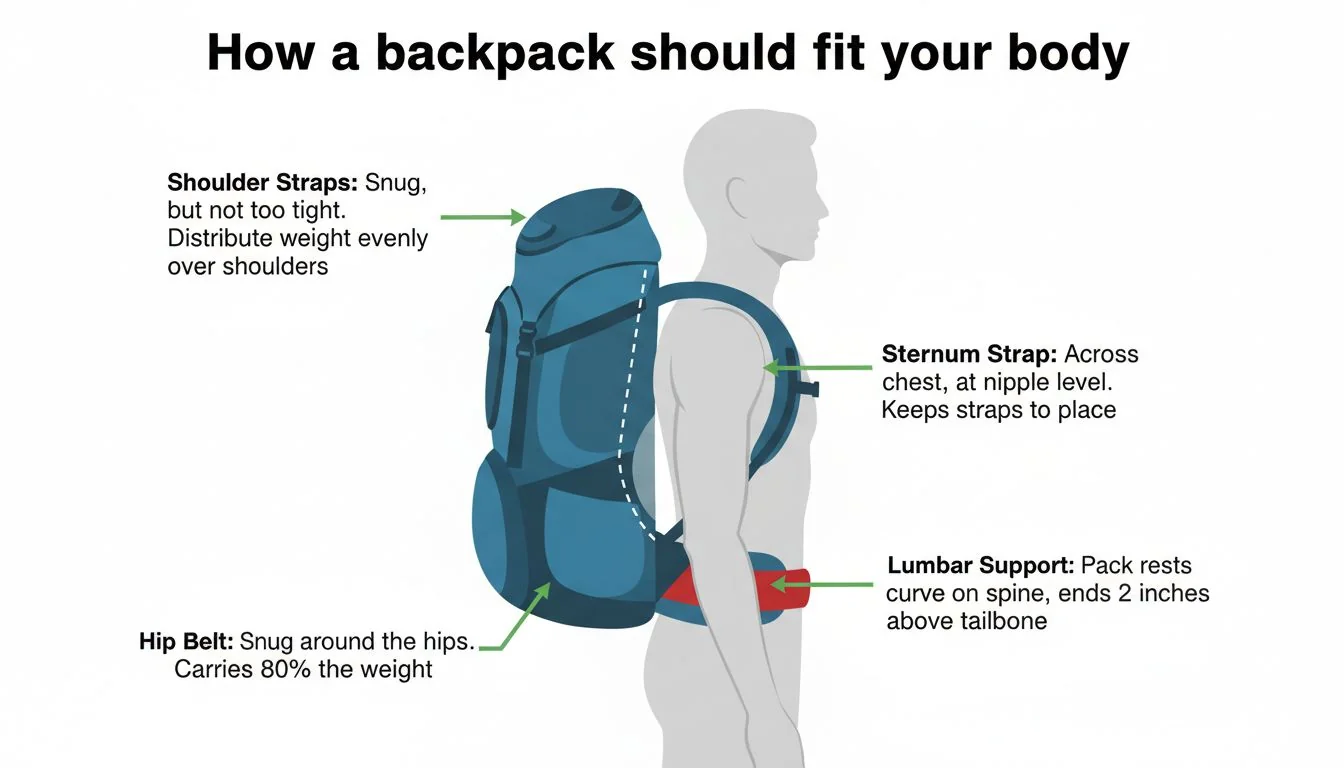
I’ve seen so many people wearing backpacks that are completely wrong for their frame. A good fit makes a heavy load feel lighter and prevents pain. It’s something we pay a lot of attention to during the prototyping phase.
Check the Proportions
- Proper Fit: The backpack should neither be too large nor too small for your body.
- Top of the Pack: Should not extend above your shoulders.
- Bottom of the Pack: Should not hang below your waist.
- Why It Matters: If the backpack is too long, it can hit your lower back or tailbone, causing discomfort with each step.
- Try It On: When trying a backpack, look at yourself in a mirror from the side.
- Ideal Fit: The backpack should follow the natural curve of your back and sit snugly between your shoulder blades and hips.
Look for S-Curve Straps
- Comfortable Design: Shoulder straps with an “S” shape are more ergonomic and comfortable than straight straps.
- Weight Distribution: S-curve straps distribute weight more evenly and reduce pressure on the chest and neck area.
- Prevents Chafing: These straps prevent rubbing and chafing, making them especially beneficial for women.
- Fit: Unlike straight straps that can pull away from your shoulders, S-curve straps hug your body for a secure fit.
Use the Sternum Strap
- Small but Mighty: Many backpacks include a sternum strap, a small strap that connects the two shoulder straps across your chest.
- How It Helps: The sternum strap pulls the shoulder straps closer together, which:
- Stabilizes the backpack and prevents it from shifting while you walk.
- Reduces pressure on your shoulders and redistributes some of the load to your core.
- Backpack Comfort: This feature significantly enhances the overall comfort of the backpack.
[claim claim=”The main purpose of a sternum strap is to provide an extra attachment point for accessories.” istrue=”false” explanation=”The primary function of a sternum strap is to stabilize the shoulder straps, distribute weight more evenly across the chest, and prevent the straps from slipping off the shoulders.”]
[claim claim=”A backpack that is too long for your torso can cause lower back pain.” istrue=”true” explanation=”If a backpack extends below your waist, it can create a lever effect that pulls your shoulders backward and forces your lower back to arch, leading to strain and discomfort.”]
What Are the Best Backpack Features for Everyday Comfort and Convenience?
A bag can hold all your stuff but still be annoying to use. You’re always digging for your keys or your phone is getting scratched. Let’s look at the small features that make a big difference.
Beyond the right size and fit, certain features transform a good backpack into a great one. These are the details that provide all-day comfort and make your daily routine smoother. They are the things that show a designer was really thinking about the user.
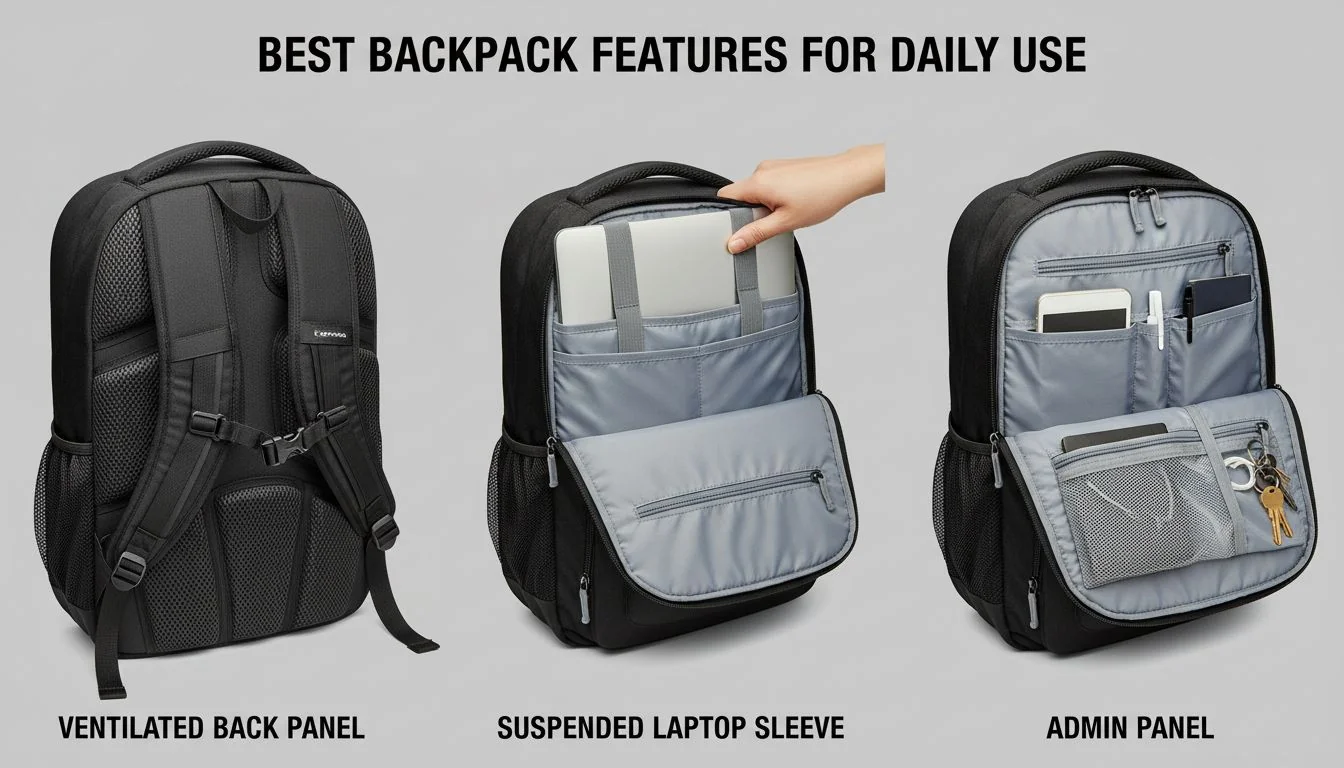
When I’m working with a brand, these are the features I call "quality-of-life improvements." They don’t just hold your gear; they make accessing and protecting it effortless.
Padded & Ventilated Back Panel
A good back panel does two things. First, foam padding prevents the contents of the bag, like a laptop corner or a book, from poking you in the back. Second, built-in air channels or mesh coverings allow airflow between your back and the bag. On a warm day or during a hurried commute, this ventilation helps reduce the dreaded sweaty back. It’s a simple feature that adds a lot of comfort.
Padded & Ventilated Back Panel
- Comfort: Foam padding prevents sharp objects like a laptop or book from poking your back.
- Ventilation: Air channels or mesh allow airflow to keep your back cool and dry, especially on warm days or during commutes.
A Secure Laptop Compartment
- Protection: A padded, “suspended” laptop sleeve keeps your laptop off the ground and protects it from impacts, reducing the risk of screen damage.

Smart Organization and Quick Access
- Organization: A good bag has a mix of large compartments and smaller pockets.
- Admin Panel: Slots for pens, cards, and your phone.
- Fleece Pocket: Protects sunglasses or your phone from scratches.
- Key Leash: Keeps your keys easy to find.
- Quick-Access Pocket: A zippered pocket for items like earbuds or a transit pass that you need often.
[claim claim=”A fleece-lined pocket is designed to clean your sunglasses as you walk.” istrue=”false” explanation=”The soft fleece lining is designed to prevent scratches on delicate items like sunglasses or phone screens, not to clean them.”]
[claim claim=”A ‘suspended’ laptop sleeve helps protect a laptop from damage if the backpack is dropped.” istrue=”true” explanation=”By keeping the laptop from resting on the bottom of the bag, a suspended sleeve creates a crumple zone that absorbs the shock of an impact.”]
Conclusion
Choosing the right backpack isn’t about finding the biggest or smallest. It’s about finding the one that perfectly fits your items, your body, and your daily life.
Check out this guide on the ideal size and style of backpack for high school students
to see which size suits your school needs.






