


Last Updated: April 6, 2026
Struggling to justify the high price of a North Face backpack? You see the logo everywhere, but the cost seems steep. Let’s break down exactly what you’re paying for.
North Face backpacks are expensive because you’re paying for a combination of high-quality, durable materials1, innovative design features, a lifetime warranty, and the brand’s strong reputation built over decades of marketing and proven performance. It’s a premium product with a premium price tag.
As a bag manufacturer, I get this question a lot from brand owners like you. They see a successful brand like The North Face and want to understand the magic behind their pricing. It’s not just about sewing fabric together; it’s about building value. Let’s dive into the specific factors that make these backpacks a premium investment.
Do North Face Backpacks Have Unique Designs and Features That Add Value?
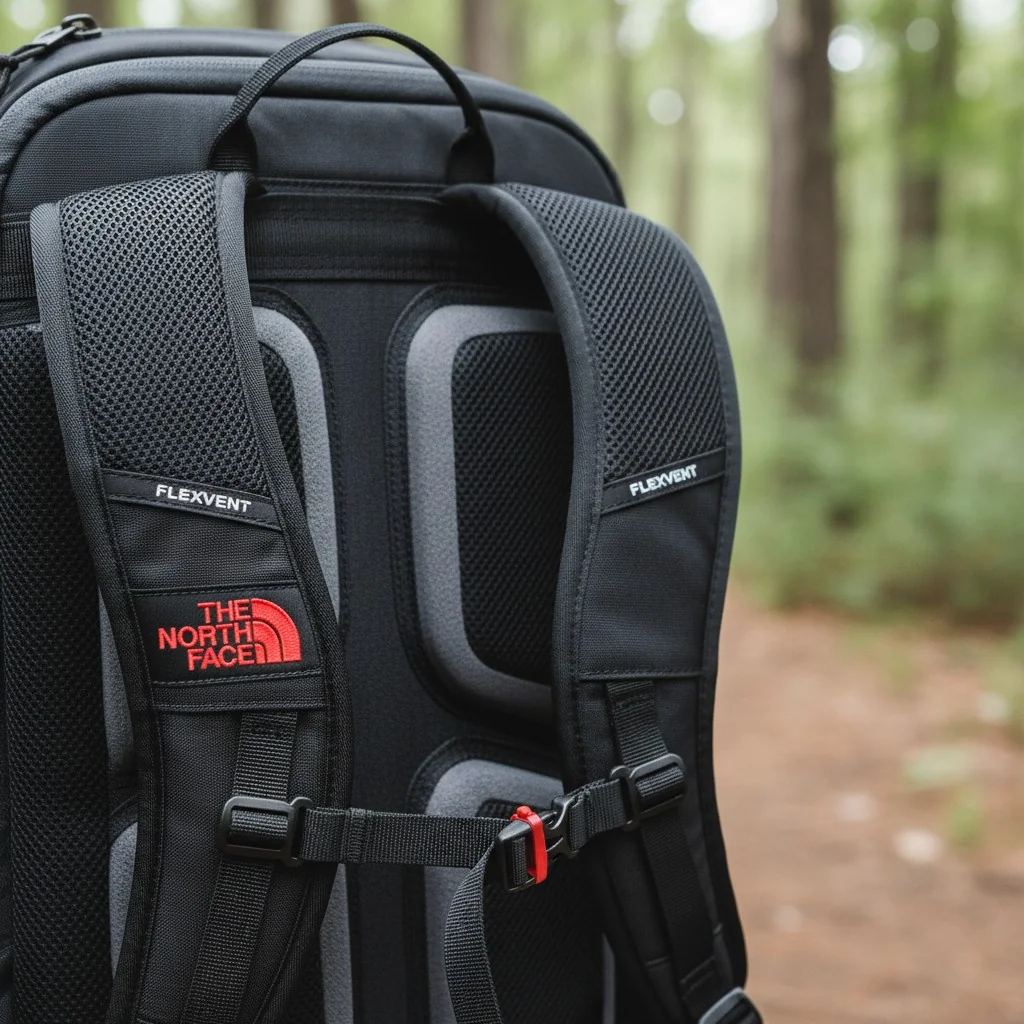
Does a backpack really need special features? You might think they’re just for show. But these details are what separate a good bag from a great one, solving everyday problems.
Yes, they absolutely do. North Face invests heavily in ergonomic designs, like the FlexVent™ suspension system2, for comfort. They also include practical features like padded laptop sleeves, fleece-lined pockets, and durable water-repellent finishes, which all add significant functional value and justify a higher price.
To truly appreciate how these features integrate into the bag’s frame, it helps to understand the underlying structure. You can explore every component, from load lifters to bottom gussets, in our detailed guide to the anatomy of a backpack.
Ergonomics for All-Day Comfort
The FlexVent™ suspension system is a great example. It’s not just a padded strap. It involves custom-injection-molded shoulder straps, a padded mesh back panel, and a spine channel. This is engineered to support your back and ventilate air, which is a huge deal if you’re carrying a heavy load.
Feature Breakdown
Let’s look at what these features mean for a user and for the production cost.
| Feature | User Benefit | Impact on Cost |
|---|---|---|
| FlexVent™ System | Reduces back strain and sweat | Higher, due to custom molding and complex assembly. |
| Padded Laptop Sleeve | Protects expensive electronics | Moderate, requires extra material and stitching. |
| Fleece-Lined Pockets | Prevents scratches on sunglasses/phones | Low, but adds a touch of luxury and perceived value. |
| DWR Finish | Keeps contents dry in light rain | Moderate, involves chemical treatment of the fabric. |
These thoughtful details require more R&D, more complex manufacturing steps, and better materials, all of which increase the final cost.
What the FlexVent™ System Actually Costs to Manufacture
As someone who builds backpacks every day, I can tell you exactly what makes the FlexVent system expensive to replicate. It’s not one thing — it’s the combination of three components that must work together:
-
Custom-Injection-Molded Shoulder Straps: These aren’t cut from flat foam sheets like budget backpacks. They’re molded in 3D to curve around the shoulder. The mold tooling alone costs $3,000–$8,000 to develop, and the per-unit cost of injection-molded foam is 3–5× more expensive than flat-cut EVA.
-
Channeled Back Panel: The spine channel and ventilation zones require a multi-layer construction — typically a PE board frame, mesh fabric layer, and molded foam cushioning — all stitched or laminated together. A standard flat foam back panel takes one sewing station; the FlexVent-style panel requires three.
-
ACA Endorsement Testing: Achieving the American Chiropractic Association endorsement isn’t free. The testing, compliance verification, and licensing fees add an additional per-unit cost that budget brands can’t justify.
Manufacturer’s estimate: The FlexVent-style suspension system adds approximately $4–$7 to the manufacturing cost per unit compared to a standard padded strap system. That may not sound like much, but at scale, it’s the difference between a $6 backpack and a $12 backpack at the factory gate — and it’s one of the reasons the retail price climbs from $40 to $100+.
At Osgoodway, we manufacture similar injection-molded suspension systems for brands targeting the premium commuter and school market. If you’re interested in adding an ergonomic back panel to your product line, contact us for a sample and cost estimate.
What Premium Materials Are Used in North Face Backpacks?
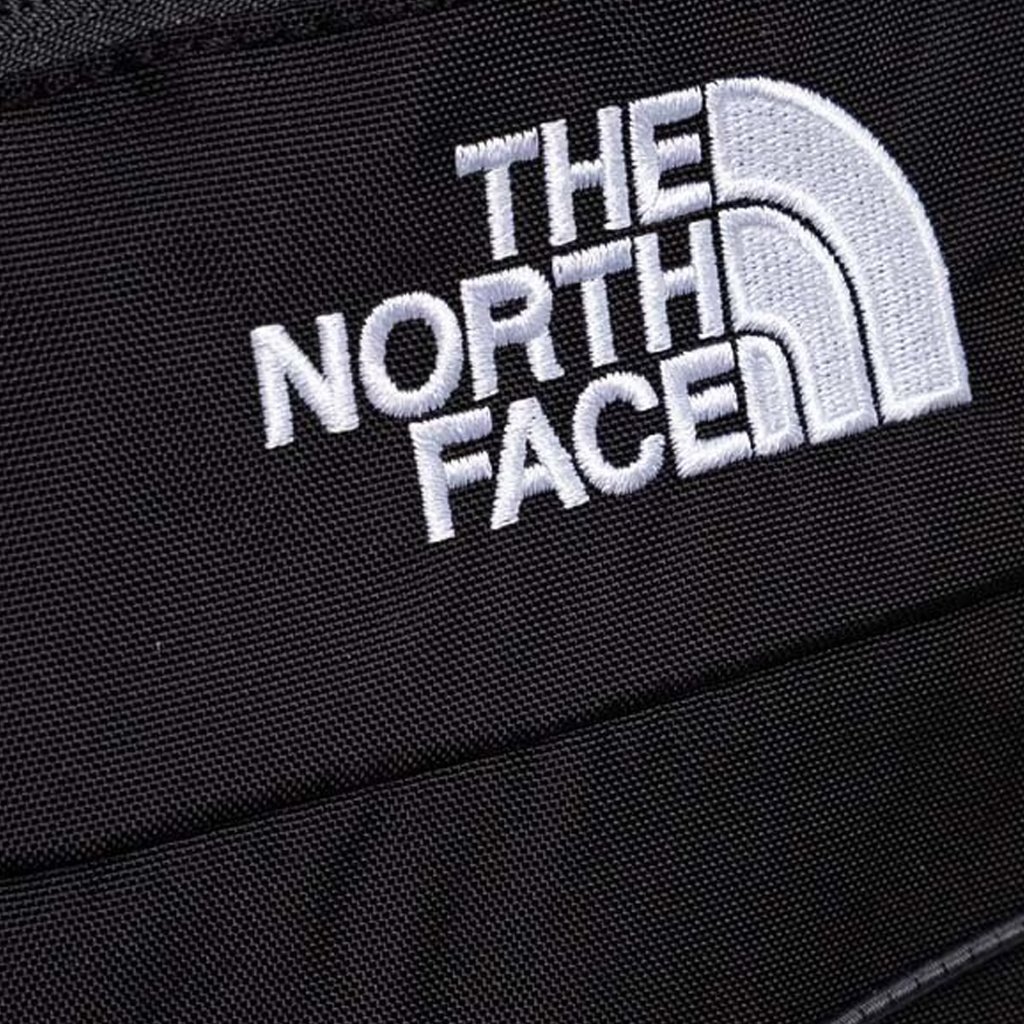
Worried your brand’s bags will tear or fade quickly? Using cheap materials can ruin your reputation. High-quality fabrics are the foundation of a product that lasts and builds trust.
North Face primarily uses high-denier ballistic nylon3 and durable polyester fabrics. These materials, like Cordura® or their proprietary fabrics, are chosen for their exceptional tear resistance, abrasion resistance, and lightweight strength. They also use high-quality YKK zippers, which are known for their reliability.
When I source materials for clients, we often discuss the "denier" count. A higher denier generally means a thicker, sturdier fabric. North Face doesn’t cut corners here. They use fabrics that can withstand serious abuse, whether it’s being scraped against a rock or thrown around an airport.
The Fabric of Success
Ballistic nylon, originally developed for flak jackets, is incredibly tough. It’s a go-to material for high-end luggage for a reason. While a standard backpack might use 200D-400D polyester, North Face often uses 600D polyester, 1200D polyester, or even 1680D ballistic nylon in high-wear areas.
Beyond the Main Fabric
It’s not just the body fabric. The choice of hardware is critical.
| Component | Material Used by TNF | Why It Matters |
|---|---|---|
| Zippers | YKK® | The global standard for reliability; less likely to snag or break. |
| Buckles | Duraflex® or similar | Strong, durable plastic that resists cracking in cold weather. |
| Thread | High-tensile nylon | Prevents seams from splitting under stress. |
Using these premium components costs more upfront. A YKK zipper can cost several times more than a generic one. But for a brand owner like Emily, this is a key lesson: investing in quality materials prevents costly returns and builds a loyal customer base.
The Material Cost Gap: North Face vs. Budget Backpacks (Factory Numbers)
This is the section competitors won’t write, because they don’t have access to factory pricing. I do. Here’s a realistic cost comparison of key materials:
| Component | Budget Backpack ($15-25 retail) | North Face-Level ($75-150 retail) | Cost Multiplier |
|---|---|---|---|
| Main Fabric | 300D polyester ($1.20/yard) | 600D recycled polyester or ripstop nylon ($2.80–$4.50/yard) | 2.3–3.8× |
| Bottom Panel | Same as main body | 1200D polyester or Cordura® ($5.50–$8.00/yard) | 4.6–6.7× |
| Main Zipper | Generic #5 coil ($0.15–$0.25/pc) | YKK #8 or #10 coil ($0.60–$1.20/pc) | 3–5× |
| Shoulder Strap Foam | 5mm flat-cut EVA ($0.30/pair) | 15mm contoured, injection-molded EVA ($1.50–$2.50/pair) | 5–8× |
| Back Panel | Single-layer foam + mesh ($0.60) | Multi-layer PE frame + mesh + molded foam ($2.50–$4.00) | 4–7× |
| Buckles & Hardware | Generic SBS/no-brand ($0.20 total) | Duraflex® or equivalent ($0.80–$1.50 total) | 4–7× |
| DWR Coating | None | C6 or C0 DWR treatment ($0.30–$0.50/yard) | ∞ |
| Total Material Cost | ~$3.50–$5.00 per unit | ~$12.00–$22.00 per unit | 3–4× |
The key insight: The material cost of a North Face-level backpack is roughly 3–4× that of a budget pack. But the retail price is 5–10× higher. The gap between material cost and retail price is filled by labor complexity, QC, R&D, marketing, warranty reserves, and profit margins.
For brand owners: You don’t need to spend $22/unit on materials to create a premium product. Many of our clients achieve a compelling "premium feel" at the $10–$15/unit material tier by focusing on the components customers actually touch: the zipper, the shoulder straps, and the back panel. These are the "3 touchpoints of trust" — if they feel good, the customer perceives the entire bag as premium.
Why Are They So Durable and Long-Lasting?
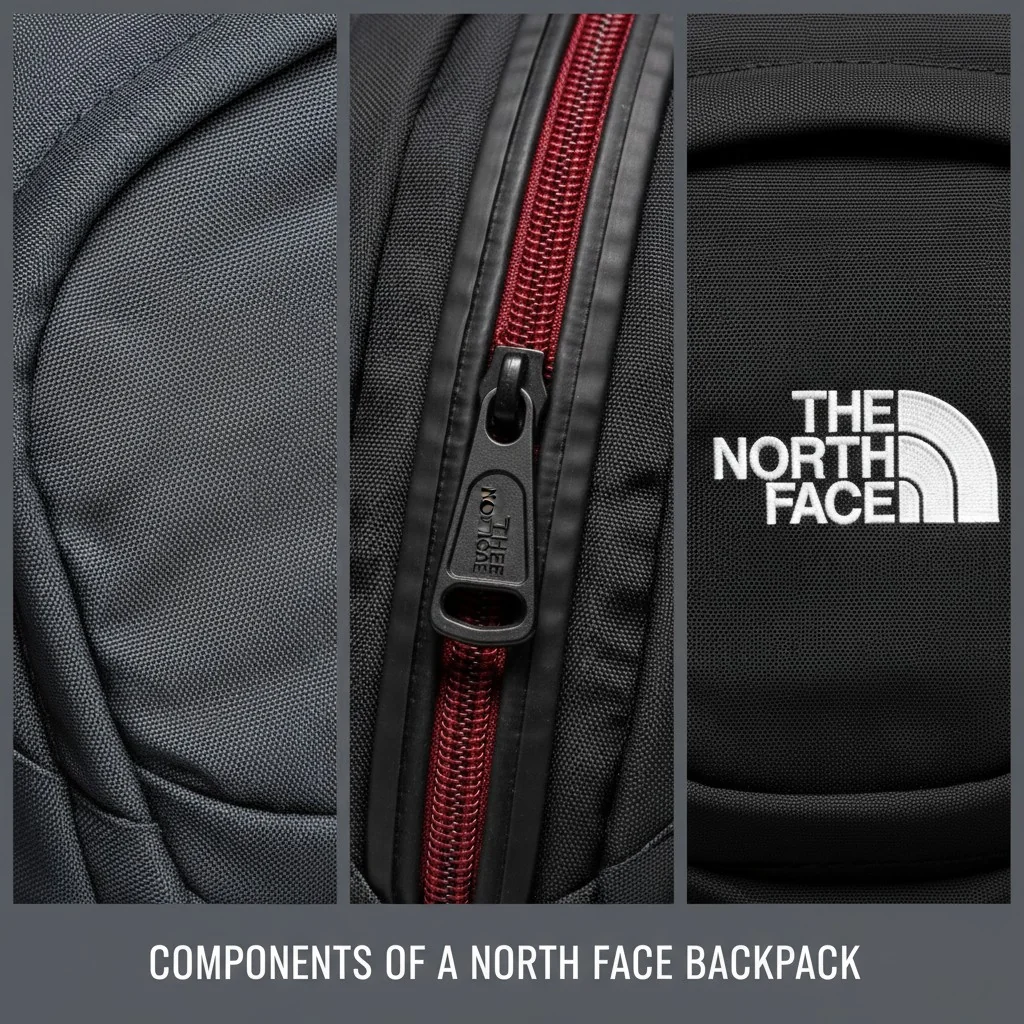
Tired of products that fall apart after a year? Customers hate replacing items constantly. Building a bag that lasts creates immense value and justifies a premium price for your brand.
Their durability comes from a combination of premium materials and superior construction techniques. This includes reinforced stitching4 (bar-tacking) at high-stress points, high-denier fabrics that resist wear and tear, and robust hardware like YKK zippers and strong buckles. This focus on build quality ensures longevity.
I’ve seen a lot of bags come through my workshop for analysis. The difference between a cheap bag and a durable one is often in the details you can’t easily see. It’s the construction. The North Face pays close attention to how their bags are put together. For a deep dive into how materials affect durability in outdoor gear specifically, check our guide to hiking backpack materials.
The Art of Construction
One key technique is bar-tacking. This is a series of tight zigzag stitches used to reinforce areas that take a lot of stress, like where the shoulder straps connect to the bag body. Cheaper bags might just have a single line of stitching there, which is a major point of failure.
Built to Endure
Let’s break down the construction elements that contribute to a bag’s lifespan.
| Construction Technique | Purpose | Why It Adds Cost |
|---|---|---|
| Bar-Tacking | Reinforces stress points | Requires specialized machinery and extra time per unit. |
| Double Stitching | Strengthens seams | Uses more thread and takes longer to sew. |
| Lined Interiors | Protects seams, adds structure | Doubles the interior fabric and adds a complex assembly step. |
| Bound Seams | Prevents fabric from fraying inside | An extra finishing step that requires more material and labor. |
This meticulous construction is labor-intensive and requires skilled workers. When you’re manufacturing at scale, these extra steps add up, directly impacting the final price. But it’s also why you see 10-year-old North Face backpacks still in use.
The "Stress Point Map": Where Cheap Bags Fail First
In my years of analyzing returned bags and running durability tests, I’ve identified the five stress points where cheap backpacks consistently fail — and where North Face (and any quality manufacturer) invests extra reinforcement:
-
Shoulder Strap Root (where strap meets bag body) — This is failure point #1. A budget bag uses a single row of stitching. North Face uses a bar-tack (42-stitch zigzag block) plus a reinforcement panel. At Osgoodway, we bar-tack every strap root as standard.
-
Top Carry Handle Attachment — Students grab this dozens of times a day. Budget bags use a simple fold-and-stitch. Premium bags use a webbing loop anchored through a reinforcement patch with box-X stitching.
-
Main Zipper Endpoint — The point where the zipper slider rests at full-open receives maximum lateral stress. Quality construction includes a reinforced tab at this point; budget bags leave it unfinished.
-
Bottom Panel Seam — The bag sits on this surface constantly. Premium backpacks use a separate, higher-denier fabric for the bottom panel with taped or bound seams. Budget bags use the same thin fabric throughout.
-
Water Bottle Pocket Seam — Often overlooked, this narrow pocket bears significant outward pressure from a full bottle. Bar-tacking the bottom corners of this pocket prevents the most common "my pocket ripped" complaint.
The manufacturing reality: Adding bar-tacks at all five stress points adds approximately 2–3 minutes of sewing time per unit. At factory labor rates, that’s $0.30–$0.50 in additional cost. Yet this tiny investment can extend a backpack’s lifespan from 1–2 years to 5–10+ years. It’s the highest-ROI quality investment in the entire BOM.
How Do Warranty and After-Sales Support Contribute to the Price?
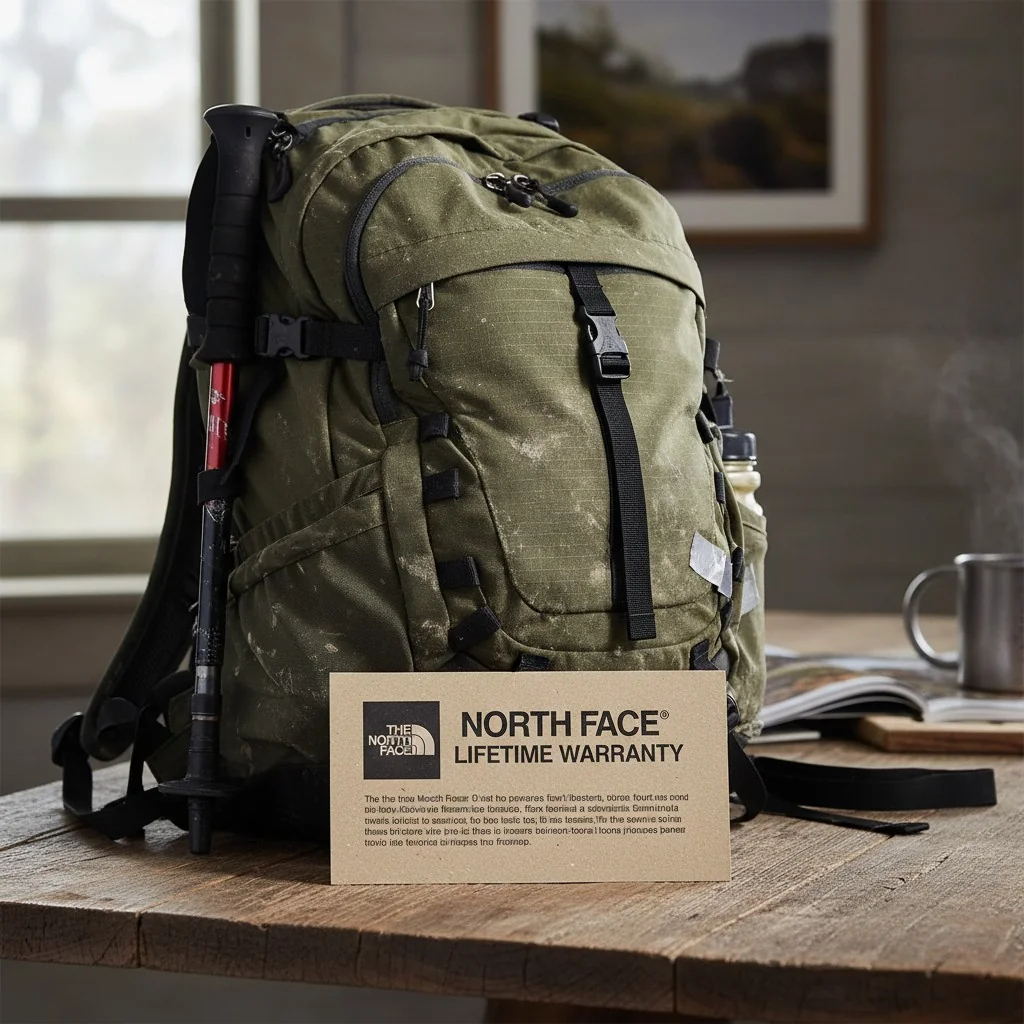
What happens when a customer’s bag breaks? Ignoring them kills your brand. A strong warranty and repair service builds incredible trust and justifies a higher initial investment from the customer.
The North Face offers a lifetime warranty5 covering manufacturing defects and workmanship for the product’s lifetime. This guarantee is a significant value-add. The cost of funding this repair/replacement program (including staff, facilities, and shipping) is factored into the initial price of every backpack sold.
For any brand owner, a warranty is a double-edged sword. It’s a powerful marketing tool, but it’s also a financial liability. I always advise my clients to be realistic about what they can offer. The North Face’s confidence in their warranty comes from their confidence in their product’s quality.
The Price of a Promise
A lifetime warranty isn’t free. The company has to account for the percentage of products that will be returned for repair or replacement over many years. This is a calculated business expense.
Breaking Down Warranty Costs
Here’s what goes into a warranty program:
| Cost Component | Description | Impact on Price |
|---|---|---|
| Repair Centers | Staffing and operating facilities to fix bags. | Significant overhead cost. |
| Replacement Stock | Holding inventory to replace unrepairable items. | Ties up capital. |
| Logistics | Shipping costs for customers sending in bags and receiving them back. | A major, variable expense. |
| customer service6 | Staff to handle warranty claims and inquiries. | Ongoing labor cost. |
When you buy a North Face backpack, a small portion of that price is essentially an insurance policy. You’re pre-paying for the peace of mind that if something goes wrong due to a manufacturing fault, the company will stand behind its product. This is a hallmark of a premium brand.
The North Face Renewed Program: Turning Returns Into Revenue
One of TNF’s smartest business moves is the North Face Renewed program, which takes returned, damaged, or defective items, refurbishes them, and resells them at 30–50% off retail. This does three important things simultaneously:
- Reduces warranty cost — Instead of scrapping returned items, they recapture value
- Attracts price-sensitive customers — Budget shoppers who wouldn’t pay full price can now enter the TNF ecosystem
- Strengthens the sustainability narrative — Extends product lifecycle and reduces landfill waste
For brand owners considering their own warranty strategy, the "Renewed" model is worth studying. Even at smaller scale, offering refurbished products through a separate channel can offset warranty costs while building brand loyalty.
How Do Brand Reputation and Lifestyle Marketing Influence Pricing?
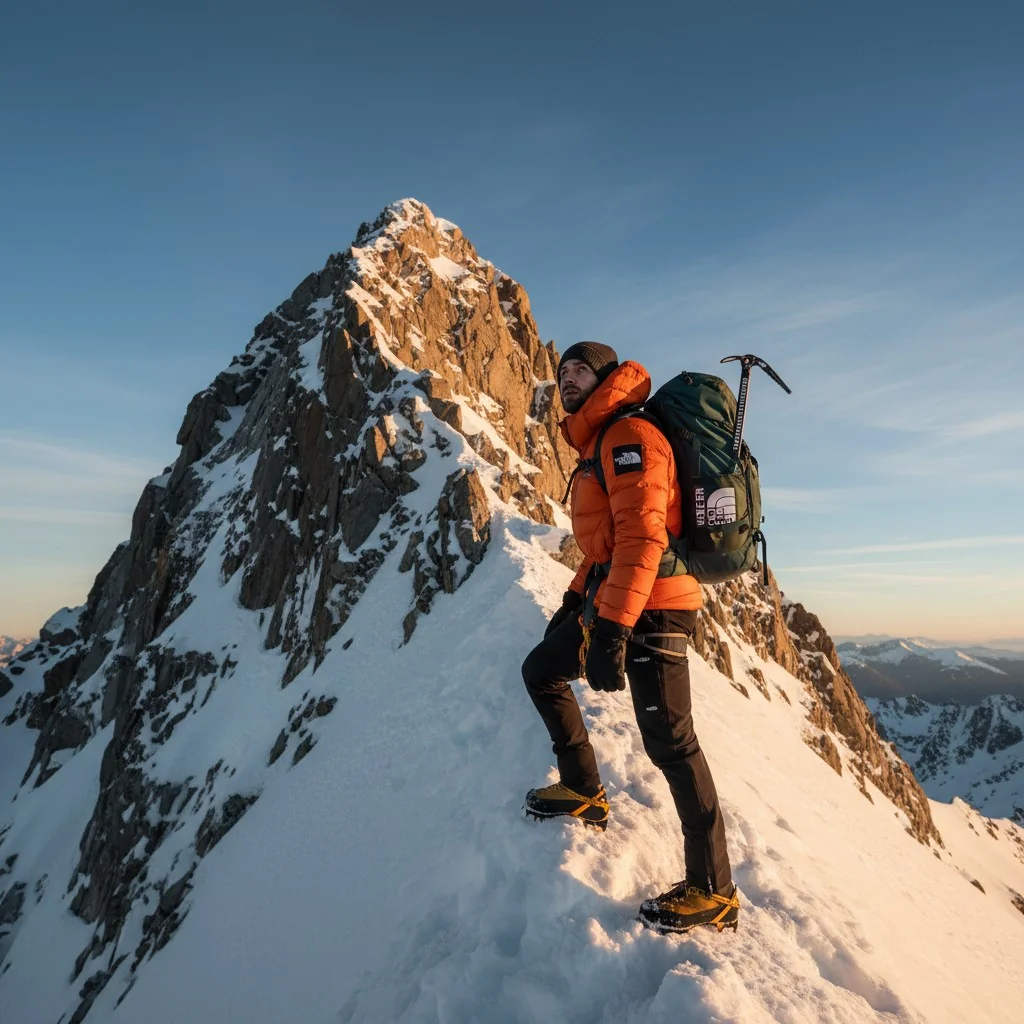
Is your brand just another product on a shelf? Without a story, it is. Building a powerful brand identity through marketing allows you to connect with customers and command a higher price.
The North Face has spent decades building a reputation for adventure and reliability. Their extensive marketing, sponsoring athletes, and creating a lifestyle image, positions them as a premium, aspirational brand. This brand equity allows them to command higher prices than lesser-known competitors offering similar quality products.
Selling a Story, Not Just a Bag
Think about their slogan, "Never Stop Exploring." It’s not about a product feature. It’s about a mindset. This is achieved through massive investment in marketing.
The Cost of Being Cool
Where does the marketing money go?
| Marketing Activity | Purpose | Impact on Price |
|---|---|---|
| Athlete Sponsorships | Associates the brand with elite performance and authenticity. | Very high cost. |
| High-Profile Collaborations | Creates hype and reaches new audiences (e.g., with Supreme, Gucci). | High cost, but high ROI. |
| Advertising Campaigns | Builds brand awareness across TV, print, and digital media. | Significant, ongoing expense. |
| Retail Experience | Creates a premium feel in their physical and online stores. | Overhead for prime real estate and web development. |
All these costs are built into the product’s price. When you buy a North Face backpack, you’re not just paying for the materials and labor; you’re also contributing to the massive marketing engine that makes the brand so desirable. It’s a key lesson for any brand owner like Emily: your price must reflect not only your costs but also the value of the brand you’re building.
The Numbers Behind the Brand: VF Corporation’s North Face Revenue
The North Face isn’t a small outdoor brand anymore — it’s a $3.7 billion global juggernaut. Here are some key financial facts that explain the pricing power:
- Parent Company: VF Corporation (NYSE: VFC), which also owns Timberland, Vans, and formerly Dickies
- Annual Revenue (FY2025): The North Face brand generated approximately $3.70 billion in global revenue
- Growth Trend: In Q3 fiscal 2026 (holiday quarter ending Dec 2025), TNF grew 8% on a constant-dollar basis — its strongest performance in over three years
- DTC Shift: The brand is increasingly selling direct-to-consumer through its own stores and website, which allows for higher margins than wholesale
- Marketing Spend: VF Corporation’s total SG&A (selling, general, and administrative) expenses across all brands exceed $4 billion annually — a significant portion funds TNF’s athlete sponsorships, ad campaigns, and retail experience
What this means for pricing: TNF’s strong sales growth means they have no financial pressure to lower prices. In fact, with the DTC shift (cutting out the wholesale middleman), their margins are improving. The brand occupies a sweet spot where it’s premium enough to justify $100+ backpacks but accessible enough for the mass market — which is exactly where the most profitable brands live.
For brand owners: You don’t need a $3.7 billion revenue target to learn from TNF. The core lesson is this — invest in building a brand story that resonates with your target audience before you launch your product. The product validates the story; the story justifies the price.
Are They Worth the Cost?
So, should you spend the money? It’s a big investment. But understanding the true value helps you decide if it’s the right choice for you, or what to aim for with your own brand.
For many, yes. If you value extreme durability, thoughtful design, a lifetime warranty, and the status of a trusted brand, the cost is justified. It’s an investment in a product that will likely last for years, making the cost-per-use7 very low.
This is the ultimate question, and as a bag professional, my answer is: it depends on the user’s needs. For a brand owner like Emily, studying The North Face is less about buying their bag and more about understanding their value proposition.
Calculating the "Cost-Per-Use"
A $30 backpack that lasts one year has a cost-per-use of $30/year. A $120 North Face backpack that lasts 10 years has a cost-per-use of $12/year. From this perspective, the more expensive bag is actually cheaper in the long run. This is a powerful selling point for any quality-focused brand.
Who Is It For?
Let’s see who benefits most from this investment.
| User Profile | Is It Worth It? | Why? |
|---|---|---|
| The Daily Commuter | Yes | Protects expensive laptops and endures daily wear and tear. |
| The Avid Hiker/Traveler | Absolutely | Reliability and durability are critical in remote locations. |
| The Budget-Conscious Student | Maybe | High upfront cost, but could last through college and beyond. |
| The Fashion-Focused User | Yes | The brand name and collaborations carry significant style cachet. |
Ultimately, The North Face has successfully created a product where the price is aligned with the value delivered through performance, longevity, and brand prestige. It’s a benchmark for any brand aspiring to occupy the premium space in the market.

North Face vs. Comparable Alternatives: A Fair Price Comparison
To truly answer "is it worth it?", we need context. Here’s how TNF’s most popular models compare to direct competitors at similar quality levels:
| Backpack | Retail Price (2026) | Volume | Key Material | Warranty |
|---|---|---|---|---|
| The North Face Borealis | ~$109 | 28L | 600D recycled polyester + 1200D base | Lifetime (defects) |
| The North Face Jester | ~$79 | 27.5L | Recycled polyester, SBS zippers | Lifetime (defects) |
| Osprey Daylite Plus | ~$75 | 20L | 210D recycled nylon | All Mighty Guarantee |
| Patagonia Refugio 26L | ~$99 | 26L | 450D recycled polyester | Ironclad Guarantee |
| JanSport Big Student | ~$55 | 34L | 600D polyester | Lifetime |
| Generic Equivalent (OEM) | ~$25-40 | 28L | 600D polyester, generic zippers | 1 year (if any) |
The verdict by category:
- For school/commuter use: The Jester at ~$79 is fairly priced against competitors, but the JanSport Big Student offers more volume for less money with a similar lifetime warranty. TNF’s premium here is primarily brand cachet.
- For outdoor/technical use: The Borealis at ~$109 competes well against Osprey and Patagonia on features, but Osprey’s "All Mighty Guarantee" (covers any damage, any reason) is more generous than TNF’s defects-only warranty.
- For brand owners looking to compete: You can manufacture a comparable-quality 28L backpack with 600D recycled polyester, YKK zippers, and a FlexVent-style suspension system for $12–$18 per unit at the factory gate. At a 5× retail markup, that’s a $60–$90 retail product — directly competitive with both the Jester and Borealis.
Can You Build a "North Face Quality" Backpack for Your Brand?
If you’ve read this far, you’re probably wondering: can I create a backpack that matches TNF’s quality without the TNF price tag?
The honest answer: Yes — on the engineering side. No — on the brand equity side.
You can absolutely match (and in some cases exceed) The North Face’s material specs, construction quality, and ergonomic features at a fraction of their retail price. What you can’t replicate overnight is their 58-year brand history, their athlete roster, and their cultural cachet. That takes time and investment.
Here’s what we can do for you at Osgoodway:
Materials: We source 600D recycled polyester (GRS certified), Cordura®, and ripstop nylon from the same mills that supply major global brands. We use YKK zippers as our standard (not generic alternatives).
Construction: Bar-tack stitching at all five stress points, bound seams, multi-layer back panel construction, and in-line QC inspection at every station. For brand owners, maintaining this level of precision across an entire production run is the ultimate challenge; discover how we manage quality control for bulk orders of custom bags to ensure every unit is retail-ready.
Design Support: If you don’t have a tech pack, our ODM team can develop one with you — from initial concept sketch to production-ready specifications. We’ve developed ergonomic suspension systems, fleece-lined pockets, and DWR-treated panels for dozens of brands.
MOQ: Starting from 500 pieces per style, per color.
If you’re a brand owner who’s studied TNF’s playbook and is ready to apply those lessons to your own product line, send us your concept or tech pack and let’s build something that competes.

Conclusion
In short, North Face backpacks are expensive because they are a complete package of quality, durability, and brand power. You’re investing in a product designed to last a lifetime.
But as a manufacturer who builds bags at this quality level every day, I can tell you that the engineering behind a $100 backpack is achievable for any brand willing to invest in the right materials, construction, and quality control — even without the multi-billion-dollar marketing budget. The real question isn’t "why is TNF expensive?" — it’s "what level of quality can your brand deliver at your target price?"
Frequently Asked Questions
Where are North Face backpacks manufactured?
The majority of North Face backpacks are manufactured in Vietnam, China, and Bangladesh. The brand is owned by VF Corporation, headquartered in Denver, Colorado. Design and R&D happen in the US; production is outsourced to Asian contract manufacturers for cost efficiency.
How long do North Face backpacks last?
With regular daily use (school or commuting), a well-made North Face backpack like the Borealis typically lasts 5–10 years. The lifetime warranty covers manufacturing defects, but not normal wear and tear. The most common failure point is the zipper (after 3–5 years of heavy use), which can often be repaired.
Is North Face better than JanSport?
They serve slightly different markets. North Face targets a premium outdoor/lifestyle audience with more advanced features (FlexVent suspension, DWR coating, laptop protection). JanSport offers exceptional durability and a generous warranty at a lower price point. For basic school/commuter use, JanSport often provides better value per dollar.
Why is the North Face Borealis more expensive than the Jester?
The Borealis uses higher-quality materials including a 1200D polyester base panel (vs. standard polyester on the Jester), YKK zippers (vs. SBS on the Jester), a more advanced FlexVent back panel, and additional features like compression straps and a waist belt. The combined material and construction upgrades justify the ~$30 price difference.
References
-
Understanding the advantages of premium materials can help you appreciate their value in products. ↩
-
Learning about ergonomic features like FlexVent™ can improve your comfort and support while using a backpack. ↩
-
Understanding materials like ballistic nylon can help you choose durable and long-lasting products. ↩
-
Reinforced stitching is crucial for durability, ensuring your backpack withstands wear and tear. ↩
-
A lifetime warranty can provide peace of mind and reflects the manufacturer’s confidence in their product. ↩
-
Excellent customer service can enhance brand loyalty and justify premium pricing. ↩
-
Calculating cost-per-use helps you assess the long-term value of your purchases. ↩






