Struggling to find a bag that’s both versatile and stylish? The Duffel1 bag seems perfect, but its simple design hides a rich history that could inspire your next bestseller.
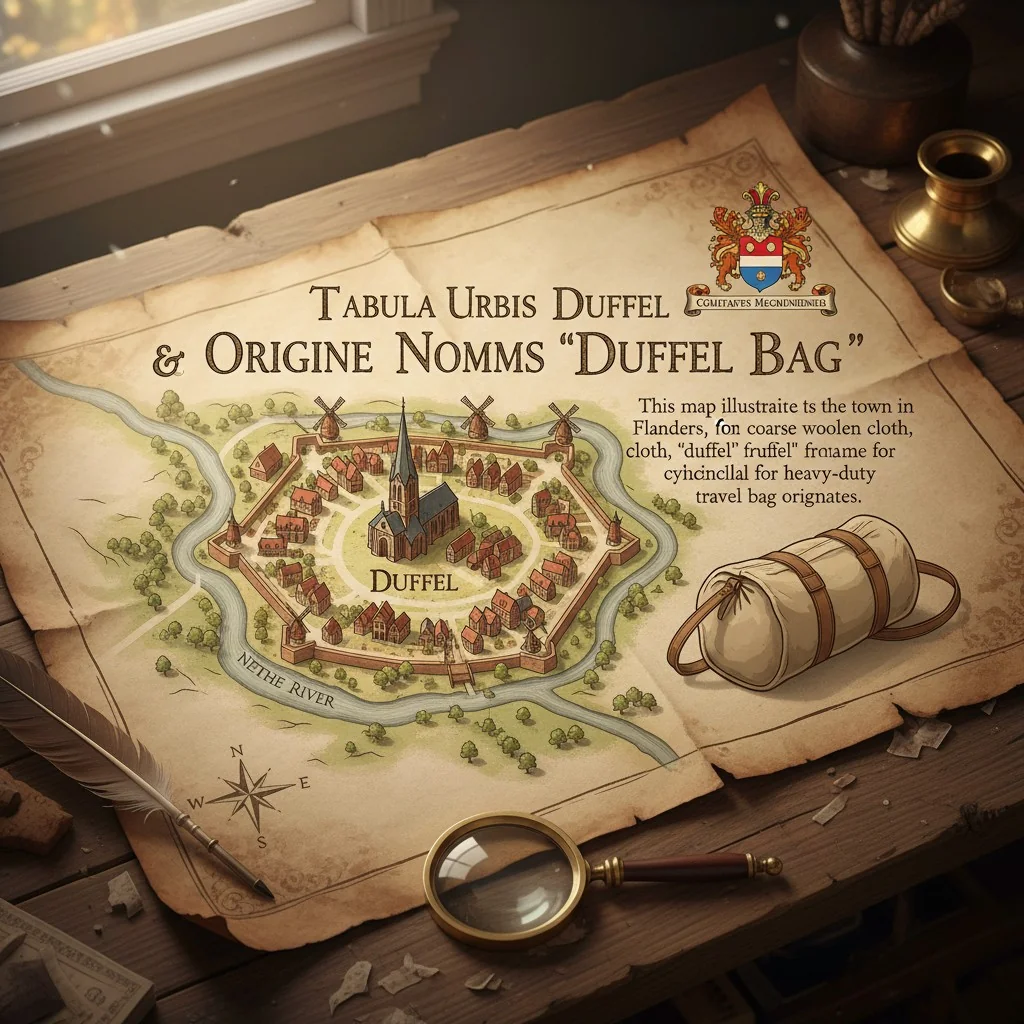
The name "duffel bag" comes from Duffel, a town in Belgium. This is where the thick, coarse woolen cloth originally used to make the bags was produced in the 17th century. The bag’s name is directly tied to its place of origin and its original material.
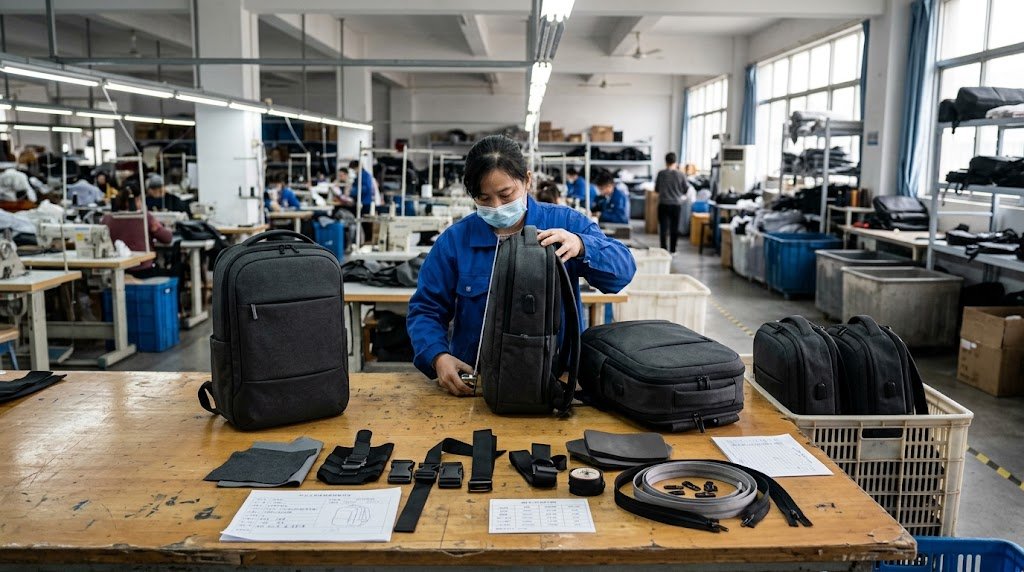
As a bag manufacturer, I’ve seen countless designs come and go. But the duffel bag remains a constant. Its story isn’t just a fun fact; it’s a lesson in durability, function, and timeless appeal. For brand owners like you, understanding this heritage is key to creating products that resonate with customers. Let’s explore the journey of this iconic bag, from its humble beginnings to its modern-day status. This knowledge can help you make informed decisions about materials, design, and marketing for your own line.
[claim claim=”The duffel bag was named after a British general, Sir Reginald Duffel.” istrue=”false” explanation=”This is a common myth. The bag is named after the town of Duffel in Belgium, where the original cloth was made.”]
[claim claim=”The original duffel bag material was a heavy, coarse woolen cloth.” istrue=”true” explanation=”The town of Duffel was famous for producing a specific type of durable woolen cloth, which gave the bag its name and its rugged character.”]
Where did the duffel bag originate?
Wondering where this classic bag got its start? Its origins are more specific than you might think, tied to a single town and a very particular type of fabric.
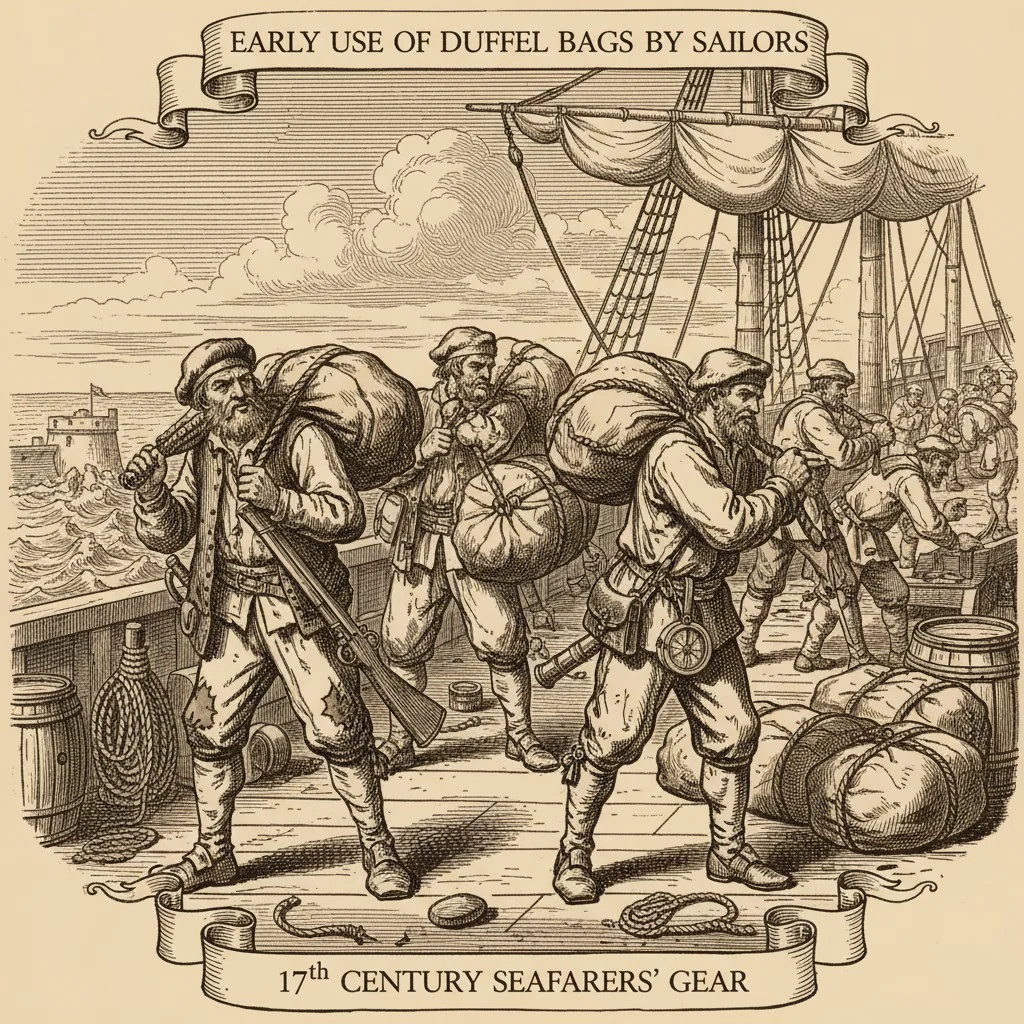
The duffel bag originated in the 17th century in a town called Duffel, near Antwerp in Belgium. The town was known for producing a thick, durable woolen cloth2. Sailors and soldiers began using this tough fabric to create simple, cylindrical bags to carry their belongings.
The story of the duffel bag is a great example of how a product’s name can be directly linked to its origin. It wasn’t designed by a famous person or named for a specific event. It was simply named after the place that created the material that made it possible.
From a Small Town to a Global Icon
The journey from a small Belgian town to every corner of the globe is fascinating. The bag’s initial popularity was with mariners. They needed something rugged that could withstand the harsh conditions at sea and could be easily stowed. The "duffel" cloth was perfect for this.
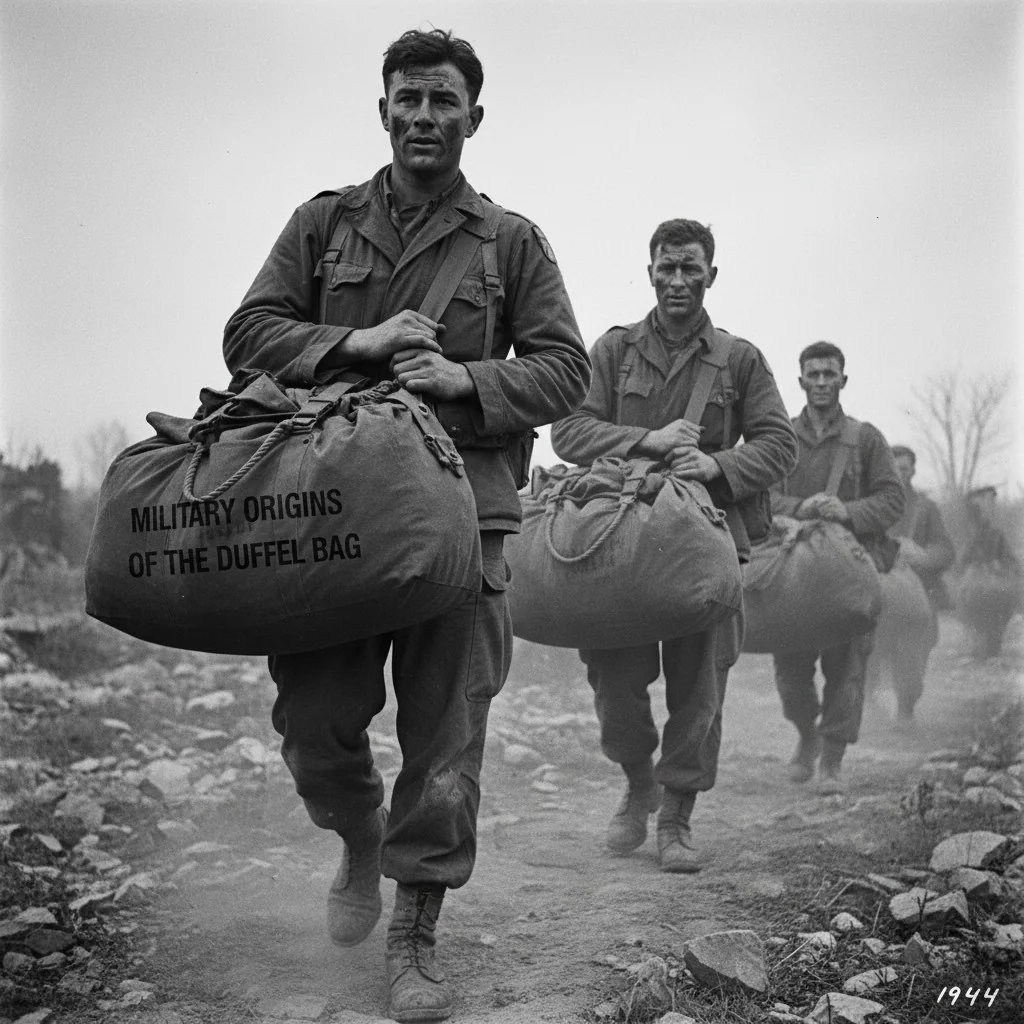
Later, its use expanded dramatically within the military. The simple, top-loading design was easy to mass-produce and could hold a lot of gear. This military adoption is what truly propelled the duffel bag onto the world stage, making it a symbol of travel and utility. As a manufacturer, I see this legacy in the demand for durable, no-fuss bags.
[claim claim=”Duffel bags first became popular among American surfers in the 1960s.” istrue=”false” explanation=”While surfers did adopt the duffel bag, its popularity began much earlier with European sailors and military personnel, centuries before the 1960s surf culture boom.”]
[claim claim=”The town of Duffel in Belgium is still known for textile production today.” istrue=”true” explanation=”While the scale and type of production have changed, the region of Flanders, where Duffel is located, maintains a strong heritage and presence in the global textile industry.”]
What was the original purpose of a duffel bag?
Your customers want bags with a purpose. The duffel’s original function was born from pure necessity, a lesson in practical design that still holds true for your brand today.
The duffel bag was originally designed for military and naval personnel in the 17th century. Its main purpose was to provide a simple, durable, and spacious way for soldiers and sailors to carry their personal belongings, like clothing, blankets, and other essential gear, during long journeys.
When I work with brands, we often talk about the "why" behind a design. The duffel bag’s "why" is one of the clearest. It was built to solve a problem: how to carry a lot of stuff easily and reliably.
Designed for a Life on the Move
The original design was incredibly straightforward. It was a large, cylindrical bag made of the tough duffel cloth, with a simple drawstring or clasp at the top. This shape was intentional.
- High Volume: The cylindrical form maximizes interior space without complex construction, allowing soldiers to stuff it full of gear.
- Portability: A single strap allowed it to be slung over the shoulder, leaving the hands free. This was crucial for soldiers carrying weapons or other equipment.
- Durability: The heavy cloth and minimal seams meant it could be thrown into ships, trucks, and trenches without falling apart.
This focus on pure function is something I always advise my clients to consider. A bag that solves a real problem for the user will always have a place in the market. The duffel bag is the ultimate proof of that principle.
[claim claim=”The first duffel bags had multiple complex compartments for organization.” istrue=”false” explanation=”The original duffel bags were very simple, consisting of a single large compartment with a top closure. Compartmentalization is a much more modern feature.”]
[claim claim=”The cylindrical shape of a duffel bag was chosen because it was easy to mass-produce.” istrue=”true” explanation=”The simple, tube-like shape required minimal cutting and sewing, making it ideal for rapid and cost-effective production for large groups like armies and navies.”]
What are the different types of duffel bags?
Feeling overwhelmed by all the duffel bag options? Knowing the different types can help you pinpoint exactly what your customers are looking for and where your brand can shine.
Today, the duffel bag has evolved far beyond its original design. There are now specialized types for almost any activity, from weekend getaways to intense workouts. Understanding these categories is key to developing a product line that meets specific consumer needs and stands out in the market.
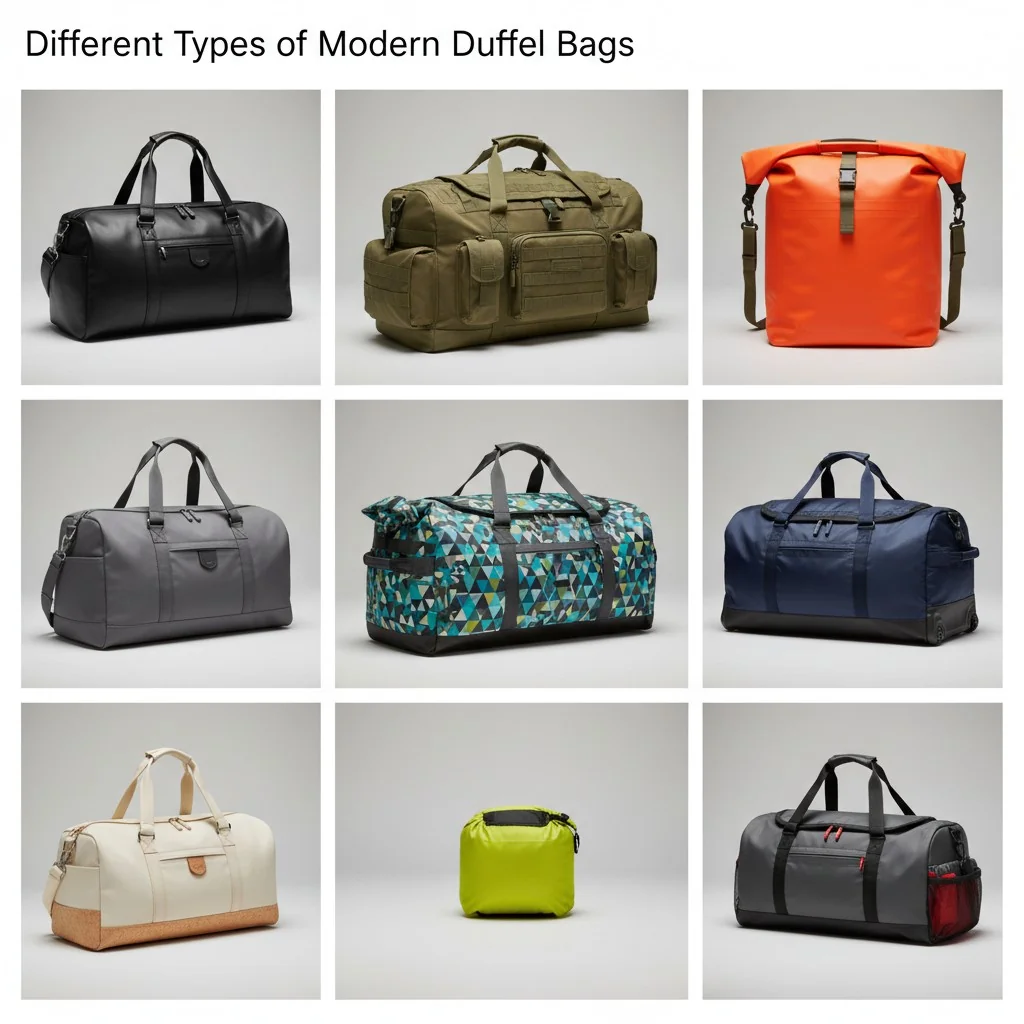
As a manufacturer, I’ve helped brands create nearly every type of duffel imaginable. The key is to match the materials and features to the intended use. For example, a sports duffel needs ventilation, while a travel duffel3 might need wheels. Let’s break down the most common types you’ll encounter. This will help you identify gaps in the market or niches where your brand could excel.
| Duffel Bag Type | Primary Use | Key Features |
|---|---|---|
| Travel Duffel | Weekend trips, carry-on | Multiple compartments, stylish materials (leather, canvas) |
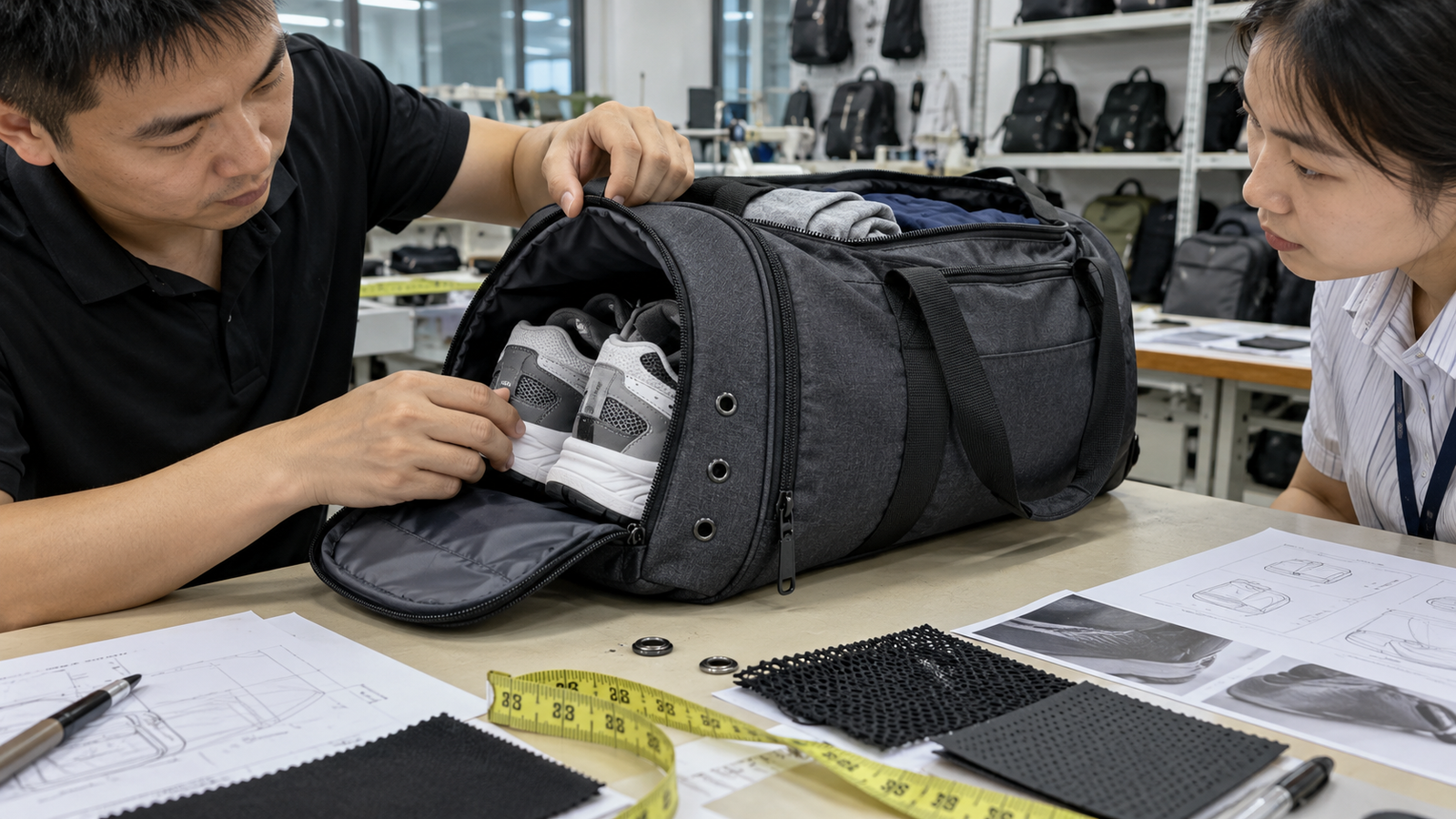
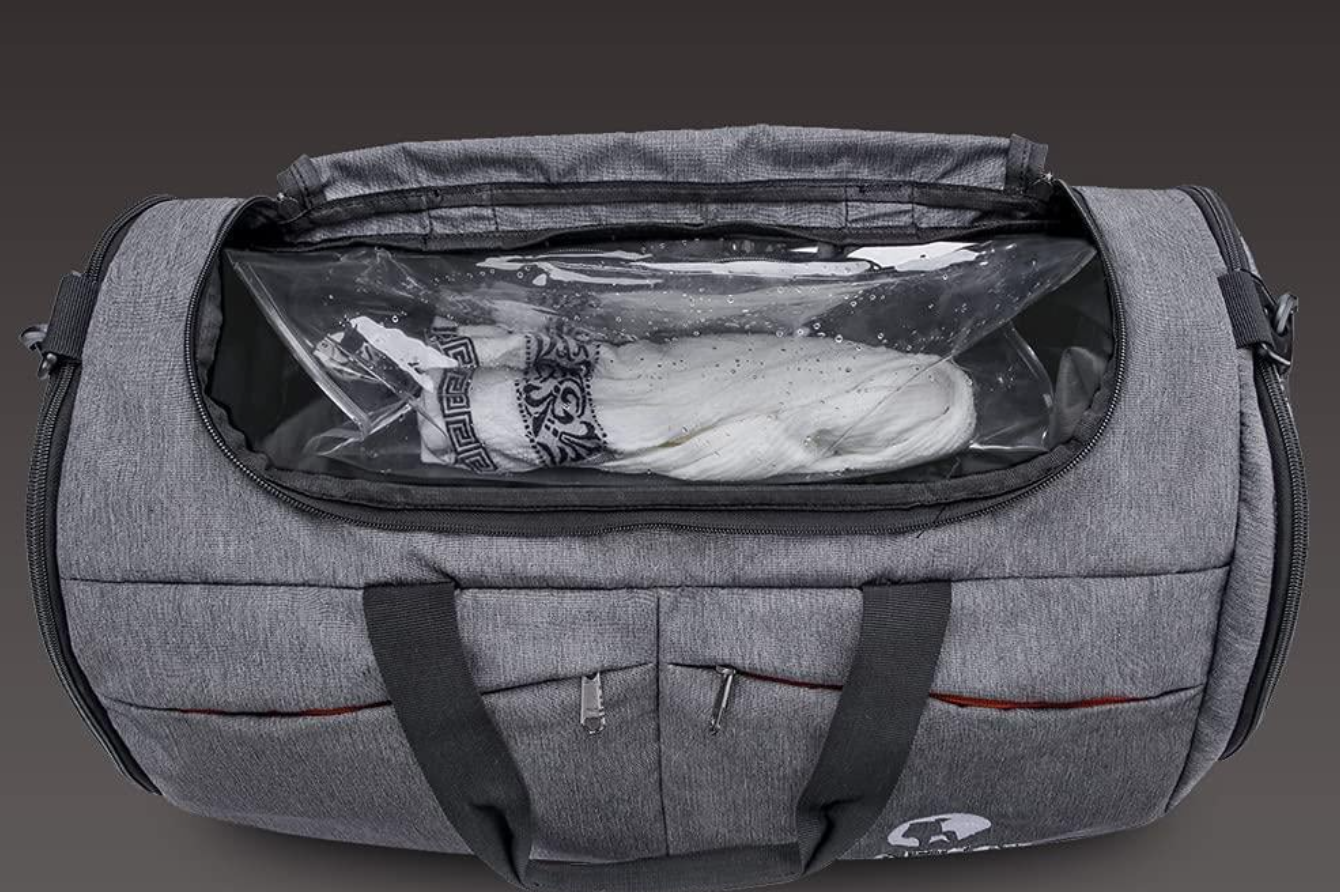
| sports duffel4 | Gym, sports practice | Shoe compartment, water bottle pocket, ventilated sections |
| military duffel5 | Tactical, outdoor, heavy-duty | MOLLE webbing, extremely durable materials (e.g., Cordura) |
| Rolling Duffel | Long-distance travel, heavy loads | Wheels, retractable handle, large capacity |
| Backpack Duffel | Versatile travel, commuting | Padded shoulder straps, can be carried as a backpack |
| leather duffel6 | Business travel, luxury | Premium look, ages well, often used as a weekender |
| waterproof duffel7 | Boating, water sports, outdoor | Welded seams, roll-top closure, PVC or coated nylon |
| Waxed Canvas Duffel | Heritage, outdoor, everyday | Water-resistant, develops a unique patina over time |
| packable duffel8 | Emergency extra bag | Folds into a small pouch, lightweight nylon |
[claim claim=”All duffel bags are waterproof.” istrue=”false” explanation=”Only specific types of duffel bags, often made with PVC and welded seams, are truly waterproof. Most standard duffels made from canvas or nylon are water-resistant at best.”]
[claim claim=”A ‘weekender bag’ is often a type of stylish travel duffel bag.” istrue=”true” explanation=”The term ‘weekender’ typically refers to a small-to-medium-sized duffel bag, perfectly sized for a one or two-night trip and often designed with a focus on aesthetics.”]
What is a duffle bag used for today?
Think the duffel is just for the gym? The modern duffel bag is one of the most versatile products you can offer, fitting seamlessly into the athleisure and travel trends.
Today, the duffel bag is used for everything. It’s a go-to for the gym, a stylish companion for weekend trips, and even a practical choice for daily work commutes. Its simple, open design makes it incredibly versatile for carrying a wide range of items.
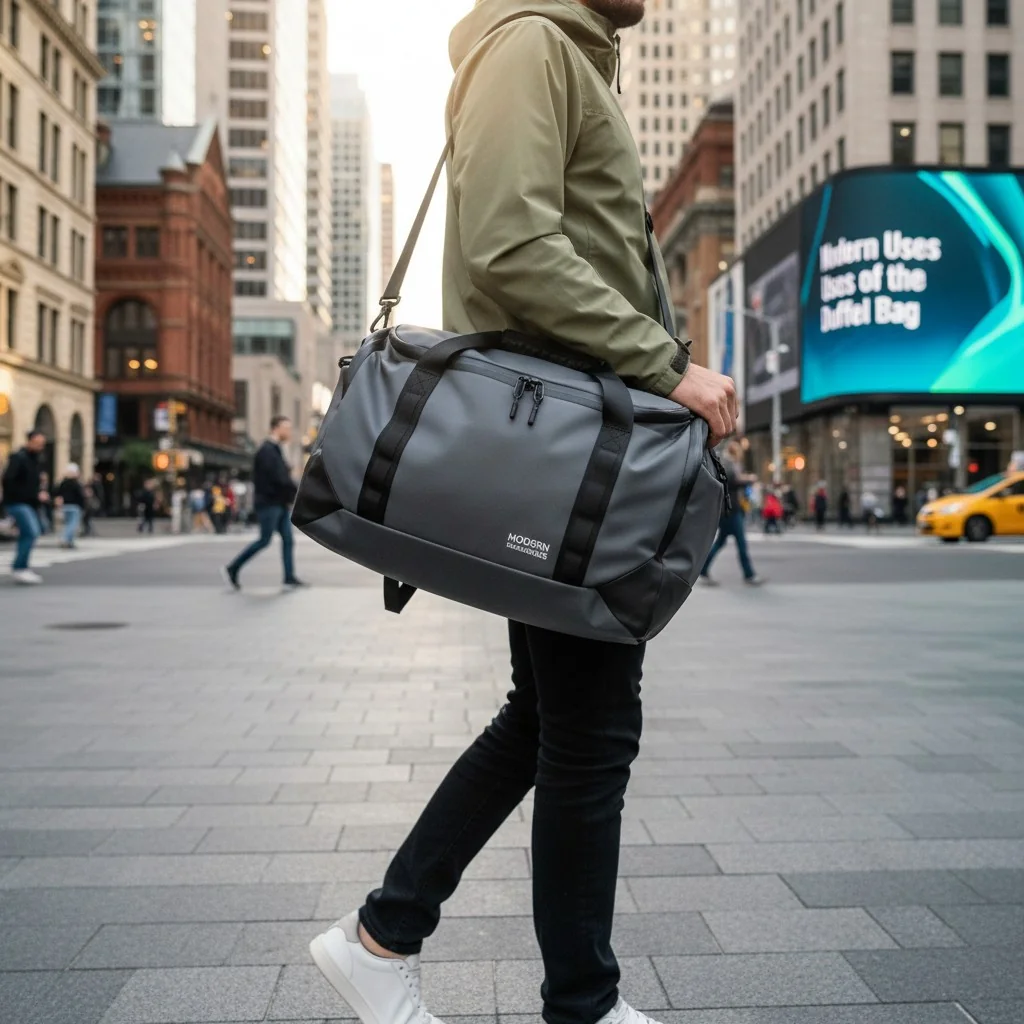
I’ve seen a huge resurgence in the duffel’s popularity, especially with the rise of active lifestyles. People want one bag that can take them from the office to the gym and then on a spontaneous weekend trip. This is a massive opportunity for brands. By focusing on smart features and quality materials, you can create a duffel that becomes an indispensable part of your customer’s daily life.
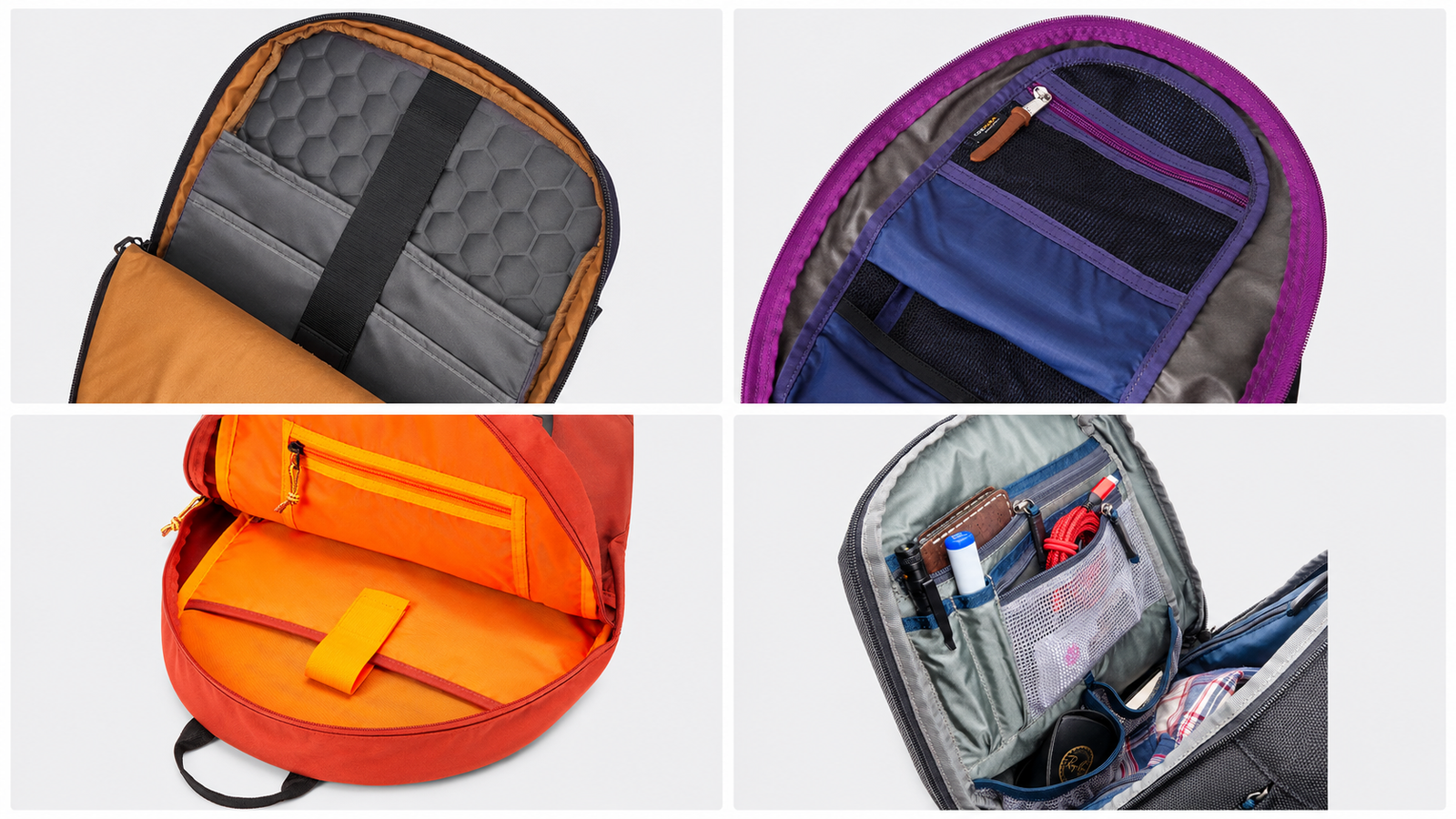
The key is to think beyond a single use and design for versatility. For example, adding a padded laptop sleeve to a classic duffel instantly expands its target audience from just athletes to include commuters and digital nomads. This adaptability is what keeps the duffel bag relevant and in high demand.
[claim claim=”The duffel bag’s popularity has declined with the rise of specialized backpacks.” istrue=”false” explanation=”On the contrary, the duffel bag has seen a strong comeback, especially with the growth of athleisure and flexible travel. Its versatility is a key selling point.”]
[claim claim=”Many modern duffels include tech-friendly features like laptop sleeves and charging ports.” istrue=”true” explanation=”To meet modern demands, manufacturers are integrating features traditionally found in backpacks, such as padded compartments for electronics, to make the duffel a more versatile everyday bag.”]
What is the difference between a duffel bag and a gym bag?
Are "duffel bag" and "gym bag" interchangeable? For a brand owner, knowing the subtle but important differences can help you market your products more effectively and meet customer expectations.
While most gym bags are a type of duffel bag, not all duffel bags are gym bags. The main difference lies in specialization. A "gym bag" is a duffel specifically designed with features for athletic activities, like separate shoe compartments, wet pockets, and water bottle holders.
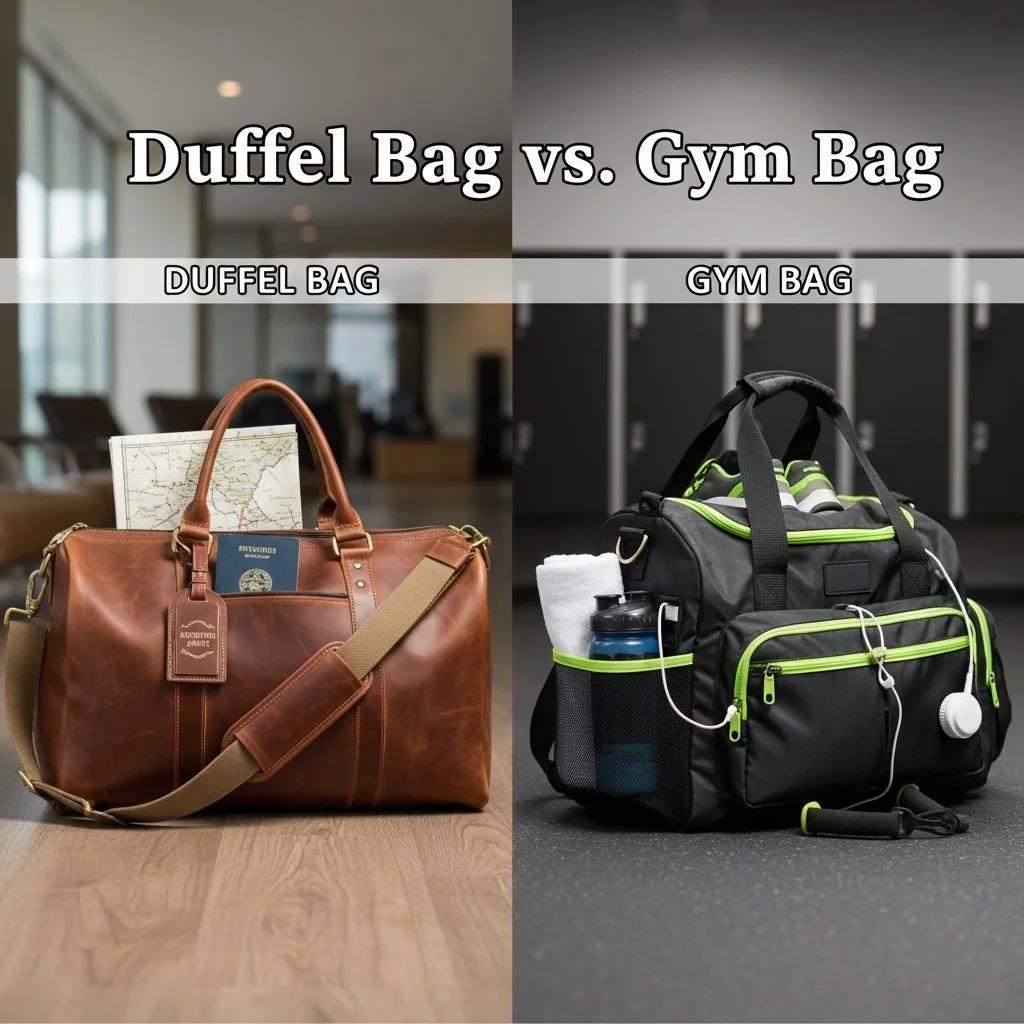
When I consult with brands, I stress the importance of clear product positioning. Calling a simple canvas bag a "gym bag" might disappoint a customer looking for a place to store their sweaty clothes. Conversely, a feature-packed gym bag might be overkill for someone who just wants a stylish weekender.
Here’s a simple breakdown:
| Feature | Duffel Bag (General) | Gym Bag (Specific Duffel) |
|---|---|---|
| Primary Identity | A broad category of cylindrical bags | A specialized duffel for sports |
| Compartments | Often has one main compartment | Usually has multiple, specific compartments (shoes, wet items) |
| Materials | Wide range: canvas, leather, nylon | Often easy-to-clean, odor-resistant polyester or nylon |
| Target Audience | Travelers, general users | Athletes, gym-goers |
Understanding this distinction allows you to tailor your designs and marketing language. You can create a "Sports Duffel" or a "Travel Duffel," guiding your customer to the perfect choice and showing that you understand their specific needs.
[claim claim=”A gym bag is always smaller than a travel duffel bag.” istrue=”false” explanation=”Size is not the defining factor. Some gym bags for carrying bulky sports equipment can be much larger than a compact weekender-style travel duffel.”]
[claim claim=”The term ‘duffel bag’ refers to the shape, while ‘gym bag’ refers to the function.” istrue=”true” explanation=”This is a great way to think about it. ‘Duffel’ describes the cylindrical form factor, whereas ‘gym bag’ describes its intended use and the features that support that use.”]
Key Features That Make a Duffel Bag Stand Out: Materials and Design?
How do you make a simple bag stand out? For a brand owner, the magic is in the details. The right materials and design choices can elevate a basic duffel into a premium product.
The key features that make a duffel bag stand out are its material and its core design elements. A high-quality material like full-grain leather or waxed canvas signals luxury and durability, while thoughtful design, such as comfortable straps and smart pockets, enhances its everyday usability.
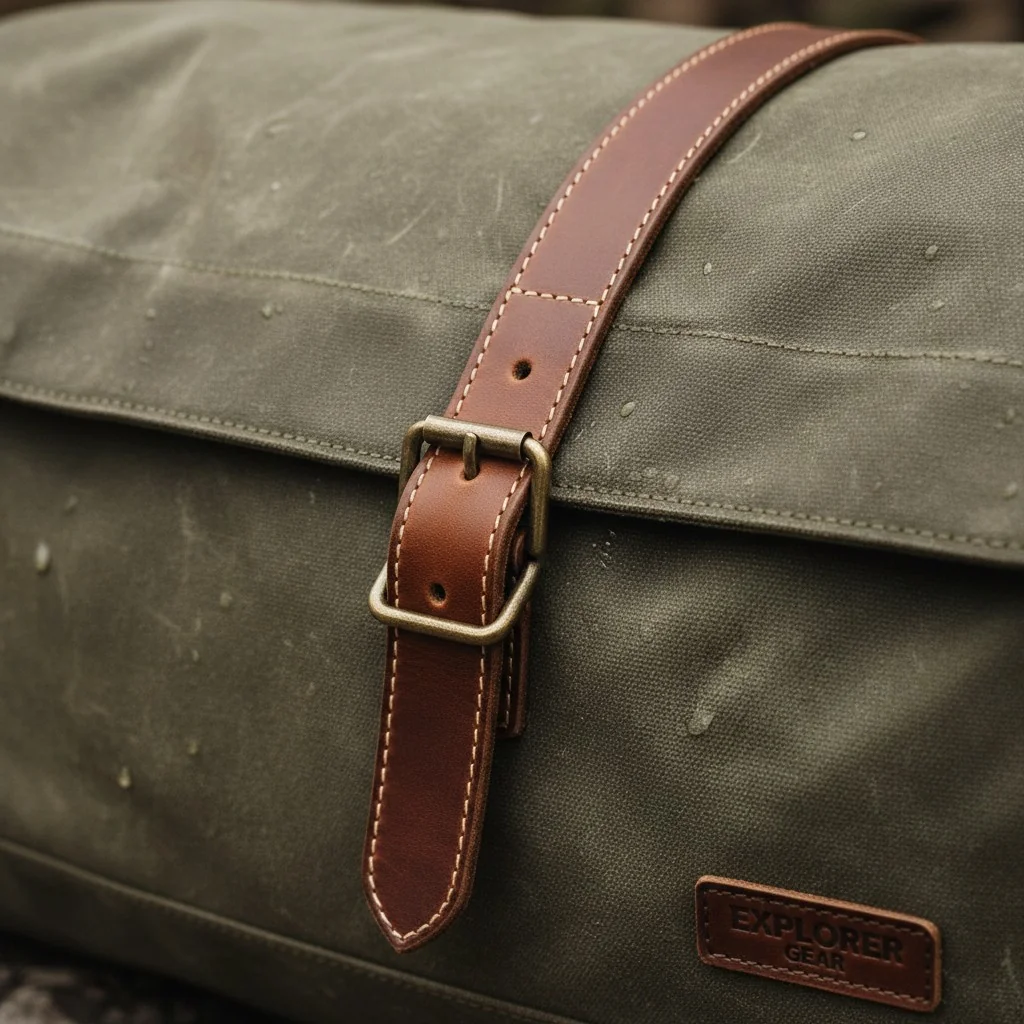
In my experience manufacturing bags, I’ve learned that customers notice the details. The feel of the fabric, the quality of the zipper, and the comfort of the handle are what separate a good bag from a great one. For your brand, focusing on these elements is how you build a reputation for quality. Let’s look at the two main areas:
Materials Matter
The material is the first thing a customer sees and touches.
- Canvas/Waxed Canvas: Offers a rugged, heritage feel. It’s durable and, when waxed, highly water-resistant.
- Nylon/Polyester: Lightweight, often water-resistant, and available in many colors. Ballistic nylon is exceptionally durable.
- Leather: Provides a premium, sophisticated look that gets better with age. It’s a statement of quality.
Design Defines Function
Small design choices have a big impact.
- Straps and Handles: Are they just functional, or are they padded for comfort? Can the shoulder strap be removed? Do you offer backpack straps for versatility?
- Access: A classic top-load is simple, but a U-shaped or full-length zipper provides much better visibility and access to the contents.
- Hardware: Using high-quality metal zippers and clasps (like from YKK) instead of plastic instantly improves the perceived value and longevity of the bag.
[claim claim=”YKK is a brand of leather used for premium duffel bags.” istrue=”false” explanation=”YKK is a world-renowned Japanese company that manufactures high-quality zippers and other fastening products, not leather. Their zippers are a hallmark of a well-made bag.”]
[claim claim=”Waxed canvas becomes more water-resistant over time.” istrue=”false” explanation=”The wax coating on canvas provides water resistance, but it wears down with use and needs to be periodically reapplied to maintain its effectiveness.”]

How to Choose the Right Duffel Bag for Different Needs?
How can you guide your customers to the perfect purchase? By teaching them how to choose the right duffel, you build trust and position your brand as a helpful expert.
To choose the right duffel bag, you must first consider its primary purpose. Match the bag’s capacity, material, and features to the specific activity, whether it’s for daily gym trips, short weekend getaways, or rugged outdoor adventures. This ensures the bag is a help, not a hindrance.
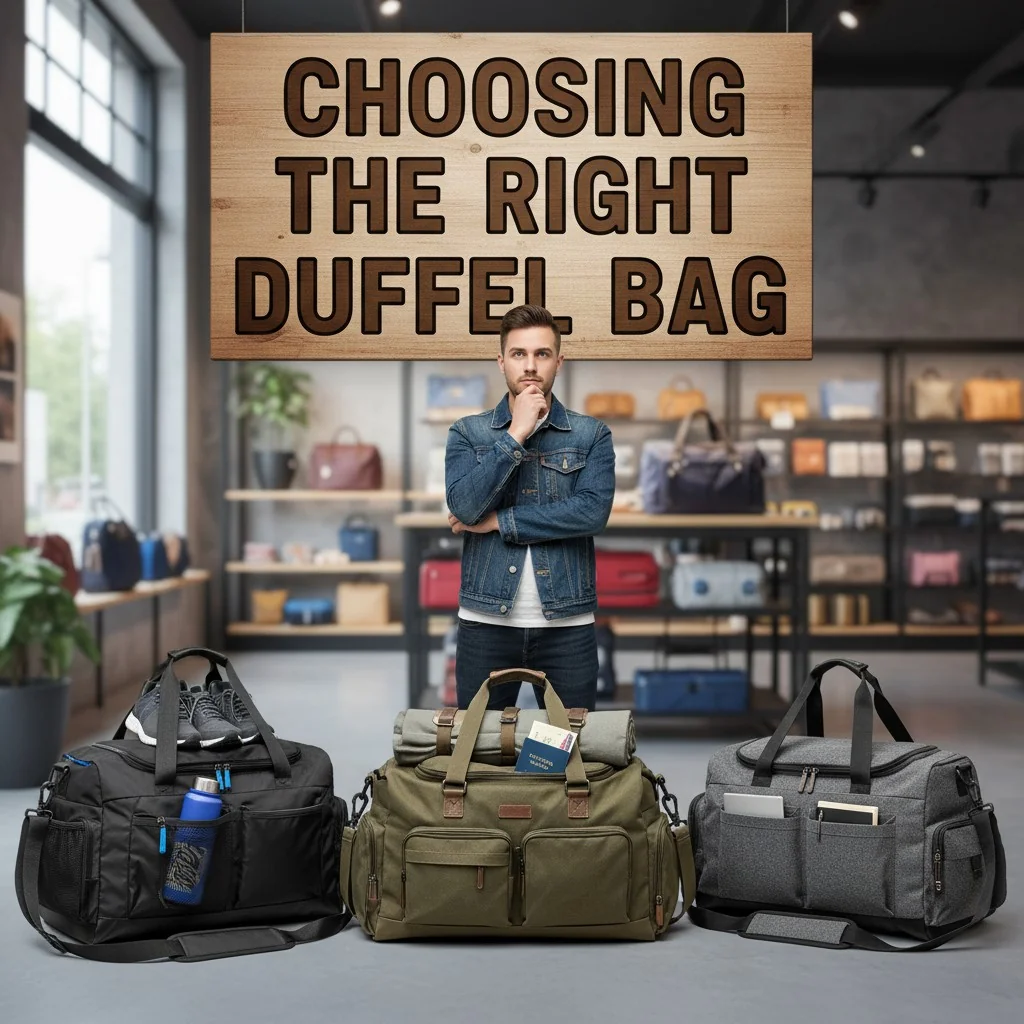
As someone who helps brands design bags, I always start with the end-user. What problem are we solving for them? You should encourage your customers to think the same way. A bag that’s perfect for one person might be all wrong for another. Here’s a simple framework you can share with your audience to help them decide.
A Quick Guide to Selecting a Duffel:
-
Consider Capacity (Volume in Liters):
- Gym/Daily Use (20-35L): Enough for a change of clothes, shoes, and a towel.
- Weekend Trip (40-60L): Perfect for 2-3 days of clothing and toiletries. This is the classic "weekender" size.
- Long Travel/Gear Hauling (70L+): Best for extended trips or carrying bulky sports or outdoor equipment.
-
Match Material to Lifestyle:
- Urban & Stylish: Look for leather, twill, or sleek nylon.
- Rugged & Outdoorsy: Choose waxed canvas, ballistic nylon, or a fully waterproof PVC material.
- Lightweight & Casual: Standard polyester or ripstop nylon is a great, affordable choice.
-
Check for Essential Features:
- Does it need to be a carry-on? Check the dimensions.
- Will you be walking a lot? Look for a padded shoulder strap or backpack-style straps.
- Do you need organization? Look for internal or external pockets.
By breaking it down this way, you empower your customers to make a confident choice.
[claim claim=”A 45-liter duffel bag is generally accepted as the maximum size for an airline carry-on.” istrue=”true” explanation=”While rules vary by airline, a 45L duffel bag is a widely recognized standard for carry-on compliance, as its dimensions usually fit within the typical size restrictions.”]
[claim claim=”The volume of a bag in liters is calculated by multiplying its length, width, and height in centimeters and then dividing by 100.” istrue=”false” explanation=”To calculate the volume in liters, you multiply the dimensions in centimeters (L x W x H) and then divide by 1000, since one liter is equal to 1000 cubic centimeters.”]
Conclusion
From its Belgian roots to its modern versatility, the duffel bag is a timeless classic. Understanding its history and types helps you create bags that your customers will love and use.
References
-
Explore the rich history of the Duffel bag, from its origins in Belgium to its modern-day significance. ↩
-
Learn about the properties and uses of durable woolen cloth, the material that made the Duffel bag famous. ↩
-
Find out the essential features to consider when choosing a travel duffel bag for your adventures. ↩
-
Explore the top sports duffel bags designed for athletes, featuring compartments for shoes and gear. ↩
-
Discover the unique features of military duffel bags that make them ideal for tactical and outdoor use. ↩
-
Learn why leather duffel bags are a popular choice for luxury travel and their long-lasting appeal. ↩
-
Understand the materials and construction techniques that ensure a duffel bag is truly waterproof. ↩
-
Discover the convenience of packable duffel bags and how they can be a lifesaver for travelers. ↩